
The True Test of Daily Pet Care: When Guests Visit
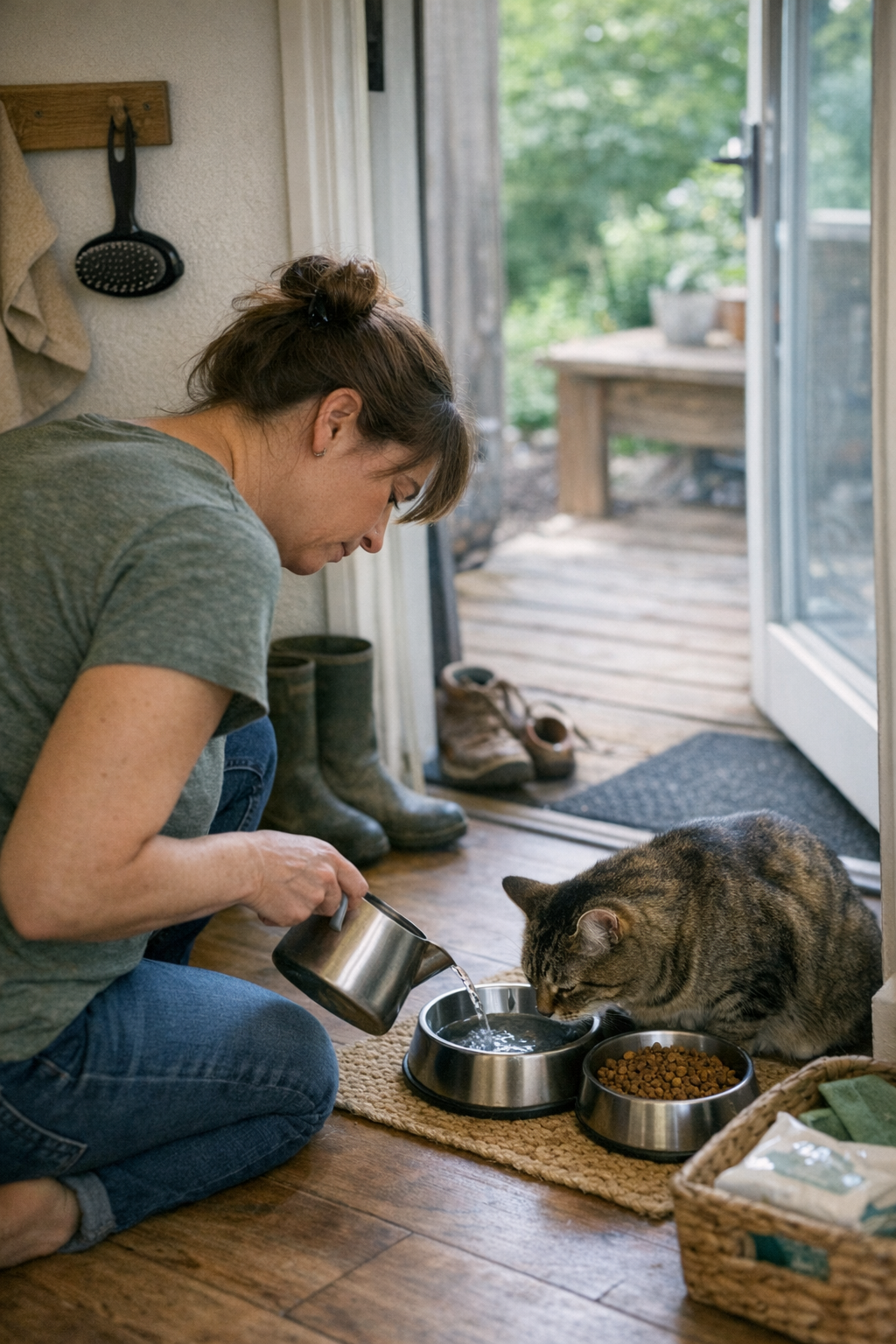
Nothing reveals the cracks in a daily pet care setup like a guest standing in your doorway. As soon as someone unfamiliar enters, the smooth appearance of your routine faces real pressure: stray fur that escaped notice, a water bowl half-blocked by shoes, a litter scoop suddenly missing when you need it. Whether your cat hovers with curiosity or disappears down the hall, it’s not personality alone at work—it’s the ripple effect of repeated, often invisible, daily choices. When repeated steps break down, both your stress level and your pet’s calmness show the impact. CalmPetSupply’s routines make this difference visible not by promising perfection, but by reducing the places where friction piles up and flare-ups are triggered.
Everyday Details, Under Pressure
What looks guest-ready—a swept floor, bowls cleaned early, clutter shoved aside—often crumbles under actual use. Unexpected rings around the water dish, a grooming brush wedged behind a bag by the door, fur suddenly illuminated by daylight as someone finds a seat: these details jump out at the worst time. A drawer that holds pet wipes seems practical until you’re juggling guests, a needy cat, and a ticking clock. Care delayed becomes stress exposed, and a cat that pauses on the threshold is already reacting to that pressure.
When supplies are tucked away for appearance but not for reach, every shortcut becomes a future stumble. The wipes you meant to keep handy are blocked by litter, and a grooming tool—neatly “stored”—is two rooms away when fur starts drifting toward shared cushions. The setup worked until it needed to work twice in an hour.
Routine Interruptions: Small Gaps, Big Impact
In daily life, pet care tasks stack up next to everything else competing for your attention. Answer the door, and the half-cleaned bowl is forgotten. Drop laundry near a perch, and suddenly it’s blocking the cat’s route. These aren’t failures—they’re gaps that, when added together, turn into awkward moments: fur floating into the conversation area, a water refill delayed longer than you thought, a go-to toy slipping out of sight as furniture gets shifted for guests. Each missed reset grows more visible the minute someone else is in the room.
Try refilling a water dish while dodging a pile of shoes or stepping around a carrier you meant to store yesterday—and see how fast a “temporary” item becomes a repeat hassle. Add brushing to the mix and, unless the brush is truly at arm’s reach, routine drags: you think “later,” and later means visible hair right where your guest’s hand lands. When the basics aren’t right where you walk, it takes only a little resistance for care to be deferred.
From “Looks Tidy” to “Works Seamlessly”
Straightening up before visitors only covers surface clutter. The same weak points—bowls in the walkway, brushes hidden from reach, perches blocked by bags—almost always resurface the moment routines restart at full speed. Looking organized isn’t the same as keeping up with what real use demands. When something is just out of place, you spend more time resetting: feeding spills into the rush before work, water puddles under the mat, grooming happens away from where the cat actually relaxes, and fur returns even after a visible cleanup.
A routine that leaves you searching, moving, or pausing in mid-flow isn’t finished—even if things look lined up for a photo. Interruptions pile up as missed opportunities: a wipe that’s still sealed in a pack you can’t reach, a bowl always nudged an inch further toward mess, a perch no cat would actually return to with shoes stacked underneath.
Solving for Repeated Flow, Not Just Cleanup
Improving pet care isn’t about achieving spotless order. The goal is a setup that survives the day’s full cycle: a brush on a hallway hook, not hiding with winter gear; water checked before guests, not just when you notice the bowl is dry; wipes that live within reach, not buried behind the litter or cleaning supplies. When each action is built into how you move through the home, repeated care becomes low-maintenance instead of one more chore that invites delay.
Think in scenarios: wiping up fur as you cross a threshold, not as an afterthought; arranging food bowls where hungry cats can reach without blocking the main footpath; keeping a cleaning towel near the window perch, not the other side of the house. Processes that help themselves—by location, by habit—reduce shuffling, late fixes, and that creeping sense that you’re still one step behind.
Daily Use: The Real Stress Test for Setup
Hosting doesn’t usually unravel pet care with a single crisis; it’s the small hitches that repeat and compound. If each basic supply—feeding bowl, water dish, brush—requires an awkward reach or extra step, the system breeds routine drag. The most sustainable arrangements turn maintenance into muscle memory. If the same towel, scoop, or bin continues to get in your way or forces double-handling every day, you’re being told it doesn’t really fit—and that’s what surfaces during back-to-back use.
Making Calm the Default, Not an Occasion
Consistent access to care basics—quick wipes, a stable water routine, cleaning tools within one movement—does more for a cat’s confidence than any amount of last-minute effort. Small, location-driven tweaks—using the right hook, placing the bowl out of the busiest cut-throughs, storing wipes where you actually pass—work not by magic, but by reducing what interrupts you. This is when a cat feels safe exploring with guests, and you’re not left apologizing for a hair tumbleweed or bolting out to find cleanup supplies.
Daily calm isn’t built in a rush before the doorbell rings—it rides on how every small care step fits your true routine. Minimize double-work and rework, and the space becomes genuinely ready, not just photo-ready. A setup that keeps asking for extra effort isn’t sustainable. One that fits repeated, real use, is.
For more practical ideas and supplies designed for everyday flow, visit CalmPetSupply.