
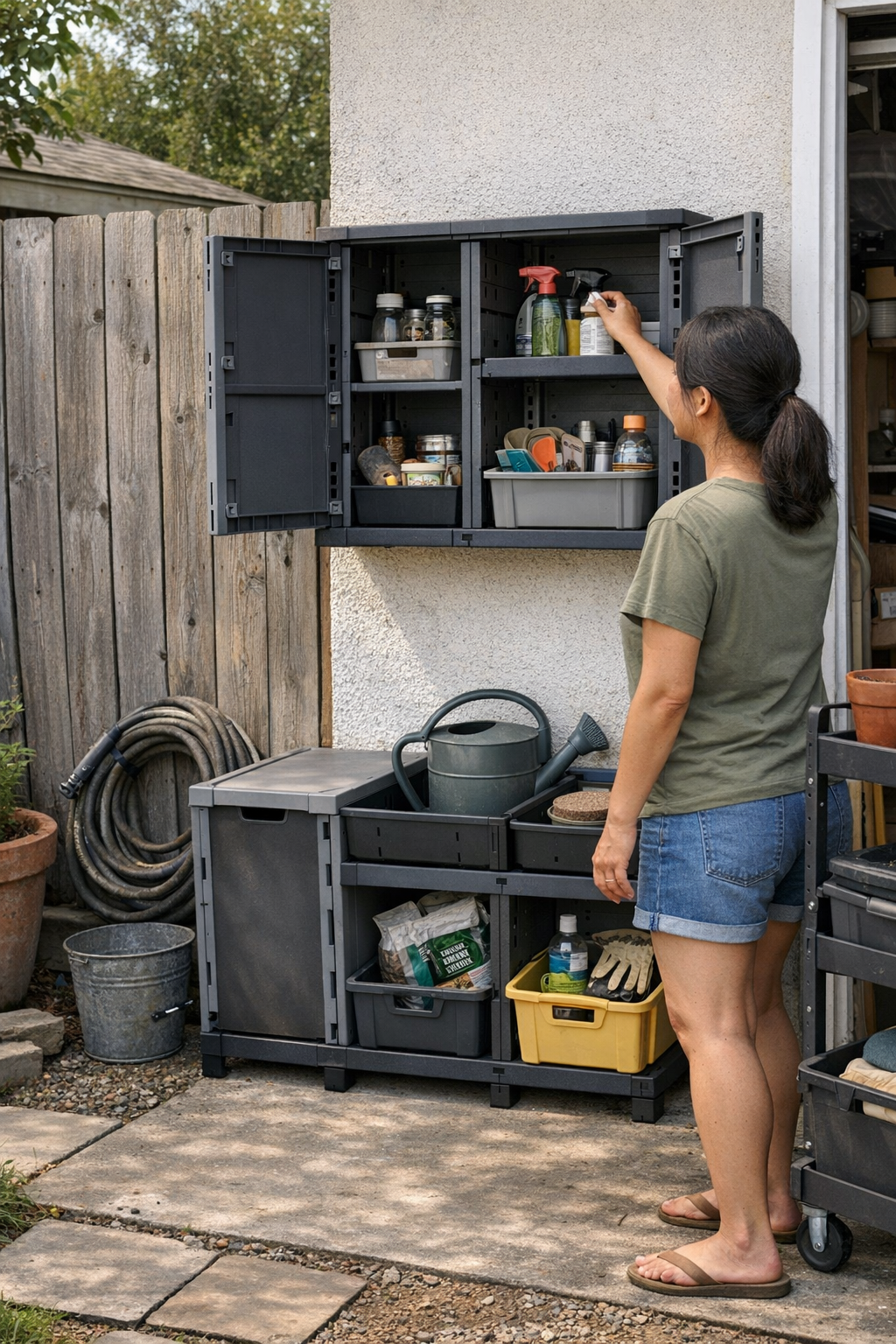
Most bathroom wall cabinets claim to organize, but in a real shared bathroom, the flaws show up fast. After a reset, everything looks crisp—until a week of damp hands, half-closed containers, and post-shower steam unravels any sense of order. Shelves that felt stable turn faintly tacky. The base edge starts to puff or ripple. Instead of quick retrieval, you’re fighting the slow stick of bottles fusing at the corners and labels peeling up. If your wall cabinet can’t keep out moisture, the entire storage setup betrays you right when things get busy: morning routines stall, zones blur, and hidden backup supplies absorb more humidity than attention.
When “Good Enough” Fails Under Real-World Routines
The basic bathroom wall cabinet—thin panels, unsealed seams—looks organized in a photo, but daily use exposes the limits. Wipe down on Sunday, and by Thursday it’s already shifting: toothpaste caps leave sticky patches, face cream smears trail on the underside, and paper-packed items form soggy corners against the rear panel. What felt like clear sorting devolves into mixed stacks as humidity warps the surfaces and categories collapse into each other. Instead of grabbing a bottle from its usual spot, you’re reaching around clutter or repeating the hunt in the wrong section.
This isn’t just visual clutter; it’s lost time and small interruptions. A warped shelf tips items into a group—cotton pads brick together, and small tubes slide into dips at the edge. Rushing before work, you wedge past sticky clusters, pulling a q-tip container that suddenly resists with a faint suction at the base. The right side of a shelf sags; nothing sits upright. Things once sorted merge and slow you, escalating friction on the busiest mornings.
How Moisture-Resistant Cabinets Change the Experience
Switching to a moisture-resistant wall cabinet goes beyond appearance—a sealed finish and protected seams block the cycle of swelling and drift. After a week of steam and back-and-forth product returns, you’ll notice: shelf lines remain straight, edges stay crisp, and distinct storage “lanes” last longer. Surface wipes dry cleanly, bottle bases stay free of sticky buildup, and quick returns don’t become future messes.
“Dry return” sounds minor, but it’s everything in daily flow. You put items back without calculation or hesitation, minimizing touch points. Jars keep separate, shelf lines don’t blur overnight, and you spot what’s missing on a glance instead of a search. The feel along the back edge—dry, not softened or sticky—signals the layout is working, not quietly degrading between resets. Real zones persist: face care on the left, razors and backup toothpaste on the right, small tools unmixed. Retrieval is quick and return flow stays smooth, even when multiple people share the space daily.
The Sneaky Problem of Category Drift
Category drift slips in unseen. One reset sorts everything; two weeks later, wet corners and bowed dividers funnel items into one another. Floss gets buried in a heap of cotton pads. An extra razor pack migrates sideways, blocking the right section. You waste time repeating the same search, or re-dividing items that never should have migrated. Moisture-resistant cabinets fight this creep, reinforcing structure where lesser cabinets simply surrender, week after week, until every morning starts with another re-sorting loop.
The Hidden Costs of Subtle Swelling
It’s not just the mess. A soft cabinet lip turns minor accidents—an upturned lotion, a tossed brush—into ongoing headaches. Water collects at low points, leaving surfaces faintly gummy no matter how often you clean. Each day, a hairbrush that once slid into place now nudges sideways and won’t stay. Small jars fall into shelf dips. Even light, fumbled movement makes the whole system feel unreliable. The friction isn’t just annoyance—sometimes you have to pull the entire line of items to find a lost tube or mop up pooling residue hidden just out of sight.
Crowded mornings expose the consequences. Everyone wants their own section, but swollen edges funnel everything toward the middle. Scanning for one product, you find three in the way. The “organized” look from last Sunday is long gone; you improvise, or temporarily pile things on the counter to get through the rush.
Reset Friction—Why It Matters (and How the Right Cabinet Eases It)
An “almost-right” cabinet never stays sorted for long. Each deep clean—gunk scraped from corner seams, mixed-up rows untangled, lingering wet patches wiped again—steals your time. The right moisture-resistant cabinet slashes this reset friction. Fast wipe-downs work better. Zones hold for weeks, not days. Items stay in intended categories through real cycles of use. Instead of repeating big deep-clean resets, you maintain order with less effort—keeping the wall useful, not a disguised holding pen for the next overflow event.
Small Real-World Tweaks That Help
Moisture resistance doesn’t solve all problems automatically, but minor tweaks extend the effect. A thin, removable mat on the bottom shelf blocks unseen pooling, and peels right out for washing. After heavy-use mornings, leave cabinet doors cracked open for an hour—airflow dries what even a sealed surface might miss. Don’t overstuff shelves; a crowded setup still causes migration. Real storage improvement comes from friction-aware habits, not upgrades alone.
What to Watch For: Recognizing a Cabinet That’s Failing
Check the seams and surfaces after seven days of real use. If you feel spongey spots, persistent stickiness, or find paper products weirdly compressed, your cabinet is losing the battle. Labels curling up and packed zones that always blend together mean the storage is quietly making order harder, not easier. Slow resets and blocked retrieval are early warnings—signs not of messiness, but of a system breaking down under repeated routines.
Quick Q&A: Staying Ahead of Routine Breakdown
Do moisture-resistant wall cabinets prevent mold? They block trapped water, especially at seams and corners. For real mold prevention, keep up airflow and schedule occasional empty-out wipes—finish alone isn’t enough in very steamy rooms.
Is a moisture-resistant finish alone enough for high humidity? No finish, sealed or otherwise, can counteract every steamed-up morning. Pair it with open-door airing and shelf empties when cleaning—especially if your bathroom stays humid all week.
How do you know it’s time to upgrade? If finger-checks along the seams reveal spongey texture, if labels repeatedly lift and sticky patches return right after resets, the cabinet has crossed from “storage” to “clutter trap.” A true swap saves time and daily hassle.
The Bottom Line: Storage That Stays Useful All Month
The right wall cabinet doesn’t just clear visual clutter—it protects structure, holds lines straight, and preserves categories even under stress. Moisture resistance makes faster resets real, keeps retrieval reliable, and quietly saves daily movement from unplanned extra steps. The effect is as real as the moment you grab a bottle and it comes away clean, not stuck; as practical as the weekly check that finds zones, not piles.
Gridry offers practical, tested wall storage and bathroom solutions designed to make reset routines less draining and daily movement smoother. Explore more at Gridry.