
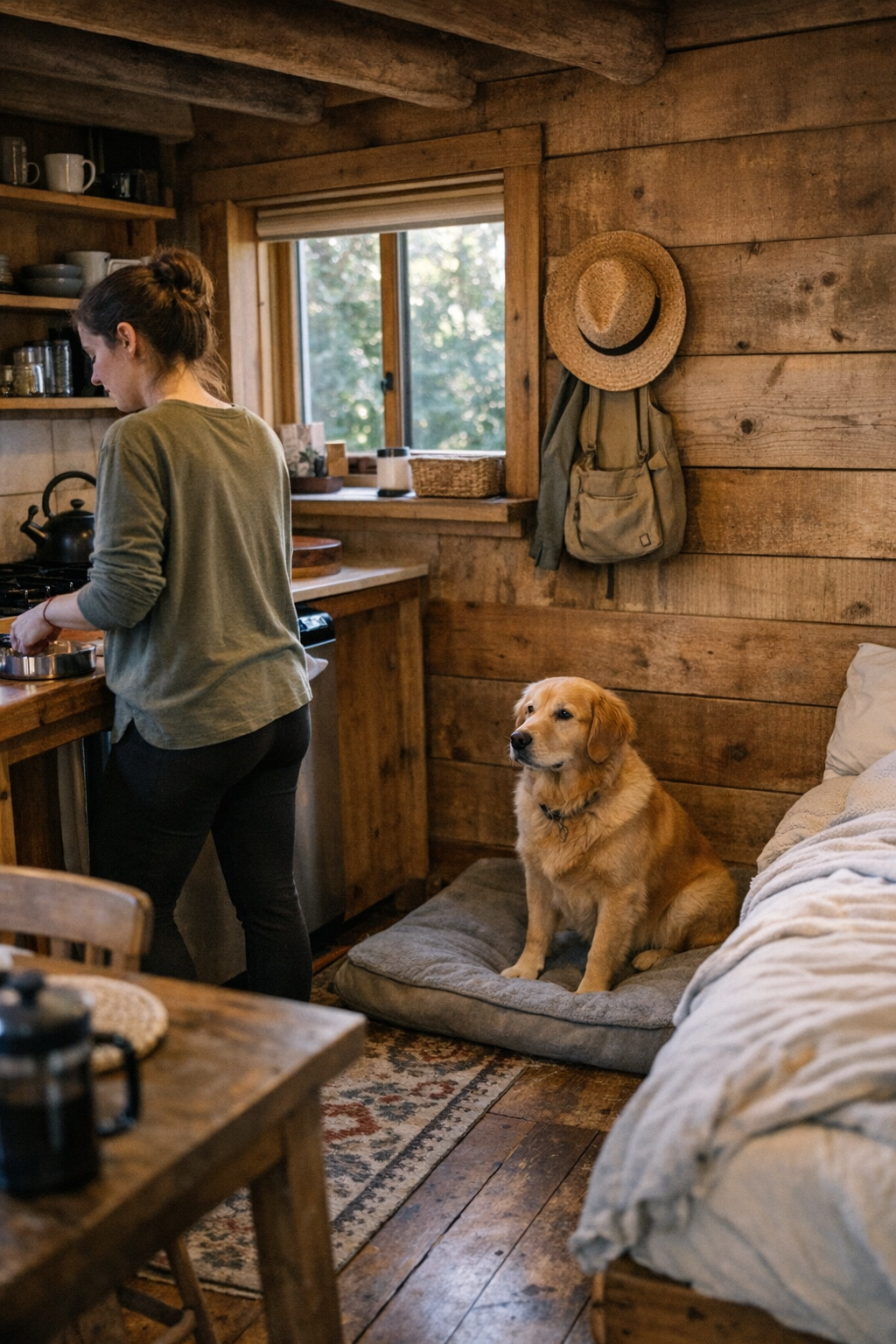
Your dog’s pre-meal shuffle isn’t random excitement—it’s everyday routine turning awkward when the setup keeps getting in the way. You watch your dog pace, linger halfway between rest and the bowl, or hover at the edge of the kitchen, waiting for a signal that never quite comes. At first it seems harmless, maybe even funny. But in repeated use, these “quirks” start to create actual friction: you’re stepping over a waiting dog as you grab feeding gear, timing gets thrown off, and the moment that should run on autopilot keeps falling short. Suddenly, the difference between a smooth routine and daily drag shows up in every meal reset, every cluttered walkway, and every missed chance to keep things moving cleanly. This is where the right structure—the kind you actually wish for midway through the week—starts to matter. If your setup keeps asking for improvisation, DogPile’s everyday dog gear world makes that invisible drag visible.
The Invisible Strain in Pre-Meal Routines
Small signals pile up fast in real dog-life. If your dog repeats the same hesitant circling, vocal side-comments, or waits in the wrong spot before every meal, they’re not just restless—they’re bumping into a missing piece in routine. It’s easy to ignore at first, but you’ll catch the same off-beat pause right as you reach for the leash, or the shuffle in the doorway as you organize bowls. Even in so-called “easy cycles,” you wind up rerouting your movements, keeping the feeding area clear by moving bowls, wiping paws with supplies that aren’t where you need them, or navigating gear that drifts just out of reach. The friction isn’t dramatic, but it repeats until you can’t miss it: the routine is “working,” but it’s not smooth for anyone.
Over time, these tiny slowdowns spread. Your dog’s rest is lighter, settling takes longer after meals, and ordinary tasks—scooping food, prepping a walk, or answering the door—spark the same restless site-hopping. It’s not the dog bowl’s fault; it’s the missing structure that leaves every transition up for grabs, never quite letting downtime or cleanup land the way it should.
One Weak Point, Many Ripples
An unsettled routine seeps into the rest of your day. When you notice your dog drifting—not quite committing to the kitchen, not comfortable in the bed, hovering just out of the way—the tension multiplies. Maybe she’s camped halfway onto the hallway mat, or he spins away from the bowl as if waiting for better instructions. The space looks organized, but each time you need quick access—say, grabbing a towel after wet walks or shifting bowls while carrying something else—whatever’s out of line breaks your stride. An unresolved waiting zone isn’t just a dog problem; it means extra steps, shuffled gear, and an efficiency tax you pay at every meal, walk, or cleanup pass. Even when the area looks tidy after cleanup, the workflow clogs at old sticking points. That tidy look can fool you, but the clunky rhythm doesn’t lie.
It Looks Calm, But Feels Restless
“Looks fine” routines aren’t always fine in use. You can have the dog’s bed aligned and the bowl in place, but if every transition brings a fresh round of minor decisions—where should the dog be now, can you make it to the counter without interruption, will cleanup involve another detour—then settling never quite happens. Both you and your dog get caught in a low-stakes tug-of-war, making small choices in real time because the setup failed to give clear direction. That’s not background noise. It erodes the sense of rest in ways you only really notice after the twentieth cycle, when both of you still feel “almost done” even with nothing left out of place.
How “Harmless” Pauses Erode Daily Calm
One moment it’s just circling before dinner. Weeks later, meal transitions turn into a guessing game: your dog waits here one day, there the next, half on his bed or wandering to check if food is ready. The instability builds friction, not calm: every unclear pause is another little drain, breaking the routine’s flow before it can even start. Each time you have to correct a hover, drag a bowl back into position, or maneuver around spilled-over gear, the reality gets clearer—routine isn’t just about organization; it’s about repeated use, and ambiguous zones keep costing attention in every cycle.
- Rest gets thinner: The dog stirs more, takes longer to relax, and bedtime resets drag out.
- Feeding drags on: Bowls migrate, gear scatters, the dog’s attention jumps, and suddenly mealtime stretches longer than planned.
- Spaces blur: Dog items drift into walkways—the crate is partly blocked or cleanup gear piles up where you least want it.
- Apparent order, hidden friction: The area still “looks good” after cleaning, but the same awkward steps and reacharounds keep returning.
Recognizing the Pattern: Where Does the Waiting Break Down?
Here’s what shows up in actual use: your dog hears you at the counter, bounds up, but stops short—unsure where to wait, hesitating in the kitchen threshold. One dog whines softly, another just stares, body tense in a “maybe now?” stance. The bowls sit ready, the space is clear, but flow is fractured because there’s nowhere specific for the dog to settle and wait out the prep. The same breakdown plays out at other friction points: leash by the wrong door, towels missing at crate return, grooming gear buried two rooms away. Each time a transition is undefined, the next cycle repeats the stall—quieter than a meltdown, but visible in the slower pace and repeated owner corrections.
A Small but Crucial Setup Shift
The fix isn’t a total shakeup, just a real spot for waiting. Instead of letting your dog free-float between the kitchen and their bed during feeding prep, stake out a single location. In my house, the new anchor became a consistent spot on the bed—about five feet from the bowls, always just out of the walkway. The result is less negotiation: guide your dog there at the start of each meal, set a brief quiet wait, and only then prep the food. At first there’s hesitance; your dog might glance back at the bowl, test the boundary, look for permission. Two days in, the back-and-forth starts to fade. Suddenly, post-meal calm lingers longer. Mealtimes reset faster. And the old restless pattern doesn’t bleed into the rest of the daily routine.
Making the Waiting Structure Work in Real Life
Structure isn’t about making things strict—it lets routines settle sooner and recovery happen faster. With a fixed waiting spot, your dog knows what’s expected, and you skip the improvisation. You’re no longer nudging a dog out of your way as you move gear, and the routine picks up real momentum with every use instead of stalling for a mid-meal reset.
- Bowl hover disappears: The dog’s at the wait zone, not underfoot. You reach for bowls and gear without sidestepping or pausing to direct your dog mid-action.
- Less gear spillover: Feeding and waiting zones separate cleanly. Bowls, mats, and beds stop colliding or edging into each other’s space.
- Reset gets cleaner: After eating, the dog returns to a clear spot—spilled food or crumbs are contained, and cleaning up doesn’t involve chasing the dog or moving items twice.
- Calm routine endures: Patience during wait times doesn’t get burned up on anticipation, so bedtimes, wind-downs, and walk preparations all start to feel less frantic and more predictable.
Making Changes Stick: Tips for Everyday Routines
Select the right waiting spot. Keep it out of main walkways but close enough for the dog to see you working. If it’s too close, anticipation becomes pacing; too far and the dog may disconnect from the routine.
Lead each time. Don’t wait to see where your dog settles today. Walk them to the spot before touching bowls or prepping food. That way, waiting becomes automatic, not a negotiation.
Reward calm, not just presence. For dogs new to a fixed spot, start with brief sessions. Any quiet wait—no matter how short—gets a release and praise. Building consistency at the start is worth more than hitting a perfect wait time.
Expect the friction to shift before it fades. Early days mean the new wait zone will inherit a little of the old uncertainty—extra shuffles, glances, even attempts to inch back toward the action. Hold steady. Let the routine, not just the boundary, provide the cue. The principle holds elsewhere too: a towel that’s easy to grab after muddy walks isn’t just convenience; it’s what breaks the pattern of messy delayed cleanup that keeps showing up once routines repeat.