
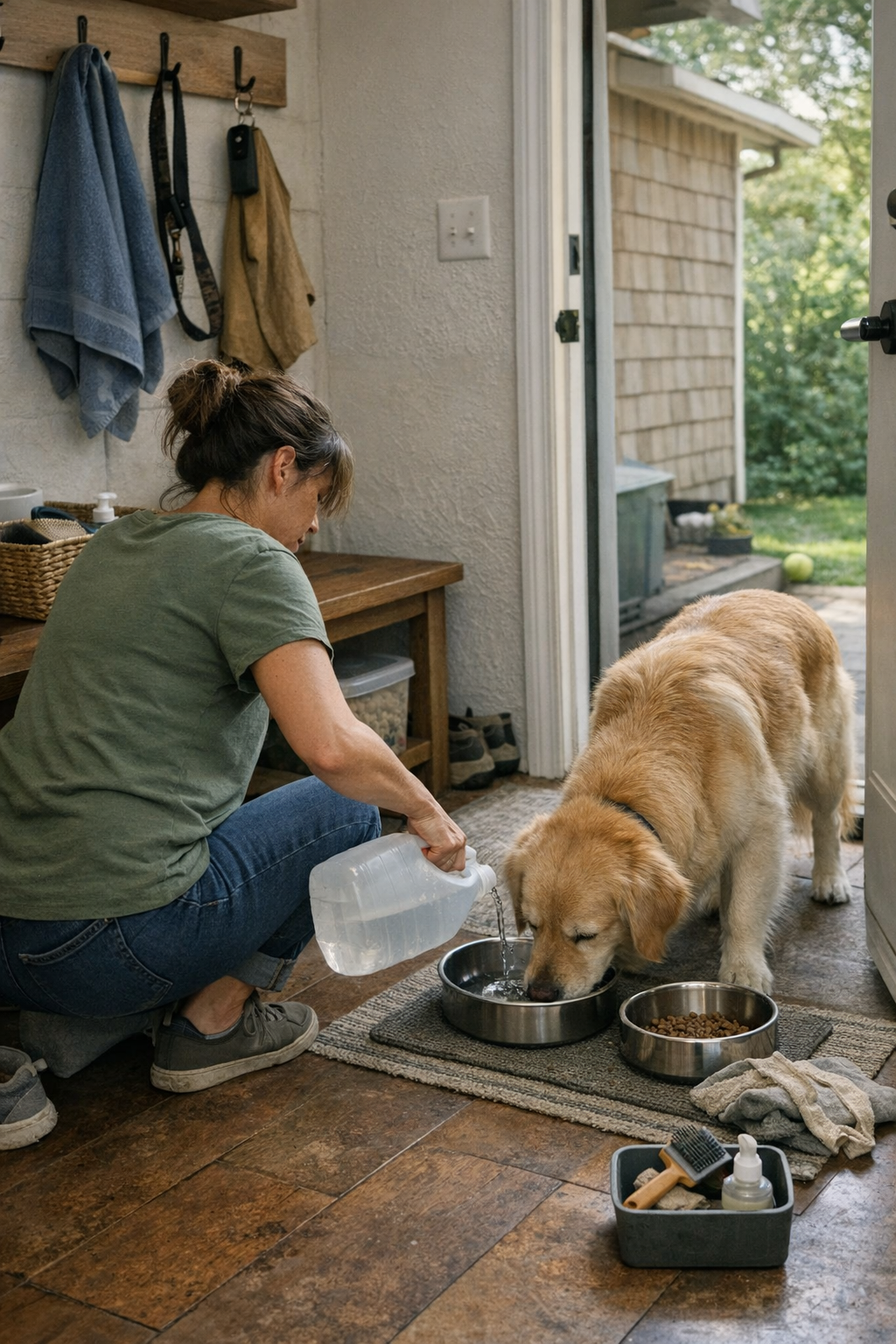
You set up your pet’s area—bowls lined up, supplies tucked out of sight, everything looks calm. But day two of real use, friction creeps in. The brush you need is missing again. A damp towel sits folded and never dries. The food bowl is dirty right as your pet starts pacing for breakfast. What looks orderly rarely holds up once daily care kicks in. The smallest slip—one item not back in place, one tool out of reach—shifts the whole routine from smooth to a string of stalled moments. A setup that looks calm doesn’t always mean your next refill, wipe, or grooming session won’t get blocked by the leftovers of yesterday’s pattern. The CalmPetSupply world isn’t about a perfect reset—it’s about setups that actually survive repeat use without turning care into a scavenger hunt.
Order Versus Real Readiness
There’s a difference between tidy surfaces and daily function. It’s easy to stack bins or close drawers, but if the scoop you reach for is trapped under a row of treat jars, the order is just blocking the routine. Every round of daily care exposes what doesn’t work: the brush that’s slid behind cleaning supplies, wipes stored under a sink instead of within arm’s reach, or towels that never dry because they’re out of airflow. What first felt “organized” quickly trips you up when you’re moving fast and one core item is buried or just plain missing.
Morning rush: you’re ready for a quick water refill, but last weekend’s new “system” means the jug is boxed in behind neat but totally impractical treat jars. Meal time: you need wipes for a quick spill, except now the container is under the bathroom sink instead of shelf-side. These aren’t emergencies, but the routine drag grows bigger with each search, each detour, each delay—making pet care heavier with invisible friction.
How Small Delays Multiply in Daily Pet Care
Delay one cleanup, and you notice it keeps coming back worse. Crumbs and water spots that could have been wiped down in seconds start caking into real mess, making next time slower. That towel you meant to dry? If it stays folded on a shelf, it’s clammy and nearly useless after the next walk. Each misplaced or hidden item adds at least one awkward step: hunting for the brush, detouring for the scoop, or running to get a dry towel when your hands are already full.
Even after a reset, friction creeps back. By day three, the brush is back on the coffee table, wipes drift to the hallway, food scoops buried by other bags. The dog leash is easy to see, but the cleanup mitts are stored two rooms away. The space might look neat at a glance, but every part of your care routine slows down. Clean resets don’t fix setups that can’t keep tools at the edge of reach.
Real-World Interruptions: A Day in Use
Actual routines don’t run on one deep clean. You finish up at night—bowls washed, things stowed—but morning means new problems: a half-dried bowl, a towel missing, supplies not where you need them. Your pet’s eager for breakfast, but you’re stuck sorting gear before the real task.
After a walk, your dog heads into the house, but the towel for paws is balled up in the laundry basket. You make do with a paper towel, sapping time and missing spots. Paw prints trail further because your plan for quick cleanup failed at the starting line. When care tools aren’t truly ready, interruptions don’t stay contained—they spread into shared spaces and throw off the flow for everyone in the home.
Setup Weak Points: Repeated Corrections, Hidden Friction
Real clutter is rarely obvious chaos—it’s subtle, steady friction. Calm-looking spaces hide tools trapped behind bins, wipes shuffled out of sight, spray bottles buried after the last cleanup. These hidden bottlenecks never quite leave; they just trade places. Organization feels satisfying until the routine calls for that one tool—nowhere to be found, or blocked by nicer-looking storage.
Certain weak points always resurface. Maybe your wipe bin keeps sliding off the counter and vanishing, or your go-to groomer is constantly traveling between rooms. You reorganize, but next week you’re still catching yourself improvising a fix. Improved “storage” solves nothing unless the items that matter most reliably land within easy reach where they’re actually used. When convenience fails, every routine adds another restart.
Designing for Daily Reach, Not Just Visual Calm
Function trumps the fresh-start feeling. Instead of constant resets, fix items where you use them: a towel always on the same hook near the door, a wipe bin anchored to the feeding shelf, the water jug left beside the sink. These habits cut down tool drift, and every return lands right where tomorrow will need it—sidestepping fresh friction before it starts.
Hang the drying towel by the exit, every single use. Keep the food scoop in a cup at the bin edge, not hidden under “neat” stacks. After a week, you notice you’re searching less, stalling less, and spending less time backtracking. The visual difference is subtle; the functional difference is real—fewer delayed cleanups, fewer chores festering overnight.
Reducing Friction: Habits Over Surface Order
Practical calm follows one rule: put each essential back in its single, reachable spot. Skip the tidy shuffle—make visibility and grab-ability the priority. Wipes by the bowls, brushes at arm’s reach, towels where paws actually enter the door. It’s the everyday returns, not the once-a-week deep clean, that actually reduce cleanup delays and keep messes contained.
If you find yourself repeatedly “fixing” a setup—rewinding your steps after feeding, retracing for a missing tool, or dreading the late-night reset—pause. Look for what’s consistently out of reach or always migrating away from the action. Strong setups aren’t just tidy after hours of cleaning; they survive the randomness of daily care because the essentials never wander far.
True calm isn’t about spotless surfaces—it’s when routines tackle most of themselves, and the real work stays minor day after day.
See setups that prioritize daily reach and routine flow at CalmPetSupply.