
Why Pet Care Setups Feel Tidy at First—Then Start Slowing You Down
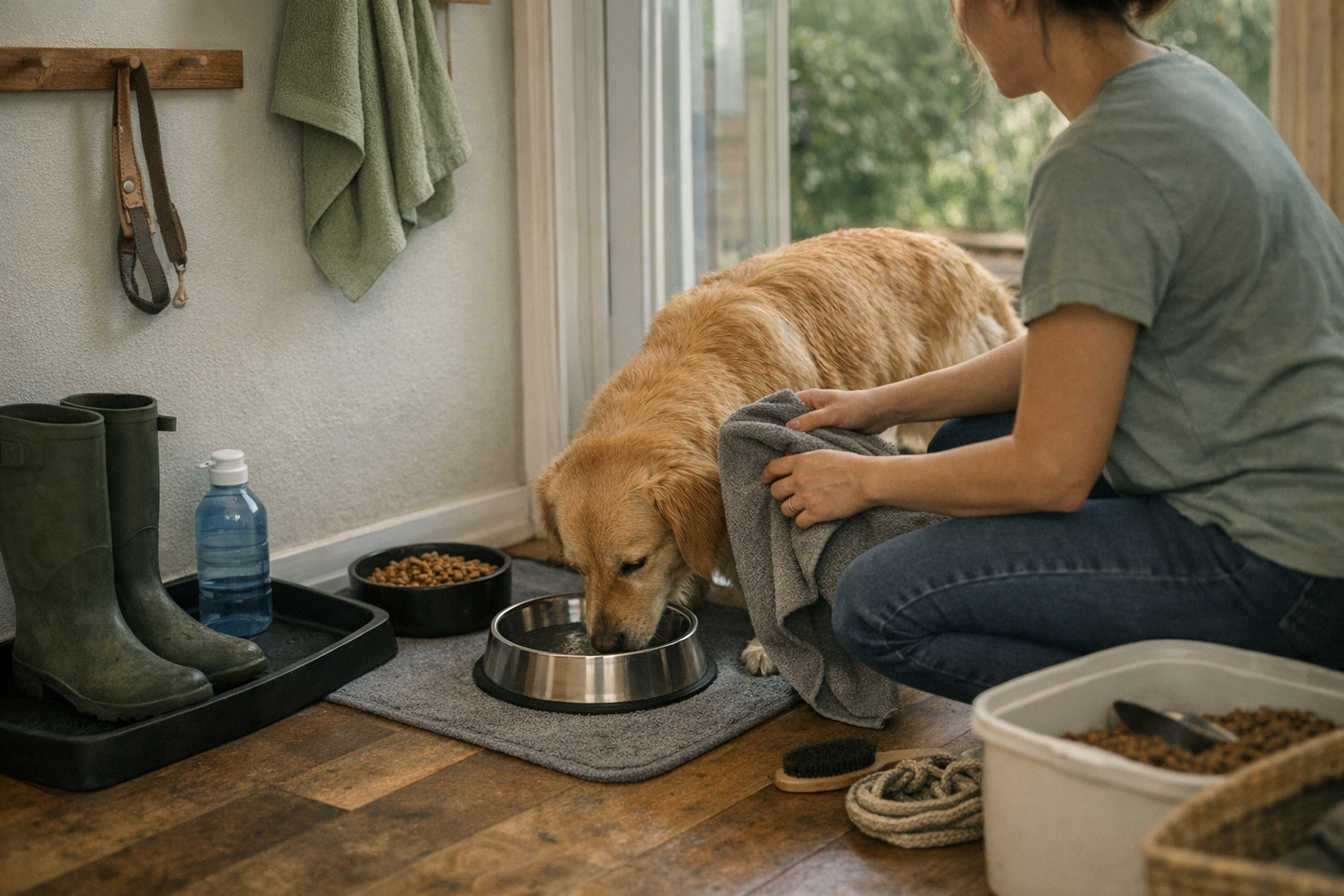
A pet care setup that looks calm on day one can quickly turn into a daily annoyance when routines actually start piling up. What feels organized the first morning—bowls aligned on their mat, towels hanging within reach, grooming tools tucked nearby—rarely stays that way by the end of the week. Instead, you run into water tracked past the mat edge, towels sliding behind laundry baskets, or a refill bottle in just the wrong spot, turning a quick reset into a mini detour. The initial order is visible, but the real pressure comes when refilling, wiping, or grabbing basics interrupts the routine you hoped would run on autopilot. That’s the split: a pet area can look ready for care, but real friction only shows up through use.
The hard truth: setups that seem neat after cleaning can turn against you if their physical boundaries collapse under repetitive use. Tidy lines count for nothing if daily care keeps pushing bowls, hooks, or bottles out of sync with how you actually move.
The Hidden Friction of Small Boundary Shifts
One inch—the wrong inch—changes everything. Take a feeding mat that slides too easily or a towel hook just beyond comfortable reach. Maybe your pet’s bowl has drifted close to the wall after two days of scooping. Now, grabbing it means bending at an awkward angle, usually knocking into a food bin or scattered bag. Or a water bottle, placed “neatly” near the entry, turns into a trip hazard or gets nudged into the feeding zone, requiring a shuffle with every meal.
This unseen friction rarely matters during calm, deliberate moments. But during the morning rush—or those sleepy late-night check-ins—an out-of-place cloth or half-blocked access means wiping up with the wrong towel, bumping into things, and forgetting one step until the mess gets noticed later. Instead of smooth routines, you end up moving items as often as you move your pet.
Real-World Routines: Where Small Setups Break Down
After breakfast, a clean mat looks fine—until you spot dried water spots just past its edge, because it slid while your dog pawed at the bowl. The cleaning cloth you need isn’t missing, but it’s now buried behind leashes and bags on a crowded hook. At midday, the bowl sits too close to the radiator after your last refill, so you have to shuffle other bins just for a pour. Even a feeding area that started out clear now requires awkward reaches simply because tools and bowls migrate.
After-walk routines stall for different reasons. Towel hooks blocked by last week’s shoe rack addition mean you have to dig for a usable towel as your pet shakes off inside. A brush left in the kitchen—since the grooming area isn’t working—means care tools float in and out of meal prep zones, never quite returning to where they belong.
These aren’t disasters—just repeated disruptions that make a setup increasingly hard to live with. What looked organized is now a series of workarounds.
Invisible Drag: When “Tidy” and “Effortless” Don’t Match
A tidy feeding corner or tucked litter box can pass for functional, but repeated care quickly exposes every compromise. A mat that’s just a bit too small, a towel that’s always one step too far, or a storage bin lid that forces you to move your own shoes for every scoop—these add seconds, then minutes, and finally reluctant reshuffles to each day. Design choices that simplify one part of the routine often force last-second improv elsewhere.
A towel hooked over the counter instead of in the entry blocks leashes or vanishes behind storage bins when you’re mid-reset. Storage bins with lids that swing into crucial walkways mean you’re nudging bags, sliding containers, or pausing more than refilling. Each “small” design gap becomes another drag on care speed when routines speed up, especially in high-traffic or shared spaces.
Moments That Signal a Setup Needs Fixing
Here’s where weak setup boundaries become obvious:
- You spot spilled water or food outside the mat only after it’s dried, because the edges don’t line up with real splash zones.
- Cleaning cloths are always “somewhere nearby” but never exactly where your hand goes after a spill—adding an extra step each time.
- Grooming tools collect on counters meant for meal prep, breaking the care area’s flow and spreading clutter into cooking space.
- You have to nudge trash, food bins, or bottles aside after every meal before resetting, repeating a fix that feels temporary but keeps returning.
- Leashes and harnesses pile up near the door instead of their hook, simply because the hook is now hidden behind a coat or bag.
If cleanups keep getting delayed, if tools migrate out of their zones, or if pet items repeatedly spill into shared space, your setup isn’t just untidy—it’s fighting the way routine care actually happens.
Practical Changes That Streamline Everyday Care
Small corrections have big effects:
- Shift the mat so the water or food bowl sits fully inside—stopping daily drips from escaping, and often eliminating the need for extra wipes.
- Move towel and leash hooks so they match your actual entry-and-exit path—midway between the door and the feeding spot—stopping items from piling up or migrating out of reach.
- Place refill bottles on shelves above—not beside—the bowl zone, keeping the floor clear for feeding and protecting refills from accidental bumps that scatter other essentials.
Tweaks that follow your real motions—not just design ideas—are what make resets fast, cleanup natural, and tools stay where you left them.
Understanding the Difference: Looks Good vs. Works Well
A setup can be spotless at a glance yet still trip you up. If bowl placement, hooks, mats, and supplies don’t mirror your refill, clean, and after-walk movements, hidden work piles up. Layouts that look intentional but ignore those repeated motions bring order at the cost of ease. Mats should meet splash radiuses, hooks should land where hands go after walks, and bins and supplies belong in line with your habits—even if that means slight visual imperfection in exchange for zero backtracking.
That’s the split most people miss: visible order fools the eye, but lasting comfort comes from setups that hold their boundaries through dozens of uses, not just on day one. The “I don’t think about it anymore” feeling only happens when your arrangement survives actual wear and stays responsive to repeated moves.
Less Repetition, More Comfort: Small Wins Add Up
Notice where daily care routines keep snagging—mats creeping, hooks blocked, basics one step out of sync. Tidy looks are passive; resilient setups prevent the repeated detours. Whether your pet bolts to the bowl or lingers at the door, a care area tuned to your real habits makes cleanup, feeding, and resets less of a chore and more of an afterthought.
Find more practical solutions for feeding resets, water refills, and everyday cleanups at CalmPetSupply.