
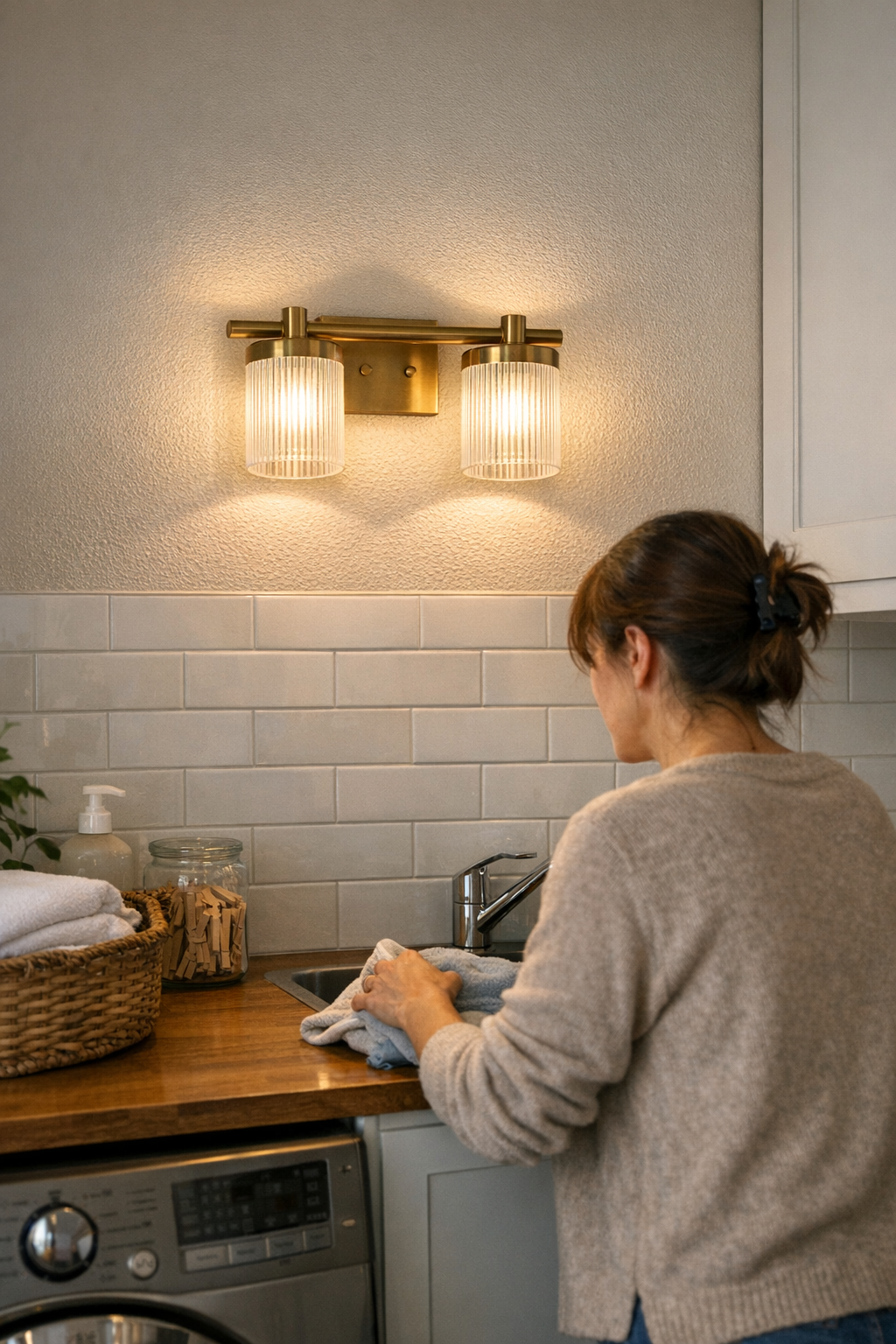
The most common—and costly—lighting mistake in hallways, stairwells, or laundry rooms isn’t the fixture you pick. It’s ignoring whether the electrical box is the right depth for the job. You can install a slim, high-tech, or damp-rated ceiling light and still end up with constant trouble: the fixture wobbles every time someone brushes past, leaves a visible gap or harsh shadow along the ceiling, or never sits truly flush. Each day, these flaws turn up in exactly the situations you notice most—navigating stairs at night, pausing by a bathroom mirror, or folding laundry under a light that can’t settle into place. Over time, that friction builds. Rooms stop feeling reliable. A space looks updated but doesn’t work any better.
Where Box Depth Surfaces in Daily Lighting Friction
It’s rarely obvious on day one. Maybe you install a clean-lined flush mount above the hallway or at a bath vanity. The brightness is better, but soon the fixture reveals a faint shadow perimeter—or an off-kilter rim where it should meet the ceiling. The supposed “upgrade” flickers with a sliver of movement, or the seams feel exposed every time a door slams or someone dusts. Instead of blended, the fixture broadcasts every small mismatch, and the interruption repeats every time the space is used.
Shallow or crowded boxes are more than a visual issue. Wiring gets tight, leading to strain each time you adjust or clean. Mounting hardware that’s supposed to remain hidden starts protruding below sightlines. When a room is meant for quick, repeated tasks—stairs, entries, vanities—those visual and structural tensions never go away. Shadow bands, uneven edges, or off-center placements are not oddities; they’re constant reminders that the install wasn’t matched to the structure behind it.
Repeated Use Reveals the Weak Spots
What starts as a “minor” annoyance keeps surfacing, because real lighting success is measured in how the room gets used again and again:
- Stairwells: A loose fixture throws halos onto the steps, distracting you the instant you pause at a landing and leaving dark spots in exactly the places softer light is needed for safety.
- Bathroom vanities or mirrors: Shadow lines split your reflection, forcing you to shift side-to-side just to avoid glare or get even face light. Every close look highlights the imbalance.
- Laundry counters and work surfaces: An unevenly anchored fixture cuts off the countertop’s edge in shadow, making it easy to misplace items or miss a spill during chores.
- Corridors and entryways: Lights that won’t sit flush create glare patches that draw the eye away from the movement path, often making one side of a hallway bright and the other distracting or dim.
Each time you adjust a bulb or clean around the fixture, you feel the compromise. Wires pinch tighter, mounts flex under light pressure, and those same awkward shadows or exposed screws resurface. Annoyance becomes routine, especially in spots built for quick movement and clear, usable light. Repeated use keeps revealing what the install missed.
The Gap Between Appearance and Use
Lighting catalogs rarely show what actually happens when a low-profile fixture meets the wrong box–not until you live with it. That supposed “invisible” mount only works when the depth behind the ceiling or wall lines up with the fixture’s needs. Go too shallow and you get tilted lenses, seams at the ceiling, and cold light leaking across the wrong surfaces. Even in spaces that look brightly lit, feet or faces fall into shadow. Harsh edges and off-angle glare creep in, showing that a bright result isn’t always a usable one.
Imagine a hallway that’s technically illuminated but still shrouds each step in shadow—or a bathroom mirror that seems perfect until you lean in to shave or check details and find the light slicing your reflection in half. The letdown isn’t a style flaw; it’s a structural mismatch that surfaces with every routine.
A Real-World Fix: Changing the Box, Not Just the Fixture
Take a laundry area plagued by the problem. An ultra-slim LED, picked for its low profile and modern look, never sealed flat above the counter. Every time someone stacked shirts or cleaned the surface, the light wobbled—an exposed gap let in dust, wiring felt cramped behind, and uneven shadows carved lines across the tile. After weeks, the room felt makeshift, no matter how new the light looked.
Replacing the shallow box with a deeper one changed everything. Suddenly, the fixture locked tightly in place, hiding every seam. Wires lay safely with room to breathe, and the entire counter was washed in steady, even light—no more dim edges or stark glare. That swap didn’t merely tidy up loose hardware; it removed a daily annoyance, turning a high-traffic work zone into a space that finally functioned as intended. Every movement felt steady, every task stayed visible, and the difference was clear every time the light clicked on.
Catching Box-Depth Trouble Before It Starts
How do you keep the problem from repeating in your next install? First, measure the box depth before choosing a fixture. Most standard ceiling or wall boxes are about 1.5 inches deep, but plenty—especially older or utility-room boxes—can be shallower. Always compare this directly to the manufacturer’s requirements. Warning signs aren’t subtle: if wires feel pinched, mounting brackets peek from under the fixture, or light leaks from unintended gaps, box depth is likely at fault.
Signs You Need a Deeper Box
- Fixture rocks, shifts, or refuses to sit flush even after remounting
- Persistent shadow bands or glare lines surround the light
- Wires feel tight or exposed with each adjustment or cleaning
- Mounting hardware becomes visible around the fixture base
These aren’t cosmetic details—they’re persistent obstacles. An ill-matched box turns daily routines into a series of minor corrections: shifting to avoid glare, squinting at shadowed counters, noticing uncovered screws. Letting these add up means the room works against you, not for you.
What To Do If Your Box Depth Isn’t Right
If you have broad access—unfinished ceilings or utility rooms—a practiced DIYer can sometimes swap a box themselves. For anything else, especially behind drywall, tile, or tricky wiring, call an electrician. Safety and long-term reliability trump saving a few minutes. Upgrading to a deeper box isn’t just about code; it guarantees that your upgraded fixture will sit solid, wires will stay protected, and the lighting will serve you as intended for years of repeated use.
Practical Tip: Always Double-Check Before You Buy
Don’t judge by appearance or spec alone. Before you add new ceiling lights to busy spaces—hallways, over stairs, vanities, laundry counters—spend two minutes checking how deep your box is and whether wiring can fit easily. That simple check is the difference between “quick upgrade” and months of nagging imbalance, shadow, and unnecessary strain every time someone flicks the switch or cleans the lens.
Lighting That Works Where You Need It—Every Day
The best ceiling and wall lights get out of your way—they serve the task, light the path, and vanish into daily routine. Box depth isn’t glamorous, but it’s often the missing link between lighting that just looks good and lighting that quietly performs. Especially where movement, visibility, and safe routines matter, don’t settle for a bright fixture that interrupts itself. Structure matters. Match what’s behind the surface to what your space demands, and let your lighting finally feel finished, not just newly installed.