
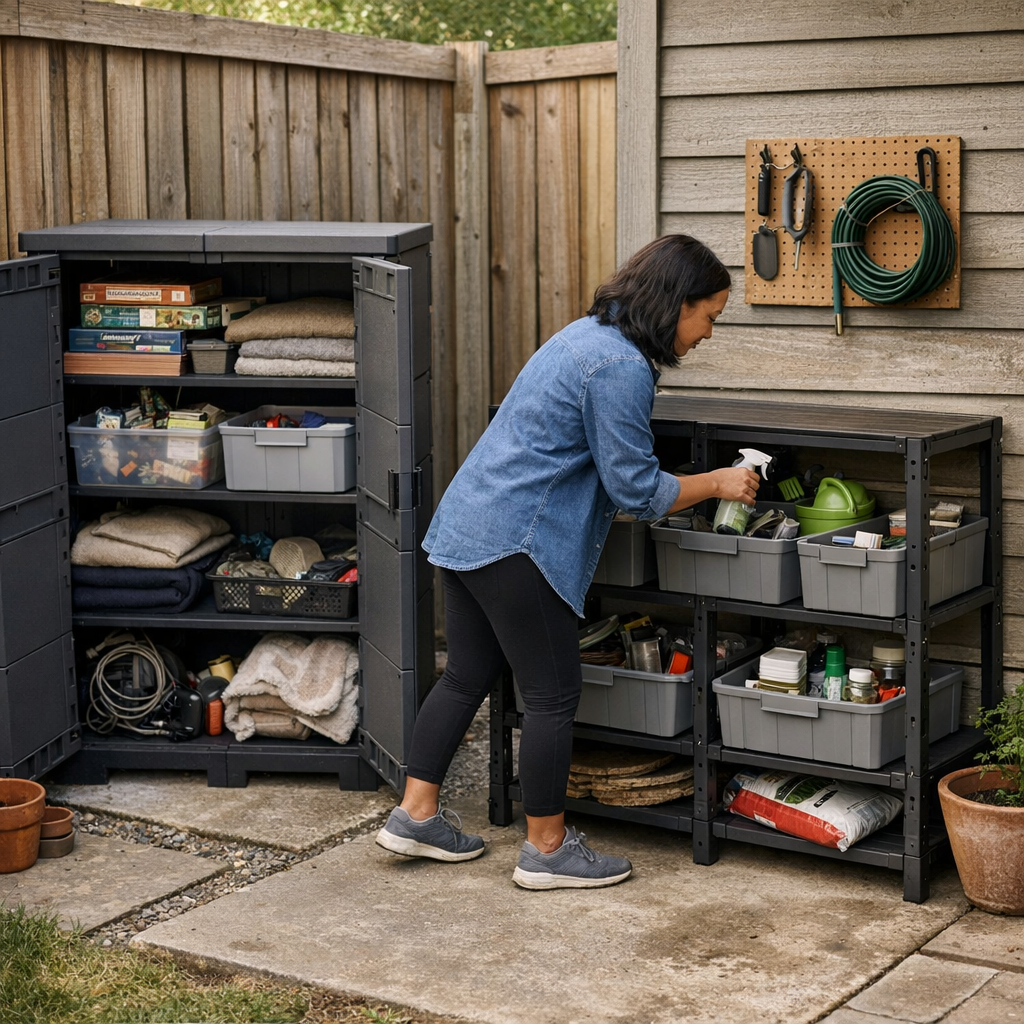
No living room stays truly organized if the storage layout falls apart under daily use. Too often, what looks like tidy order on Sunday quietly unravels by Wednesday: you open a cabinet to grab the remote, but end up rooting past chargers, board games, crumpled mail, and tangled cords just to reach it. Storage that wins on style—or even feels generous at first—still fails if it can’t keep up with repeated retrievals, quick returns, or actual routines shared by everyone in the room. The moment you’re forced to set something “just for now” on top of an out-of-place pile, you know the system’s weak spot is exposed. Rarely is the problem visible at a glance. Instead, it builds underneath: hidden clutter, slow resets, and the creeping feeling that the storage is working against you, not for you.
The Calm Room Test: Where Nice Storage Fails Under Pressure
Nearly every living room hits a breaking point—usually not in a big mess, but through ordinary tasks. You reach for the backup remote and knock over two stacks inside a deep cabinet. You return a charger, but the right compartment is already crowded, so into the nearest empty space it goes. Each shuffling detour is minor but accumulates, revealing storage that’s not truly mapped to real use. A room can stay “for show” until routines hit friction: categories blending, items being left out, and “reset fatigue” building every time you delay tidying because putting things back has become uncertain, crowded, or tedious.
Inside Storage: Why Structure Matters More Than Looks
Cabinets and sideboards often promise calm just by hiding everything—until the doors open. Adjustable shelves, deep drawers, or broad surfaces become traps if their inside logic doesn’t match what actually needs to happen each day. Depth alone creates risk: a single shelf line turns into an unsorted pile, and every deep bin becomes a mixed catch-all by week’s end. Suddenly, you’re moving games just to reach mail, or unearthing last winter’s scarf just to return kitchen batteries. What matters isn’t the appearance, but whether the structure directs or diffuses daily flow. The real test always comes after several cycles: is retrieval still obvious and reset still quick? If not, tension builds and frustration replaces clarity.
Sideboards vs. Cabinets: What Actually Endures Daily Use?
Picture twin living rooms—same floor space, both with a sideboard and a storage cabinet. Surfaces shine on day one, but as routines cycle, differences emerge:
- Cabinet reality: Deep shelves, fading categories. By midweek, off-season linens touch board game boxes, and searching for a game controller means moving placemats and balancing an odd pile of spare chargers. Open a door, and the bottom shelf’s contents threaten to spill or block movement. Retrieval slows. Items are often put back “later”—which then means never.
- Sideboard reality: Clear, shallower compartments. Each zone is defined: tech gear here, daily mail there, board games above, backup chargers below. Someone grabs a charger: nothing else needs shifting, and the return path is obvious. Reset becomes quick, almost reflexive. Items left out find their way home because their zone is clear and accessible—no guesswork, no pile-up, no delay.
To a visitor, both rooms still look tidy, but in actual use, the sideboard silently resists chaos. Surfaces stay open, walkways stay clear, and evenings end with fewer abandoned items on display. The cabinet might “contain” clutter, but only by hiding slowdowns behind its doors. Overlooked problems—like blocked access, slower routines, and missed sorting—all tell you the structure is losing the daily contest.
The Pile-Up Pattern: How Category Drift Begins
Most living rooms get messy not all at once, but as small mismatches build. A shelf becomes the “anything goes” zone. Someone stacks sketchbooks on chargers because the right spot is buried. A guest leaves remotes out because it isn’t clear where they belong. Suddenly, walking through the room means skirting overflows: you edge past a tightened walkway, nudge aside a side table that blocks a door, or leave one basket open because closing it means dealing with everything shifted inside. What began as a small pile turns into category drift—zones meant for one kind of item slowly absorbing every stray object within reach.
The friction builds quietly: every time you shuffle more than one thing to return an item, the system is signaling trouble. More energy spent searching, more things abandoned “just for now,” and resets slow down. Eventually, surface clutter emerges and the setup that once looked calm becomes a daily obstacle course.
Better Storage Logic: Dividers and Visual Cues That Actually Work
Sometimes, a tiny structural nudge fixes what a full reorganization can’t. Add a shallow divider—or carve out fixed zones with trays or bins—inside a cabinet. Suddenly, the “dump drawer” nature dissolves. The whole mood of the room changes in under 10 minutes of work:
- Chargers and remotes find their own zone, no longer crowding napkin storage or piling up in whatever cubby is empty.
- Everyone in the room can return items correctly first time—even guests—because each compartment broadcasts its purpose in shape, not just intention.
- Resets shrink: you reach for an item and replace it in one step, rather than digging around or rebalancing a precarious stack.
But if within days you spot the same unrelated items wandering back, that’s your cue: the existing zones need further adjustment, not just another tidy-up session. Usually, a brief monthly review is enough—as long as compartments are visible and shallow, not deep and undifferentiated.
Signs Your Storage Isn’t Working—And How to Fix It
- You regularly shuffle three or more things just to reach one item.
- Items languish on surfaces “just for now” but don’t make it back to their spot.
- Overflow builds in the same zones—edges, tops, or floor clusters—even though cabinets or drawers have space.
- Doors or drawers snag, walkways tighten, or you avoid opening a section because the footprint is too awkward.
When these warning signs show up, don’t just declutter. Rethink the flow: often a new divider or a swap from cabinet to sideboard, or vice versa, solves more than endless re-sorting. The best setup fits the way you actually live—the rhythm of retrieval, the speed of resets, and the reality of shared, changing use—not just the “after” photo once you’ve tidied up.
Calm Spaces Are Sustained by Everyday Compatibility
Lasting order in a living room depends on storage that’s friction-proofed for repeat, shared use—not just organized once. A well-zoned sideboard or a restructured cabinet doesn’t just mask mess—it slows category drift, shrinks reset times, and lets anyone return items in seconds, not with second guesses. Next time you’re choosing between sideboard or cabinet, make your decision on the shape and logic inside—whether the structure fits the daily pressure points of your space. What settles the room is not the look but the logic under the surface, built for the way you’ll use it all week—not just the way it photographs on day one.