
Order that needs constant fixing is no order at all. Set up a hallway, closet, or bedroom corner with neat stacked drawers or modular bins and, at first, everything feels crisp. Shoes lined by the door. Toiletries in their cubby. Chargers in one tidy compartment. But it only takes a few days—and a few rushed searches or careless returns—before the weakness appears. Drawers lean, stacks slip, and suddenly the system that promised order starts multiplying sorting and retrieval work.
Where the Setup Breaks Down: The Reality Check of Daily Use
Most storage setups look strong right after install: drawers aligned, stacks tight, categories separated. But repeat use exposes cracks fast. Hallways gather stray shoes and bags. Closets swallow everything from winter hats to stray tech. It takes one overstuffed bin or misaligned drawer and suddenly, basic actions—like grabbing a towel or finding a charger—require detours, jams, or digging through mixups at the bottom. What should streamline busy mornings now blocks your path or slows you while you restack or re-sort drawers for the third time this week.
The pain isn’t just visual. Category drift is daily: device cords wind up in the sock pile; folded linens inherit last-minute clutter. The floor unit that seemed clever now crowds your exit path or blocks a door. The setup “holds” your stuff, but the price is silent friction on every return and retrieval. What’s meant to help you move smoothly ends up forcing slowdowns or extra resets, especially when more than one person uses the same zone.
Stacked Drawer Units: Fast Setup, Fragile Order
Stacked drawers only thrive when no one disturbs them. At move-in or in solo spaces, there’s a drawer for every need: scarves, chargers, tools, undisturbed and neat. But daily routine quickly undoes this:
- Drawers pulled halfway or returned just off-track start to skew the tower—one error throws every level above and below out of line.
- Heavy or overfilled drawers lean or bow, risking a full collapse or tilting stacked units.
- Anything buried at the bottom means unstacking half the system just to retrieve one item, disrupting order up and down the tower.
- Different users, different habits: no two returns land the same, and shared spaces show entropy faster than any single-user setup.
The cycle recurs: stacks drift, order softens, and what started as “organized” becomes another time sink, calling for regular overhaul just to stay functional.
Anchored Modular Frames: Trading Flexibility for Usable Stability
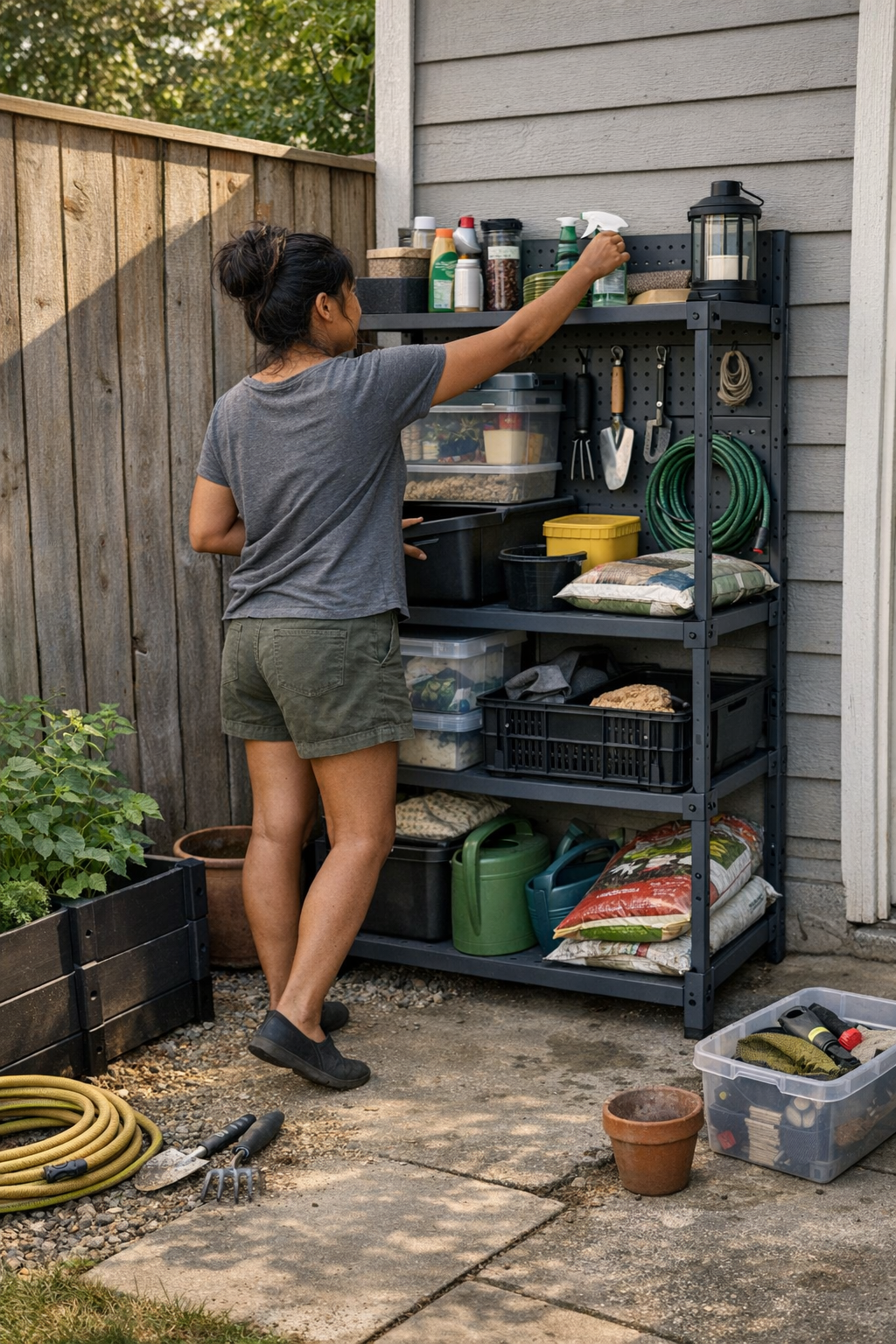
Anchored modular frames change the entire equation. Instead of balancing loose towers, every drawer or bin sits inside a fixed rail, wall slot, or mounted grid. That structural anchor makes visible difference over weeks of real use:
- Rushed drawer pulls or careless slams no longer knock the whole system sideways. Each unit’s path is fixed within the frame, not able to wander into blocked positions.
- Category boundaries hold: files don’t migrate into towels, chargers don’t tangle with socks—even under careless returns or shared hands.
- The footprint never creeps forward or to the side; movement stays clear, access paths open, and resets are faster because items stay where they belong.
- The frame itself takes the impact of daily churn, keeping the system readable and usable even as habits fray or users change.
If you want to rearrange constantly, fixed frames push back—swapping layouts isn’t instant. But for most high-traffic zones and shared rooms, clarity and consistent retrieval outweighs the lost flexibility. You regain flow: less fixing, more direct access, fewer slowdowns midweek.
Small Frictions, Big Delays: Common Scenes in Shared Spaces
- Double grabs for the same item—try drawer one, find it’s shifted, now drawer two blocks you, and morning routines burn extra minutes.
- Three drawers pulled before socks appear—all because stacks slipped, and now everything needs reordering just to reach basic items.
- Wall fixtures that promise “space saved” but instead force awkward side steps or overreaching, as bins migrate outwards under repeated use.
- Bare floor corners transition into dumping grounds, absorbing overflow from every system failure and stretching out the time needed to reset each week’s mess.
- By midweek, it’s obvious: the more time you spend “maintaining order,” the less the zone helps you move or live in it.
One Simple Tip: Prep for Your Own Pace
Do this after your next reset: Mark the calendar for four days out. If you’re already restacking or reshuffling, or just subtly annoyed at drift and misplaced items, your setup is misaligned with your real daily pattern. Any system that demands correction that quickly is adding friction, not removing it.
Seeing the Difference: From Correction to Calm
What stands out after a month isn’t the look—it’s whether you can grab, return, and continue, no matter how imperfectly you and others use the space. Anchored frames win here: categories hold, drawers move cleanly, resets shrink to seconds, and you stop spending time realigning storage pieces just to keep things accessible. Multi-user setups breathe easier: you can pull a drawer while someone else grabs a nearby shelf, assign specific drawers with confidence, and trust that thresholds and paths stay open, not choked by creeping bins or unstable towers.
The sound of “organization” becomes background—not another chore looming at the week’s end, but a system that absorbs daily disorder and quietly resets on its own terms.
When Setups Become Another Chore
If you catch yourself untangling, restacking, or re-sorting more than once a week, it’s a signal: the storage itself is now running your routine, not supporting it. Invisible wasted effort—the time spent fixing, nudging drawers back into place, or tracking down overflow—add up, making every morning or night a little more aggravating. A system that keeps its shape through shared use, carelessness, and the usual churn shrinks this silent workload: you get back clear paths, easy retrieval, and less forced reset, whether you’re hurrying to work or winding down for bed.
Choosing What Fits: A Setup That Stays Accessible
The right storage won’t just survive setup day—it will endure the chaos of real life, holding its structure even when days turn chaotic or hands change between uses. If you’re living with ongoing category blending, chronic restack needs, or a storage zone that crowds your routines instead of easing them, an anchored, modular frame can mean the difference between functional space and just another zone to fix. The calm isn’t cosmetic—it’s built into the daily, repeated flow that matters most.
See more practical modular frames and anchored storage solutions at Gridry.