
That entryway bench looks sorted—until it isn’t. You set one up to keep bags and coats off the floor, but within days, the illusion cracks: the lid is blocked by junk mail, backpacks, and a tangle of jackets. Swapping shoes becomes a shuffle. Family members, aiming for speed, toss their gear wherever there’s space—often right on top of the bench or straight onto the floor beside it. The so-called “landing zone” turns into a slow-motion pileup, and the very system meant to anchor your entryway ends up ignored, its surface crowded and its storage hidden behind a barrier you rarely bother to clear. The problem isn’t lack of effort. It’s a storage setup that mismatches the way people actually move in and out of the house.
When “Storage” Collides with Real Movement
Every week brings the same pinch. You reach for your bag, but it’s buried under outerwear or wedged behind a heaped shoe pile. That storage bench, meant to streamline entry and exit, becomes yet another obstacle. Resetting the space—clearing the top, restoring order—slowly turns into a recurring project rather than a quick habit. By midweek, the floor is scattered again, “order” has drifted, and every retrieval asks for extra steps. The bench may be substantial, but it isn’t working with your movements; it’s slowing them down.
Closed Benches: Why the Surface Always Fills Up
Closed-lid benches promise instant order and a clean top. But inside access relies on a routine few actually follow. In daily use, the flat lid becomes a target for drop-offs—a school bag, today’s grocery tote, whatever didn’t make it to its real home. Need to retrieve something stored inside? You first clear the surface or juggle bags in one hand while opening the lid with the other. That tiny friction adds up: bags and coats return to the floor, and the “hidden” storage is hidden in the sense that it’s too much work to access routinely. What’s left is a bench that looks organized only before breakfast—then becomes a bottleneck for everyone.
Open Cubby Benches: Every Bag Visible, Every Move Quicker
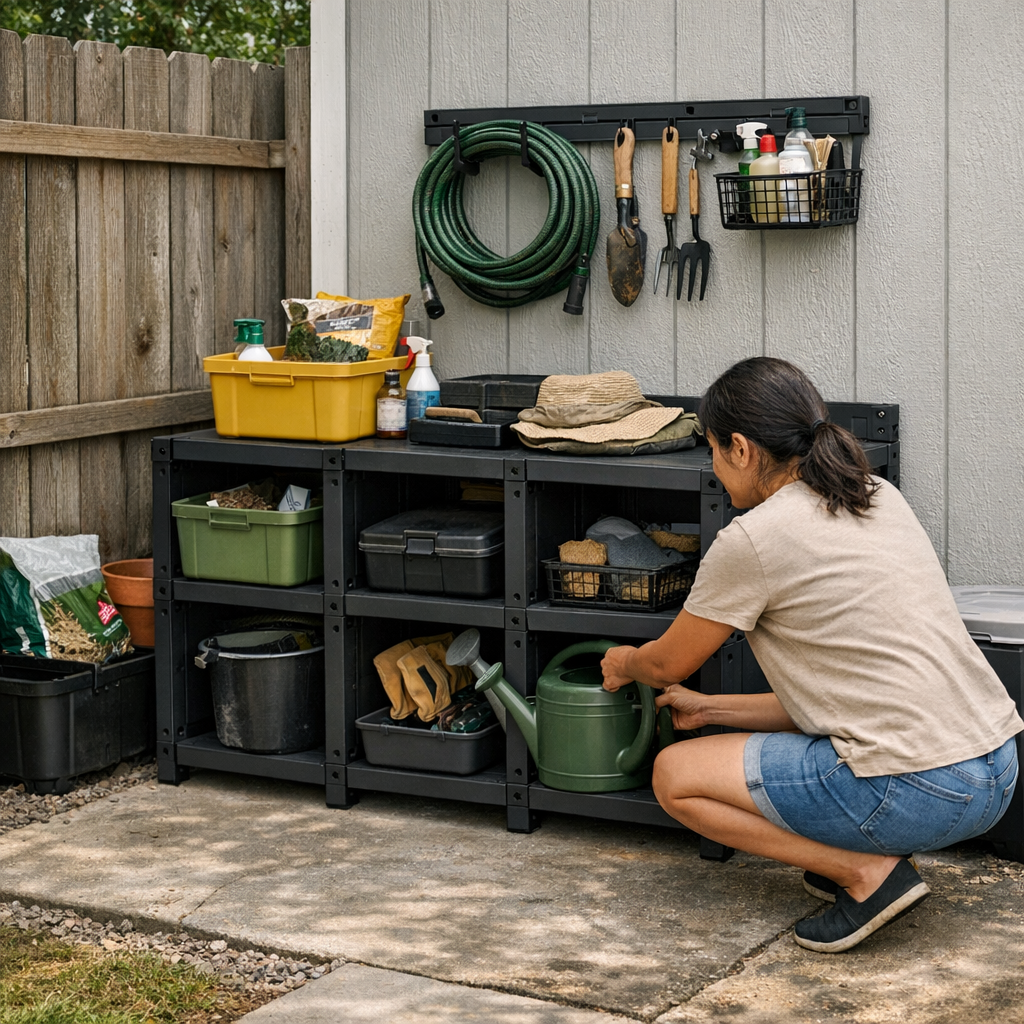
Contrast that with open cubby benches. Each item has a clear slot—nothing sits on the lid, because there isn’t one. The exposed structure may sacrifice a little polish, but it delivers on everyday usability: step in, drop a bag in its cubby, slide shoes in below, and move on. There’s no confusion over where things go, and nothing blocks quick retrieval during peak hours. Even more, the presence of open slots discourages random stack-ups; school bags land in a defined place, not wherever there’s room. The “reset” becomes automatic—each return is just another step in the flow, not a separate chore.
The friction vanishes: grab-and-go takes one step, not two or three. Reclaiming the baseline order isn’t a weekday project; it’s embedded in the way the space is used, so there’s nothing extra to maintain mid-chaos.
Real Costs of a Mismatched Setup: Slowdowns, Overflow, and Clogged Paths
Multiply this across a household, and the effect compounds. Mornings turn into small traffic jams: someone’s duffel is half-blocking the bench, another’s basketball leaves only a corner for seating, and to get your own things you displace a small avalanche or sidestep into the hall. Blocked access means lines form, people dodge around each other, and overflow migrates—first to the nearest open patch, then to secondary “temporary” drop zones down the corridor. Instead of solving clutter, the wrong bench scatters it further and erodes the entryway’s role as a usable hub.
What Actually Keeps an Entryway Bench Working?
The only systems that outlast the first few days are those that align directly with lived patterns. Benches with divided open cubbies for each person or bag keep flow visible and eliminate the need to “clear the lid.” No hidden layers means no one wastes time searching or re-stacking. Unlike a closed box, cubby layouts reinforce where things go—making it harder for rogue items to land off-target. Retrieval and return become the same simple motion, and the habit sticks because it matches what’s already happening. When categories blur and floor space fills up again, it’s a clear sign the structure—or the placement—is out of sync.
A flat lid, on the other hand, always demands discipline: surfaces attract stuff, categories blend, and resets start taking longer. In most homes, visible cubbies win not just on accessibility, but on staying power during rushes, resets, and everything in between.
Placement: Where Setup Fails Even When the Bench is Right
Even the best design loses impact if the bench itself is trapped behind a swing door, wedged into a wall corner, or sitting where laundry baskets and pet beds choke off the main access path. For friction-free use, the entry bench must line up with the natural route from door to room—so each slot is easily reachable, no awkward side-stepping required. If a rug buckles underfoot or a side table always gets in the way, they become silent friction points. Often, the fix is moving a single piece or clearing a walkthrough, not buying something new. Because if using the bench isn’t easier than the next-nearest floor patch, it will just be ignored.
Practical Use: Track Your Routine, Not Your Plan
Start by watching: after the first week, is the bench filling as you imagined, or is overflow piling up in new places? Are you reaching twice for the same bag, or sidestepping obstacles that “shouldn’t” be there? A storage setup that nudges people to invent workarounds is already giving you feedback on what needs to change—ignore that, and you’re only buying time before chaos resets itself. The real test isn’t how it looks on day one, but what happens after repeated school runs, grocery loads, and weekend dumps. Fix what fails in use, not on paper.
Beyond “Looks Organized”: Storage That Actually Supports the Rush
You can see the difference in a lived-in entryway:
- No wasted seconds fishing for bags under extra layers.
- One-step grab-and-go access, even with everyone moving at once.
- Resets that finish themselves, not projects you put off.
- Floor stays clear because the system absorbs returns at speed.
- No more lost gear under lids or behind a pile of “temporary” items.
That happens when the bench, zones, and traffic paths match the reality—not the ideal—of daily use. Most households get further with open cubby benches because they keep anchor categories visible, speed up return flows, and absorb movement instead of slowing it. The proof isn’t in the first photo, it’s in the second or third week: less spillover, fewer blocked steps, and an area that holds its shape under real pressure. If you want an entryway storage system that actually keeps up, build for the motions you repeat, not just the appearance you set at the start.