
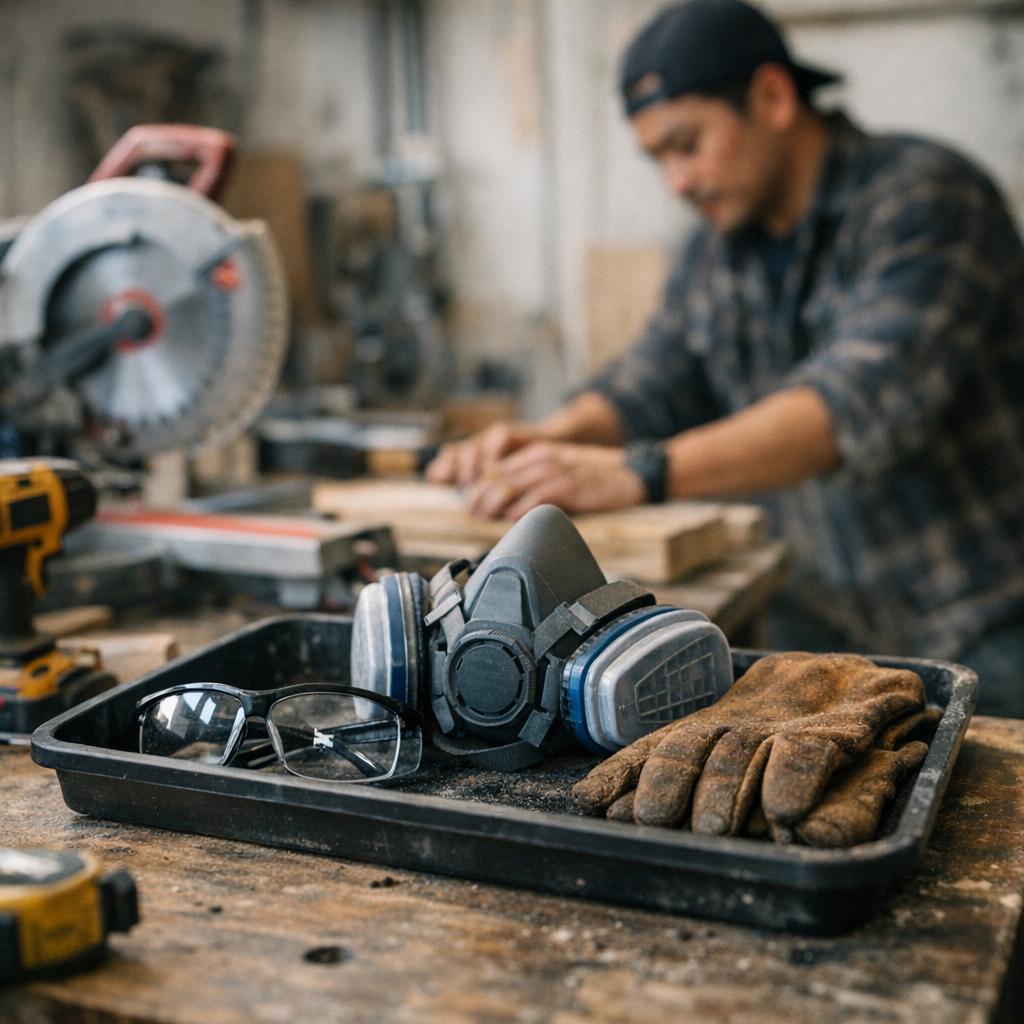
There’s a familiar silence in the workshop just before the day’s first cut or carve. The tools lie still, the benches are uncluttered, and for a fleeting moment, the urge to dive straight in feels irresistible. Whether it’s the pressure of a looming deadline or the repetitive nature of the task, the temptation to bypass the initial steps never fades. Yet, experience shows us that the most costly mistakes—and injuries—rarely happen mid-project. They happen right at the start, during those hurried setups we often skip.
Why the Beginning Matters Most
Statistics and injury reports from workshops nationwide tell a consistent story: severe accidents are rarely caused by sudden tool failures or freak accidents. Instead, most incidents trace back to simple oversights and hurried habits. Missing safety glasses, forgotten dust masks, or turning on a saw before securing the material properly—these are common, preventable scenarios.
The problem often begins with a mental shift. When we’re running late or stressed, our mind races ahead, eager to complete the task. This impatience is more than just a feeling—it affects our body’s posture, decision-making, and attention to detail. Gloves don’t make it onto hands, hearing protection stays tucked away, and critical safety checks become an afterthought. The result? A small misstep with potentially serious consequences.
Real-World Consequences of Skipping Setup
Imagine a carpenter rushing to catch up after being delayed. He powers up a router before fastening the wood securely. The piece kicks back unexpectedly; a slip occurs, turning a small mishap into a medical emergency. Hours are lost, pain is endured, and the setback is much larger than the initial delay ever was. This scenario plays out far too often, underscoring a simple truth: No haste is worth compromising safety.
It’s also worth noting that “setup” isn’t just mechanical. It’s equally psychological—how you prepare, position yourself, and ready your mindset before the first cut. When you take time to move slowly and mindfully through this phase, you avoid rushing and the errors it invites.
Turning Safety Into Habit Through Ritual
Safety equipment like glasses, gloves, and respirators are only effective when used consistently. The key isn’t owning great gear—it’s embedding their use into your routine until it becomes instinct rather than choice. The master craftspeople I’ve observed approach setup almost like a ritual. They check their protective shields, adjust their gloves, and ensure guards are in place long before a tool powers on.
One tactical approach that’s proven its worth is creating a visible, step-by-step setup checklist. Posting it on your workbench or near the machine keeps essential safety actions tangible—not just mental notes that get lost when nerves hit. Steps like verifying hearing protection, confirming goggles’ fit, checking respirator cartridges, and testing safety guards transform safety into a repeatable process.
A Practical Tip: Stage Your Gear Everywhere It Matters
Try this simple yet powerful adjustment: keep your core safety gear right where you use it. Stashing gloves, glasses, and masks on a shelf across the room practically invites you to skip grabbing them. Instead, place a dedicated tray or basket on each workstation, so safety equipment becomes as accessible as your tools. The ease of reaching for gear removes friction and helps turn “putting safety on” into a natural step.
Refresh Your Approach When You Feel the Rush
When you notice impatience creeping in, pause and take a moment to recalibrate. A quick breathing exercise or a brief mental checklist can help—you’re reminding your brain and body to slow down. Restoring this calm helps you slip back into the mindset that makes conscientious setups second nature, not a chore.
This small mental refresh can dramatically reduce those skipped steps. Over time, it becomes a powerful internal cue that balances productivity with safety. The goal is rhythm—a repeating pattern that aligns your physical actions, mindset, and environment.
Real Results From a Small Change
One winter morning, overwhelmed by a packed schedule, I almost started sanding without my respirator. It was stored on a distant shelf, just far enough that rushing pushed me to forgo it. That day I moved the respirator to the workbench itself. Almost immediately, not only did I wear it every time, but my apprentices began following suit—no reminders needed.
Within a week, a friend who heard about this simple shift copied the idea. The reduction in “almost forgot” moments was striking. This anecdote highlights how minor environmental tweaks can translate into meaningful safety improvements.
Final Thoughts: The Lasting Value of Taking Your Time
The majority of shop injuries don’t stem from ignorance. Experienced woodworkers know the dangers—they just sometimes let impatience carry the day. Your best defense is respecting the setup process as the critical foundation for every project.
Before your next task, take a deep breath and survey your bench. Is your safety gear staged and ready? Have you mentally prepared? Those few extra moments spent on setup are priceless compared to the time and pain lost to injuries. Remember: the safest shop is the one where preparation is never rushed.