
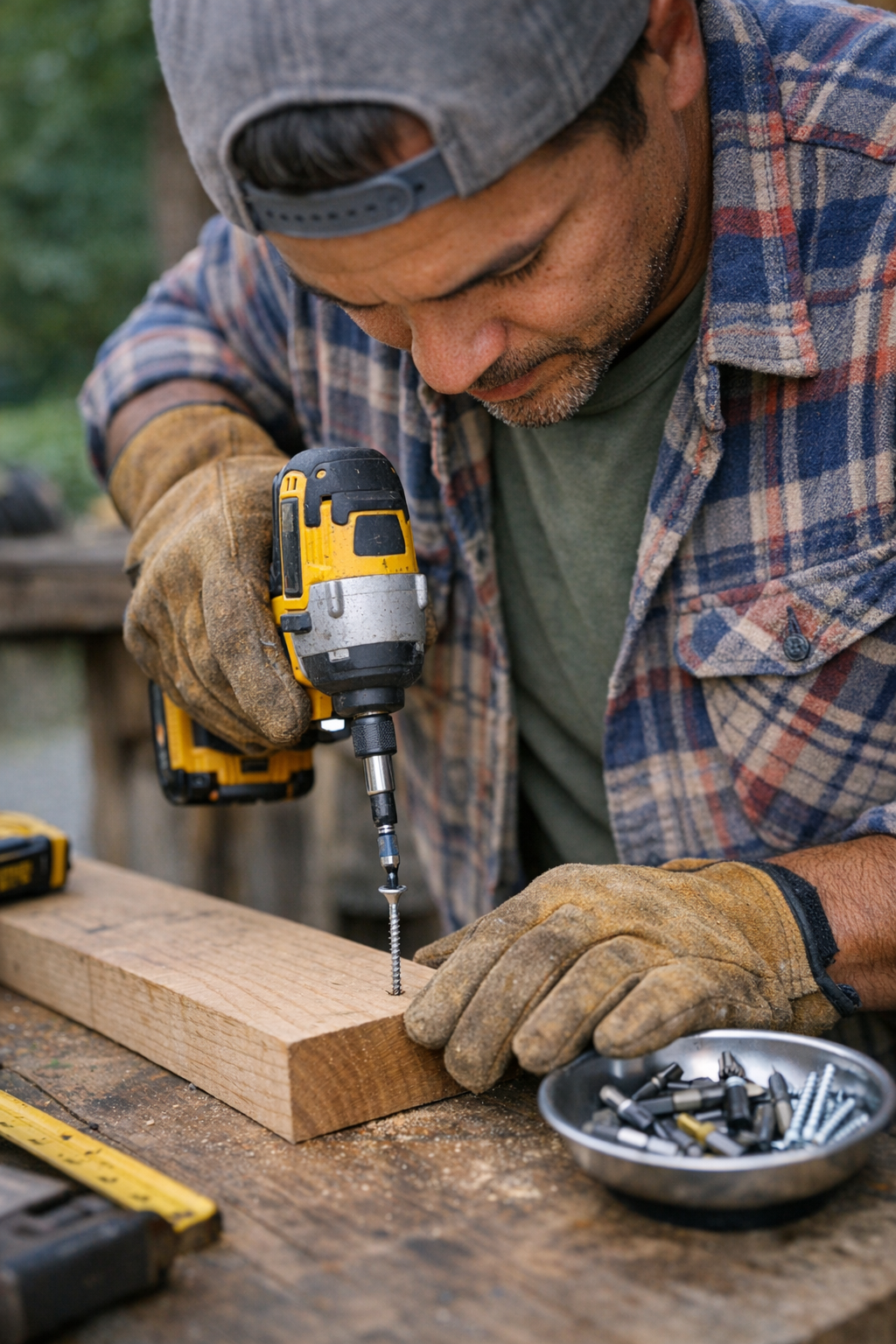
If you’ve ever assembled furniture, built a shed, or tackled home repairs, you’ve probably encountered the frustrating moment when a screw head strips, leaving your bit spinning uselessly inside. Impact drivers are widely celebrated for their ability to make driving screws easier and reduce this very problem. Yet, even with a quality impact driver in hand, stripped screws are an all-too-common nuisance. Why does this happen?
The Promise and Reality of Impact Drivers
Impact drivers revolutionized how we handle screws by delivering bursts of high torque combined with rotational impacts. Unlike conventional drills, they’re designed to drive screws quickly and with less wrist strain. However, many users find that stripped screws still occur, sometimes even more frequently than expected. To truly understand why, it’s essential to look beyond just the tool and examine how the screw, bit, and operator interact.
Common Reasons Screws Strip Even With Impact Drivers
1. Using the Wrong Bit Size or Type
One of the leading causes of screw stripping is a mismatch between the bit and screw head. Even a slight mismatch, like using a #2 Phillips bit on a #1 screw, drastically reduces torque transfer and increases the chances of cam-out, where the bit slips out from the screw’s grooves. Choosing the correct bit type is equally important—Phillips, Torx, square, or Pozidriv each require matching bits to prevent damage.
2. Worn or Damaged Bits
Over time, bits develop rounded or chipped edges that no longer grip screw heads effectively. Even the most powerful impact driver can’t compensate for a dull bit. For durability and performance, it’s advisable to retire bits after roughly 200 to 300 screws, especially when working with tough materials like hardwood or MDF.
3. Driving at the Wrong Angle
Driving screws at an angle rather than perpendicular to the material reduces the bit’s surface contact with the screw head. When your tool is off by more than 10–15 degrees, only a small part of the bit engages the screw, making stripping far more likely. This lateral pressure not only damages the screw but can also bend or shear the shank.
4. Applying Excessive Speed or Torque at the End of the Drive
Impact drivers can deliver torque levels upwards of 125 Newton-meters and have speed ranges that sometimes exceed 3,000 impacts per minute. When the screw is nearly fully seated, continuing at maximum speed or torque can shear the fastener or mushroom its head, ruining both screw and bit.
5. Fatigue and Loss of Focus
After long projects involving repetitive screwing, grip strength and attentiveness tend to wane. This often leads to misalignment or rushing, increasing the chance of stripping, especially near the end of a day or shift.
A Practical Tip: Start Slow and Steady Before Engaging Impact
One simple adjustment can significantly reduce stripped screws: begin each screw drive at a controlled, low speed before engaging the impact function. When starting a screw, set your impact driver’s variable speed trigger to a lower range (roughly 800–1,400 RPM). Apply firm, steady pressure, ensuring the bit seats flush and straight within the screw head before allowing torque to build or the impact mechanism to kick in.
This slow “setting” moment prevents the bit from slipping, reduces pilot hole enlargement, and helps the screw embed itself smoothly. Once the screw threads in without hesitation, you can increase speed and allow the impact driver to finish the job. This approach not only saves screws and bits but also improves overall driving accuracy and reduces wasted time fixing stripped fasteners.
Additional Best Practices to Extend Bit and Screw Life
Use Impact-Rated Quality Bits and Screws
Not all bits and screws are created equal. Select bits made from durable materials like S2 steel with coatings such as black oxide, which resist wear and improve grip. Similarly, use screws rated for impact driving—these often feature harder metals and precise manufacturing tolerances that improve performance. Keeping fresh, high-quality bits on hand in a magnetic tray can make a noticeable difference on any job site.
Maintain Proper Body Position and Control
Beyond the tool and hardware, how you physically position yourself impacts results. Standing directly over the screw with your shoulders squared and supporting your driving hand’s wrist and elbow aids in delivering straight, consistent force. Avoid angling the driver under any significant degree; even small misalignments can lead to premature wear and stripping. Steadiness during the drive often matters more than sheer speed or torque.
Refresh Your Approach: Focus on Intentionality Over Speed
It’s easy to fall into the trap of rushing through screw driving, especially when deadlines loom. Yet, slowing down slightly and adopting a mindful approach can transform your experience and results. Think of the impact driver not just as a tool that brute-forces fasteners into place but as an extension of your hand requiring partnership. When you pause to verify alignment, bit seating, and apply gentle initial pressure before “letting the hammer fall,” the tool works with you instead of against you.
This shift in mindset encourages patience, reduces stress on both hardware and tools, and ultimately leads to better craftsmanship. Plus, it minimizes frustration often caused by having to back out and replace stripped screws.
Conclusion
Despite what you might expect, stripped screws remain a common challenge even when using quality impact drivers. The key to reducing this problem lies in paying attention to detail: use properly sized and fresh bits, drive screws straight and slow at first, and maintain solid body alignment. Managing your tools and technique with care allows the impact driver to shine, boosting efficiency and reducing waste.
Next time you pick up your impact driver, try consciously starting each screw at low speed, checking seating precisely, and then letting the impact mechanism take over. You may find your screws stay intact longer and your bits last through many more projects.