
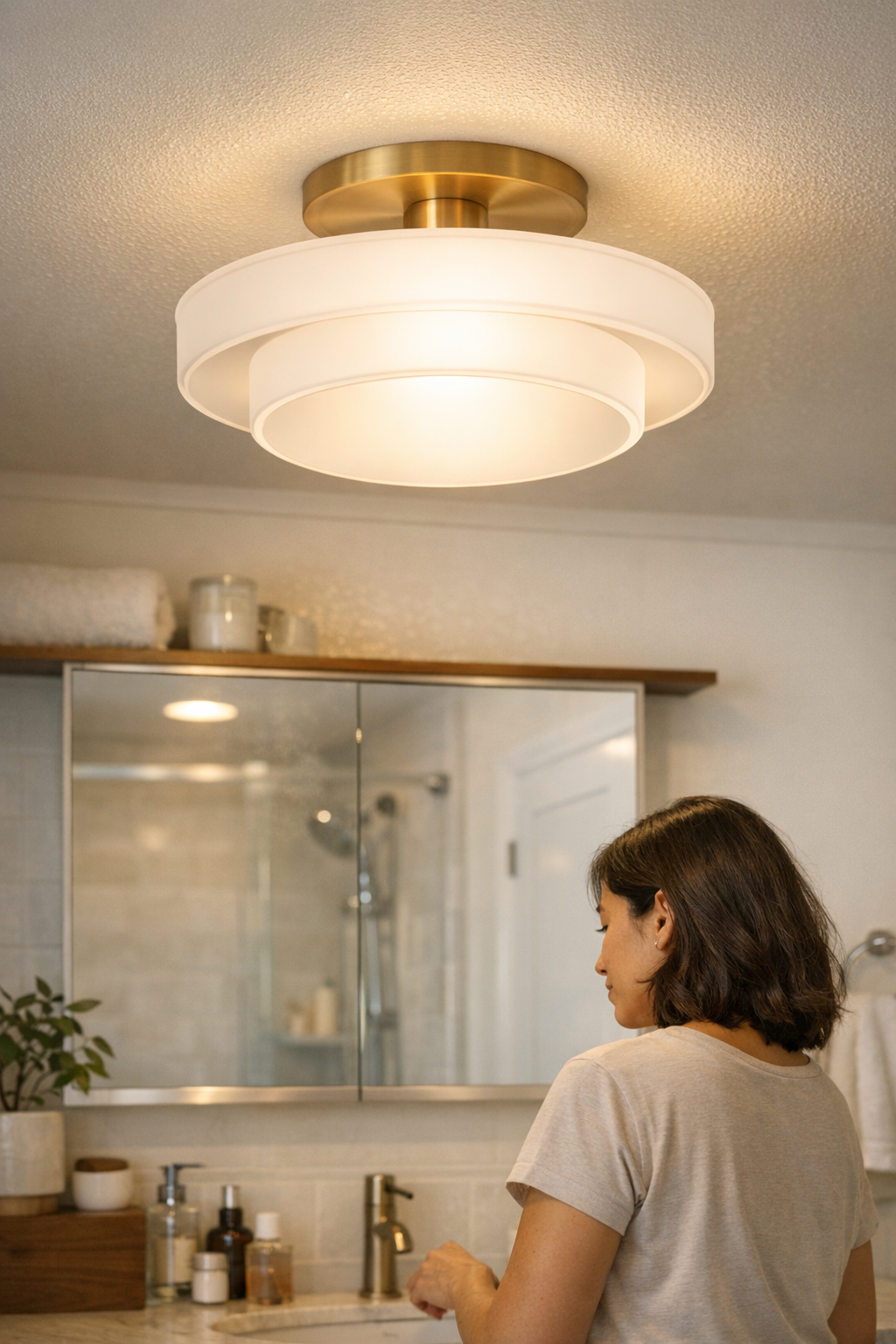
The cost of installing the wrong bathroom light doesn’t hit all at once. Instead, it creeps in—condensation that clouds the lens and comes back a day after wiping, a fainter glow at the edges of the mirror, or that sticky line near a cable entry that won’t scrub clean. Most setups look fine after the first week. But by month two, steam from a quick shower has exposed what general-purpose fixtures hide: they aren’t built for daily humidity. Each day starts with glare, shadow, and the drag of extra cleanup. Behind it all is a problem you can’t spot at installation—the light isn’t rated for what your routine demands.
How Subtle Failures Chip Away at Your Space
Choosing “good enough” lights for a bathroom seems harmless until they’re asked to keep up with actual moisture. Early warning signs aren’t just cosmetic: a flicker after every deep clean, lens plastic turning tacky near the shower zone, or metallic trim losing its crisp outline. Each signals a weakness in the setup, quietly undermining stability, comfort, and how usable your sink, mirror, or shower edge feels in repeated use.
Instead of one bad day, it’s an uphill slide—cleaning gets harder, tiny malfunctions add up, and the routine becomes more about compensating for weak support than just using the room.
Why Fixture Rating Matters in a Humid Routine
Bathrooms force the issue: airborne moisture in one hour matches what most rooms see all day. Only wet- or damp-rated fixtures are sealed against this pressure. They keep steam and splashes out of the housing, protect wiring from slow corrosion, and keep light stable when routines move fast. The signs of an unfit fixture show up fast under real use:
- Condensation and fogging inside the lens that don’t clear after cleaning
- Sticky residue or brown discoloration where cables enter or mounting seams meet tile
- Uneven output—one side dimmer than the other, or a returning flicker that’s blame-shifted to power but traced to moisture inside
Every shortcoming is magnified in small bathrooms with limited airflow. You stop trusting the “clean” appearance in the mirror because the light leaves shadows, and the setup’s reliability slips in ways that aren’t dramatic but wear on comfort every day.
The Split: How Two Similar Fixtures Diverge Over Time
Take two similar-looking ceiling or vanity lights. After installation, both appear spotless. But as steam rolls off the shower and cycles through the vents, differences emerge:
- The generic model’s lens keeps returning to a dull haze after each cleaning, dimming the reflection just enough to notice each night
- Moisture lines trace out from cable exits, forming fine, stubborn tracks over what started glossy and sharp
- Chromed finishes lose their edge; the surface picks up a blur wherever steam condenses and dries, never looking fully clear
The rated fixture (think sealed IP44 or higher) quietly avoids these patterns. Silicone gaskets close off weak points, the interior lens stays transparent, and metal trim resists new stains even after weeks—so routine checks stay quick and nothing shifts you into problem-solving mode. By month four, the “same” fixtures couldn’t feel more different: one demands workaround after workaround, the other just works.
Everyday Routines and the Hidden Cost of Weak Lighting Support
Shared bathrooms multiply problems: staggered showers in the morning, late-night scrambles, and constant bursts of hot steam against every light and cable entry. In real routines, setups face:
- Mid-shave flickers that force a second rinse
- Persistent shadows over the vanity—even after re-cleaning the mirror or moving the brush to a brighter spot
- Cloudy lens sections that ignore every wipe and drag the whole sink zone into a semi-dim funk
Get the right-rated lighting, and suddenly those frictions vanish. Cables disappear into tight seams, no droplets shift the output, and you don’t have to angle yourself to dodge glare or hunt for a “good” patch of light. What’s missing is the extra time spent cleaning, fixing, and making excuses for why a “fresh” setup is already letting you down.
Real Example: Swapping Fixtures for Peace of Mind
Replacing a standard vanity light with a sealed, rated model didn’t feel dramatic the first night. But by the end of the first week, the payoff was blunt: no streaks reappeared, no trims collected sticky runoff, and the lens stayed clear without a single frustrated wipe. Maintenance shrank to a check-in instead of a struggle; the days of tracking down tiny malfunctions were gone.
Small Signs That Signal a Big Lighting Problem
The real warnings usually come before there’s visible rust or electrical failure:
- Lens haze that reappears hours after cleaning
- Random flickering every time hot water fills the air
- Growing stains tracking from cable points or seams that don’t close tightly
Each signal means humidity is winning—breaking into seals, reaching the hardware, and turning small weaknesses into constant annoyances that keep routines feeling “off.”
The True Cost of Overlooking Humidity-Ready Fixtures
Unrated lights wear out more than their outside finish. Once contacts start to corrode and wires degrade, no cleaning fixes the problem. The real cost is ongoing: endless touchups, unreliable performance, and a daily routine that runs on interruptions and workarounds—never quite letting the room feel finished or reliable.
Everyday Comfort Hinges on the Right Setup
If your bathroom is hit with steam and splashes day after day, fixture rating shapes how livable the room stays. Properly rated lights don’t just block rust; they make the space feel easy—cleaning becomes minimal, glare no longer needs a fix, and every surface stays in shape even as moisture finds new angles. The gap grows in months: the wrong light keeps showing you the next thing to clean or diagnose, while the right one quietly disappears into the background—leaving the routine to run smoothly on its own.
If your goal is a low-maintenance, visibly clear, and truly comfortable lighting setup for a humidity-heavy bathroom, start and finish with the fixture’s rating. In steam-prone spaces, the best lights are the ones you hardly think about—because they’re the only part of the room not asking for your attention.