
Understanding the Limits of the Reciprocating Saw
The reciprocating saw, often simply called a recip saw, is a powerhouse tool known for its versatility and aggressive cutting action. It’s a staple on construction sites, in workshops, and many home garages due to its ability to quickly cut through a wide range of materials. However, that very aggressiveness can become a drawback in situations that require precision, delicacy, or care around sensitive components.
Before diving into a project with a recip saw, it’s important to recognize when it’s not the best choice, as using it improperly can lead to damage, poor finish quality, and even safety hazards.
Why the Reciprocating Saw Isn’t Always the Best Choice
Precision Limitations
The reciprocating saw’s rapid back-and-forth motion, complemented by an often orbital blade action and stroke rates up to 3,000 strokes per minute (SPM), makes maintaining a steady, straight cut challenging. Even with fine-toothed blades (14–18 teeth per inch), the blade tends to wander, resulting in splintered edges, rough finishes, and cuts that aren’t straight. Tasks requiring clean, visible lines—like cabinetry, finished trim, or detailed framing—are usually better served with tools designed for finesse.
Risks When Working Near Plumbing and Wiring
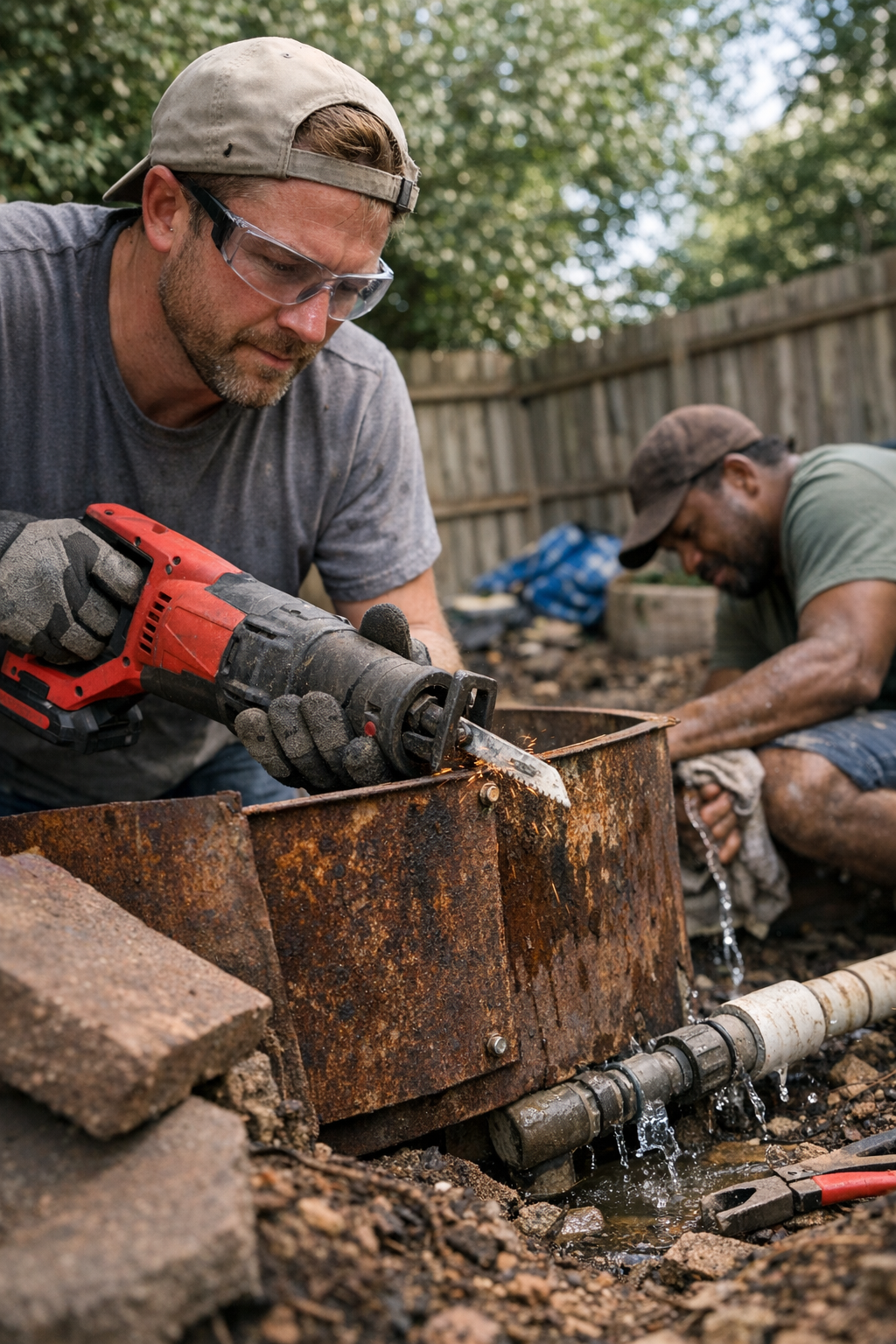
High vibration and the vigorous motion of a recip saw increase the risk of slipping or misalignment. This can be particularly hazardous when working around plumbing, electrical wiring, or finished surfaces that you want to protect. The saw doesn’t differentiate between the intended cut and the infrastructure behind your workpiece, making accidental damage surprisingly easy. I recall a situation removing a rusty metal planter where the blade slipped and nicked a water pipe, resulting in an unexpected flood that required immediate attention.
Handling Thin or Fragile Materials
Materials such as sheet metal, vinyl siding, and thin plastics react poorly to the reciprocating saw’s vibration. Instead of a clean cut, these materials tend to vibrate, flex, or distort during cutting, often leaving jagged, dented, or malformed edges. Using the wrong blade—such as a coarse 6 TPI demolition blade—can exacerbate this effect. In such cases, hand tools like tin snips or oscillating tools offer better control and cleaner cuts.
Fatigue and Heat Build-Up in Long Cuts
For extended cuts in plywood or drywall, a recip saw can be exhausting to manage. Its weight and vibration lead to operator fatigue, which in turn increases the chance of mistakes and uneven cuts. Additionally, prolonged cutting causes blades to heat up quickly. Overheated blades lose sharpness, sometimes develop blue discoloration from heat, and can scorch or warp the edges of your material, necessitating extra sanding or repair work after the cut.
Making Smarter Tool Choices
It’s tempting to reach for the recip saw as a one-size-fits-all solution, especially when demolition is involved. But thoughtful tool selection not only improves the quality of your work but also saves time and reduces cleanup and repairs.
Tools to Consider Before the Reciprocating Saw
- Handsaws or Coping Saws: Ideal for detailed, quiet work with minimal kerf and vibration, especially in tight spots or when you need accuracy.
- Jig Saws: Equipped with 10–20 TPI blades, these provide tight turns and better control on thin materials—great for plunge cuts and flush finishing near trim or finished surfaces.
- Oscillating Multi-Tools: Excellent for plunge cuts, small areas, and work near delicate materials without causing vibration or tear-out.
- Tin Snips and Bolt Cutters: Best for cutting thin metals and fasteners quickly and cleanly without sparks or heavy vibration.
- Circular Saws: Produce straight, clean cuts in plywood or framing lumber and reduce the need for sanding post-cut.
A Real-World Refinement Tip
Before starting demolition or removal with a reciprocating saw, take a moment to prepare your workspace carefully. Score drywall edges with a utility knife before cutting with the saw to limit tear-out, and always clear or shield nearby plumbing or electrical fixtures. Clamping down surrounding materials and placing a scrap piece of wood behind the cut line can prevent accidental damage and keep your cuts cleaner. This small step dramatically reduces surprise repairs and keeps your job site safer.
Balancing Speed and Control in Demolition and Renovation
Recip saws excel at rough demolition or removing stubborn framing members where precision is less critical. But even in demolition scenarios, adding a bit of preparation pays dividends.
For example, when removing old window frames, scoring and exposing edges carefully prevents the saw from tearing a wall apart. The additional few minutes upfront save hours of repair and patching work afterward. Respecting the saw’s power and limitations means you get faster, cleaner results and less frustration overall.
Key Takeaways for Using Reciprocating Saws Wisely
- Use the recip saw for what it’s best at: rough cuts, demolition, and tasks where precision isn’t vital.
- Think twice before cutting near sensitive infrastructure: take extra steps to protect plumbing, wiring, and finished surfaces.
- Choose the right blade for the material and cut: fine-tooth bi-metal blades for metal, and avoid demolition blades on thin or delicate materials.
- Prepare your cut thoughtfully: score edges, support the material, and clear the area to reduce vibration and damage.
- Know when to switch to a different tool: jig saws, oscillating tools, handsaws, and snips can all outperform recips in accuracy, control, and finish quality.
By pausing and assessing the task before powering up the reciprocating saw, you can avoid unnecessary damage, improve your overall results, and save time cleaning up or making repairs. The tool’s brute strength is undeniable, but it should be matched with care and respect for the complexity of your project.