
Setting Off: The Quiet Ritual Before Departure
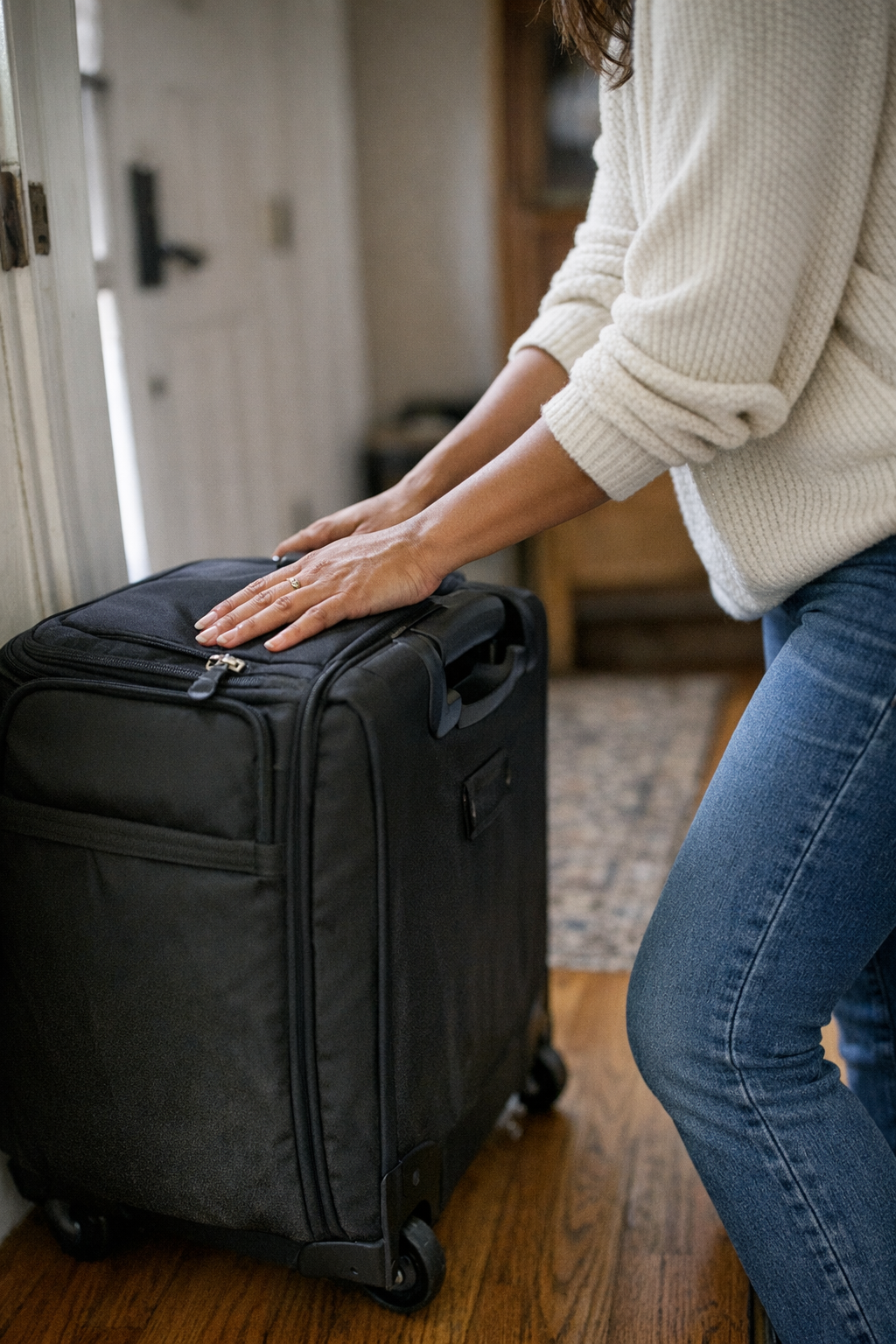
There’s a familiar tension in those moments before leaving for the airport. It starts small, like the knuckle brushing a zipper on the carry-on bag resting near the door. Pressure builds as you press down hard to seal it, listening for the comforting snap that confirms it’s secure. Then comes the deliberate act of rolling the bag toward the threshold, each turn of the wheels a measured preparation for what lies ahead.
Travel often feels like a balance between hope and readiness. Will the city, the airport, the timing align smoothly? Most importantly, will the overhead bins be kind and spacious enough to accommodate your carry-on? This moment, filled with quiet anticipation, sets the tone for the journey.
The Overhead Bin Challenge: Why It Matters So Much
Boarding a flight transforms the simple act of stowing a bag into a delicate dance of timing, space, and etiquette. The comfort of your trip largely depends on that brief window when you fight for space in the overhead bin — moments that are unpredictable and often fraught with silent tension.
Every flight brings the same question: Will I secure a spot close enough to my seat? Will my bag fit alongside others without being crushed or wedged awkwardly? These fleeting instances influence not only physical comfort but also emotional ease during flight.
Morning Preparations: Packing with Purpose
Before the first light, the journey begins quietly. Clothes are carefully chosen—functional, minimal, with no pockets to regret later. The bag gets wheeled down stairs with gentle thumps, each movement deliberate and mindful. Outside, the early fog blurs headlights as the carry-on is carefully placed upright in the trunk, not sideways, to ensure it settles perfectly.
At the airport, the elegant quiet persists. The suitcase’s handle feels like an anchor as it rolls across polished floors, sometimes skittering at unexpected tile joints. Inside the bag, a hidden snack or small comfort item offers reassurance—simple gestures that ground anxious travelers.
Security and Gate: The Calm Before Boarding
Security checks provide another test. The suitcase slides onto trays smoothly, a contrast to the rattling bins nearby. At the gate, travelers settle into their territories, with carry-ons positioned like silent sentinels by their feet. Devices peek from half-zipped compartments, and weary eyes scan weather updates, rearranging layers for the unknown. The carry-on becomes a personal space, a small domain protected by careful zipping and minimal disturbance.
Boarding: The Art of Positioning Your Carry-On
As boarding begins, digital displays flicker and lines form. Carry-ons trail like loyal companions. Across the jet bridge, the wheels tap out an uneven rhythm on the floor, matching the growing suspense.
Inside the plane, bins fill rapidly. Hands wrestle bags into place, some with frustration, others with practiced ease. You maneuver around awkwardly jammed backpacks, negotiating space through eye contact and a shared understanding of the challenge. Often the only available spot is just beyond reach, requiring a careful lift and careful placement.
In these moments, patience and respect govern interactions—small nods acknowledge the unspoken rules and tensions. The victory of stowing your bag first can make or break the flight’s comfort.
Carry-On Care: A Subtle Habit to Ease Travel Stress
Some travel habits quietly save the day. For example, carrying a small roll of brown tape nestled between shirts near the bag’s top might seem odd but is surprisingly practical. A torn seam or zipper failure mid-flight can be stressful; tape fixes these quickly and discreetly. It’s a simple trick that instills confidence and quiets the undercurrent of worry about gear failure at 30,000 feet.
In Flight: Comfort Beyond the Seat
Once seated, the sense of relief grows, but the carry-on still plays a role. There’s reassurance in glancing up and knowing your belongings are safely tucked above. The real comfort isn’t just about leg room or seat pitch—it’s rooted in that overhead space, intact and reliable.
Nearby passengers may sigh about the limited space or tight conditions, but with your bag secure, a small wave of calm washes over you. That quiet presence overhead shapes the experience more than most realize.
Arrival and Beyond: The Journey’s End and New Starts
Landing flips the process as bags emerge under harsh airport lights. Hands reach up eagerly, retrieving familiar shapes scuffed but whole. The carry-on’s marks tell stories—stickers faded from past travels, ribbons tied before a tense flight—all part of the journey’s narrative.
Outside, the familiar scraping sound of wheels over terminal tile accompanies the final steps. Whether rolling to a waiting car or a hotel lobby, the bag remains a compact companion. Even late-night hotel room rummages or quiet rearrangements keep the bag close and ready.
Returning home softens the pace. Opening the front pocket for a new souvenir shifts the bag’s balance slightly, a subtle nod to both departure and return. Smooth zippers and intact compartments become symbols of resilience, reminders that you remain the one steering this journey.
Reflection and Refresh: Shifting Perspective on Travel
Travel is often seen through grand gestures—upgraded seats, exotic locales, or itinerary highlights. Yet the true measure lies in simple, persistent elements: the overhead bin, the timing, the carry-on’s constant presence. Recognizing this can recalibrate how you approach each trip.
Try this refresh tip for your next journey: Instead of focusing solely on destination excitement, give attention to your travel tools—the reliability of your luggage, the ease of packing, and how you manage these moments of uncertainty. This mindfulness not only reduces stress but also reclaims control amidst the uncontrollable aspects of travel.
Practical Tips for Smoother Carry-On Travel
- Choose the right size: Ensure your carry-on meets airline guidelines but also fits comfortably in overhead bins. Compact, lightweight, and easy-to-maneuver bags increase success.
- Pack strategically: Use exterior compartments for items you’ll need quickly, and consider small repair items like tape for unexpected fixes.
- Board early when possible: Priority boarding can mean easier access to bin space, reducing boarding stress.
- Practice courteous bin placement: Allow space for other passengers, and if bins fill up early, look for designated spaces down the aisle before settling on distant spots.
In the end, the weight of travel isn’t just in miles or time but in the gentle presence of a carry-on moving steadily alongside you. It shapes how you experience airports, flights, and arrivals, weaving reliability into even the most uncertain journeys.