
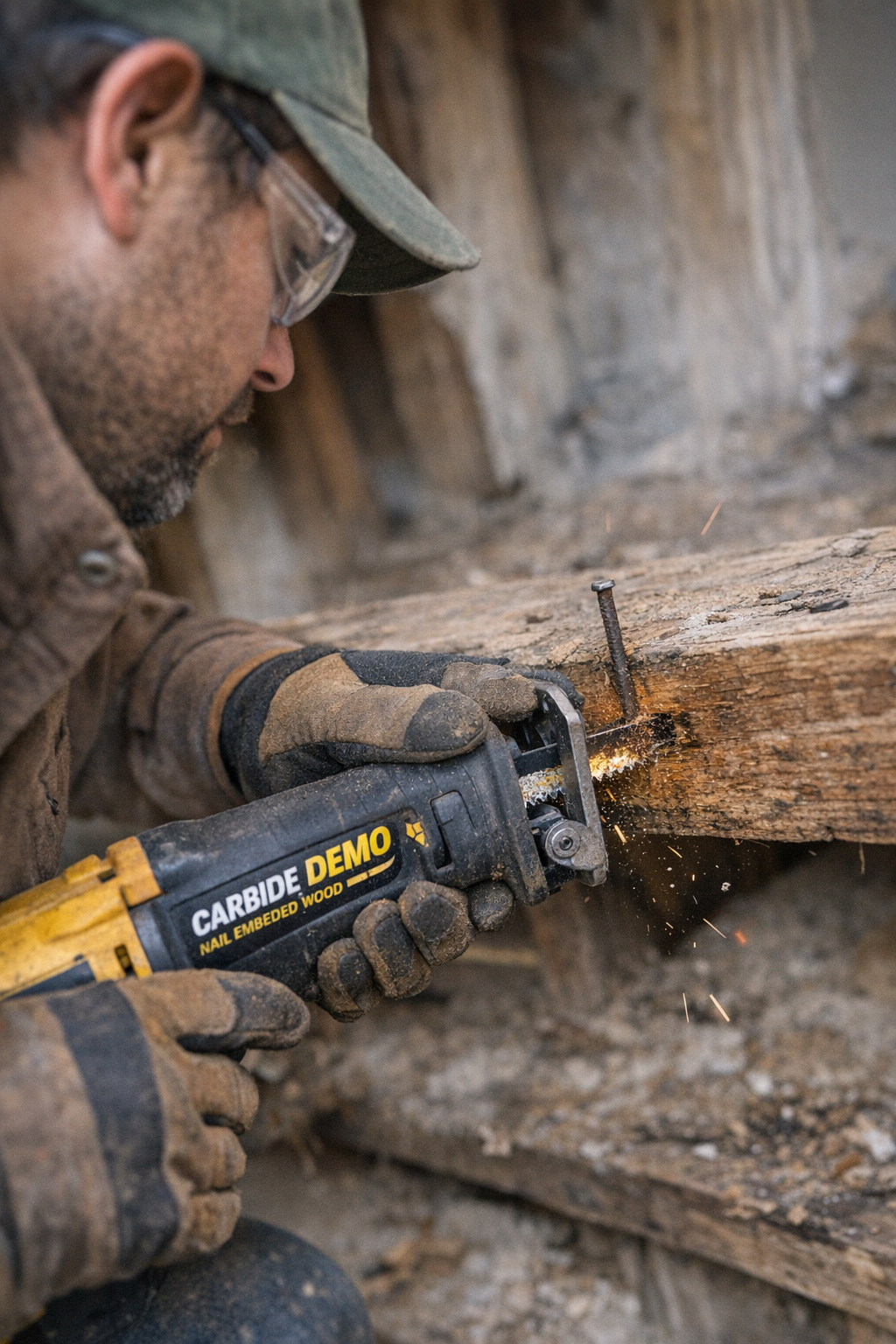
Understanding the Challenge: Why Reciprocating Saws Shake When Cutting Nails
Anyone who’s tackled a renovation or demolition project knows the frustration: you bring out your trusty reciprocating saw, aim it at a stubborn rusty nail or a hidden fastener deep within reclaimed wood, and as soon as the blade hits metal, your saw starts shaking violently. The tool rattles, your grip falters, and the cut becomes unpredictable. What’s causing this frustrating vibration, and is there a way to avoid it?
Reciprocating saws are designed for versatility and brute force. They excel at cutting through wood, pipes, and various materials where precision can take a backseat to speed and power. But as soon as the blade encounters metal—especially embedded nails or screws—the cutting action changes dramatically. The interaction between the blade’s teeth and the hard metal creates a rapid catch-and-release effect. Instead of a smooth slice, the blade jerks, sending vibrations up your arm. This vibration isn’t just uncomfortable; it makes controlling the saw challenging, wears blades out quicker, and increases the risk of mishaps.
The Secret Weapon: Choosing the Right Blade
Many DIYers and even some professionals underestimate the importance of blade selection when cutting metal embedded in wood. Not all reciprocating saw blades are created equal, especially for demolition tasks. The key to smoother, less violent cuts lies in two factors: the blade’s material and its design.
Blade Material: Bi-Metal and Carbide-Tipped Blades
Standard steel blades may work well for wood, but they struggle and dull quickly when forced against nails or screws. Bi-metal blades combine a flexible steel backing with high-speed steel teeth, offering excellent durability and resistance to heat buildup. They flex less and can handle cutting through nails repeatedly without cracking or dulling rapidly.
Carbide-tipped blades take it a step further. Their tooth edges are coated or tipped with tungsten carbide, one of the hardest materials available, allowing them to slice through metal easily. While more expensive, carbide-tipped blades last significantly longer on demolition jobs.
Design Matters: Tooth Pitch and Blade Dimensions
Look for blades with a variable tooth pitch—meaning the teeth alternate in size and spacing, typically ranging between 6 to 10 TPI (teeth per inch). This variety in tooth size reduces the catch-and-release effect that causes blade vibration, leading to smoother cuts on mixed materials.
Additionally, thicker blades (usually between 1.2 to 1.5 mm kerf) and wider widths (20–25 mm) provide improved stability. A sturdier blade resists twisting and “blade slap,” where the blade bounces against the material, intensifying the vibration.
A common error is attempting to use narrow, high-TPI wood blades (14+ TPI) for cutting nails. These tend to overheat quickly, dull almost instantly, and cause excessive shake. Investing in demolition-rated blades designed to handle metal and nailed wood will save time, frustration, and multiple blade replacements.
Mastering the Technique: How to Use the Saw to Minimize Vibration
Blade selection is critical, but technique plays an equally important role in vibration reduction. One of the most effective and often overlooked tricks is to firmly press the saw’s shoe—the flat metal plate at the front—against the material before starting a cut.
The Role of the Shoe in Reducing Vibration
- Vibration Absorption: The shoe helps absorb the impacts and dampen the vibrations before they reach your hands.
- Blade Stabilization: Pressing the shoe flush against the surface reduces blade twist and skidding as the saw starts cutting, keeping the cut line accurate.
- Power Alignment: A firmly placed shoe aids in keeping the force directed correctly, allowing the blade teeth to engage smoothly and consistently.
Many users simply rest the shoe lightly or let it float above the work, amplifying tool chatter. Instead, applying steady, deliberate pressure creates a more controlled cutting environment.
Additional Tips for Smooth, Comfortable Cuts
Adjust Saw Settings for Metal Cutting
Many reciprocating saws feature adjustable orbital action designed for faster wood cutting by adding a slightly circular motion. However, orbital action increases blade movement and vibration during metal cuts, especially around nails. For cutting metal or nailed wood, reduce or turn off orbital action to ensure a straighter, steadier cut.
Maintain a Relaxed Grip and Proper Speed
Tightening your grip in reaction to vibration only makes shaking worse and leads to premature fatigue. Instead, keep your hands relaxed, arms slightly flexed, and let the saw’s weight help guide the cut. Avoid forcing the saw or pushing too aggressively; cutting at a moderate speed (roughly 2,000–3,000 strokes per minute) lets the blade do the work without overheating or excessive vibration.
Allow Blades to Cool and Rotate Them Regularly
Cutting through metal generates heat that quickly dulls blades and increases vibration. After prolonged cuts, pause to allow the blade to cool for 30 to 60 seconds. Having spare blades on hand for swapping out during larger projects can dramatically extend cutting efficiency and comfort.
Refresh Tip: Take Micro-Breaks to Maintain Precision and Reduce Fatigue
Long cuts requiring continuous attention can cause arm fatigue and reduce your ability to control vibration. Scheduling brief pauses every 10-15 minutes—even if just to shake out your hands or reassess your grip—helps reset muscle tension and focus. This subtle reset improves control, prevents overgripping, and promotes safer cutting over long periods.
Common Pitfalls That Amplify Vibration
- Forcing the Saw: Pushing too quickly or at maximum speed without stabilizing the shoe leads to overheating, quick blade dulling, and aggressive vibration.
- Using Inappropriate Blades: Wood-only blades won’t withstand nails or embedded metal, causing burning, blade wobble, and poor cuts.
- Neglecting the Shoe: A floating or loosely applied shoe means the blade absorbs all the shock, resulting in violent shakes.
- Overgripping the Saw: Clenching the handle tightens the arm and hand muscles, amplifying perceived vibration and reducing control.
- Ignoring Orbital Settings: Using high orbital mode on metal increases erratic blade movements and vibration.
Putting It All Together: Real-World Benefits
Integrating the right blade choice with deliberate shoe contact and mindful technique transforms what can be a violent, exhausting task into a controlled, efficient process. In one renovation, switching from a standard wood blade to a quality demolition blade with variable tooth pitch reduced blade wear dramatically and kept cuts straighter. Firmly setting the shoe against the wood further stabilized the saw, significantly cutting down on vibration.
The results: less fatigue, fewer blade changes, cleaner cuts, and improved safety. Instead of battling your tool, you collaborate with it, letting its power and your control combine for precision even in the messiest jobs.