
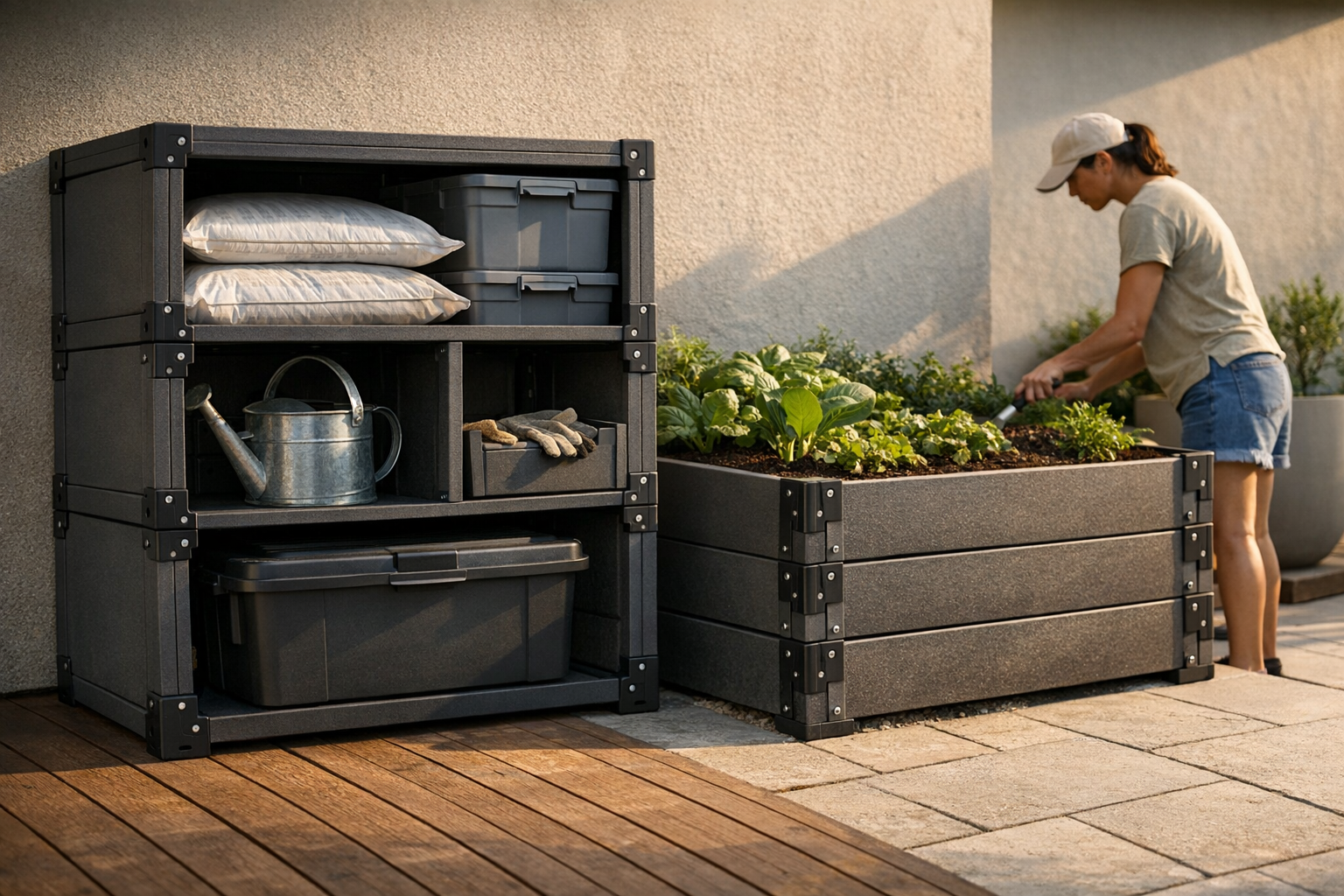
Morning routines often pull us outdoors before we’re fully awake, greeted by the soft sunlight casting long shadows across garden beds and wet dew clinging to our tools left from the night before. Early mornings reveal the simple, honest state of our yard—hoses lying limp on the grass, soil bags resting against cabinets, and unused tools waiting quietly on shelves. This early calm, filled with distant mower hums and the gentle click of a boiling kettle, invites a moment to pause and watch the day awaken around us.
The Quiet Order of Early Chores
Starting the day with small, deliberate actions helps create a foundation for productivity in the yard. Whether it’s hanging a lone glove back on a wall hook or nudging the watering can away from a drip tray, these simple steps offer a subtle sense of control. Organizing tools in this way isn’t about perfection; it’s about setting up a rhythm that makes the upcoming work easier. Even a pegboard with mismatched gloves can become a quiet signal to find what’s needed next.
One practical tip is to designate specific spots for your most-used tools—like pruners or gloves—and always return them to the same location. Over time, this habit reduces the daily scramble to find what you need, letting you dive straight into your gardening task.
Handling Midday Challenges
As the sun climbs, the neatness of the morning often gives way to the reality of a working yard. Tools scatter from their stations, hoses entangle, and dust motes rise from disturbed soil. The modular garden beds teem with growth and weeds, while bins quietly fill with spent gloves, rusted trowels, and used seed packets. These visible signs of effort reflect the messiness of progress. Accepting this dynamic helps keep frustration at bay.
Keeping a broom near the fence and a dustpan within reach makes cleanup more manageable. Instead of letting debris gather, quickly sweeping light messes maintains a safer and more inviting workspace. And when returning tools, it helps to pause for a moment: shake off extra dirt, check for damage, and ensure handles dry properly to extend their lifespan.
Refreshing Your Approach: A Shift in Perspective
When the yard feels chaotic, try a mindful pause that shifts your energy. Step back for a few minutes to observe where items tend to migrate during your work. Noticing patterns—like tools consistently ending up on steps or the hose often kinking near a certain corner—can inform adjustments to your setup that reduce friction. This simple act of observation invites a refreshed mindset toward organization that evolves naturally with daily use.
Evening Wind-Down and Maintenance
As daylight softens, the yard’s rhythm slows, inviting a gentle act of gathering and restoring order. Gloves return to their hooks, hoses coil patiently, and the cabinet doors close with a familiar snap. Taking time to wipe down rims, coil hoses systematically, and properly store tools ensures everything is ready for the next day’s work. Maintaining this evening ritual enhances the longevity of equipment and eases the morning routine.
To protect your tools and garden equipment, consider incorporating simple maintenance tasks into your end-of-day routine. Cleaning dirt from pruner blades and drying gloves before storage not only preserves their function but also reduces the risk of rust and wear. Over time, these small efforts repay you with smoother, more enjoyable gardening experiences.
Trusting Adaptable Systems
The key to a functional yard often lies in adaptable systems that accommodate occasional disarray without losing efficiency. Items like modular storage units, pegboards, and movable bins allow tools and supplies to shift with your workflow rather than remain rigidly fixed. This flexibility acknowledges the natural ebb and flow of active outdoor spaces.
Returning tools isn’t always a perfect science—sometimes gloves end up on the steps, pruners vanish only to reappear on the grass. Embracing this imperfection prevents frustration and keeps focus on the joy of gardening rather than forced tidiness.
Final Thoughts on Building Your Garden Routine
Establishing a productive yet forgiving garden routine takes time and attention to small details—designated spots for gloves, a reliable hook for pruners, and regular cleanup habits all matter. By tuning into the rhythms of your yard and gently adapting systems over time, you create a sustainable workflow that supports both your gardening goals and your lifestyle.
Every gardener’s space speaks its own language, shaped by tools, seasons, and daily rhythms. The practical joys are found not in perfect order but in creating spaces and routines that flex with the work, leaving room for moments of quiet satisfaction amid the messiness of growth.