
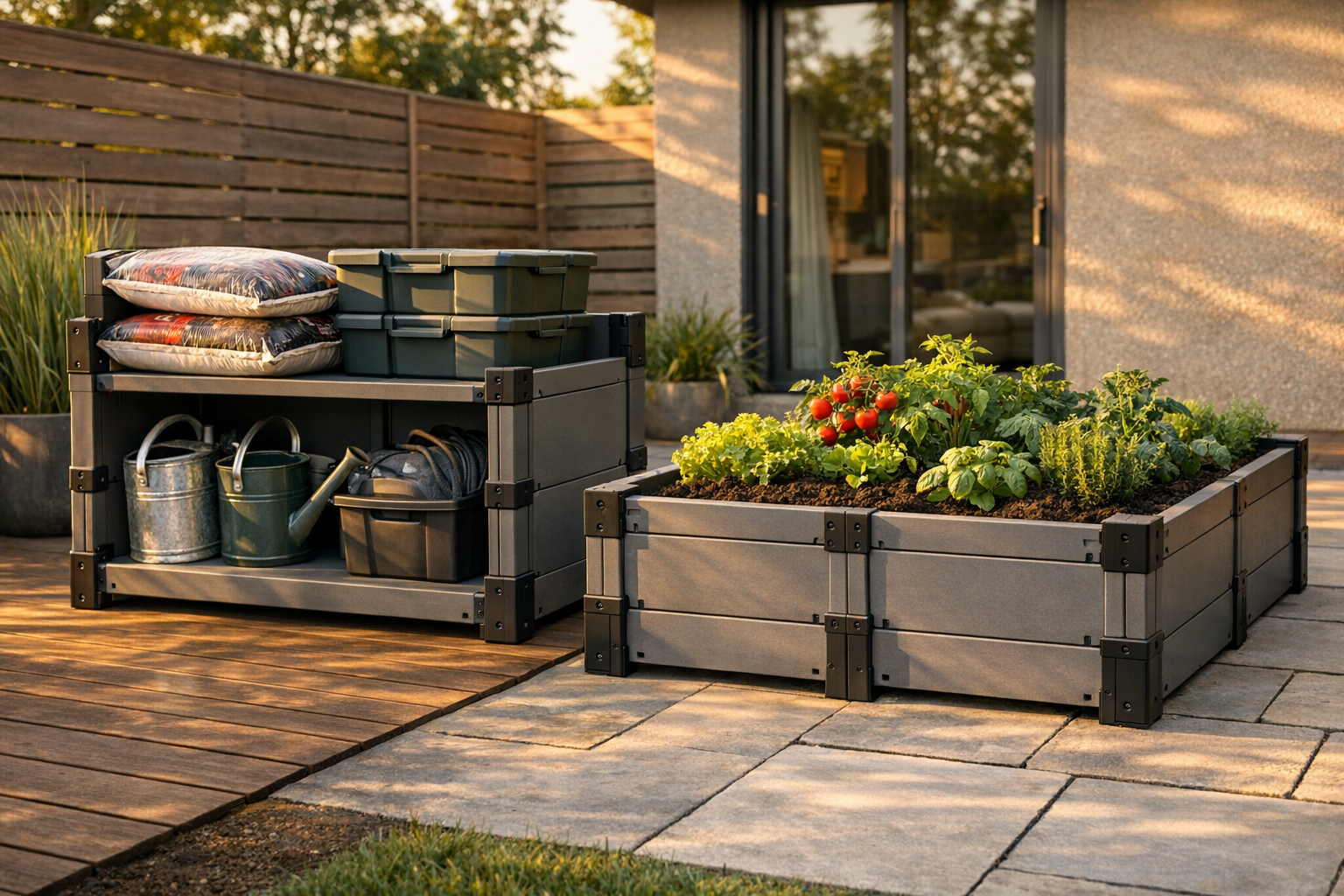
Creating a Defined Return Zone Transforms Yard Cleanup
Saturday mornings often begin with the familiar chill of dew soaking through socks and a warm mug in hand, standing at the threshold of a yard that feels caught between usable space and disordered clutter. The line separating “mess” from “manageable” shifts daily, marked by scattered tools, forgotten gloves, and loose hoses. Yet, establishing a clear return zone—a dedicated spot where every item belongs—can be a game changer. It not only organizes your outdoor tools but also brings a satisfying sense of closure to yard cleanup tasks.
Why Visible and Consistent Return Zones Matter
Every bowl, shovel, or stray ball in the yard demands a home to return to after use. Without this, items tend to drift instinctively toward any nearby flat surface, turning tidy intentions into overlooked clutter. Identifying and marking a clear, visible return zone creates a finish line to cleanup. It encourages a flow where tools don’t get lost or forgotten but find their way back repeatedly. However, its true effectiveness depends on commitment: the system must be visible and used consistently.
Recognizing Clutter Hotspots in Your Yard
Before establishing an effective return zone, it’s essential to recognize where clutter accumulates. It might be a coil of garden hose behind a wheelbarrow, pruned branches wedged beside trash bins, or cracked pots stacked near the shed. These spots reveal natural gathering points but may lack order. Identifying these allows you to place your return area strategically, interrupting the cycle of random drops and redistributing mess.
Building the Return Zone: A Practical Approach
One practical way to define your cleanup zone is by installing modular storage solutions such as interlocking floor panels to anchor the area. Adding a wire rack or rolling bins under a workbench separates tools and creates a dedicated landing spot. The key is creating a space that feels inviting and clear of sun- and weather-related wear so tools aren’t left aimlessly wandering but instead have a designated and protected place to rest.
Adapting the Zone Seasonally
As the seasons change, so do the types and volume of equipment. Sticks may nestle atop benches in autumn, buckets might overflow during spring projects, and soil bags accumulate differently depending on planting schedules. Recognizing this dynamic helps you adjust the return zone’s layout regularly, ensuring efficiency despite shifting needs. Regular resets—re-aligning racks, tightening hooks, or reshuffling bins—keep the system functional and intuitive even as your tools and supplies evolve.
Overcoming Common Cleanup Obstacles
Despite a well-planned return zone, yard cleanup isn’t always seamless. Obstacles such as misplaced buckets, unstable storage units, or half-open compost lids can slow progress. For instance, a tipped container scattering seed packets or a clogged path under the workbench can stop momentum and cause frustration. These minor disruptions often stem from the previous cleanup’s state—if tools aren’t returned properly, they impact the next cleanup cycle. Addressing these takes small but decisive actions: securing racks, clearing pathways, and closing lids promptly.
Refresh Tip: Break the Cycle with Micro-Resets
When cleanup feels jammed or repetitive, a micro-reset can restore energy. This might mean tightening a loose hook, repositioning a blocking bin, or swapping tall panels to better corral unruly rakes. These small adjustments serve as visual cues and practical fixes that reset the system, making it easier to stay on track. Commit to a quick, weekly check-in to adjust your setup, transforming frustration into forward momentum. This habit keeps your yard cleanup from becoming a dreaded chore and instead frames it as a manageable routine.
The Power of a Visible Finish Line
By mid to late Saturday, when sunlight warms the yard and the last rake slips into place, the return zone signals completion. Surfaces feel lighter, and negative space grows in what once was cluttered. This visible finish line not only signals physical order but refreshes the mindset: the yard is no longer another item on a to-do list but a renewed space full of possibility. The satisfaction of seeing empty ground and everything resting where it belongs is a reward that inspires ongoing care.
Maintaining Momentum Through the Week
Midweek interruptions—rain, busy schedules, or unexpected projects—can erode even the best systems. Boots leave muddy trails, planters stack up, or tools spill back onto the patio. The return zone may shrink inch by inch as clutter creeps out. Recognizing this subtle encroachment is the first step toward maintenance. Even small acts—dropping items immediately back in their place, folding soil bags neatly, or clearing a cluttered corner—help preserve the zone’s integrity. A tidy yard after a long week reduces weekend catch-up time and makes routine cleanup more pleasant.
Conclusion
Designating a clear and visible return zone is more than just an organizational hack: it is a transformative approach to yard maintenance that brings rhythm and satisfaction to an otherwise daunting task. Through thoughtful identification of clutter areas, seasonal adjustments, mindful resets, and consistent routines, you can turn chaotic outdoor spaces into zones of calm and possibility. The reward: a yard that feels wider, lighter, and truly ready for whatever weekend projects or spontaneous gatherings come next.