
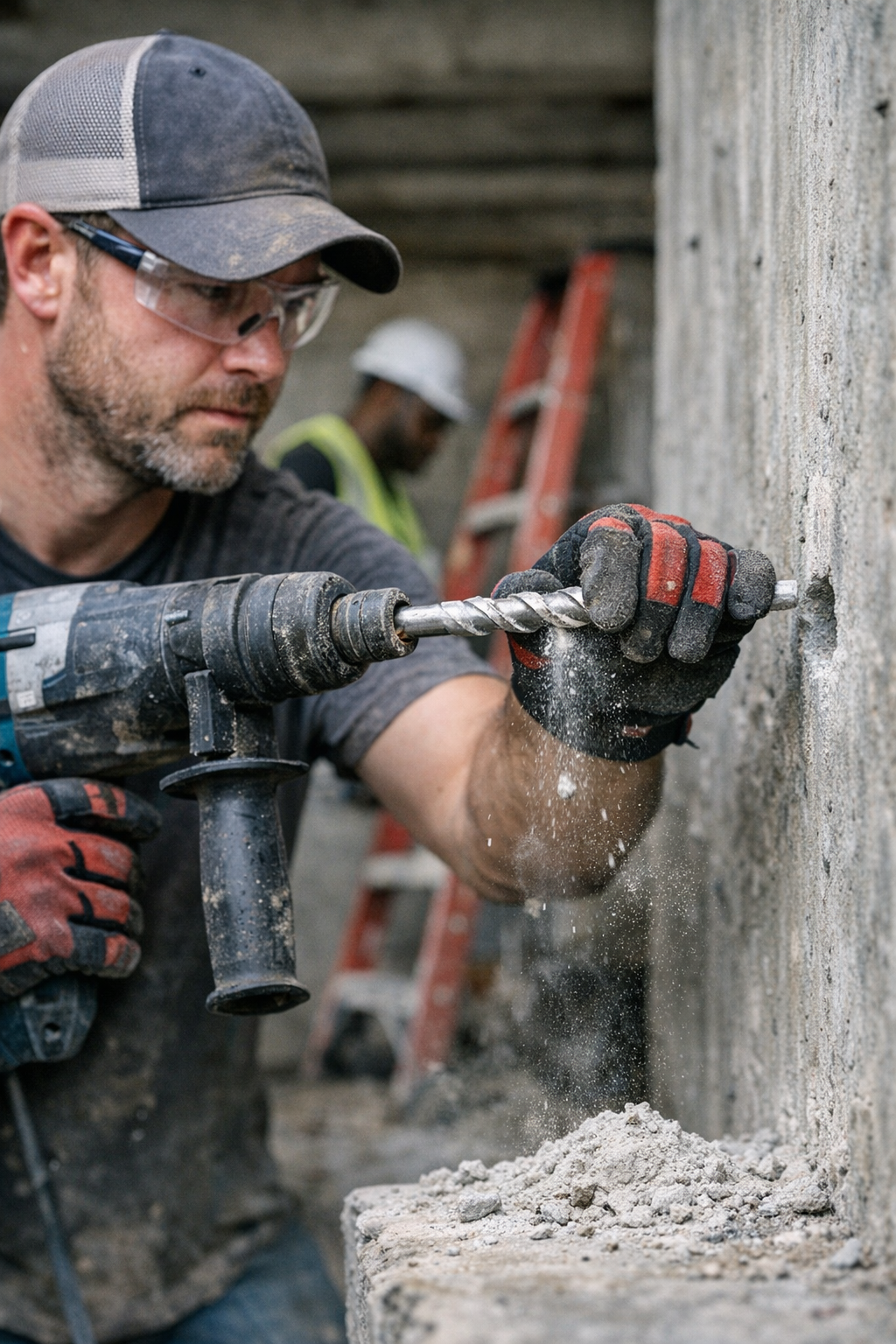
Why Drill Bits Overheat When Drilling Concrete
Drilling into concrete can be a frustrating experience, especially when your drill bit becomes unbearably hot halfway through a hole. This common issue results in slower progress, potential damage to your tools, and unsatisfactory holes that don’t meet the professional standard you want. Understanding why drill bits overheat and how to prevent it can save you time, money, and frustration on any masonry project.
What Makes Concrete So Challenging to Drill?
Concrete is a highly abrasive, dense material, packed with rough aggregate that quickly wears down drill bits designed for softer materials like wood or metal. The increased friction between the drill bit and the concrete generates substantial heat. Without proper technique and equipment, the metal in your bit can become so hot that it softens or warps, damaging the cutting edge and shortening the life of your tools.
The Right Tools Matter
Using the correct drill bit is not optional. Masonry bits with carbide tips are specifically engineered to withstand the harsh abrasion of concrete. They usually have a harder, more durable cutting edge and a wider kerf (6–8 mm) to help with dust clearance. A hammer drill running in hammer mode (usually between 1,500 to 3,000 strokes per minute) helps by pulverizing the concrete rather than grinding it, making the drilling process more efficient and reducing heat buildup.
In contrast, using standard wood or high-speed steel (HSS) bits will lead to rapid dulling and overheating. These bits are not designed for the impact and abrasion of concrete and will turn blue from overheating, signaling metal temper loss and damage.
Common Causes of Overheating Drill Bits in Concrete
- Excessive Continuous Drilling: Drilling straight through without breaks causes friction to escalate the drill bit temperature quickly, especially on holes deeper than two inches.
- Incorrect Speed Settings: Too high an RPM on dense concrete, particularly without enough forward pressure, causes the bit to spin rather than cut, generating more heat and less progress.
- Inappropriate Drill Bits: Using twist bits or metal bits instead of carbide-tipped masonry bits leads to rapid heat buildup and damage.
- Poor Dust Clearance: Concrete dust packing into the grooves of your bit traps heat and increases friction, reducing cutting effectiveness and accelerating damage.
How to Prevent Overheating: Proven On-Site Practices
On the job, experienced contractors use timing and technique to manage heat buildup in drill bits. A simple but powerful tip is to drill in short bursts of 10–15 seconds before fully retracting the bit from the hole. This routine allows:
- Cool air to reach the bit and lower its temperature dramatically.
- Concrete dust and debris to clear from the bit’s flutes, preventing heat-trapping buildup.
- Reduction of the continuous heat cycle that causes metal softening and bit damage.
It’s common to feel tempted to “push through” a hole in one continuous motion, but this strategy is counterproductive. Instead, backing out the bit regularly keeps the drill bit cutting sharp and prevents overheating.
Don’t Overdo the Pressure
Applying too much downward force may seem like it speeds up drilling, but it can actually cause faster wear, overheating, and damage to the bit. Let the hammer feature on your drill do the heavy lifting — it’s designed to break up the concrete efficiently without needing excessive force from your hand.
A Real-World Experience: Learning the Hard Way
During a recent renovation, I tried drilling multiple 6mm concrete anchor holes without breaks, pushing the bit to keep pace. Within minutes, the drill bit’s shank was glowing red-hot, forcing me to stop and let it cool. Frustrated, I changed tactics by pulling the bit out every 10–12 seconds, tapping out debris, and letting air circulate. The temperature dropped significantly, allowing me to drill 20 anchor holes without overheating a single bit.
This change sped up the overall work time because the bit stayed sharp and efficient. It transformed a frustrating task into a smooth process.
Refreshing Your Drilling Technique: The Power of Rhythm
Think of drilling into concrete like a musical rhythm: instead of a continuous, exhausting push, embrace a steady, repeated cycle of drilling in and pulling out. This practice improves tool longevity and quality of holes while keeping your rhythm steady and reducing fatigue.
Once you master this pacing, your drilling work will feel more controlled and less strenuous, boosting job satisfaction and results.
Additional Tips for Successful Concrete Drilling
- Use a Vacuum or Blow Out Dust: If possible, use a vacuum attachment or compressed air to clear out dust from deep holes to maintain cooler bit temperatures.
- Check Bit Condition Regularly: Inspect your bits for chipped carbide tips or wear after every few holes; a dull bit overheats faster.
- Keep Tools and Bits Clean: Concrete debris buildup on the bit and drill chuck can cause heat to rise quickly. Periodic cleaning helps with efficient heat dissipation.
Summary
Drill bit overheating when working with concrete is a problem easily avoided by carefully selecting the right tools and adjusting your technique. Using carbide-tipped masonry bits, hammer drills on the correct settings, and adopting a drilling rhythm with frequent retractions to clear dust and allow cooling makes the difference between a smooth job and constant tool frustration.
Remember: more pressure and speed don’t always mean faster drilling. Often, a steady, methodical approach enhances both the quality and speed of your concrete work, while extending bit life dramatically.
Practicing these techniques on your next project will help you achieve cleaner holes, longer-lasting tools, and a more efficient workflow every time you pick up your drill.