
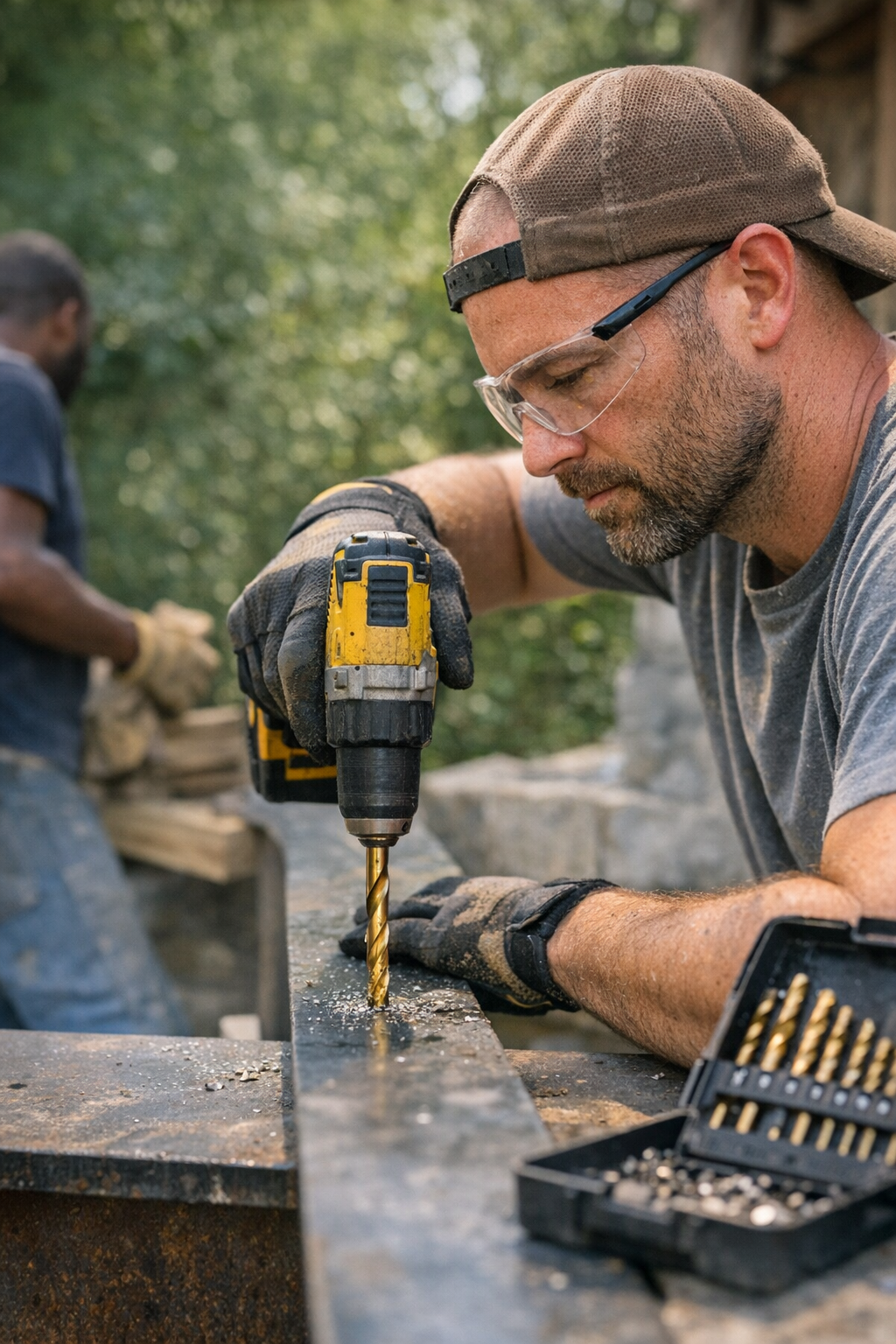
Understanding the Importance of Drill and Driver Bit Coatings
If you’ve ever experienced rapid wear on your drill bits or driver bits, you know how frustrating it can be to repeatedly replace them mid-project. Whether you’re a seasoned professional or a weekend DIYer, the lifespan and performance of your bits are often heavily influenced by one overlooked factor: the protective coating applied to the bit.
At first glance, these coatings might seem like simple surface colors—black, gold, or bronze—but these ultra-thin layers play a vital role in reducing friction, resisting heat, and prolonging cutting edge life. Instead of simply being cosmetic, they provide engineering benefits that translate into smoother drilling and less downtime.
The Most Common Bit Coatings and Their Benefits
There is a range of coatings available, each engineered for specific materials and applications. Understanding what each coating offers can help you choose the right bit for your job and achieve better results.
Black Oxide Coating
This coating imparts a deep black finish to the bit, enhancing corrosion resistance and reducing surface friction. It is the most affordable upgrade from uncoated steel bits and works well for general-purpose drilling in softer metals and wood.
Advantages:
- Improved corrosion resistance compared to bare steel
- Lower friction helps the bit cut more smoothly
- Cost-effective for everyday use on wood and mild steel
Titanium Nitride (TiN) Coating
Known for its signature golden color, TiN coating significantly enhances wear resistance. It is particularly favored in construction and metalwork because it can offer 2 to 4 times longer bit life than black oxide coated bits.
Advantages:
- Greatly extends edge retention in wood and metal
- Reduces friction and heat buildup during drilling
- Suitable for high-speed drilling with corded or cordless drills
Cobalt Bits
Often alloyed rather than purely coated, cobalt bits feature a silver-blue tint and are designed for tackling tough metals, including stainless steel. These bits are a staple for professionals who frequently drill into high-strength materials.
Carbide and Diamond-Tipped Bits
These premium bits are not coatings per se, but rather involve brazing hard inserts onto the bit tip. They are ideal for drilling into masonry, tile, and glass due to their extreme hardness and durability.
How Coatings Improve Performance and Longevity
Drilling generates significant heat from friction, which can quickly dull an uncoated steel bit and reduce its lifespan. Quality coatings act as a barrier that reduces friction, lowers operating temperature, and helps maintain a sharp cutting edge for longer periods.
For example, a titanium nitride coating not only extends the bit’s usable life but also helps maintain stable drilling speeds and decreases the chance of the bit “walking” or slipping across the work surface.
Optimizing Drill Settings for Coated Bits
Even with premium coatings, improper drilling techniques can shorten bit life. To get the best performance:
- Use appropriate speeds—for hardwood and steel, around 1200–1500 strokes per minute (SPM) is ideal with TiN bits.
- Avoid forcing the bit; let it cut at its own pace to prevent overheating.
- Periodically withdraw the bit to clear debris and allow cooling between holes—about 5 to 10 seconds can make a significant difference in heat reduction.
Real-World Example: Jobsite Benefits of Using TiN Bits
Consider a typical construction scenario involving drilling into steel plates for handrail bracket anchoring. A TiN-coated 5/16″ bit was able to perform ten pilot holes in 1/4″ steel plate before any noticeable dullness. In contrast, a standard black oxide bit began to vibrate and lose grip by the fourth or fifth hole, highlighting the clear advantage of premium coatings for metal work.
Refresh Tip: Pay Attention to Visual and Tactile Cues
One practical benefit of high-quality coatings like TiN is that their wear is visually apparent. The golden coating dulls or wears away at the tip over time, signaling that the bit is nearing the end of its effective life. Being mindful of these subtle changes in appearance and sound—such as a change in cutting smoothness or an unusual whirring—allows you to proactively replace bits before poor performance or breakage occurs.
Considerations for Driver Bits
Driver bits also benefit from coatings when working with metal studs or dense lumber. Black oxide or titanium coatings extend life and reduce wear when driving numerous screws, especially drywall screws that often challenge bit durability.
However, even coated driver bits are not immune to wear and should be monitored closely during heavy use to avoid stripping screws or damaging fasteners.
Maintenance and Bit Care Best Practices
Here are actionable tips to maximize the lifespan of your coated bits:
- Avoid grinding or sharpening coated bits: Doing so removes their protective layer and essentially turns them into bare steel bits, which quickly wear out.
- Use the right bit for the material: Match coatings to the intended application—for example, use cobalt for stainless steel and carbide for masonry.
- Store bits properly: Prevent corrosion and nicks by keeping them in dedicated cases or holders.
Final Thoughts
Choosing the right coating for your drill and driver bits is a smart investment in both time and money. The small upfront cost difference for coatings like titanium nitride translates into significantly longer bit life, smoother drilling, and fewer mid-project interruptions. Paying attention to drill speed, bit condition, and making use of the natural wear cues coatings provide will keep your projects moving efficiently.
Consider how your current bit care routine stacks up. Are you pushing through dull bits hoping they’ll last just one more hole? Or are you using the right coatings and practices to keep your jobsite downtime minimal? Adopting better bit care and investing in premium coated bits can elevate the quality of your work and lessen tool-related headaches.