Category: Uncategorized

  • How One Closet Change Transformed Our Chaotic Mornings Instantly

    Mornings in a busy household rarely feel effortless, but a simple change in how you organize your closet can transform the start of your day. Even small adjustments—made quietly between laundry loads and early sips of coffee—can snap your routine back into a smoother rhythm.

    Creating a Functional Entry Zone

    Before reorganizing, the “grab-and-go” area might feel more like a hurdle than a helper. Socks tangle together, shoes pile up in chaotic corners, and bins are stacked too high to be easily accessed. A few strategic moves can change all that. Taking about half an hour to shuffle, swap, and rearrange modular storage elements can create a setup that actually works.

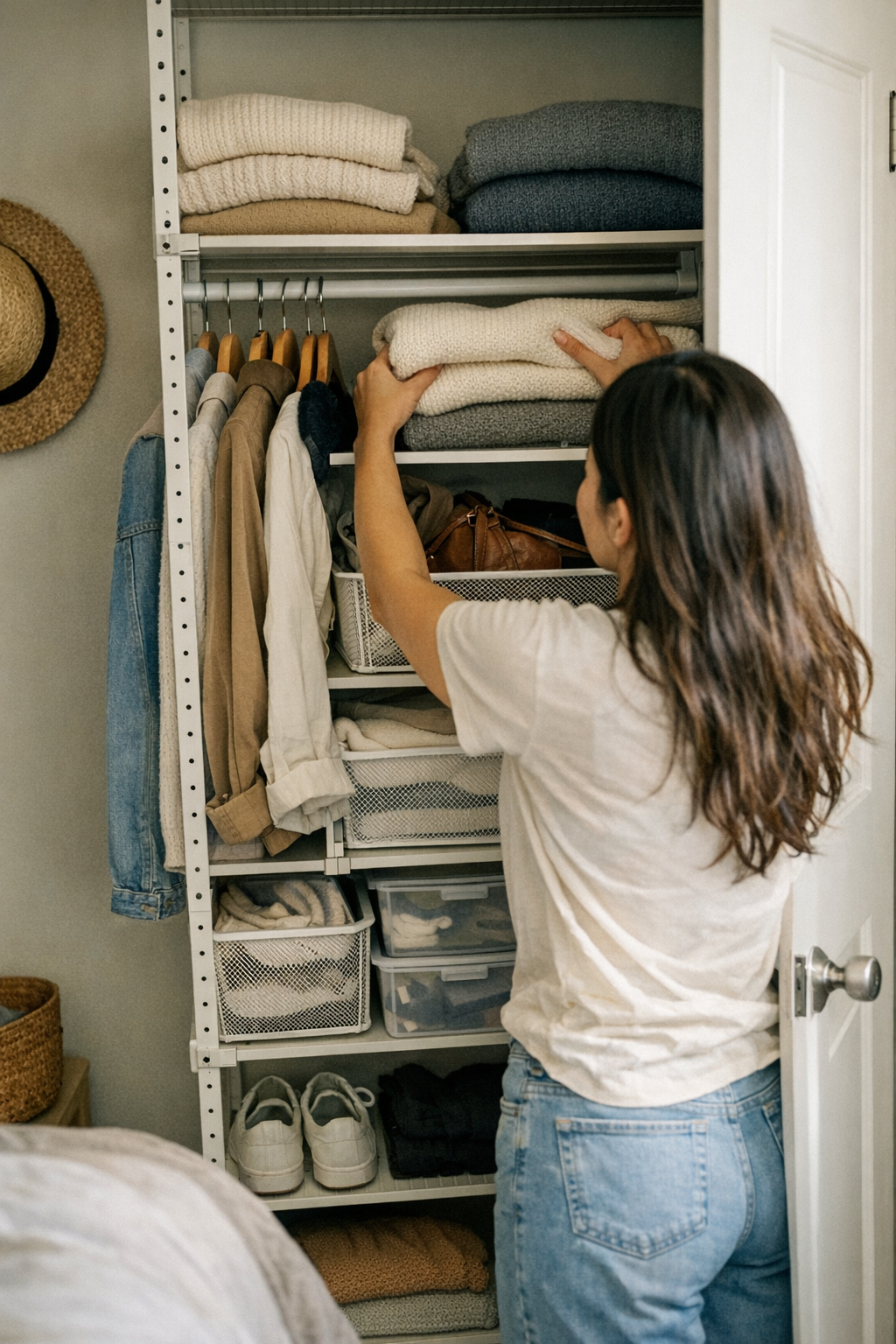
    For instance, lining up shoes neatly along a low tier and sliding a stackable basket next to them restores order immediately. Using dividers helps keep scarves, gloves, or other small accessories visible and easy to reach instead of buried or lost. The impact of these small wins is surprisingly big—finding your items quickly each morning no longer feels like a constant battle.

    Key Elements for an Efficient Closet

    • Visible Rails and Hooks: Using simple rails provides flexible spots for bags, scarves, or jackets that you might grab last minute. A reliable hook near the door offers a dedicated home for your everyday bag, reducing clutter.
    • Modular Baskets and Dividers: Adjustable baskets allow you to designate spaces for smaller items like socks or mittens. Shelf dividers separate items to prevent piles that can quickly become overwhelming.
    • Low Storage Zones: Keeping shoes and bags within easy reach on low shelves prevents the usual scramble before heading out.

    Maintaining Order Through the Day

    Of course, no closet stays perfect on its own. By midday, items might shift—a shelf sags, a box tilts under the weight of hats and sunglasses, or socks spill out of a drawer. These moments are reminders that a modular system isn’t meant to be static; it’s designed for easy adjustments.

    For example, noticing a shelf becoming unsteady allows you to lower it a notch on the rail system, restoring balance without any special tools. Similarly, an overflowing drawer signals when it’s time to swap baskets or rethink space allocation. These small interventions keep a closet functional without turning organization into a chore.

    Tip: Build in Regular Check-Ins

    Set a reminder once or twice a week to quickly scan your closet’s key zones. Spotting a box that’s too full, a drawer that won’t close properly, or hooks that are overloaded lets you catch small problems early. These mini check-ins make it easier to maintain your system and prevent clutter from creeping back in.

    Handling the Evening Rush

    Evening is often when the hallway—and your closet’s doorstep—gets the busiest. Kids come in with backpacks, shoes are kicked off, and packages or bags get dropped in the entryway. Here, having a rolling utility rack can be a lifesaver for overflow items, but even that can collapse under pressure if it’s overloaded with things like clean socks or mittens.

    It’s helpful to keep open baskets attached to the rails, ready to quickly gather stray items. It takes just seconds to swap out a basket or adjust a shelf, and doing so prevents piles from turning into permanent chaos. The principle is simple but powerful: making it easier to put things away than to let them pile up is one of the best ways to keep a space tidy.

    Adapting Your Closet to Real Life

    No closet stays perfectly organized forever. Socks tend to migrate into the gloves section, receipts accumulate under scarves, and bins fill wherever there’s space. Accepting this natural ebb and flow of items helps you avoid feeling defeated when your system isn’t flawless.

    Modular closets installed with flexibility in mind welcome this change. Tightening screws by hand, shifting shelf heights, or moving baskets allows your closet to adapt gracefully as your needs evolve. This adaptability keeps the space feeling stable and inviting rather than frustrating and rigid.

    Refresh Tip: Reassess Your Zones Seasonally

    Every few months, take a little time to reassess how you use your closet space. Seasonal swaps—like moving winter accessories closer to the door in autumn or bringing summer gear forward in spring—can breathe new life into your routine. This practice also highlights any habits or items that don’t fit well anymore, allowing you to tweak your setup thoughtfully instead of reacting to clutter.

    Small Details Make Big Differences

    A calm and functional shoe and bag area uses easily visible rails, accessible low baskets, and at least one dependable hook. When it’s simple to return items to their place, messes don’t pile up as quickly. Over time, these foundational habits lead to a closet that supports your daily flow rather than working against it.

    In the end, a closet that matches your life is one that embraces imperfection with ready solutions. It doesn’t have to be perfectly tidy every minute, but it should make the moments that matter—like grabbing shoes before the school run—as smooth as possible.

    With some thoughtful planning, modular storage adjustments, and a bit of regular attention, your closet can become a quiet partner in managing day-to-day chaos instead of a source of stress.
  • How Clear Bins Quiet My Clutter—and Stop Wasteful Repurchases

    Why Clear Storage Bins Transform Everyday Organization

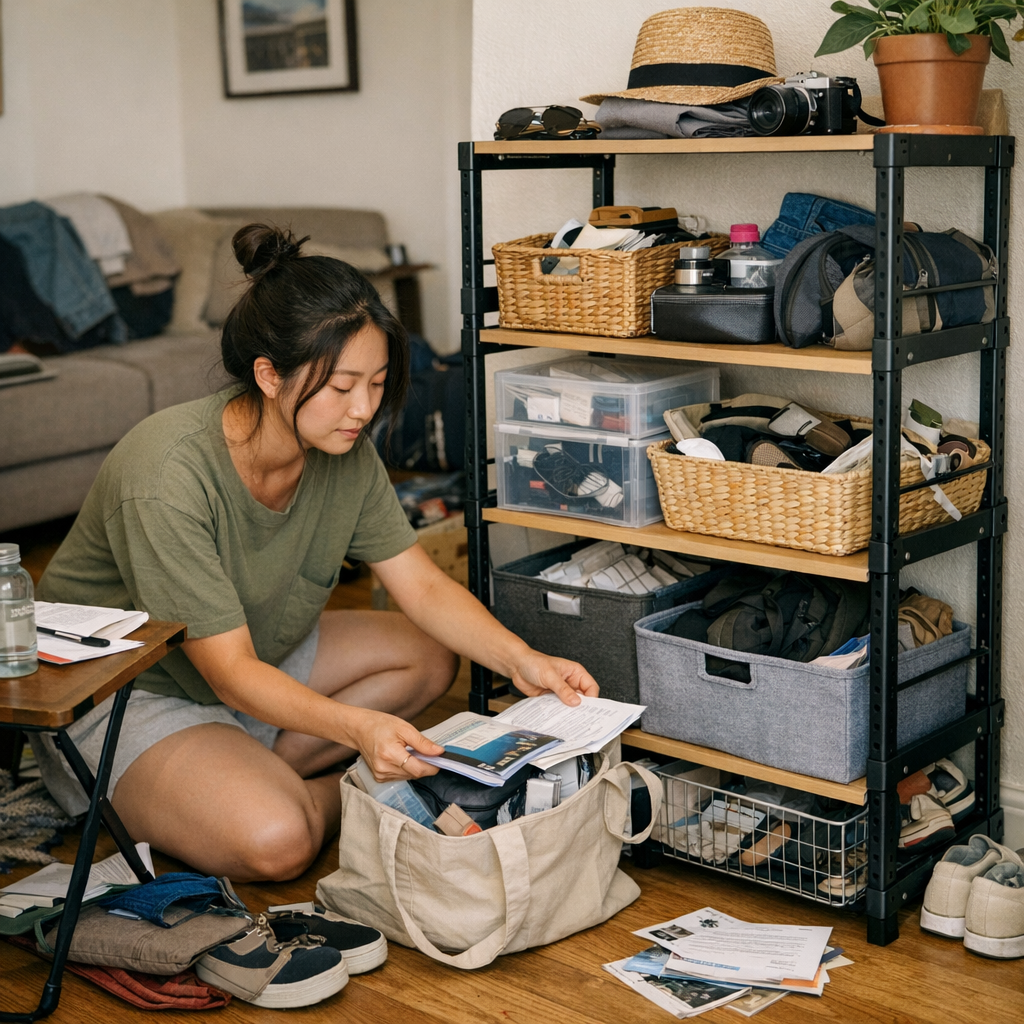
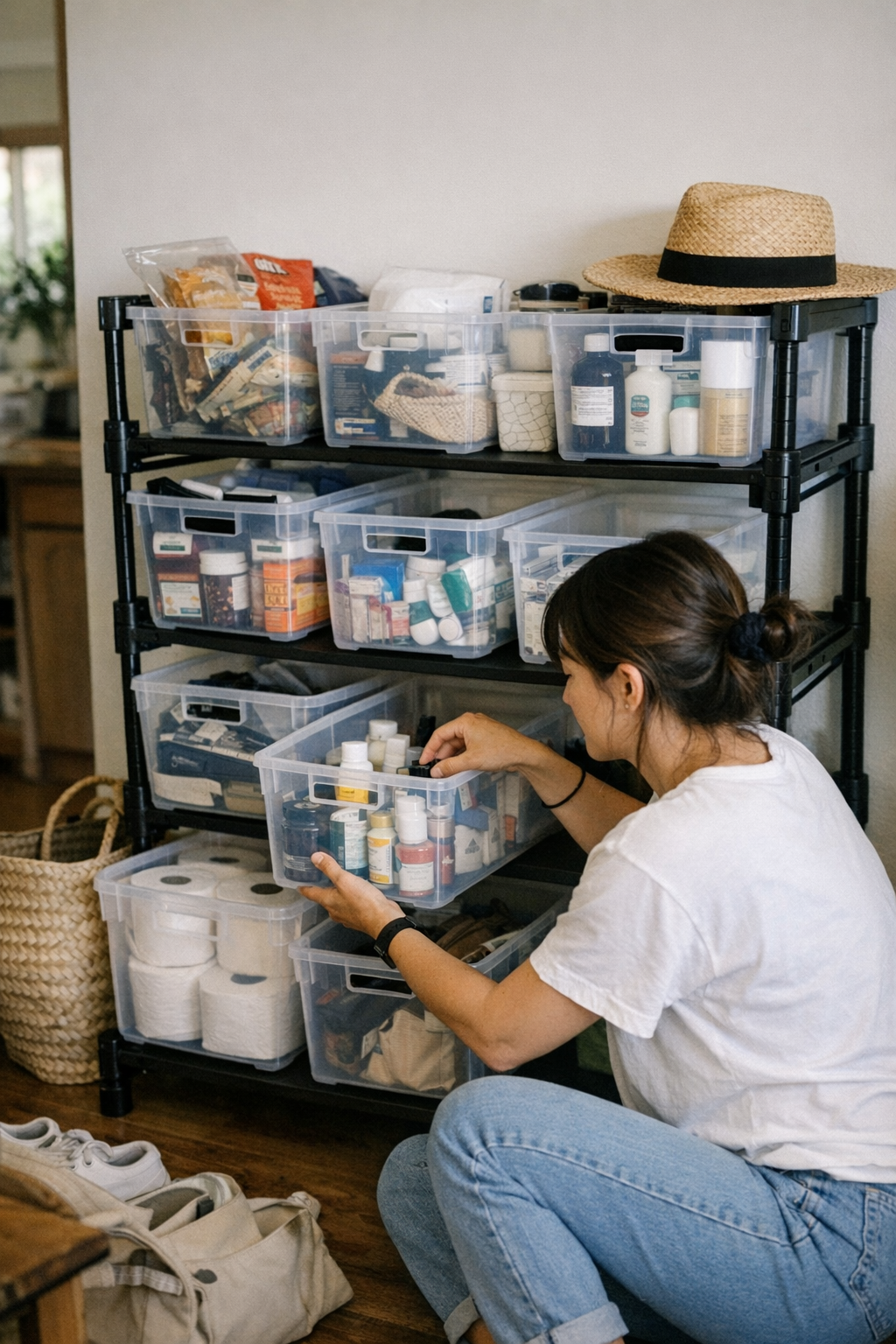
    It started small: two identical bottles of wood polish lingering unnoticed on a rolling utility rack. Then, a day later, I found another half-full bottle tucked away in a basket, along with a duplicate fabric softener hidden behind a pair of boots. It was a simple realization—I was unintentionally rebuying items I already owned, purely because I couldn’t see them.

    In the absence of built-in shelving—common in rental spaces like mine—I turned to clear storage bins as an alternative. Suddenly, everything was visible, even if not perfectly lined up. This shift in visibility made all the difference. Instead of stumbling over duplicates or losing track of essentials, the clear bins brought a new level of awareness to the clutter.

    The Power of Visibility: How Seeing Creates Control

    Life moves fast, especially on early mornings softened by low light and a lazy start. Grabbing my favorite sweatshirt and slipping on everyday sneakers usually happens in a quick scurry, with scattered items piled by the door or perched on a shoe and bag rack. But opening a narrow sliding closet filled with transparent bins and fabric organizers suddenly gave me a moment of clarity.

    Keys hang neatly on small hooks, and opening the top clear bin reveals sunscreen, hair ties, and that third bottle of wood polish—right there at the front instead of hidden away. Visibility changes everything; it helped me notice the backup bottle and stop me from buying yet another one. That small sense of control—knowing what I have—was a quiet but impactful win. Sure, the chaos of a morning rush remains, but at least duplicates stall out at this point.

    Modular Shelving and Adaptive Storage

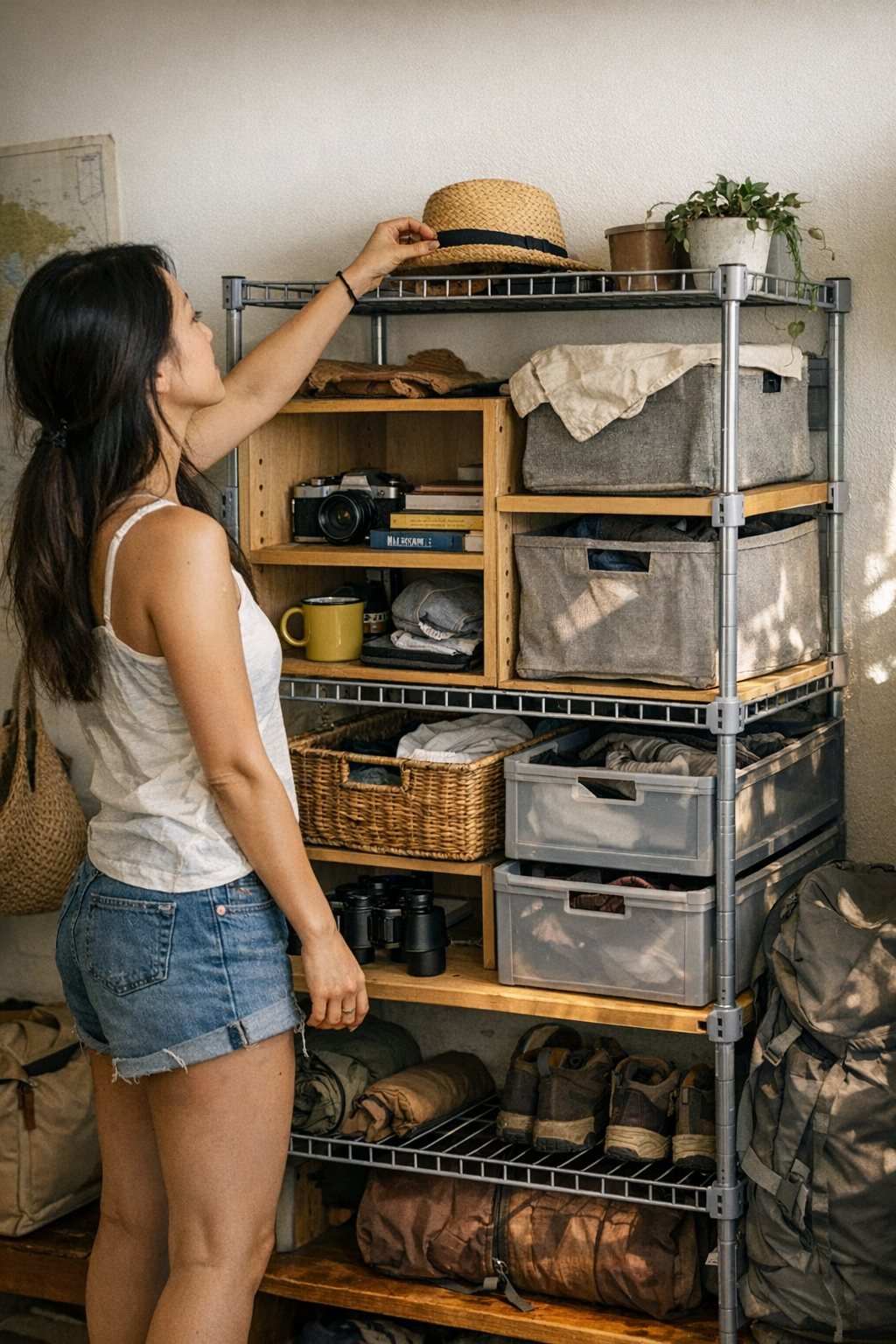
    Nearby, a modular shelf setup adds to the ease of access. A recent little tweak involved removing the bottom rail and swapping in a basket module at a lower level. Now my scarves and gloves sit where I can grab them one-handed—no tools, just a quick twist by hand. These small, adjustable features create a storage system that flexes with weekly rhythm and seasonal changes.

    Midday Reality: When Clutter Grows and Storage Flexes

    After running errands, the afternoon sun hits the entryway, illuminating a bulging basket under the coat hooks filled with scarves and mittens spilling over the rim. It’s a moment that reminds me storage solutions aren’t about perfection; they’re about managing daily life. Sometimes things sprawl, and that’s okay.

    While lunch heats, I shift things around—moving clear bins to higher shelves or placing them in the shoe and bag area beside a stackable shoe rack. Shoes that used to pile up now appear in neat pairs. No more digging or wondering where the rain boots disappeared.

    The Tangible Comfort of Functional Parts

    There’s an odd satisfaction in the feel of these clear bins—the plastic edges, the snap as a bin slides back into place, the quiet click of a drawer settling into rail slots. Small adjustments like these soften the irritation of clutter because they give me a hands-on way to insist on order in the chaos.

    Clutter doesn’t vanish, but seeing every item makes it easier to handle in real time.

    Quick Fixes and Simple Repairs: Maintaining Order with Minimal Effort

    Everyday organization is a dance. Take the mid-afternoon stumble: I reach for a sweater from a fabric cube, and the careful stack on the rolling rack starts to slump, causing a drawer to tilt just enough to send socks drifting toward the edges.

    Rather than a full-scale collapse, it’s a minor shift I catch early. I retrieve the stray sock, reset the drawer divider, and lower the middle shelf one notch to fit the boots better. Tightening the shelf screws by hand ensures everything stays put until the next round of rearranging. These minor repairs and tweaks feel almost automatic—and preventing small slips helps the space stay manageable.

    Refresh Tip: Embrace Flexibility to Reclaim Energy

    When clutter slows you down, a subtle change of perspective can help. Instead of trying to enforce a rigid, perfect system, embrace flexibility. Adjust shelves, swap baskets, or reprioritize what’s most accessible based on what the season or your schedule demands. By allowing your storage to bend with your life, you’ll reduce frustration and maintain a sustainable rhythm. This mindfulness shrinks the sense of overwhelming clutter, turning storage from a chore to a form of self-care.

    End-of-Day Rituals: Slowing Down with Order

    Evening quiet settles in as shoes return to their spots on the shoe and bag rack, and the last clean face mask finds its place in a dedicated divider. Clear bins glide back onto their rails with gentle clicks, and shelves shift up a notch—like tonight, raising the snacks bin above the cat’s reach.

    The open shelving below the coat rack keeps order as I nudge baskets into place. The rolling utility rack rotates back into its “okay for now” spot. It’s a sequence, a rhythm that signals the day’s end. The satisfaction? Minimal but meaningful. The small reward is knowing I didn’t buy an extra bottle of hand soap because I could see what I had.

    Living with Clutter: Practical Tips for Sustainable Organization

    Clutter never fully disappears, no matter how many bins or racks you have. Stuff finds a way to fill the space you give it — scarves, mail, things tossed in absentmindedly. The trick lies in making a system easy to maintain through subtle design choices:

    • Choose adjustable storage: Modular shelves and bins you can move or resize make it easier to adapt if your needs shift.
    • Keep visibility front and center: Clear containers mean fewer accidental duplicates and less wasted money.
    • Designate zones for categories: Shoes together, scarves and gloves in one basket, small essentials in a top clear bin—all help reduce daily decisions and mess.
    • Engage with small maintenance: Tightening screws or rearranging shelves by hand encourages regular upkeep because it’s simple and immediate.

    Having each item visible doesn’t mean perfection; it means understanding. The quiet confidence of knowing what’s there, what’s running low, and what doesn’t belong helps smooth the daily flow.

    Final Thoughts on Everyday Order

    Clear bins and modular systems won’t erase clutter overnight, but they can transform how you interact with it. When you can see what you own, you stop buying what you don’t need. Adjustability means your storage bends with your life, not against it.

    Simple acts—sliding containers home, tightening a screw, bending a shelf up a notch—bring tangible ease to the complex task of daily organization. It becomes less about fighting mess and more about creating a gentle flow. That’s a valuable shift.

    The charm of clear storage lies in its real-world practicality: it lets you keep pace with daily life, minimizes surprises, and restores a small but vital sense of control. And sometimes, that’s all we need to start turning chaos into calm.

  • Why Do Drawers Drift? Lessons from a Living, Shifting Home

    Some mornings, it’s the shoe pile by the door that catches your eye. Other times, it’s the subtle, slow resistance of a drawer that no longer slides smoothly, barely out of alignment but enough to slow you down. In many homes, storage is a dynamic, shifting part of daily life—always adjusting to what’s needed, what’s used, and what’s put away at the last moment. It’s a reminder that no matter how well-crafted or thoughtfully assembled, organizational systems are living entities that flex and move with the rhythm of life.

    The Gentle Drift of Daily Use

    When you first set up modular shelving or clever drawer organizers, you imagine a perfect order—everything in its place, neat, tidy, and easy to access. But soon enough, the perfect order begins to drift. A running shoe slides underneath a ballet slipper. Flip-flops settle on top or beside sneakers. Over time, shelves slightly tilt or drawers lose their crisp alignment. What looks like small imperfections are actually signs of life moving through your space.

    This kind of movement isn’t a failure; it’s a sign that the system you’ve put in place is flexible. The shifting and settling allow it to absorb the daily rhythms—kids grabbing coats, the dog nudging a shoe out of place, the rush to get out the door. These adjustments are how any organized space truly lives. The small imperfections are signals that your home is not just a static display but a place in action.

    Embracing Imperfect Order

    For example, a drawer that won’t quite close all the way might need a simple nudge or to be realigned every few days. It acts almost like a muscle memory exercise. Checking the sliding rails underneath, tightening connectors, or adjusting shelf heights become part of a natural routine. These tweaks don’t detract from the overall order but keep your system functioning smoothly.

    One morning, you might fix a drawer divider to prevent hats from tumbling into a general yarn pile, while another day you swap baskets to accommodate different items—scarves exchanged for grocery bags or sweaters folded differently in fabric cube organizers. This adaptability is the beauty of modular systems, offering you control without rigid constraints.

    How to Maintain Harmony in a Modular Storage Setup

    Over weeks and months, you’ll notice that storage containers tend to fill up more than you expect. Clear bins brim with leftovers, reusable bags multiply, and shoe baskets often hold an extra hoodie or a forgotten jacket. Your belongings naturally expand into available space, highlighting the importance of not overfilling or forcing items into too-tight spaces.

    Here are two practical tips to keep your modular storage manageable:

    • Regularly reassess and adjust shelves: Rather than setting everything once and forgetting it, take time every few weeks to tweak shelf heights and bin positions. This keeps storage efficient and aligned to the items you currently use.
    • Allow space for ‘overflow’: Keep some baskets or bins intentionally less full so that new items have a place to land without cluttering counters or floors.

    A Refresh Tip: Shift Perspective to Sustain Order

    When clutter begins creeping in or drawers resist sliding open, it’s tempting to see it as a sign of failure or missed upkeep. Instead, try reframing the situation. View these little shifts and adjustments not as annoyances, but as opportunities to reconnect with your space. Take a moment to kneel down, realign a drawer, or move a basket. Treat it less like a chore and more like a brief meditation.

    This shift in mindset can transform maintenance from a frustrating task into a mindful pause. It helps to sustain motivation, reminding you that order is an evolving dance.

    Why Flexibility Trumps Rigidity in Home Storage

    Locking everything rigidly into place might promise a perfect, unchanging system, but it also removes the natural flow that keeps your daily routine smooth. Storage that’s too fixed can quickly become a source of frustration when life pushes back—when you add new items, change routines, or discover a better use for a shelf.

    Instead, allow your modular systems to breathe. Let shelves slip slightly, bins tip just a fraction, and hooks slide to new positions as needed. This flexibility isn’t imperfection; it’s resilience.

    Final Thoughts

    After a busy day, when you pick up hats from the wrong spot, swap the positions of baskets, or adjust drawer dividers, you’re engaging in a continual process of creating order that suits your life—not one that forces your life into a rigid pattern. As the sun catches the edges of your shelves or service carts under the evening light, the slight imperfections tell a story: your home is well-lived, ever-changing, and resiliently organized.

    When the first drawer sticks or a shelf begins to tilt, see it not as a setback but as part of the ongoing relationship you have with your space. Modular storage is most effective when it adapts and absorbs the unpredictability of daily life, continuously making room for whatever tomorrow brings.

  • Why Do “Temporary” Things Quietly Take Over Our Space?

    When Temporary Clutter Becomes a Quiet Habit

    Clutter has a way of creeping in, often disguised as “temporary.” Maybe it’s a tote bag set down for a moment, the rain jacket hung just inside the door, or a storage bin meant for donations but quickly repurposed. What starts as a brief pause frequently settles into a pattern: the “just for now” becomes a habitual resting place for everyday things.

    This phenomenon is all too familiar. You start the day intending to tidy quickly, but the sheer momentum of busyness shifts those plans. Items land wherever there’s space—not because it’s ideal, but because it’s easier than moving them immediately to their true home. Over time, those “temporary” zones expand unnoticed, morphing into semi-permanent clutter hotspots around the house.

    The Quiet Build-Up in Everyday Spaces

    The front closet often becomes a perfect example of this slow takeover. Coats overlap with fabric cubes that gobble up scarves and gloves, while rain boots engage in a constant rivalry with running shoes for floor space. Drawers groan under the weight of miscellany, occasionally sticking when opened—small warning signs of the creeping disorder.

    Clear bins intended for seasonal donations quickly morph into catchalls for mail, reusable bags, or unfinished projects. Baskets once reserved for winter accessories become overstuffed with receipts and cards, blurring the line between organization and clutter. A jammed umbrella, a bag of dry cleaning, and piles of everyday essentials reveal the invisible gravity pulling “temporary” things toward permanence.

    Action Tip: Designate Single-Purpose Drop Zones

    To prevent this accumulation, create dedicated—and clearly defined—drop zones for frequently used items. Instead of letting items migrate to multiple spots, assign one reachable basket or shelf for each category: mail, bags, or outerwear. This focused approach helps keep “temporary” from spreading, encourages consistent habits, and makes it easier to know where everything belongs.

    Midday Insights and Small Interruptions

    Even the best intentions can get derailed during the day. Whether it’s a text message, a timer beep, or just the demands of daily living, interruptions mean shelving or only partially completing organizing tasks. For example, raising a shelf to fit cereal boxes might get paused midway, leaving the whole setup slightly unstable and visually off balance.

    Moments like these highlight a subtle truth: often, we’re not asking where things should go but testing how far we can stretch our energy until we stop. This threshold determines how clutter settles, how order yields to convenience, and how today’s quick fix can become tomorrow’s hassle.

    Refresh Tip: Shift Perspective with Micro-Tidying

    Rather than aiming for perfect organization in a single session, consider micro-tidying bursts throughout the day. Even 5-minute resets—like realigning a shelf, tightening a loose screw, or straightening a basket—can ease the tension in your spaces. These small adjustments refresh your environment without overwhelming your schedule or motivation.

    Living with a System That Evolves

    Modular and expandable storage solutions bring valuable flexibility. An expandable shoe rack or adjustable shelves can be recalibrated as needs change, helping prevent frustration and the inertia that makes clutter stick around. Fixing loose connectors or repositioning hooks means less hassle and keeps your system responsive and user-friendly.

    Yet even with flexible systems, perfection isn’t the goal. Drawers might still jam occasionally, piles may form, and shoes can stil stray. What matters is creating a rhythm that invites order most of the time, while accepting natural moments of disorder without panic.

    Small Shifts, Big Impact

    Simple moves can open up surprisingly generous space. Adding a wire basket to a utility rack to catch stray scarves, consolidating cleaning supplies into one stackable container, or lowering a shelf by a few inches to fit bins more comfortably often makes the difference between chaos and calm.

    Equally important are accessible hooks for daily bags, low racks for shoes, or designated areas for umbrellas and hats. These accessible, inviting spots encourage items to return to their place. Though not every single thing finds its home immediately, the pull of these little landing zones keeps the rhythm moving.

    Embracing the Flow of “Just Enough” Order

    The lived-in home isn’t sterile or perfectly polished; it’s familiar, warm, and functional. Pet hair drifts in the soft lamp glow, books await attention, and the gentle hum of daily life carries on. Systems that balance flexibility with intention allow space for tomorrow’s mess while keeping enough order to find the door unblocked.

    In the end, clutter isn’t always about what we own, but how we relate to it day to day. Making space for small habits, tweakable systems, and gentle resets fosters a home that supports life’s ebb and flow without feeling like a battleground.

    For more ideas on organizing with modular convenience and adaptable storage solutions, explore categories focused on these practical systems.

  • Why Finishing Your Cleanup Brings More Peace Than Organizing

    Embracing the Chaos: The Real Rhythm of Closet Organization

    Most mornings start with a small frustration: a missing sock, a jacket sleeve caught behind a rack, or a drawer that won’t close properly. These moments reveal an important truth about organizing — it’s less about achieving perfection and more about how you finish each day. Our closets may look neat at first glance, but open a drawer or shift a shelf, and you’ll see just how fleeting order really is.

    Closet organization is rarely a one-time project. Instead, it’s a dynamic process, shaped by everyday use, small adjustments, and the inevitable shifts that come with life’s demands. Even the most carefully planned wardrobes are subject to the real world where finishing well is more important than flawless order.

    Morning Chaos: The Reality Behind the Routine

    Light filters through the hallway as you scramble for socks—finding one quickly, while the other stubbornly hides under yesterday’s dog leash. The clear bins on the top shelf seem perfect until you realize yesterday’s running hat squashes one side, causing it to lean precariously toward the closet light.

    Pulling the jacket off the rack follows a familiar rhythm: snap the clip, nudge the rolling utility rack out of the way, and reach for the fabric cube below the shoe and bag shelf. The simple act of swapping items out pulls you into a series of small fixes. Loose screws get tightened by hand; overloaded shelves wobble under the weight of an overflowing tote. These are the small, unnoticed interruptions that shape your daily experience.

    Your gym bag goes on the lower rail hook, causing cubes to lean and tilt sideways. Gloves drop. You pick them up. It’s less about perfect placement and more about managing what can’t be avoided. Mornings are less organized than sorted by urgency.

    Midday Check-ins: Small Adjustments, Big Impact

    Later, at lunch or mid-afternoon, you might find yourself shuffling things around again—maybe to drop off a t-shirt or just to reset the balance. The stackable baskets drag on their dividers, nudging shelves higher or lower to make room for a sweater. These micro-actions reflect an ongoing relationship with your space rather than a completed task.

    Yet, the shelf you moved this morning might have already begun to slip under the weight of a blanket. Fabric bins pile next to the divider, almost spilling over. Shoes at the bottom peek out loose and lopsided. You slide the drawer in and out, testing for sticking. The effort reveals a simple fact: organizing is less architectural construction and more a series of ongoing, half-intentional movements. Every neat moment is really just a pause.

    The Evening Unraveling—and Starting Over

    By late afternoon, things often start to fall back into mild disorder. Shoes tumble, the door jams on rain boots pushed forward, and shelves and racks become crooked. This isn’t failure; it’s the natural rhythm of a lived-in space.

    Undoing the day’s little collapses is rarely as hard as anticipated. Swapping baskets, snapping connectors back, tightening screws — these small acts restore balance and make the space functional again. It’s normal and perfectly human.

    Recognizing this cyclical maintenance allows you to see organization differently—not as a one-time fix, but as an ongoing, gentle practice with valuable small moments of closure.

    Practical Tips for Managing a Dynamic Closet

    • Focus on the finish: Instead of aiming for perfect order, prioritize actions that clearly close cycles—like fully closing drawers, straightening shelves, and pushing racks flush.
    • Use flexible storage: Clear bins and stackable baskets work best when they can shift slightly without causing the whole system to lean or tip over. Keep some breathing room around them to absorb daily adjustments.
    • Allot a daily 5-minute “reset”: Take a moment before bed or first thing in the morning to quickly realign loose items and check for sticking drawers or loose screws.

    A Refresh Tip: Shift Your Perspective on Clutter

    One subtle shift that helps manage closet frustration is viewing clutter not as a failure, but as evidence of a well-used, living space. Instead of seeing every misaligned basket or leaning box as a problem, think of them as signposts for where your system is most active and useful. This mindset reframes your efforts—from fighting imperfection to nurturing functionality. It encourages consistent follow-through without pressure for ideal conditions.

    Finding Peace in Imperfection

    As dusk turns the bedroom blue, there’s a softness to putting things back. Gathering scattered socks, sliding shoes into racks, dropping bags into cubbies—isn’t about perfection but about a small sense of completion. Closing the closet door signals readiness, not pristine order.

    Half my life has been spent organizing and reorganizing, often chasing a perfect vision. But the true satisfactions come from finishing well. The closet settles when I do. And that finish—small yet significant—brings a quiet peace at the end of the day.

    Living inevitably brings new items, shifts, and messes. But when shelves hold, racks stay level, and baskets can absorb daily use, the space becomes manageable. Keeping hooks available, maintaining breathing room, and finishing each action with intention creates an ongoing neutral that supports your lifestyle instead of fighting it.

    When you find yourself resisting the next small mess, remember: it’s less about organizing perfectly, and more about making sure you finish. Every closed door is a small victory.

    ClosetWorks

  • Why New Organizers Rarely Solve Your Closet Clutter Problem

    Sometimes, even with closet doors firmly shut, the disorder reveals itself: a tote bag leaning against a pile of flats, a lone scarf draped unevenly across a fabric organizer. I used to believe one more clear bin or the latest stackable basket set would be the magic fix. Instead, the overflow softened and slipped around, settling quietly where I least wanted it. Each morning starts the same: navigating a half-toppled pile, smoothing out a plan from the day before, quietly wondering if I’m addressing the right problem.

    It’s tempting to think a new storage container will finally tame the chaos because it feels promising the moment you bring it home. But sometimes messes don’t truly disappear — they just rearrange while you look the other way.

    Living with the Daily Shuffle

    Shoes are the classic culprit. Mine tend to hover somewhere between “neatly lined up” and “nests of layered pairs” on the closet floor by midweek, especially on busy mornings. I reach for ankle boots, only to find them hidden beneath a puffed-up gym bag. As I shift one pair of ballet flats, a sweater sleeve spills halfway out of a fabric cube organizer below. And sometimes, I get an odd sense of victory discovering that bag I searched for yesterday, tucked oddly on a rolling rack by accident.

    Minor fixes become routine. I straighten a crooked drawer divider or nudge a shelf up a notch to make my denim stack fit better. These simple motions take less than a minute but often signal whether the rest of the morning will be smooth or tipped by toppled bins and sliding coats. The modular shelving—minimal and narrow—offers just enough flexibility to pretend I have control, at least until I’ve had coffee.

    Work-from-Home Clutter and Constant Adjustments

    Working from home blurs the lines of tidiness. By midday, the mess from the morning rush lingers. The stackable baskets have slid out of place, likely disturbed during a quick lunch shuffle. I push a shelf lip back in place, tucking snack bags behind it. Then, almost absentmindedly, I reposition a shallow basket a little lower in the rails so it holds more without feeling cramped.

    Small details catch my eye—a slim cabinet door slightly ajar, revealing hooks that mostly hold nothing but a stray koozie. I close it, feeling the cool metal under my hand. Often, I find items there I “tested” out, threatening to turn into clutter yet to be fully admitted as part of the system. There’s a rhythm of small adjustments: tightening a loose connector here, lifting a shelf there. Over time, I realize the things I keep visible are exactly the items I actually reach for, not the ones stashed away.

    Mid-Afternoon: Accepting Small Failures

    As afternoon arrives, tensions between order and chaos manifest with a subtle crash. A drawer resists opening due to a sweater caught at the edge, prompting a quick investigation. The divider has loosened and tilted at an awkward angle; I carefully realign it as my fingers press against cold metal. Nearby, an oversized clear bin leans dangerously close to falling, propped awkwardly by a stray sandal. I lift the sandal gently and reset the bin before disaster strikes.

    These moments aren’t dramatic but stick with me—an ongoing tug-of-war with my setup. The urge to buy “just one more basket” flits through my mind, but I know the racks and rails themselves are fine. It’s the habits that need adapting. I slide the basket module out, glance at the whole setup, and click it back into place slightly higher. I replay the scenario in my head: if this piece shifts, will everything topple? Not today, but it’s a close call.

    Evening Routine and Improvised Systems

    By evening, my closet has become a small museum of trial and error. I swap my day bag onto a low rail hook—elegant compared to the disarray near the door before, yet still an evolving system. Sneakers line the lower rack in no perfect order but close enough to feel intentional. The rolling utility rack holds shoes and scarves and waits quietly in the hallway. I notice how often I move the same bins across units, clicking them into whatever fits.

    Adjusting shelf heights for oddly shaped totes becomes a nightly small victory. Seeing things stand upright and within reach, even if not perfect, brings satisfaction. The real success isn’t about fitting everything into a fixed space but allowing the setup to flex with life’s daily demands. The quiet after these efforts—when I finally settle down to relax—is the true reward.

    The Reality of Flexible Organization

    There’s an almost gravitational pull in closets: no matter how well you place baskets or how clear your bins are, life naturally deposits new items on top or behind, quietly shifting your careful order. New hats, scarves, bags, shoes, and oddments slip in daily.

    The key is building systems you can easily tweak—snapping things tighter, adjusting shelves, or repositioning rails quickens the process and keeps everything standing rather than toppling. For those who move items frequently, hand-tightening connectors offers peace of mind and prevents wobbles.

    When bags and shoes stay visible—lined up along a rack or slipped onto a well-placed shelf—they’re used more often and less likely to be squeezed away into awkward spots. Organization isn’t a set of rigid rules but rather creating enough breathing room for everyday life’s ebb and flow.

    Refresh Tip: Embrace the Fluidity

    If your systems feel more like cages than helpers, try this: once a month, take a fresh look at how you’re using each shelf, bin, or hook. Rather than forcing each item into its “assigned” place, allow yourself the flexibility to move things where they actually end up most often. This subtle shift from “fixed” to “fluid” reframes organization as ongoing adaptation rather than a one-time chore. Not only does this lessen frustration, but it gives your closet room to breathe alongside your life.

    Remember, a closet isn’t just a storage unit—it’s a living space shaped by your habits, routines, and small adjustments. By welcoming impermanence and tuning your system to the rhythms of daily use, you’ll find surprising ease amid what once felt like chaos.

  • The Quiet Comfort Found in Effortless Pet Mess Cleanup

    Before the day fully begins, there’s a certain quiet motion in the kitchen. Water runs into bowls, the fridge opens briefly, and paws pad softly across the tile floor. An old orange cat watches intently, her tail tapping rhythmically against the cabinet as the bowls are rinsed under warm water and set carefully on a mat by the window. The morning light mixes with the rich aroma of coffee, setting a calm, familiar tone.

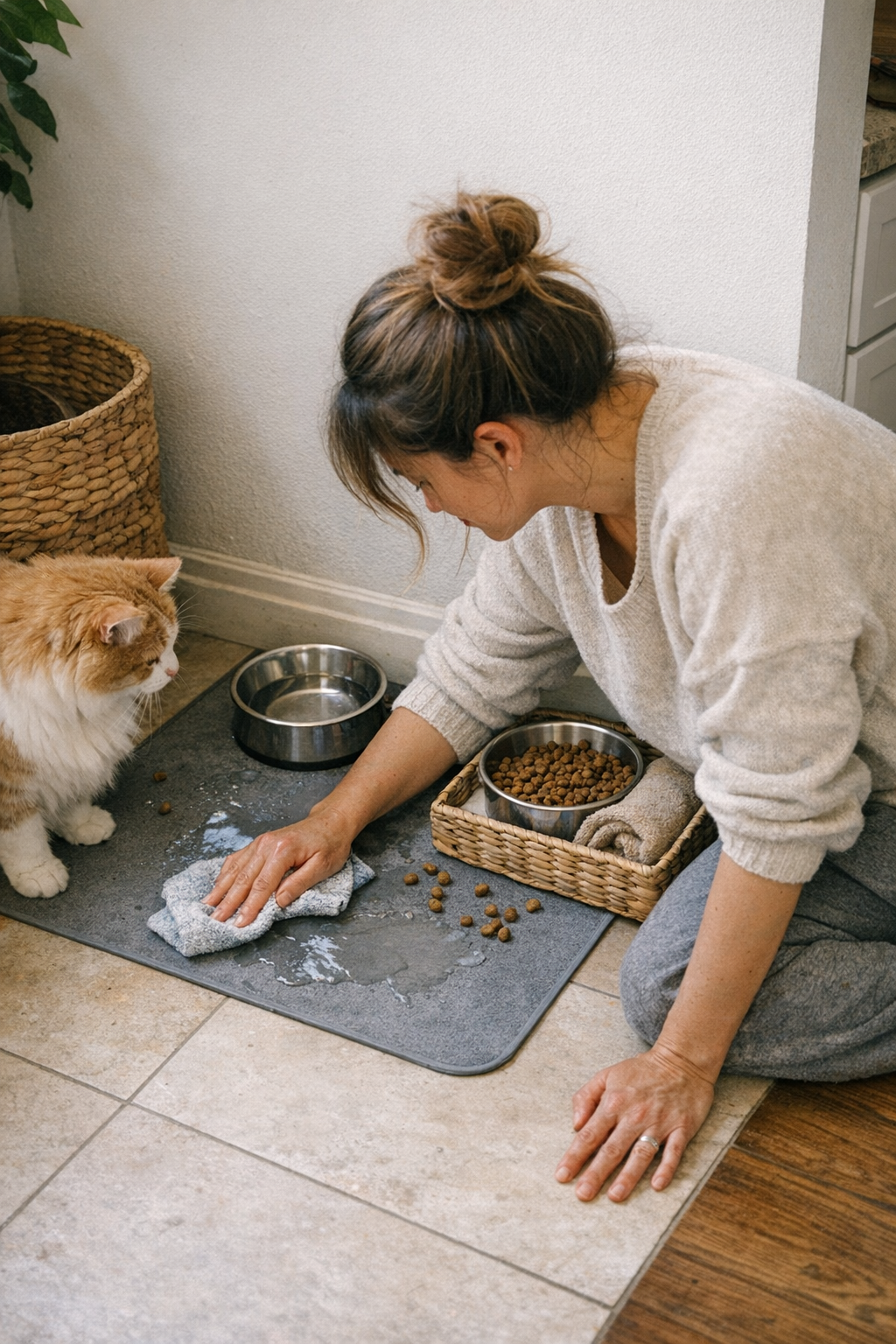
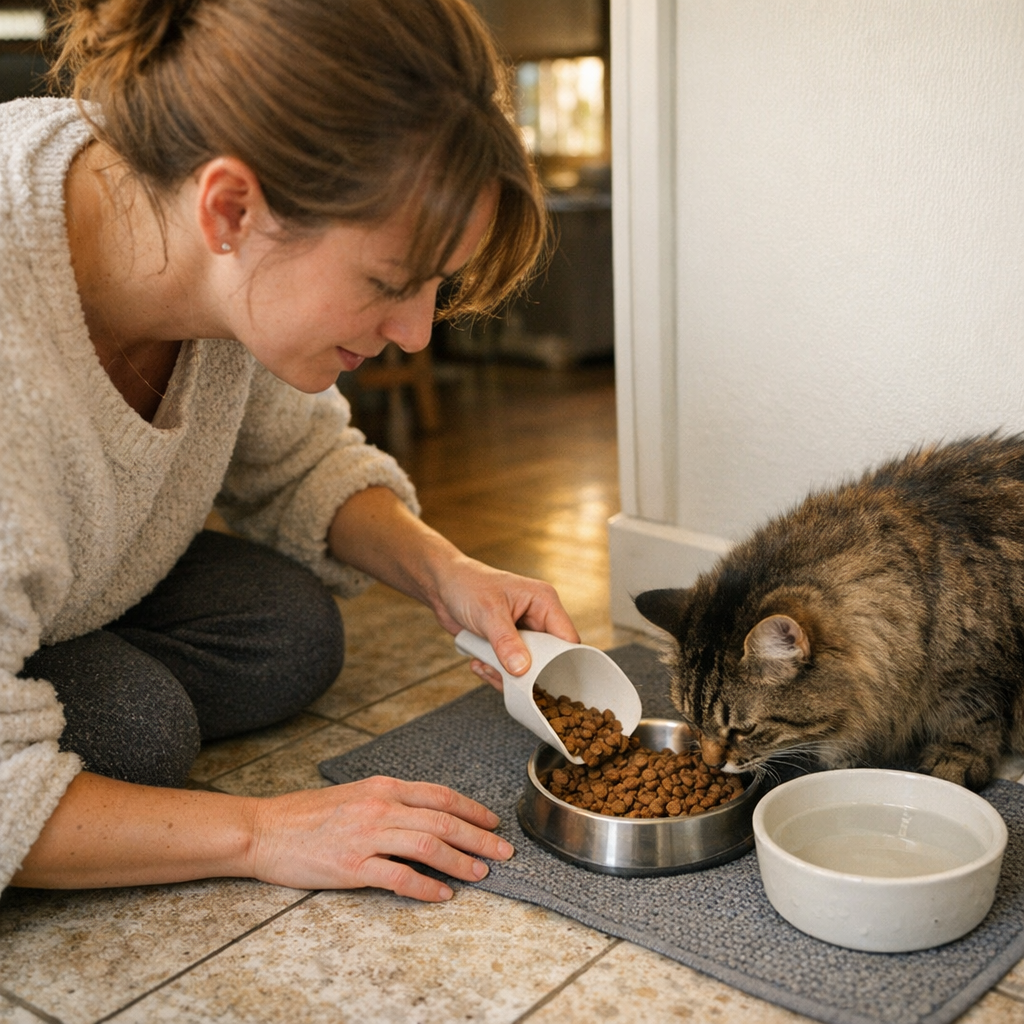
    The feeding area is simple but thoughtfully arranged: a sturdy bowl sits squarely on a gray spill mat, ready for any morning mishaps. Water is poured into a wide glass dish for the dog, and kibble is scooped into another bowl, completing the ritual by around 7:15. It’s a peaceful moment, a small world of crumbs and droplets that can be quickly reset before the day truly starts.

    Creating a Functional Feeding Space

    Having a dedicated pet feeding area that’s easy to clean can make all the difference. Spill mats and washable bowls catch water and kibble, preventing mess from spreading. The relief isn’t about never having spills, but knowing the area can be tidied up quickly without disrupting the whole morning routine. This setup invites calm, even if a paw or a flick of a tail changes the usual rhythm.

    The Reality of Pet Hair Around the House

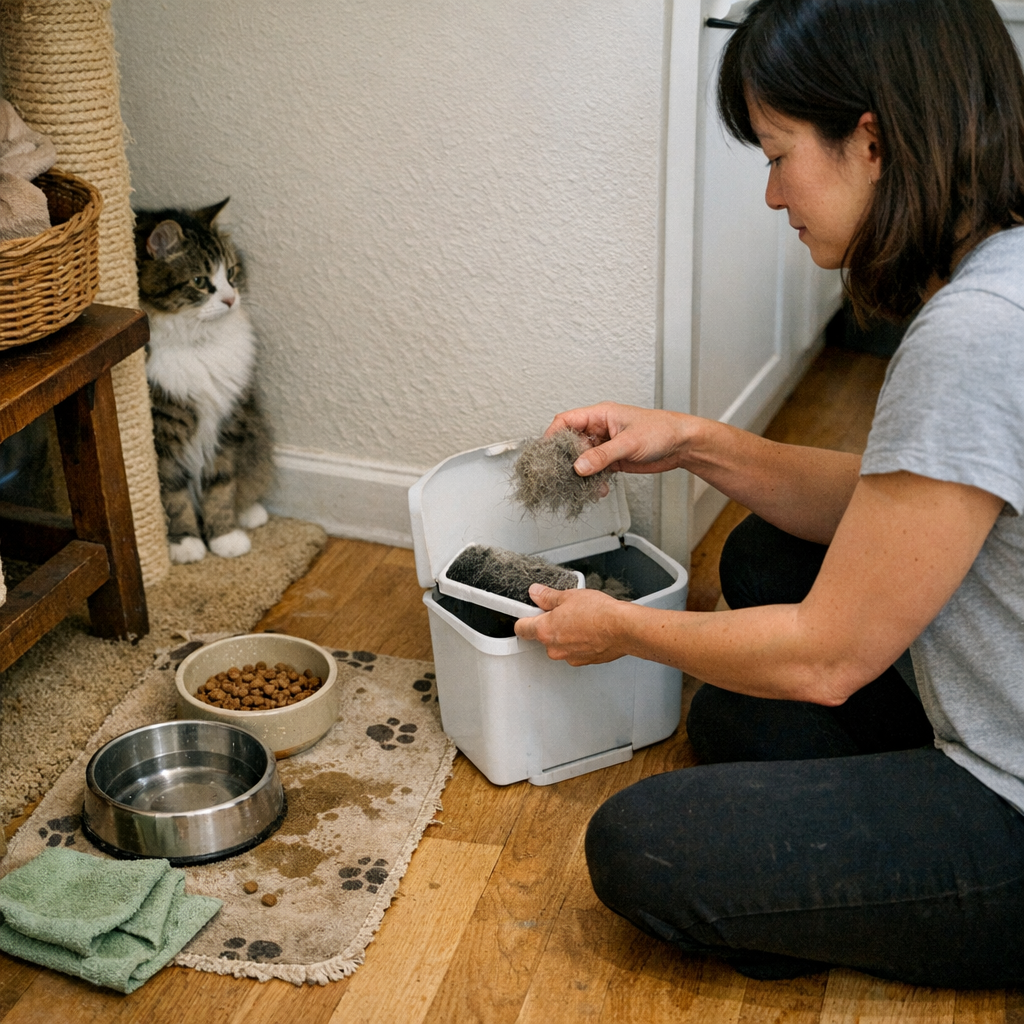
    By midday, the scene shifts to the living room, where fur’s presence is undeniable. The couch’s left armrest becomes a quilt of tabby and golden retriever hair—one plush and thick, the other wiry but persistent. Brushing the dog releases bursts of undercoat that cling to clothes before swirling into tiny tornadoes across the hard floor.

    While the brush gathers most of the loose hair, it takes a lint roller to peel away the strays stuck to fabric and furniture. Regular grooming is helpful but far from perfect; pet hair seems to travel in surprising ways, sometimes turning up far from where the pets have been. Small deposits on dining tables and countertops are common reminders of this wandering fur.

    Tip: Manage Shedding With Consistency

    Groom your pets daily during high-shedding seasons, and consider using a vacuum with a pet hair attachment at least weekly. Not only does this reduce hair buildup on furniture and floors, but it also helps alleviate allergen accumulation, creating a fresher living environment.

    The Afternoon’s Little Surprises

    The afternoon can feel like an ongoing surprise, with small messes popping up without warning. A quick pass by the kitchen island might reveal a cold, mushy treat pressed off its mat by a determined snout. But with a damp cloth and a bit of attention, the space returns to order. Hands learn to move swiftly to scoop leftover kibble, wipe down surfaces, and tuck cleaning supplies back into their places.

    Storage plays a subtle but crucial role in maintaining this order. Brushes, leashes, waste scoops, and towels have their designated bins and closets. This clear organization helps manage the frequent bursts of pet-related chaos, leaving a small sense of control and calm amidst the daily flow.

    Refresh Your Routine: Embrace the Small Resets

    Pets bring constant activity and unpredictability, but it’s the small, intentional resets throughout the day that truly shape the home’s atmosphere. Instead of trying to achieve perfect cleanliness, focus on these moments of tidying as opportunities to pause and center yourself. A quick swipe of a mat, a flick of a lint roller, or a gentle reorganizing can provide a sense of calm and readiness.

    By reframing cleanup as a habit of renewal rather than a chore, you invite a gentler rhythm to your day—a reminder that life with pets is a dance of mess and reset, movement and stillness.

    Evening Wind-Down with Pets

    As the day wanes, the pets settle into their favorite spots—cat curled in the last warm sunbeam, dog releasing a deep sigh of contentment. The water bowl is checked and topped, wiped clean of stray hairs and nose prints. The towel near the entryway is folded, quietly signaling the close of daily activity.

    It’s not about achieving spotless perfection but rather cultivating a space that can feel easy and peaceful again with minimal effort. These daily rituals, small but consistent, support a harmonious pet-friendly home where mess is part of the rhythm, and reset is always within reach.

    Living with pets means embracing a cycle of little messes and gentle cleanses—a steady heartbeat that keeps the home lively and lived-in, but always ready for what the morning will bring next.

    CalmPetSupply

  • How a Simple Wipe-Ready Spot Brings Calm to Pet Chaos

    Welcoming the Day with Pets: Morning Rituals and Realities

    Mornings can come sooner than we’d hope, especially when you share your home with eager pets. My gray tabby greets the day by circling her feeding mat, tail held high, signaling it’s breakfast time. At the same time, the dog subtly waits nearby, eyes locked on his bowl, sometimes even sneezing on the floor from excitement. The familiar sounds of kibble dropping into bowls and the water fountain refilling form a comforting morning soundtrack, blending the needs of pets with the gentle hum of waking hands.

    Embracing the Mess: Practical Tips for Feeding Areas

    Keeping a calm home while caring for pets means accepting a certain level of mess as part of the daily rhythm. Spills happen, but quick wipe-downs minimize any accumulation. A feeding corner designed with easy-to-clean surfaces and durable placemats helps contain messes, making cleanup manageable. Despite careful setups, some water nudges by paws and small spill surprises are inevitable.

    One practical tip is to invest in sturdy, waterproof placemats with raised edges that catch accidental splashes or scattered kibble. Regularly check and replace worn mats—especially those fraying at the edges—to maintain hygiene and an orderly space. Having cleaning cloths or microfiber towels nearby ensures any drops or paw prints can be addressed as they occur, preventing stains or tracking.

    Midday Grooming: Managing Fur and Shedding

    By afternoon, the sun streams through windows, illuminating dust and shedding fur in stark relief. Regular grooming sessions become both necessary and enjoyable moments of bonding. Brushing your dog helps reduce loose hair in the environment and keeps coats healthy. For cats, using a gentle comb or grooming mitt can ease shedding.

    It’s common for fur to cling persistently to soft fabrics—clothing, upholstery, or blankets—so keeping a lint roller or pet brush handy is invaluable. When brushing, place a towel or blanket beneath to gather fallen hair efficiently, making disposal quick and clean. Incorporating a daily or every-other-day grooming schedule can significantly reduce hair buildup on furniture and floors.

    Quick Grooming Refresh Tip:

    If you find shedding overwhelming at times, try switching to grooming in short, frequent sessions instead of long sessions. Breaking it down helps not only with easier hair collection but also keeps pets more relaxed and cooperative. Using gentle, calming strokes and rewarding your pet afterward transforms grooming from a chore into a pleasant experience.

    Handling Afternoon Accidents: Water and Paw Prints

    Late afternoons often bring a bit of controlled chaos—empty water bowls get batted around, sending cool waves of water across the floor. Unexpected puddles appear near feeding areas despite your best efforts. Keeping a folded towel or microfiber cloth at hand allows you to quickly absorb spills and mop up paw prints. These quick actions help prevent slippery floors and maintain a tidy environment.

    Many pet owners find that a dedicated cleaning bin—strategically placed near the feeding station—makes all the difference. Store all grooming tools, towels, cleaning wipes, and backup bowls in this bin to keep clutter at bay without sacrificing accessibility.

    End-of-Day Calm: Resetting Spaces Before Night

    As evening settles, it’s time to restore calm to the home. Bowls receive their final rinse, placemats get a thorough wipe, and grooming tools are gathered and stored. Cats often complete the day with a quiet inspection of their favorite spots before curling up in a basket. Dogs find comfort lying on fresh towels, their paws finally still after hours of activity.

    This evening ritual not only resets the physical space but also prepares everyone in the household for a restful night. It’s a small but powerful practice that contributes to an overall sense of order and peace.

    Learning to Love the Fur and Routine

    Living with pets means incorporating grooming, cleanup, and occasional messes into your routine. Fur will find the softest fabrics to collect on, and water bowls may lean toward the edge of the mat, but these moments become part of everyday life. Ready access to cleaning supplies and organized storage optimizes your ability to maintain a neat space without stress.

    Developing a habit of quick touch-ups during the day—and a more thorough reset each evening—keeps your home inviting and comfortable for both you and your furry companions.

    For more tips on organizing feeding areas, grooming tools, and establishing manageable pet care routines, see related guides on maintaining a pet-friendly home environment.

  • How a Simple Feeding Mat Transformed My Morning Calm

    Creating a Calm Start: The Importance of a Tidy Pet Feeding Area

    Starting the day with the pets’ breakfast routine can feel like a small battle between chaos and calm. The morning hours, just around dawn, are a time when the household is quiet, but the pets are eager and ready to eat. Finding a way to keep the feeding station neat not only reduces cleanup but helps set a positive tone for the day ahead.

    When the mat under the bowls stays put and doesn’t slide around, and when food stays inside the bowl rather than scattering across the floor, the entire breakfast routine feels lighter. It may sound trivial, but small victories like these contribute significantly to the overall flow of the morning.

    Why a Stable Feeding Station Matters

    Pets, whether cats or dogs, tend to be enthusiastic around mealtime. Their paws, often damp or slippery, can shift bowls and mats around if these aren’t properly anchored or weighted. A high-quality, non-slip placemat placed beneath feeding bowls helps define the feeding area and contain spills. This setup reduces the chances of stray kibble or water getting everywhere and minimizes messes that require extra work later.

    Starting the day with less mess and more order isn’t just about cleanliness – it’s about creating a calm environment that makes the whole feeding and caring process run smoother.

    Midday Grooming: Managing Fur and Pet Hygiene

    As the day goes on, grooming demands attention — particularly with shedding. Cats often leave behind clumps of fur that drift like tiny snow clouds around chairs and sofas. Keeping grooming tools handy and having a regular brushing routine can help manage shedding before it becomes overwhelming.

    Using the right grooming brush for your pet’s fur type is critical. Regular brushing stimulates healthy skin and fur, while reducing the amount of loose hair around the house. However, no matter how thorough the brushing session is, there are always a few stray hairs that escape onto clothing or furniture.

    Practical Grooming Tips

    • Schedule consistent grooming sessions: Even a quick daily brush can cut down on loose fur accumulation.
    • Keep a lint roller within easy reach: This is a simple and effective way to remove stray hairs from clothing, sofas, or car seats quickly.
    • Store grooming tools together: Dedicate a basket or small storage bin to keep brushes, combs, lint rollers, and towels in one place. This minimizes the risk of misplacing them and encourages regular use.

    Keeping Up with the Afternoon Routine

    The afternoon can feel like the tipping point for maintaining order. Pets are restless; water bowls might be splashed, and the feeding supplies can shift from their spots. Regular maintenance throughout the day prevents small issues from turning into bigger messes.

    A Refreshing Perspective: Embrace Small Moments of Reset

    Instead of waiting until the end of the day to tackle every mess or repeat every task, take a few moments during the afternoon to reset any disruptions. Wiping up water spills immediately after they happen, repositioning bowls, or tidying up stray kibble keeps the space manageable. This proactive approach reduces stress and gives you a chance to appreciate the quieter moments you share with your pets.

    Try to view these maintenance tasks not as chores, but as brief pauses that help you reconnect with your pets. This mindset shift can make daily care feel less like a burden and more like a shared ritual.

    Evening Wind-Down: Closing the Day Neatly

    As night falls and the pets settle down, the feeding area requires a final check. Washing and drying bowls after the last meal of the day and wiping down feeding mats remove any residual food or water. This routine not only keeps the area sanitary but also prepares the space for the next day.

    Having a designated storage spot by the door or near the feeding area for brushes, towels, and cleaning supplies encourages consistency. You’ll always know where to find what you need, making cleanup straightforward even on busy days.

    Tips for Streamlined Pet Care Storage

    • Use labeled baskets or bins: This simplifies finding grooming tools and cleaning supplies quickly.
    • Establish a “home” for pet essentials: Whether it’s a shelf, drawer, or basket, dedicated spots help keep daily routines running smoothly.
    • Regularly declutter supplies: Every few months, remove unused or worn items to keep the area functional and inviting.

    Small Adjustments That Make a Big Difference

    Simple changes, like placing the water bowl just a few inches further back from a busy walkway or investing in a weighted, non-slip mat, can transform pet care from a constant cleanup chore to a more peaceful routine.

    Instead of viewing pet care as a series of small disasters to clean up, it helps to embrace the small rhythms and learn where adjustments can reduce friction. Over time, these tweaks make day-to-day care more manageable and enjoyable for both pet and owner.

    Actionable Takeaway

    Find one small element in your pet’s daily setup that consistently causes extra mess or hassle. It might be a feeding mat that shifts, a brush that gets lost, or a water bowl that tips easily. Prioritize improving that one area first and observe how much smoother the routine becomes.

    By focusing on manageable changes, you create a cascading effect that makes caring for your pets easier while increasing the moments of calm and connection you share.

    Overall, integrating thoughtful organization, consistent grooming, and small routine resets helps transform pet care from a daunting task into an enjoyable and satisfying ritual. As the day closes, the home feels lighter, cleaner, and ready to welcome the next morning’s quiet, hopeful start.

  • How a Simple Feeding Corner Transforms My Busy Mornings

    Morning Rituals: Starting the Day with Your Pets

    The start of the day often revolves around simple, comforting routines that quietly set the tone for what’s ahead. For many pet owners, those routines include feeding time—a moment that blends gentle care with practical tasks. Imagine a quiet corner in your kitchen where morning light just catches on your pets’ bowls lined up neatly on a mat. It’s a small ritual: bowls are picked up, last night’s crumbs wiped away with a quick swipe, fresh food scooped in, and water topped up, all before the coffee pot even hisses to life.

    It’s not complicated, but it feels meaningful. A well-loved feeding area doesn’t demand perfection; it’s about creating a calm and reliable space where your dog and cat know what to expect. Food scattered on the mat, a few nose prints on the bowl, or a slightly damp edge from water dribbles don’t signify mess, but rather the hum of everyday life.

    Understanding the Feeding Area Setup

    A well-organized feeding space includes a few key elements. First, a durable, easy-to-clean mat helps catch dropped kibble and water spills, preventing damage to your floor and easing regular cleanup. Ceramic or stainless steel bowls tend to be more hygienic and less prone to odors than plastic. Positioning the bowls slightly apart can reduce territorial disputes between pets and minimize food-splash emergencies.

    Equipping this area with a water fountain or a large, sturdy bowl encourages hydration. Pets can be messy drinkers—often leaving rings or small puddles—so keeping a microfiber towel nearby for quick blotting can make a difference. This careful setup not only supports your pets’ needs but also streamlines your upkeep.

    Maintaining Cleanliness Throughout the Day

    Feeding time isn’t the only regular pet-related chore. Throughout the day, you’ll find fur on your pants, tumbleweeds of hair under the table, and the occasional splash from enthusiastic drinking. Small maintenance tasks woven into your daily routine help keep the living space fresh without feeling like a burden.

    Quick Cleanups: Practical Tips

    • Keep a Lint Roller Handy: Fur on clothing and upholstery is inevitable. Having a lint roller nearby makes touching up before you head out or settle down effortless.
    • Dedicated Brush Storage: Store your grooming tools in a basket near a sunny window or feeding corner. This setup invites regular brushing sessions and helps contain loose fur.
    • Absorb Spills Quickly: A small microfiber towel near the feeding area allows you to rapidly deal with water spills or food messes, preventing any buildup of grime or damage.

    Grooming and Fur Management

    Pets shed, and that’s natural. Grooming sessions become a comforting routine for both owner and animal, reducing the volume of fur spread around the home. Brush your dog and cat regularly, ideally in well-lit spots where you can see the fur as it lifts away. This also gives you a chance to check for any skin irritation or abnormalities, keeping your pets’ health in check.

    For those who want to keep their upholstery and clothes looking fresher, it’s smart to groom pets before they settle on furniture or your lap. Moreover, hair seems to have a special affinity for clean laundry and smooth surfaces, so try to establish designated pet-friendly zones distinct from these areas.

    Refresh Tip: Change Your Focus to High-Touch Points

    Rather than attempting to attack every stray hair, shift your attention to cleaning “high-touch” or high-visual-impact areas on a daily basis. These include doorways, light switch plates, frequently used furniture edges, and feeding zones. This approach creates the impression of a cleaner home with less effort, freeing up energy for the moments that matter most.

    Storage and Organization for Ease and Efficiency

    Keeping pet supplies tidy in a small space can be a challenge but it’s achievable with thoughtful organization. Dedicated baskets or containers placed near feeding and grooming areas keep bags of food, brushes, and towels within reach without cluttering the room. Routinely returning items to their spots transforms chaotic moments into manageable habits.

    Consider using stackable bins or baskets labeled by category—feeding, grooming, and cleaning. This categorization not only saves time during your daily routine but also helps when you’re stocking up or replacing essentials.

    Evening Wind-Down: Preparing for Tomorrow

    End your day with a consistent tidy-up: wash and dry bowls, wipe down mats, put away grooming tools, and dispose of any food crumbs. This sets the stage for the next morning’s routine, smoothing the way for a calm start. While some pet hairs inevitably escape, maintaining this rhythm ensures the home stays welcoming for both pets and people.

    The final calming sight may be your dog curled in a warm sun patch or your cat quietly perched, both content and ready to settle for the night. Moments like these remind us that the effort invested in caring for our pets and maintaining their environment yields rewards bigger than spotless surfaces—it nurtures connection and well-being.