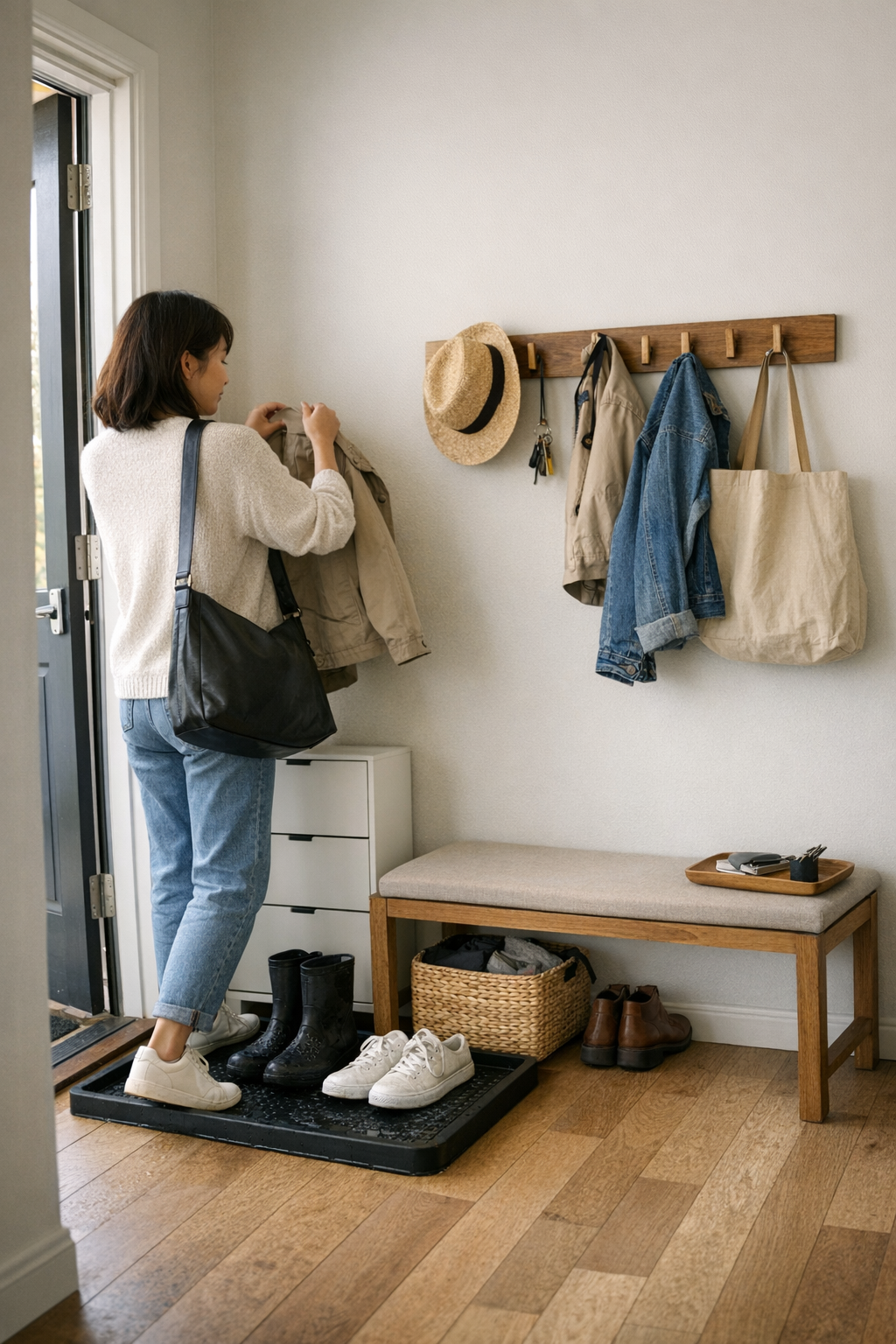
Step inside almost any home and you’ll quickly notice a particular zone just beyond the front door. This small area—often cramped, busy, and prone to clutter—is where the chaos of the outdoors meets the order of the indoors. It’s the threshold where boots, sneakers, and umbrellas congregate, usually leaving behind trails of moisture, grit, and the challenges that come with daily arrivals and departures.
This transition space, often called the landing or entryway, is more than just a passage; it’s a micro-ecosystem where weather, footwear, and household routines converge. Despite the best efforts to maintain neatness, water and dirt find their way inside, creating persistent challenges that affect flooring, visual tidiness, and even the mood of returning home.
The Daily Struggle of the Entryway
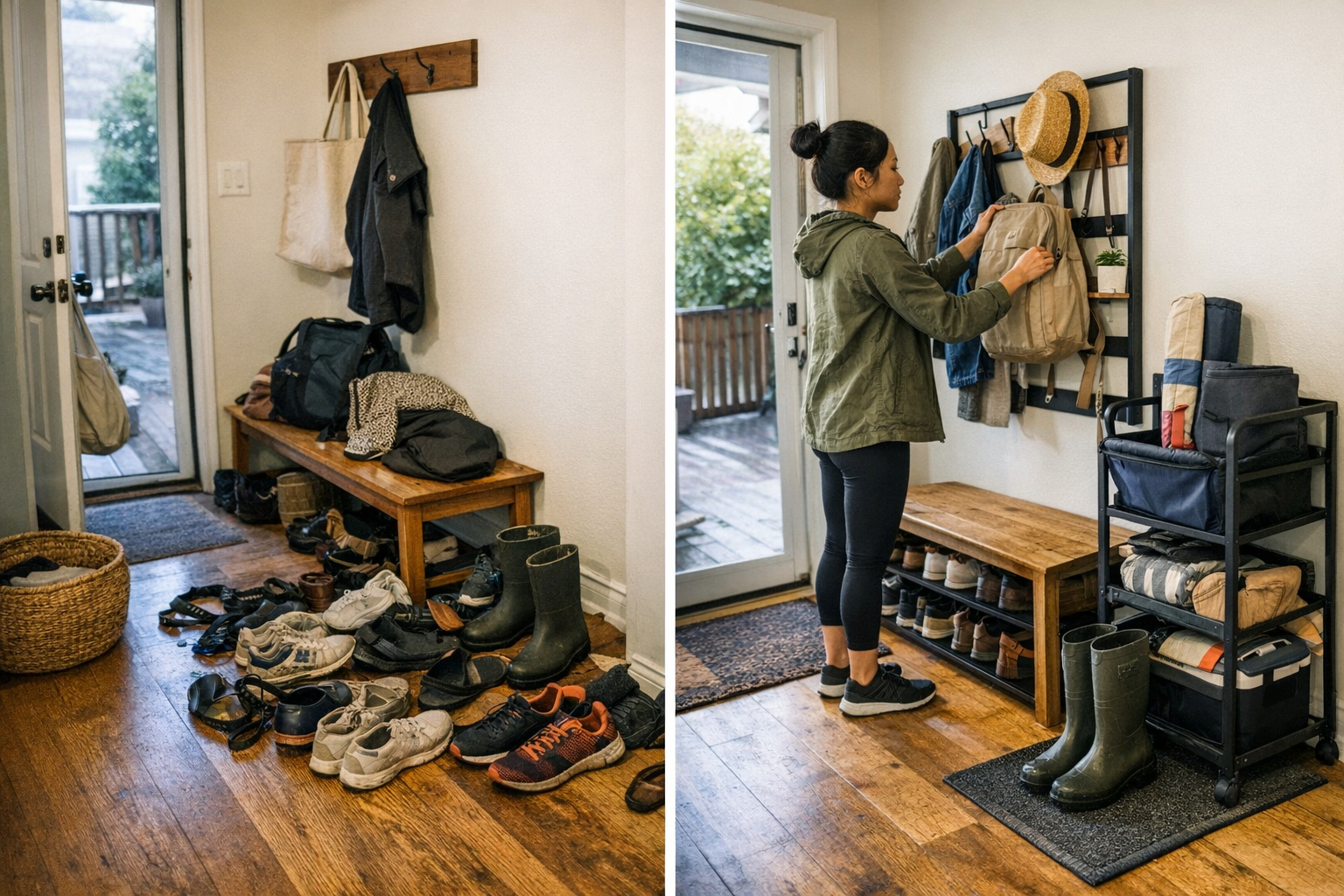
Every day, this high-traffic area becomes a stage for an ongoing battle: managing water, mud, and clutter before the mess invades the rest of the home. A relentless stream of wet boots and dripping umbrellas can quickly overwhelm even the most organized setup. Footprints often spread beyond rugs, pooling water threatens hardwood or tile finishes, and the jumble of shoes can restrict movement in what’s often a narrow space.
It’s a familiar scene to many households—especially during seasons of rain, snow, or mud. Children come bounding in after school, dragging gritty sneakers and soggy boots. Adults arrive juggling bags, coats, and keys, sometimes unable to stop long enough to properly stow away their wet gear. Guests hesitate, uncertain where to place their dripping shoes without creating chaos.
How Wet Shoes and Clutter Impact the Space
Aside from the obvious visual mess, moisture poses a long-term threat to flooring and baseboards. Water seeps into wood grain or grout lines, potentially leading to warping or staining. Dirt and sand trapped underfoot aren’t just an aesthetic nuisance—they can scratch delicate surfaces over time. Plus, a cluttered entryway hinders smooth passage, increasing the risk of slips, trips, and frustration.
The Vital Role of a Drip Tray
Among the many elements designed to tame this chaos, the humble drip tray stands out for its practicality. Positioned strategically beneath the boots and shoes most likely to be wet, the drip tray acts as a frontline defense, catching runoff and containing mess before it spreads. While it might seem like a minor detail, its impact on maintaining order and protecting flooring is significant.
Drip trays come in various materials—rubber, plastic, metal—and sizes, but their common purpose is containment. The raised edges hold water and debris, preventing them from spilling onto sensitive surfaces. Over time, this small addition can make cleaning easier and reduce the cyclic frustration of wet footprints on rugs and floors.
Practical Tips for Using Drip Trays Effectively
- Choose the right size: Ensure your tray can accommodate the widest, muddiest boots your household uses.
- Position near shoe storage: Place it directly under or beside racks to encourage immediate placement of wet shoes.
- Regular maintenance: Empty and dry the tray daily during wetter seasons to prevent odors or mold buildup.
- Combine with absorbent mats: Layering a tray with mats can help speed drying and improve grip.
Beyond the Tray: Optimizing the Entryway Environment
While the drip tray plays a heroic role, it’s just one piece of the entryway’s storage strategy. Other elements—benches, hooks, shelving, and cabinets—work together to organize equipment and keep the area navigable. Comfort is enhanced when the bench offers easy seating for shoe removal, and hooks keep coats and bags elevated well above any potential water.
However, the realities of daily life mean even the best arrangements are tested during peak times: morning rush hours, stormy evenings, or weekend in-and-out activity. The narrowness of many entryways means space is precious, and storage capacity can quickly be exceeded. Overflowing shelves or piles creeping off a bench ring the familiar ‘moat’ of dirt and water.
Refresh Tip: Shift Your Perspective on the Entryway
Instead of striving for unattainable perfection in the transition space, consider viewing it as a flexible, lived-in zone where imperfection is part of its function. Accept that some mess is inevitable but can be managed thoughtfully. Periodically reassess and rotate storage elements—move the bench, swap out mats, or redistribute hooks—to keep the space dynamic and responsive to changing seasonal needs. This approach reduces frustration and encourages effortless upkeep.
Evening and Weekend Considerations
Entries transform throughout the week. Evenings often demand quick cleanups to prepare for the next day, while weekends may feature bulkier items like grocery bags or sports gear. Gloves, hats, scarves, and umbrellas tumble free during these times, adding to the clutter.
Establishing simple habits can help maintain order: designate a consistent spot for bags, use catch-all trays for small accessories, and encourage family members to unload items immediately upon entry. These small routines reduce the chance of items becoming permanent obstacles or getting misplaced during busy periods.
The Bottom Line: Managing Real-World Entryways
No entry storage system, no matter how well designed, can completely eliminate the impact of weather, muddy shoes, or busy lives. The goal isn’t perfection but reducing friction. By using targeted storage solutions like drip trays alongside benches and hooks, you contain mess, protect floors, and create smoother transitions in and out of the home.
In practical terms, this means less time wiping floors, fewer damp surprises, and the simple satisfaction of a clear bench or dry floor—small victories that make daily comings and goings easier for everyone. When the first zone inside your door works well, the whole home feels more welcoming and composed.
Every step inside is an opportunity to leave outdoor frustrations behind. A well-managed entryway harnesses practical strategies to contain nature’s annoyances and embraces the beauty of functional order. It’s not glamorous, but for busy households, it makes all the difference.