Category: Uncategorized

  • How Flush Mount Lighting Transforms Tight Hallways Silently

    Enhancing Narrow Spaces with Flush Mount Lighting

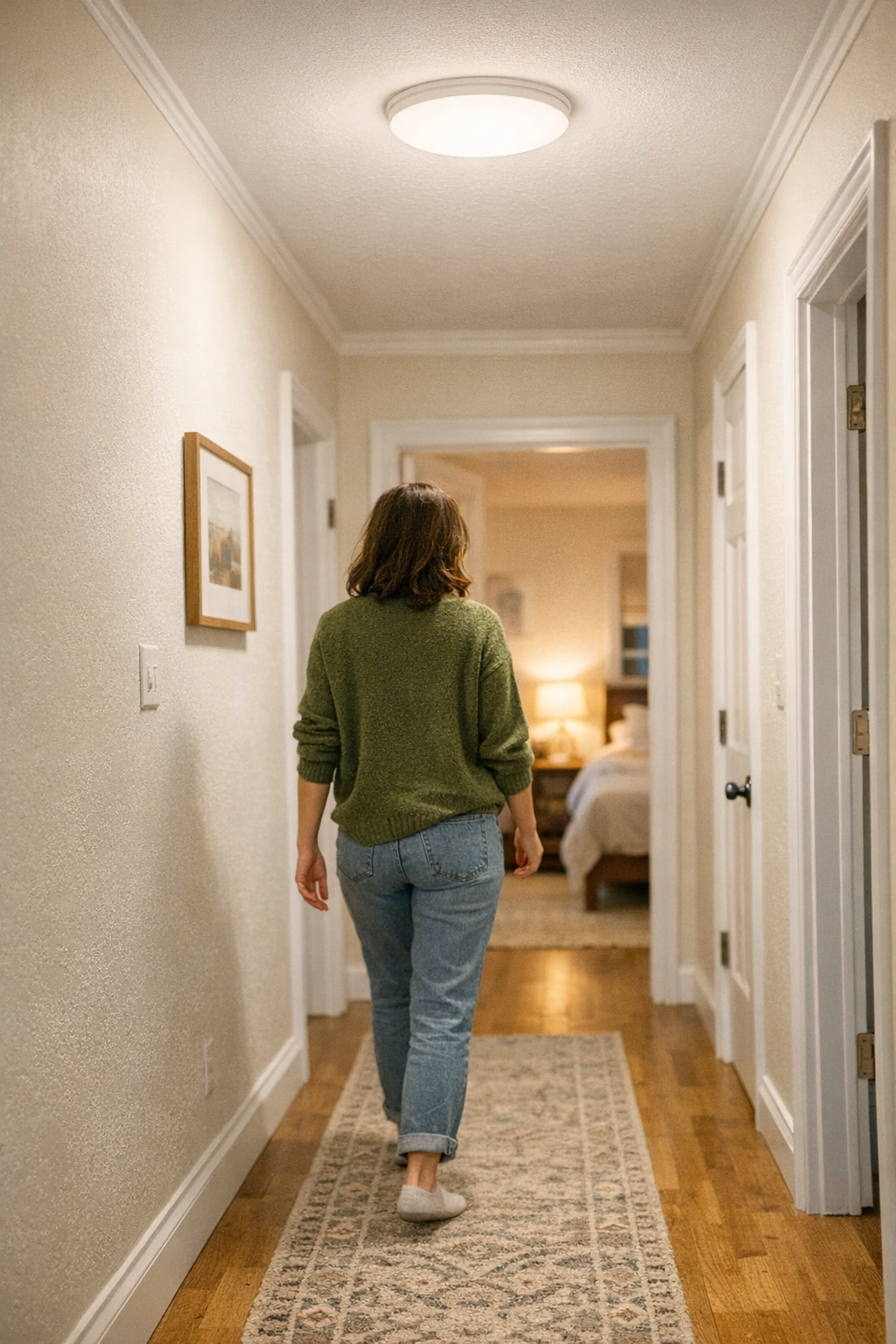
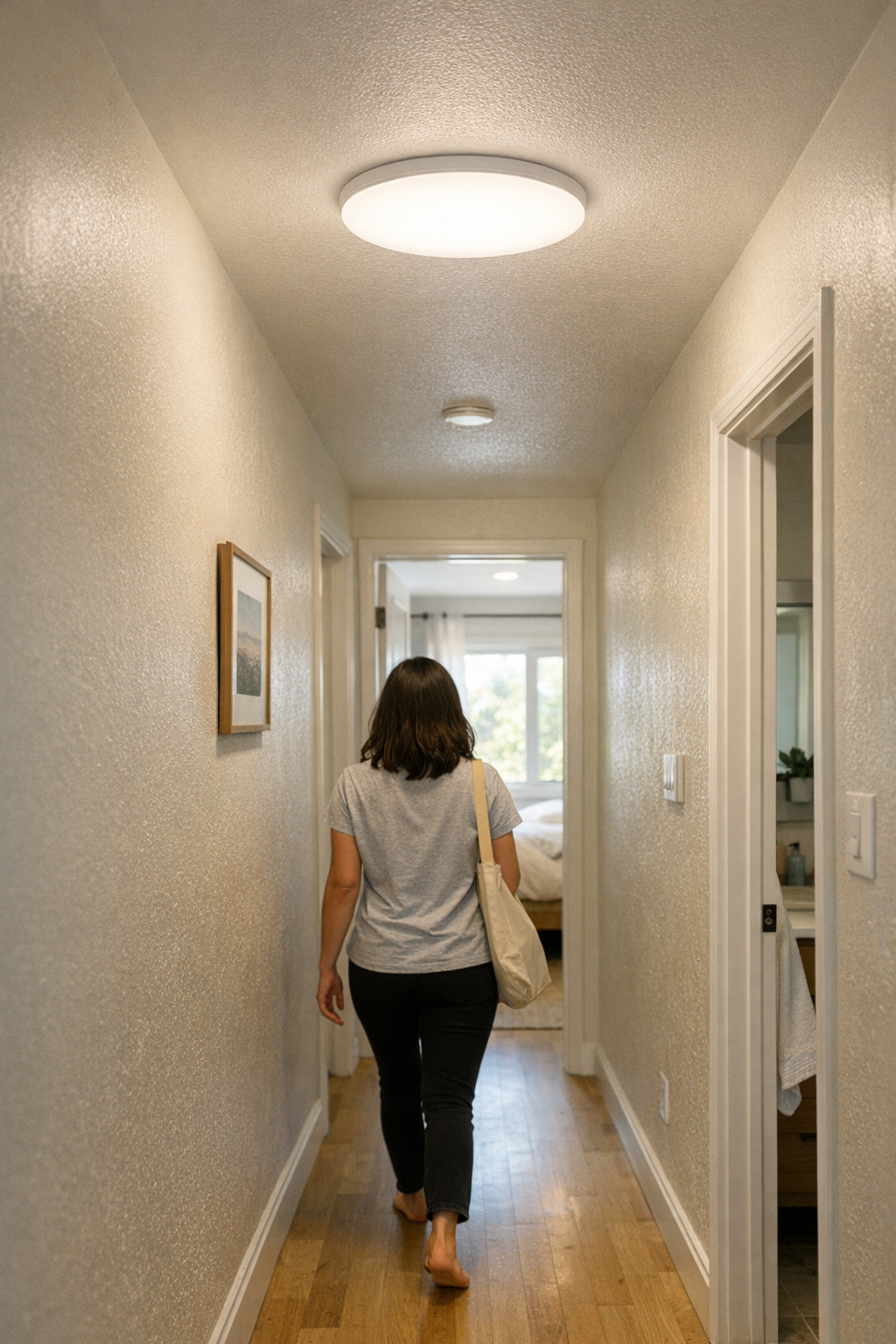
    In many homes, narrow hallways or tight passageways act as vital arteries—channels that everyone uses constantly to move from room to room. These spaces handle a lot of traffic, including people, shoes, groceries, bags, and the occasional kettle steam or quick retrieval of a forgotten item. Often, their limited dimensions make every inch count. When lighting fixtures stick out from the ceiling or walls, they can create unexpected obstacles. Sharp elbows bump into hanging bulbs or wall sconces; bags catch on protruding edges. These seemingly small annoyances aggregate into daily frustrations.

    Replacing a bulky hanging light with a flush mount ceiling fixture can seem like a minor change. But in a compact corridor, the impact is striking. Because flush mount lights sit flat against the ceiling, they don’t intrude on headspace or line of sight. This simple adjustment opens the area visually and physically, turning a cramped passage into a streamlined, welcoming thoroughfare.

    Why Flush Mount Fixtures Are Ideal for Narrow Rooms

    Flush mount lighting offers several practical benefits, especially for tight, high-traffic spaces:

    • Maximized Headroom: Without hanging components, flush mount fixtures eliminate the risk of bumping your head or snagging items overhead.
    • Cleaner Sightlines: With no bulky shapes to block the ceiling plane, the room feels less cluttered and visually lighter.
    • Even Light Distribution: Flush mounts often feature diffusers that spread light evenly across the space, reducing harsh shadows and glare.
    • Reduced Dust and Maintenance: Since they’re recessed against the ceiling, flush mounts collect less dust and require less cleaning.

    In a narrow hallway or passage, these advantages combine to create a space that is not only more attractive but functionally superior.

    Daily Life Transformed by Thoughtful Lighting

    Imagine a morning when the family is moving quickly through the house. Someone’s rushing to the kitchen, another is balancing a laundry basket, kids are scrambling for their shoes. In the past, the low-hanging light bulb might have caused a harsh, glaring spot that makes it hard to open eyes fully or forced moments of awkward ducking.

    Now, with a flush mount fixture, the ceiling surface is clear and the light soft, helping everyone pass through their morning routines without slowing down or dodging bright, intrusive beams. The lighting gently greets tired eyes instead of startling them awake.

    Later, when the flow shifts to putting away groceries or handing off mugs, the lack of obstacles overhead becomes even more valuable. Bags don’t catch on metal parts, mugs aren’t jostled by swinging pendants, and there’s no reflexive sidestep to avoid a fixture. People simply move through with ease.

    Afternoon Momentum and Visual Flow

    By midday, traffic in the narrow space becomes purposeful—maybe smoothing out a hallway runner rug, organizing shoes, or preparing for guests arriving soon. The flush mount light does not draw attention or cause awkward shadows, allowing the space to stay visually calm and functional. The fixture becomes “invisible” in the best way possible, part of the background rather than an obstacle or focal point.

    This subtle design choice allows small but meaningful efficiencies in movement and sight: no harsh glare on mirror surfaces, no bright reflections on polished tile, and a steady, even glow from one end of the hall to the other.

    A Subtle Refresh Tip: Transform Perception by Focusing Upward

    One often overlooked way to refresh a narrow hallway is to treat the ceiling as an active design element rather than just a blank overhead plane. After updating to flush mount lighting, consider painting the ceiling a slightly lighter or complementary tone. This creates the illusion of more height and openness, enhancing the spaciousness that the low-profile light fixtures support.

    Pairing this with subtle trims or simple crown molding can also add personality without cluttering space or distracting from the streamlined effect of flush lighting.

    Evening Ambiance: Quiet and Comfortable

    As evening falls, a dimmable flush mount fixture provides safe passage without harshness. A softly glowing corridor feels inviting rather than boxy or confined. The evenly diffused light ensures the far end of the hallway stays visible without glaring highlights that upset the relaxing mood.

    When the house settles, this steady, unobtrusive layer of light supports moments of quiet—whether it’s one last walk to check locks or a gentle stroll before bedtime.

    Final Thoughts: Small Changes, Big Impact

    What began as a simple switch from a hanging bulb to flush mount lighting truly transformed a narrow, often overlooked space into a smooth, unobstructed pathway. The ceiling, once a forgotten surface, became a critical part of everyday ease.

    Rooms like these often don’t command attention, but they influence how smoothly a household runs. Flush mount lighting—unobtrusive, elegant, practical—allows narrow spaces to perform at their best, eliminating friction from daily movement and creating a brighter, more open atmosphere.

    For more ideas on optimizing your home’s lighting and space, exploring options that blend form with function can make all the difference in day-to-day living.
  • How a Single Flush Mount Transforms Your Hallway’s Mood

    The Hidden Importance of Hallway Lighting

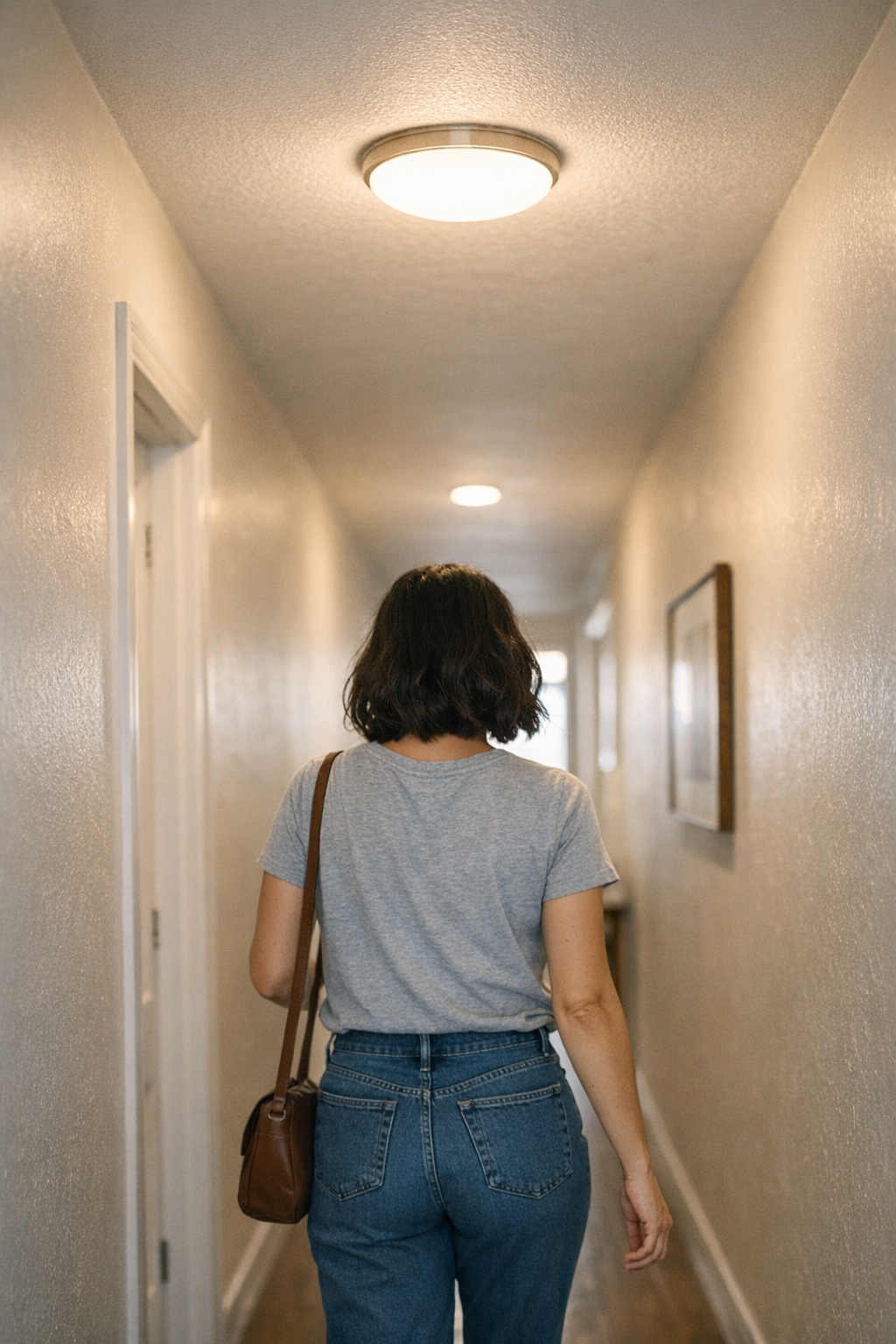
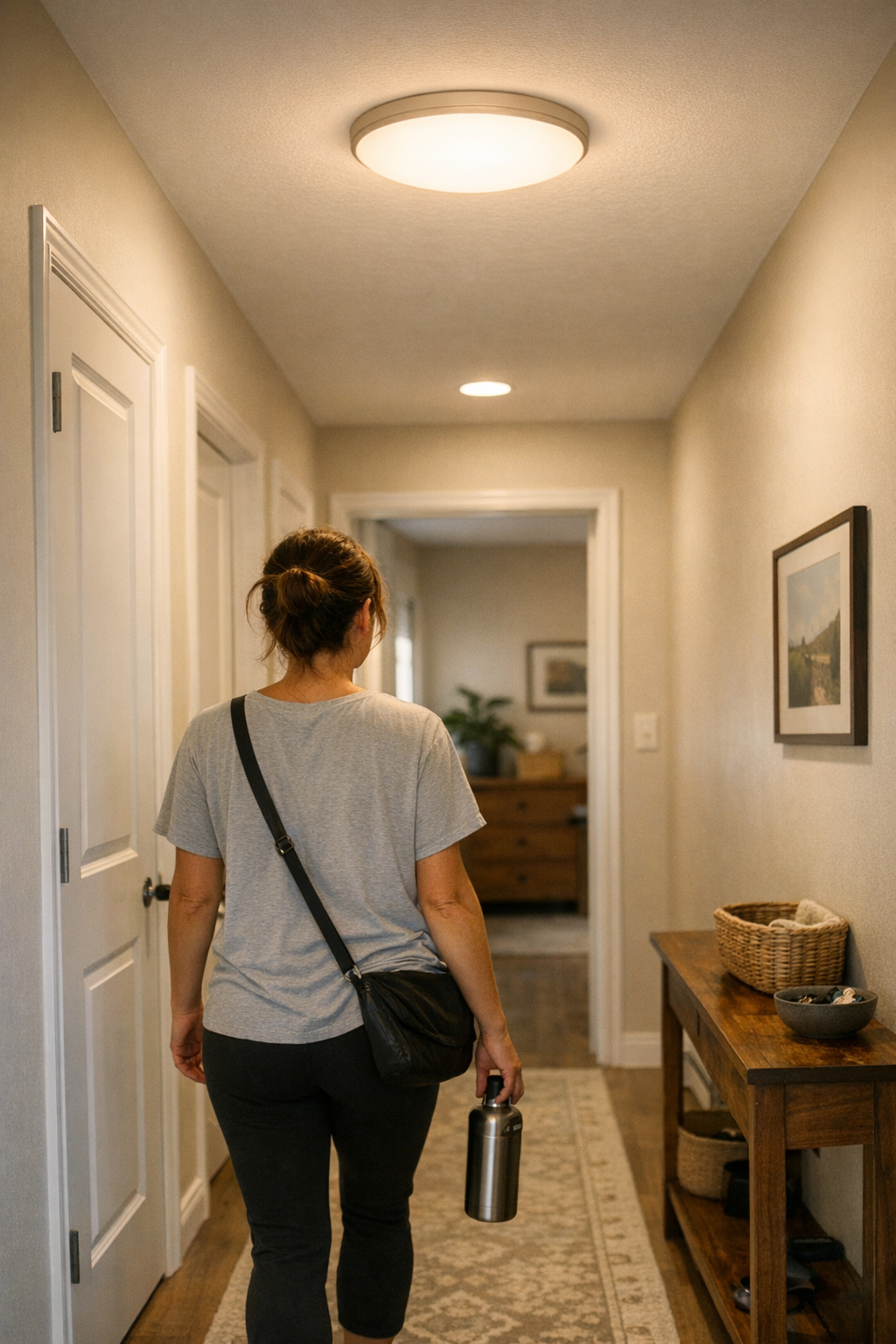
    That narrow hallway you pass through every day is more than just a passage—it’s a space where our daily routines unfold quietly but significantly. Whether it’s grabbing your socks first thing in the morning or making your way back to bed late at night, the lighting here shapes the mood and ease of movement in subtle yet meaningful ways.

    For years, the lighting in this small corridor often felt like a visual obstacle course. Multiple fixtures dotted the ceiling and walls, each contributing to a harsh, uneven blend of light. Harsh glares bounced off picture frames and stark shadows splattered across the floor runner, making simple actions like tying your shoes a minor challenge. Rather than providing comfort and clarity, the lighting often added stress and distraction.

    Why Flush Mount Lighting Transforms a Hallway

    Replacing scattered lights with a single, flush mount fixture creates an entirely different experience. Unlike multiple inflated light spots, a flush mount distributes light evenly and closely to the ceiling, eliminating distracting shadows and glare. This simple design adjustment can make a narrow hallway feel more open, calm, and welcoming.

    The physical dimensions of the space don’t change—what changes is how you perceive it. The even glow allows the walls and floor to recede quietly, while your steps and shadows align gently and predictably. With that one steady light source above, the hallway becomes a smooth, unified path rather than a fractured series of bright and dark patches.

    Morning Light and the Relief of Subtle Illumination

    Early mornings often find us barely alert, navigating between sleep and wakefulness. In this state, aggressive lighting fixtures can feel invasive, their sharp beams demanding attention. However, with a dimmable flush mount, a simple press of the dimmer switches on just enough light to feel safe without jolting your senses awake. Shadows soften and the hallway seems to welcome your slow, quiet movement rather than challenge it.

    Midday and the Balance of Natural and Artificial Light

    During the day, sunlight filters from nearby windows but rarely reaches every corner of a hallway. Traditional multiple fixtures often create irregular bright spots, reflecting awkwardly off metallic surfaces like zipper pulls or door handles. This scattered light disturbs the spatial harmony and can cause eye strain.

    A flush mount light balances the natural light, filling the dim areas with a gentle glow that defines edges and textures without overwhelming the senses. You can sense exactly where your foot is landing and avoid tripping hazards posed by inconspicuous objects like shoes or umbrellas.

    The Challenge of Competing Light Sources

    Multiple ceiling fixtures each have their own focal points, creating visual noise in an otherwise simple space. Mid-afternoon chores—dropping off backpacks, retrieving keys, or slipping off shoes—turn into a complicated choreography of shadows and beams. Overlapping spots of light distort objects’ appearances, making a rolled-up scarf or a misplaced shoe harder to spot and negotiate around.

    Flush mount lighting provides a quiet, constant backdrop, smoothing the edges of the scene. This simplicity reduces mental effort by minimizing the sensory clutter generated by multiple light sources.

    Evening and the Subtle Art of Dimmed Lighting

    As evening approaches, lighting needs shift. You might want enough light to find an earring or read medication labels, but nothing too harsh to disrupt winding down rituals. Flush mount fixtures shine by disappearing into the ceiling, softening rather than illuminating harshly. Their glow adjusts seamlessly to your needs—low and muted for calm, or bright enough for practical tasks.

    Unlike pendant or downlight fixtures, flush mounts avoid creating awkward shadows on coat hooks or furniture, maintaining an unobtrusive presence. Dimmed down, they guide footsteps without waking the household, blending into the background like gentle night companions.

    Nighttime Pathways and the Psychological Impact of Lighting

    At night, navigating the hallway becomes about moving through gentle silhouettes rather than brash beams. Flush mount lighting at its lowest setting can make the ceiling appear higher and the space feel more expansive. It removes the visual obstacles that pendant or wall fixtures sometimes create.

    Many people find that too many scattered lights demand constant adjustment from the eyes, forcing you to squint or blink when moving quickly. A flush mount’s even distribution allows your eyes to relax, reducing strain and stress during late-night trips.

    Practical Tips for Optimizing Hallway Lighting

    • Choose a dimmable flush mount fixture: This provides flexibility to adjust lighting levels throughout the day and night, catering to different moods and activities.
    • Consider color temperature: Warm white lighting (around 2700K–3000K) creates a cozy ambiance and helps signal the body to wind down in the evening.
    • Mind fixture placement: Position flush mounts centrally to ensure even coverage and avoid shadows caused by furniture or wall decor.
    • Complement natural light: Use window treatments and flush mount lights together to balance brightness and reduce glare.

    Refresh Tip: Recalibrate Your Lighting Perspective

    Sometimes small changes in lighting can shift the feel of a space dramatically. If you’ve lived with multiple fixtures for years, try dimming them down one by one and observe the impact. You might notice that less light can actually feel like more comfort. Introducing a single flush mount as a primary source and relegating other lights to accent status encourages your eyes and brain to find calm in simplicity. This recalibration of light can enhance your sense of ease and help your home feel more restful.

    Final Thoughts

    Hallway lighting often goes unnoticed when it works well but becomes an everyday nuisance when it doesn’t. Flush mount fixtures offer an elegant solution—one that doesn’t demand attention but quietly supports your daily rituals. Whether navigating the space at dawn, midday, or late at night, the right light balance prevents glare and shadow battles, making movement more fluid and safe.

    By bringing down the visual noise and enhancing clarity with even illumination, flush mount lighting transforms a small hallway from a cluttered passage into a serene connective space.

    For those seeking fixtures that offer this kind of quiet presence and subtle efficiency, exploring options designed specifically for illumination uniformity and simplicity can be a rewarding start.

    Explore quiet fixtures

  • How Flush Mount Lighting Quietly Transformed My Hallway Glare

    Transforming Your Hallway with Flush Mount Lighting

    Hallways are often overlooked spaces in our homes, yet they serve as crucial passageways connecting different rooms. Lighting here plays a vital role—not only for safety but also to set the tone as you move through your day. For many, the traditional overhead ceiling fixture casts a harsh, glaring light that’s more irritating than inviting, especially during early mornings or late evenings. This article explores how swapping an overpowering fixture for a flush mount light can soften your hallway experience, improve functionality, and quietly enhance daily routines.

    The Problem with Harsh Overhead Lighting

    Many older hallway ceiling fixtures feature exposed bulbs or basic diffusers that emit a direct, intense glare. Stepping into such hallways often means squinting and adjusting your eyes as light bounces off walls, runners, and reflective surfaces like mirrors. This sharp light fails to spread evenly, creating uncomfortable bright spots and deep shadows. For residents rushing through in the morning or coming home late, this can detract from otherwise simple actions—finding shoes, grabbing keys, or moving through small spaces safely.

    Bright splotches of light can also distort colors and textures, washing out carpets or wall art. Overly intense lighting becomes a visual distraction and a source of subtle stress rather than a helpful guide through the space.

    Why Flush Mount Lighting Works Better

    Flush mount ceiling fixtures sit directly against the ceiling plane, with diffusers that spread light evenly across the hallway. This design eliminates the “spotlight” effect of traditional or hanging fixtures and reduces direct glare at eye level. The result is softer, more balanced illumination that allows your eyes to perceive details accurately and comfortably.

    One key benefit is how these fixtures harmonize artificial light with natural light during the day. Instead of competing with sunny windows, flush mounts provide a steady baseline of illumination. They gently fill dark corners without creating intense contrasts or reflected hot spots, which helps maintain a consistent visual environment.

    In the morning, this means a smoother transition from sleep to wakefulness: no more blinking against harsh light or momentarily losing sight of objects due to glaring reflections. The light becomes an unobtrusive companion, merely supporting the activity rather than dominating it.

    Improving Daily Flow and Functionality

    Replacing a harsh overhead fixture with a flush mount not only enhances lighting quality but also improves how you interact with the hallway space itself. Here are a few practical ways this small change makes a big difference:

    • Better Object Visibility: Keys on hooks, mail on the bench, or shoes tucked in corners become easier to locate without harsh shadows or blinding reflections.
    • Safe Movement: By evening, when lighting conditions are naturally dimmer, even steps taken on carpet runners or polished tiles are clearer and less likely to cause slips or trips.
    • Comfort at All Hours: From the first morning shuffle to late-night bathroom trips, lighting sets a gentle tone that doesn’t physically or mentally jar you.

    How Flush Mount Lighting Enhances Visual Comfort

    Visual comfort is often overlooked in interior lighting. It’s not just about brightness but also about glare control, color rendering, and shadowing. Flush mount fixtures typically include diffusers made from frosted glass or acrylic that help distribute light evenly. This softens shadows without eliminating necessary contrast, making the space feel inviting rather than clinical.

    Beyond aesthetics, this balanced light reduces eye strain. Your pupils don’t need to constantly adjust to bright spots or deep shadows, which is especially helpful for older adults or anyone spending time navigating the hall with limited mobility.

    Refresh Tip: Layer Your Hallway Lighting

    To elevate your hallway lighting further, consider layering your light sources. While flush mount ceiling lights provide excellent ambient illumination, adding a few complementary fixtures can make the space more versatile and welcoming:

    • Wall Sconces: Installing sconces at eye level can add warmth and prevent shadows along the walls.
    • Step or Under-Stair Lights: These small accent lights guide your path discreetly during nighttime without overpowering the space.
    • Smart Dimmers: Using dimmable fixtures or switches allows you to adjust light levels throughout the day to suit the mood and activity.

    This layering approach not only improves functionality but allows you to adapt the lighting to your family’s changing needs, making the hallway more than just a thoroughfare.

    Evening and Nighttime Benefits

    Properly diffused lighting also supports a restful evening atmosphere. Harsh light late in the day can disrupt circadian rhythms or heighten alertness unnecessarily. A flush mount fixture that dims smoothly without flickering accommodates the natural reduction of ambient light outdoors, signaling your body to wind down with gentle illumination.

    At night, subtle overhead light helps with occasional hallway usage—whether for retrieving a forgotten item or attending to nocturnal pets—without lighting up the entire space aggressively. The glow guides steps and eyes quietly, ensuring comfort and safety without invading restfulness.

    Key Takeaways for Choosing Your Hallway Fixture

    When selecting a flush mount fixture for your hallway, keep these considerations in mind:

    • Light Temperature: Aim for warm white light (2700K–3000K) for a cozy, inviting atmosphere.
    • Diffuser Quality: Choose fixtures with high-quality diffusers to avoid glare and distribute light evenly.
    • Size and Scale: Ensure the fixture size fits your hallway dimensions to provide adequate, well-proportioned light.
    • Dimming Capability: Opt for fixtures compatible with dimmers for greater control over lighting levels according to time and mood.

    Conclusion

    Hallways are transitional spaces that deserve thoughtful lighting solutions—ones that balance brightness and comfort without causing glare or eye fatigue. Installing a flush mount ceiling fixture transforms these often-neglected zones into quietly functional and visually restful areas. This simple adjustment helps your household move through daily routines more smoothly, supports safety at all hours, and creates a calm environment that feels just right.

    Consider this lighting upgrade not just a functional necessity but a small design shift with a lasting positive impact on your home’s daily rhythm and mood.

    For inspiration and ideas on lighting that integrates seamlessly into your spaces, explore options designed for comfort and practicality.

  • How One Light Fixture Quietly Transformed Our Whole Living Room

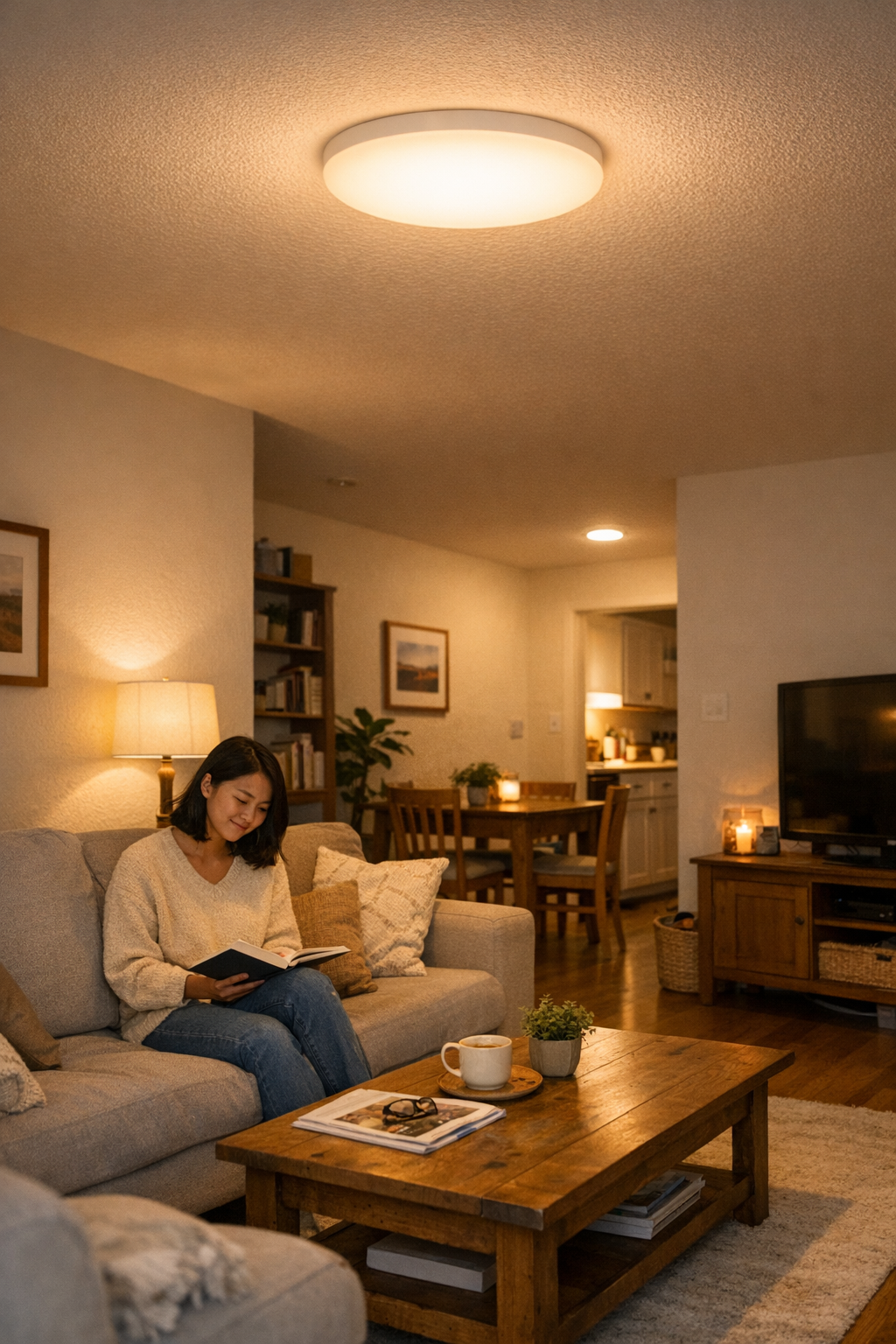
    How Flush Mount Lighting Transforms Your Living Room Experience

    There’s a quiet frustration in walking into your living room only to feel that something isn’t quite right. Despite sliding the coffee table this way or nudging the sofa that way, the space still feels off. The patterned rug doesn’t quite tie everything together, the bookshelf seems isolated, and the overhead lighting ends up casting uneven shadows that make corners disappear early in the day. Usually, the problem lies above eye level, often in outdated ceiling lighting that spotlight one area and leaves another in shadow.

    Changing your flush mount lighting is one of those subtle shifts that can radically change how a room feels and functions. It’s not just adding more light—it’s about creating an even, welcoming glow that draws the entire room together. The right ceiling fixture can transform harsh, uneven patches into a softly illuminated space where every corner is usable and comfortable.

    Why Your Old Ceiling Fixture May Be Holding Your Living Room Back

    Older flush mount fixtures often cast harsh light that isolates parts of the room. For example, the couch can feel like an island surrounded by shadows, and the bookshelf might seem like it belongs in another, less inviting space. Reading in a corner chair can become a strain, while dark patches near the walls make everyday tasks like finding shoes more of a hassle than they need to be.

    When flush mount lighting isn’t balanced, it creates a visual tension—bright spots next to dim ones, glare that forces squinting, and shadows that swallow portions of the room. The result is a living space that never quite settles into comfort at any time of day.

    The Impact of Balanced Lighting Throughout the Day

    Morning: Start with Evenness and Warmth

    With the right flush mount fixture in place, morning light becomes a gentle invitation. Instead of stepping into sharp brightness or murky shadow, you’re greeted by an even wash of light. Rug edges are visible, book spines on your shelves become readable at a glance, and dark corners open up without glare.

    This lighting balance lifts the small routines that start your day—pouring coffee, locating keys, or picking socks from under the table—out of the struggle with poor visibility. Without scrambling for an extra lamp until mid-morning, you enjoy smoother transitions from night to day.

    Midday: Function Meets Comfort

    During the day, a well-chosen flush mount fixture supports active living. It’s bright enough for reading, puzzles, or sorting laundry, but never intrusive or glaring. The space feels real—not a staged photo, but a lived-in home where kids scatter blocks and jackets while the light simply adapts without spotlighting every speck of dust or flattening wall colors.

    This background light removes the tension of having to constantly adjust lamps or hunt for bright spots. It lightens the routine load by softening the shadows where clutter can hide and gently illuminating the spaces where everyday life unfolds.

    Afternoon and Evening: Smooth Transitions

    In the late afternoon, sunlight fades, and the flush mount light steps up without taking over. It creates a calm balance that preserves the room’s shape and usability. Walking from living room to hallway becomes effortless, with soft edges rather than harsh pockets of light or shadow trapping your gaze.

    As the day winds down, the fixture’s dimmer can gradually pull back the glow, allowing your room to float into evening mode smoothly. Wall colors remain rich and calming, television screens stay free from intrusive reflections, and table games or dinners unfold comfortably without the need for additional lamps.

    Subtle Energy Refresh Through Lighting

    If you’ve been stuck in the same lighting rut for years, a small shift in your flush mount fixture can refresh not only the room but your mindset about the space. One simple tip to boost this effect: try pairing your flush mount lighting with daylight-balanced bulbs that mimic natural light. This can help your living room keep a feeling of freshness and alertness during the day, and reduce eye fatigue, even in the late afternoon slump.

    Changing these bulbs seasonally or adding adjustable color temperature dimmers can further harmonize your lighting with your mood and activities, enriching your well-being without major changes to your décor.

    Final Thoughts: Beyond Furniture Arrangement

    You might keep rearranging cushions or shifting tables for years, but often it’s the ceiling light that makes the biggest impact on how your living room feels day-to-day. A well-chosen flush mount fixture quietly changes the entire dynamic, making the space feel more whole and livable without upheaval.

    The difference is so seamless it may go unnoticed at first—but as the days pass, you’ll realize how naturally your family routines flow under this steady, welcoming light. Everyday tasks and small moments become less of a struggle with visibility, and the room’s key features—bookshelf, sofa, rug—feel grounded and connected to the whole space.

    Investing attention to your flush mount lighting is about reshaping comfort, convenience, and visual harmony in your home. It’s a foundational change that supports all the life that happens beneath it.

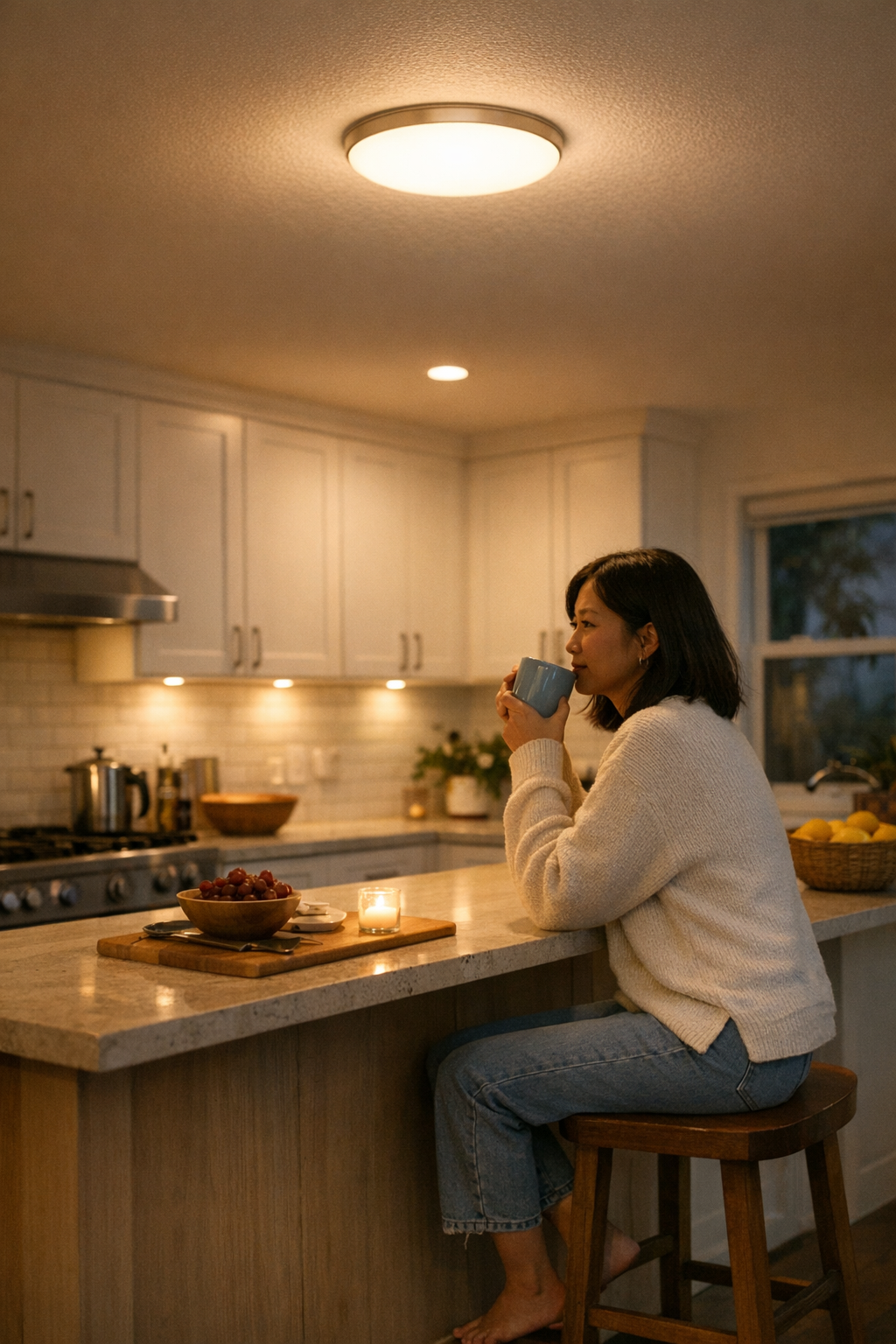
  • How Flush Mount Lighting Brings Calm Warmth to Your Kitchen Space

    Waking up in the morning and stepping into the kitchen used to be a harsh experience. A single bare ceiling bulb cast glaring light unevenly over every corner, hitting reflective surfaces like spoons and mugs and scattering bright, uncomfortable reflections across the room. Instead of a gentle start to the day, the kitchen felt raw and unfinished, as if the lighting was more of an afterthought than an essential element.

    The Impact of Flush Mount Lighting on Kitchen Ambiance

    Changing to flush mount lighting transformed the space in subtle yet profound ways. These fixtures sit close to the ceiling, providing a smooth, broad diffusion of light that eliminates sharp shadows and glaring hotspots. Rather than confronting the morning grogginess with aggressive, direct brightness, I now enjoy an even, soft illumination that makes it easier to see without squinting or shielding my eyes.

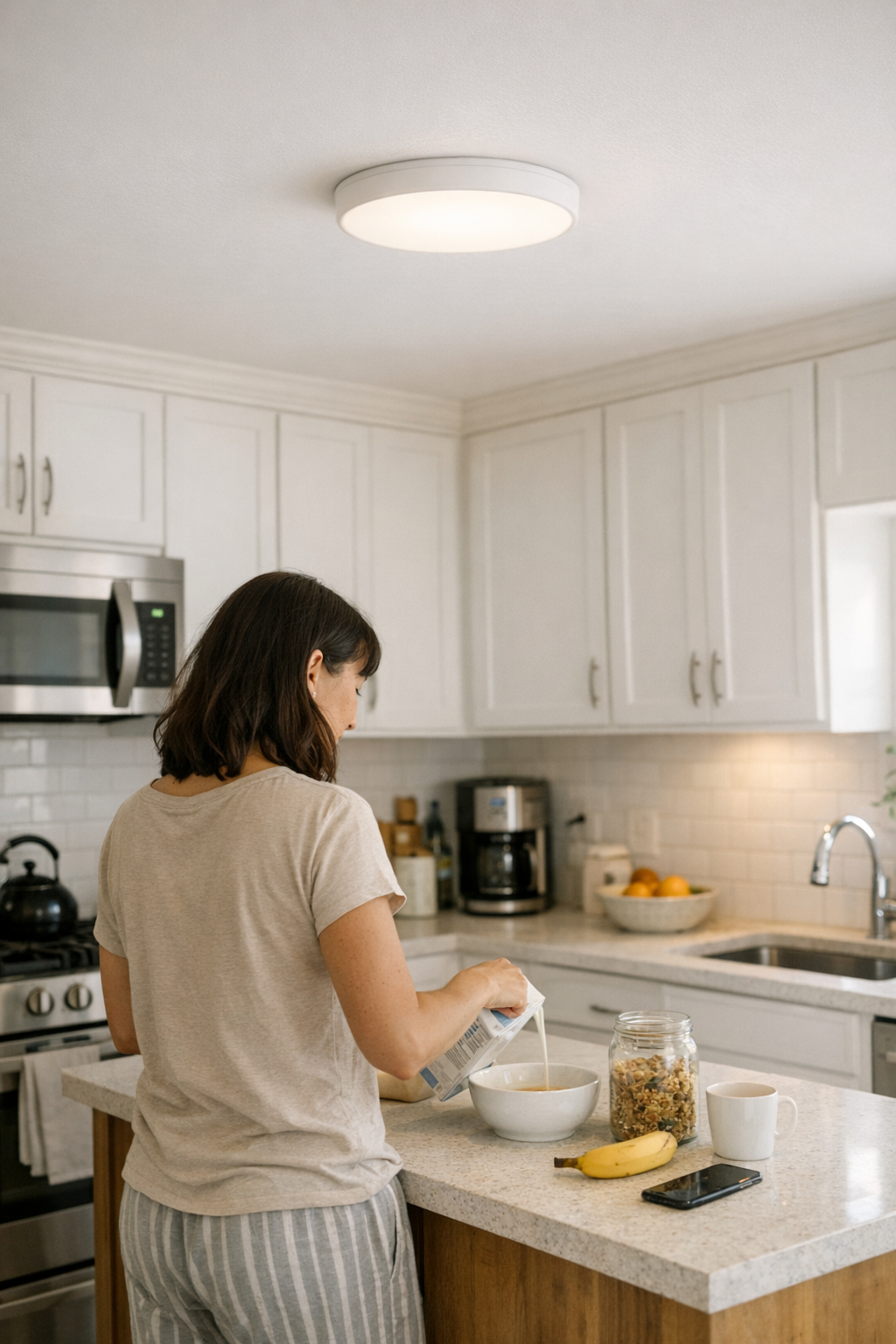
    The adjustment was immediate. Tasks like finding cereal or locating a misplaced spoon became less about dodging reflections and more about simply moving through the kitchen with ease. The flush mount fixtures have diffusers that spread light uniformly, preventing any harsh bright spots that might make reflections or glare uncomfortable.

    Comfortable Light That Fits Seamlessly Into Daily Routines

    As morning progresses into routine, the lighting recedes into the background, quietly supporting every activity without demanding attention. Countertops, cabinet doors, and backsplashes maintain consistent lighting without the disruptive bands of shadow or shine that used to be common. This type of lighting doesn’t impress itself on the space; instead, it allows the kitchen itself to be the focus.

    This quiet functionality makes cooking and cleaning feel more seamless. There’s no need to adjust your position or shield your eyes from errant glares. Instead, the light provides a steady, reliable environment, helping you focus on your tasks instead of battling the lighting.

    Harmonizing Artificial and Natural Light

    The real test of any kitchen lighting falls to how well it integrates with natural sunlight. In this case, the flush mount lighting does not compete but complements, offering steady illumination throughout the day. When sunlight slants across the stove or counters, the artificial light softly fills in without throwing harsh shadows or creating hotspots. This balance ensures that the kitchen remains evenly lit, no matter the weather or time of day.

    Walking from a sunlit patch on the floor into a more shadowed section no longer causes disorientation or confusion. The light from the flush mount fixture maintains a consistent glow, ensuring safe footing and easy navigation.

    Improving Functionality During Busy Moments

    Later in the day, after grocery bags are set down or children’s shoes are scattered near the entrance, the lighting continues to support clarity and safety. With a wide-spread light source positioned close to the ceiling, there are fewer hidden shadows where clutter could cause accidents or confusion.

    This aspect proves especially helpful during hectic moments when hands are full or attention is divided. The lighting provides a clear, dependable environment that allows you to place items confidently and move without hesitation.

    Enhancing Evening Comfort with Adjustable Lighting

    An important practical addition is a dimmer switch for the flush mount fixtures. As daylight fades, lowering the light level gradually changes the kitchen’s mood to something softer and more inviting. This transition helps the space evolve naturally from the bright focus of daytime task lighting to the relaxed ambiance suited for evening meals or winding down.

    Adjusting the light intensity during these hours reduces eye strain and creates a warmer atmosphere ideal for conversation or relaxed cleanup. It also adds a layer of control, allowing you to tailor the environment to your needs without adding extra lamps or accessories.

    Subtle Changes That Transform the Space

    One small but effective trick to refresh your perception of the kitchen lighting is to rearrange your usual sightlines. For example, angle a reflective surface or open a cabinet door to observe how light moves across different textures and materials. This simple exercise can help you appreciate the different layers lighting adds beyond brightness, bringing new awareness to how the room’s atmosphere shifts throughout the day.

    Such awareness can guide future choices about fixture placement or the use of complementary accents like under-cabinet lights or pendant lamps.

    Maintaining a Calm, Consistent Kitchen Environment at Night

    After dinner, when dishes accumulate in the sink and late-night snack preparations begin, the kitchen lighting maintains its calm presence. There are no harsh edges or spotlight effects that draw unwelcome focus to every drip or stray crumb. Instead, the smooth illumination simplifies visual noise and makes the kitchen feel clean and orderly even after a busy day.

    The lighting’s soft glow can almost make the room seem freshly painted or polished, inviting a sense of peace even in the middle of household chaos.

    Why Subtlety Matters in Kitchen Lighting

    This experience highlights the power of subtle, well-designed lighting to influence both function and mood. Flush mount fixtures do not try to dominate. Rather, they support the kitchen’s natural character and enhance usability with quiet precision.

    In daily life, this means fewer adjustments, more comfort, and a kitchen environment that feels settled and complete. You lose the lingering irritation of poor lighting and gain the simple pleasure of a space that works smoothly at every time of day.

    Final Thoughts on Choosing the Right Kitchen Lighting

    Lighting is often overlooked or underspecified in kitchen design, yet it profoundly affects the way you experience your space. Solutions like flush mount fixtures provide a practical, aesthetically neutral approach that makes your kitchen both functional and inviting without drawing attention to itself.

    By focusing on fixtures that distribute light evenly, reduce glare, and adapt to the natural rhythm of the day, you can create a kitchen environment where every task—from early breakfasts to late-night cleanups—is more comfortable and less stressful.

    The right lighting can truly complete your kitchen, turning it from a utilitarian zone of harsh contrasts into a cohesive, welcoming heart of your home.

  • Why Flush Mount Lighting Feels Like Home in Low Ceilings

    Discovering Comfort in Low Ceilings with Flush Mount Lighting

    Waking up just past six, I notice immediately how close the hallway ceiling feels—so low I can almost brush it with my fingertips. This sensation becomes most pronounced in the narrow stretch just outside the bathroom door. In spaces with low ceilings, every inch of headroom counts. Overhead fixtures, in particular, have a significant impact on the feel of the environment, especially when transitioning from a half-awake state across a cold tile floor.

    Flush mount lighting plays a crucial role in shaping this experience. By sitting close and snug against the ceiling, these lights provide soft, even illumination without intruding on the limited vertical space. Our hallway’s flush mount light bathes the area in a warm glow, diffuse enough to avoid harsh glare or reflections in mirrors, and without any dangling parts that could require you to duck or sidestep.

    Why Flush Mount Lights Matter in Low-Ceiling Spaces

    Flush mount fixtures are designed to maximize headroom by hugging the ceiling rather than hanging down. This simple design choice means you avoid bumping your head on light fixtures or having to awkwardly maneuver around them. In tight spots such as hallways, kitchens, or closets, this unobtrusive presence allows natural movement without interruption.

    Contrast this with hanging pendants or chandeliers, which usually require higher ceilings or more clearance. In lower-ceiling homes, these fixtures risk becoming obstacles—casting awkward shadows, interfering with lines of sight, or simply feeling oversized and out of place.

    If you’ve experienced knocking your shoulder against a hanging light or carefully ducking beneath a fixture to reach a bathroom cabinet, you know how frustrating these issues can be. Flush mount lighting eliminates these concerns by providing ample, even light while preserving the space above your head.

    Mornings Made Easier: The Everyday Practicality of Flush Mount Fixtures

    By seven in the morning, the kitchen comes alive with familiar rhythms: dishes stacked on the counter, the kettle beginning to whistle, family members passing by for towels or breakfast items. It’s in these busy, often cramped moments that flush mount fixtures shine—literally and figuratively.

    Their position close to the ceiling means the light quietly fills the whole space, illuminating corners and surfaces without drawing attention to itself. Unlike pendants that command space and can obstruct access to shelves or cabinets, flush mounts remain unobtrusive and dependable.

    Practical considerations arise too: placing the light switch conveniently near entrances makes it easy to turn on lights without fumbling or scanning overhead for obstacles. This enhances everyday flow, allowing you to navigate your kitchen and hallways swiftly and safely.

    Actionable Tip: Evaluate Your Light Switch Placement

    Consider repositioning or installing additional switches near main entry points to rooms with low ceilings. This simple change reduces awkward moments of stumbling in the dark or reaching for fixtures strategically.

    Light Performance Throughout the Day: Avoiding Harsh Shadows and Glare

    As daylight fills the space, flush mount fixtures complement natural light by balancing brightness without creating harsh contrasts. The diffuse light they provide minimizes glare on floors and reflective surfaces, preventing sharp shadows that can catch your eye or cause spatial confusion.

    Leaving a flush mount light on when sunlight wanes or in shaded corners fills in those subtle gaps and ensures visibility. Conversely, improperly placed or overly bright fixtures can create blotchy lighting, with intense pools of brightness surrounded by dark shadows—a challenge especially noticeable in narrow hallways and tiled kitchen floors.

    Maintaining Balance: Seeing the Importance of Shadow and Light

    The details of lighting often go unnoticed until they disrupt our interaction with the space. Shadow plays a vital role in spatial perception, but unbalanced light and shadow can make simple tasks like chasing a sock under the table or finding the approach to stairs more difficult and potentially unsafe.

    Flush mount lighting achieves a natural balance, pushing shadows toward their proper places along edges and corners while keeping pathways bright and open. This harmonious interplay keeps rooms feeling welcoming and straightforward, without visual confusion.

    Refresh Tip: Observe Your Space at Different Times

    Spend a few minutes in each room during morning, midday, and evening to identify spots where shadows fall awkwardly or light feels either too harsh or too dim. This practice sharpens your awareness and helps you make targeted improvements to your lighting scheme, enhancing both comfort and safety.

    Evening Ambiance and Subtle Control

    As evening descends, having dimmable flush mount lights offers gentle control over ambiance. Lowering the brightness softens reflections on kitchen backsplashes and countertops, creating a welcoming atmosphere that’s easy on the eyes and perfectly suited for winding down.

    Unlike pendants or directional spots that can throw hard light onto small areas, flush mounts offer broad coverage, making it easier to see without harsh contrasts—ideal when looking for keys, preparing for bed, or navigating home quietly after dark.

    Why This Matters: The Invisible Fixture That Makes All the Difference

    The best lighting in low-ceiling homes is often the kind you hardly notice—fixtures that provide necessary illumination without becoming focal points. Flush mount lighting embodies this principle, fitting seamlessly into everyday life and removing obstacles rather than creating them.

    By choosing the right fixtures and paying attention to layout, switch placement, and light quality, you make your home easier to navigate and more comfortable day in and day out. This steady, subtle relief improves your connection to your living spaces.

    For inspiration and ideas on lighting suited for low-ceiling spaces, explore carefully curated collections that focus on function and form.

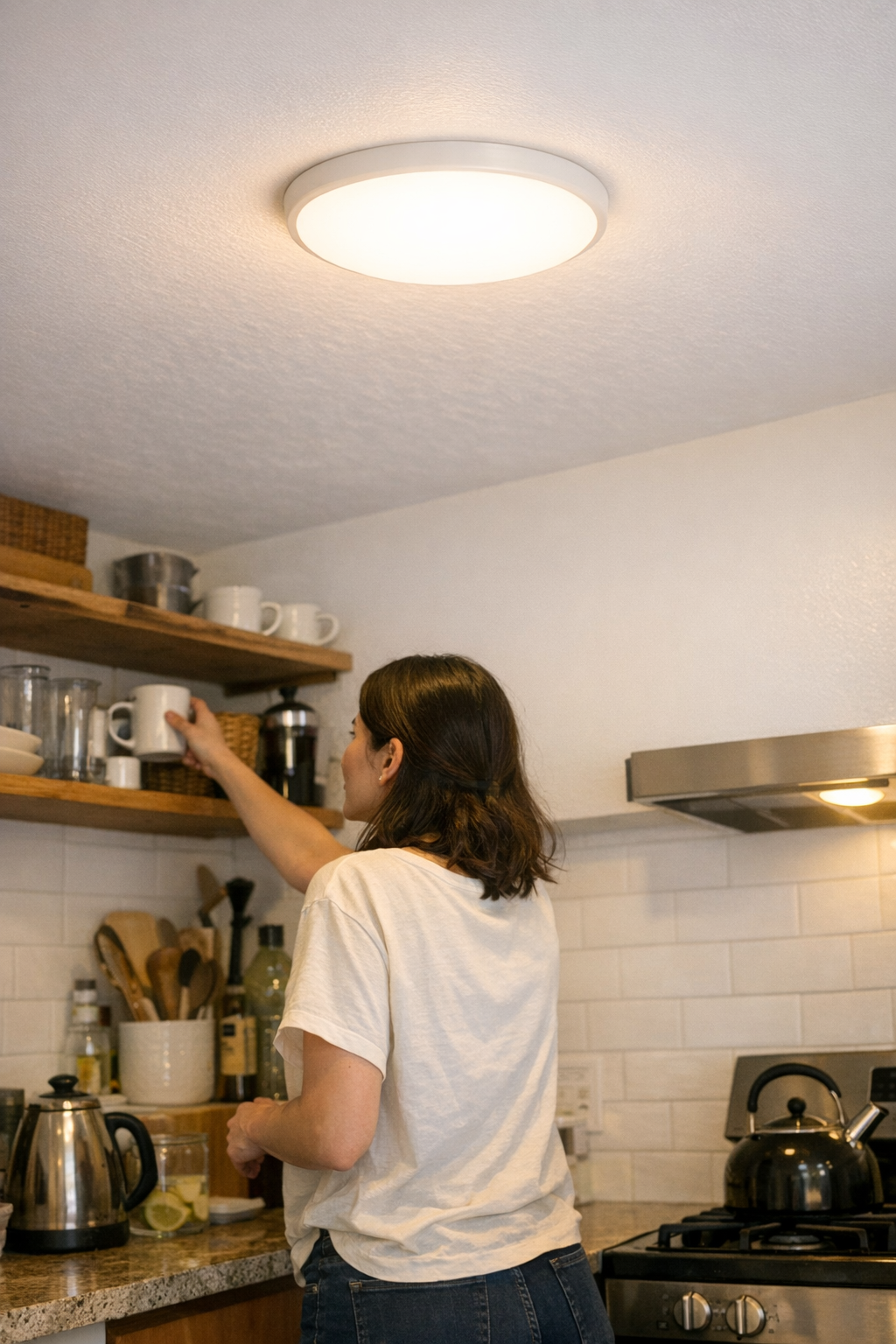
  • How a Simple Flush Mount Light Quieted My Morning Kitchen Chaos

    The Subtle Power of Kitchen Lighting: Why Flush Mount Fixtures Make a Difference

    Before the first words are spoken or the first bowl hits the counter in a kitchen, light is always the initial element that sets the scene. Reflecting back, I remember flipping the old ceiling switch and being overwhelmed by a sudden, harsh brightness. It flooded every corner indiscriminately, creating glare on the tile backsplash and bright spots that made the space feel abrupt rather than welcoming. Often, with sleepy eyes searching for a clean spoon or pouring cereal, I found myself squinting—not because I was tired, but because the light was too aggressive.

    This overwhelming glare wasn’t just an annoyance; it subtly shaped the way we started each day. The overhead light threw reflections at odd angles and cast intense shadows, distracting more than it illuminated. The kitchen, a place meant for routine comfort, felt tense and visually noisy.

    How Flush Mount Ceiling Lights Transform Kitchen Atmosphere

    Swapping out the old fixture for a flush mount ceiling light changed the entire mood of the room at daybreak. Unlike suspended or spotlight fixtures that direct a strong beam and create uneven illumination, flush mount designs sit snugly against the ceiling. This encourages a gentle, evenly diffused brightness that collaborates with the kitchen’s shape and surfaces rather than competing against them.

    One of the immediate benefits was the significant reduction of glare. The reflections in the kettle vanished and shadows softened beneath the cabinets, clearing the visual clutter. The light was ample and balanced, allowing tasks to proceed naturally without forcing attention upward. For anyone who’s grappled with kitchens bathed in harsh light, this change means less eye fatigue and more focus on the task at hand.

    Even Illumination and Practical Benefits

    Flush mount lighting spreads light evenly across countertops and along the backsplash, eliminating hotspots that often interrupt workflow. Because the fixture itself is less visually obtrusive, the ceiling recedes quietly into the background, providing a calm backdrop for busy mornings.

    Besides aesthetics, this improved arrangement supports daily habits more intuitively. Whether you’re grabbing a breakfast bowl or slicing vegetables for dinner, the light moves with you—illuminating workspaces steadily without casting harsh shadows or creating blinding spots.

    Mornings Flow Differently Under Soft, Layered Light

    In those first few morning hours, the humble flush mount fixture became a silent partner in our routine. Unlike before, it didn’t announce its presence aggressively but instead offered steady, encompassing coverage. There was no abrupt “wake-up” glare, no spotlight isolating a chore, just a smooth wash of light that revealed surfaces naturally and let the kitchen feel spacious.

    Subtle changes in how the ceiling felt also affected the room’s ambiance. The ceiling faded into a quiet background presence, allowing everyday kitchen sounds—the shuffle of feet, the hum of the kettle, clinking dishes—to take center stage. The flood of perceptions that came with harsh lighting disappeared, replaced by a space that felt lived-in and welcoming.

    Managing Light Throughout the Day

    As daylight grows stronger, the kitchen becomes a hub of activity: mugs are rinsed, lunches are packed, and ingredients are prepped. The flush mount light remains balanced and never intrusive, even as cabinet doors open and close. When sunlight streams through nearby windows, it blends naturally with the subtle ceiling glow, adding warmth without competing with the artificial light.

    Because the fixture doesn’t demand attention, it allows the eye to focus on tasks and details without interruption. Even small things—a misplaced mug quietly spotted in a corner, a flourishing plant on the sill—gain a presence without spotlighting, making the space more comfortable and lived-in.

    Creating a Calm Visual Environment: Less Ceiling Competition, More Function

    One of the most striking shifts is that the ceiling no longer competes with the kitchen’s activities. By disappearing into the background, the flush mount light allows the spaces that matter—the counters, the backsplash, the stovetop—to take precedence.

    This calm provides practical benefits during cleanup, too. With uniform lighting, spotting food splatters or crumbs on surfaces becomes easier. Surfaces are illuminated without harsh glare, making cleaning less guesswork and more precise effort.

    How to Refresh Your Lighting Perspective

    If your kitchen feels visually cluttered or overwhelming, especially in the early hours, consider shifting your focus from adding layers of task lighting to optimizing the primary ceiling light. A flush mount fixture that offers even, soft illumination can fundamentally change how you experience the space.

    A simple refresh tip is to dim the ceiling light as daylight fades. Using a dimmer creates warmth and depth without harsh contrast. This shift encourages a cozy transition from busy day to relaxed evening, helping to calm both the room and its occupants.

    Evening and Nighttime Comfort with Balanced Lighting

    When evening settles and dinner plates are cleared, the lighting sets a different, more relaxed tone. Dimming the flush mount light softens walls and sharp edges, creating a soothing atmosphere without leaving the kitchen dark or uninviting.

    Later at night, the balanced light gently aids small tasks—fetching a last cup of tea or checking locks—without disturbing others or causing eye strain. The kitchen becomes a quietly illuminated zone, safe and calm, where the day’s energy winds down naturally.

    Final Thoughts: Making Your Kitchen Light Work for You

    The transition from harsh, intrusive lighting to an understated flush mount fixture demonstrates how subtle shifts in illumination can have a tremendous impact on daily life. Removing glare, balancing brightness, and integrating light as a supportive background feature frees the kitchen from visual chaos and turns it into a sanctuary for both preparation and pause.

    When the light feels effortless, it invites you to be more present with the kitchen’s rhythms, from hectic mornings to tranquil evenings. It becomes a silent, reliable partner in your everyday activities—never overpowering but consistently helpful.

    If you’ve ever found yourself tired of battling overhead light or longing for a calmer start to your day, exploring your kitchen’s ceiling fixture options can be transformative. A flush mount ceiling light is not just about illumination—it’s about creating a space where light supports your life with ease and quiet clarity.

  • How Flush Mount Lighting Transforms Your Hallway’s Quiet Comfort

    By the first morning trip down the hallway, the difference in lighting was immediately noticeable. The space retained its familiar shape, yet the new light made everything feel intentional and inviting. For years, the old ceiling fixture hung overhead—a bright, uneven glare in one spot that left the edges of the runner and corners in shadow. It never quite felt right, often causing squints or careful sidesteps. But now, with a flush mount replacing it, the change was subtle yet profound. The harsh glare vanished, edges softened, and each step was bathed in steady, even light.

    Understanding Flush Mount Lighting: What It Brings to Your Hallway

    Flush mount lighting fixtures sit directly against the ceiling, offering a smooth, low-profile look. Unlike hanging fixtures or pendant lights, these fixtures provide broad, diffused illumination without protruding into headspace. In hallways, this design helps eliminate dangling shadows and awkward glare spots, creating an even wash of light across the full width of the space.

    What makes flush mount lighting especially valuable in transitional spaces like hallways is its ability to balance the lighting evenly. Rather than spotlighting one awkward area and leaving others in shadow, flush mounts distribute light to those unnoticed corners along the walls, on the floor, and over the runner. The effect is subtle—a change you might not immediately think about—but it transforms the hallway from just “fine” to functional and welcoming.

    Everyday Impact: How Better Hallway Lighting Changes Your Routine

    Not long after installation, the difference became clear in day-to-day life. Early mornings previously meant navigating shadows or dealing with harsh, uneven lighting that made simple tasks more taxing. Balancing a bag and a cup of coffee through the hallway now felt easier, as the lighting gave a clear, consistent path with no need to squint or watch your step anxiously.

    Midday, the hallway’s new glow helped keep everyday details visible amid the bustle: things like a laundry basket left askew, a stray shoe, or bags set by the door. The old fixture had cast those items into confusing shadows or added glare that concealed messes. In contrast, the flush mount’s gentle spread of light caught everything in plain view, reducing risk of tripping or stubbing toes and making it easier to keep the space tidy.

    Even the pet’s muddy paw prints after a rainy walk stood out more clearly, making cleanup quicker and more effective — a surprisingly notable convenience when lights provide a true view rather than camouflage.

    Refresh Tip: Simplify Your Hallway Visual Clutter

    If your hallway feels crowded or chaotic despite improved lighting, consider a quick refresh: remove excess items like piled coats or shoes, and use minimal, functional storage solutions such as a slim bench with hidden compartments. This step complements the uniform lighting by clearing distractions, allowing the soft, even illumination to create a calm, open passage rather than spotlight mess and clutter. A well-lit, tidy hallway helps ease transitions between rooms, setting a more relaxed tone throughout the home.

    Adjusting Ambiance: Dimmers and Mood

    Another crucial benefit of flush mount lighting is its compatibility with dimmers, which allow precise control over brightness levels to suit different times of day and activities. By late afternoon, a simple tap on the dimmer transforms the hallway from a bright functional zone to a softer, cozier space. The runner and walls glow gently, and the mood shifts subtly without an abrupt change.

    This flexibility elevates the hallway experience, which often goes unnoticed despite its frequent use. Whether you’re in a rush or winding down, having adaptable lighting supports every moment seamlessly.

    Why It Matters: The Value of Thoughtful Hallway Lighting

    Hallways often get overlooked when it comes to home design, viewed as mere passageways rather than important living spaces. Yet, as anyone who frequently passes through these portals knows, lighting plays a vital role in comfort and safety. Poor light contributes to frustration—bumping into objects, cleaning messes half-seen, or just navigating sleep fogged mornings.

    Flush mount lighting addresses these common issues by offering clarity without glare, warmth without harshness. It does not seek attention, but it invites you in every time you walk through the hallway, finishing the space with quiet, practical grace. No longer an afterthought, the hallway becomes a space that supports daily routines in subtle but meaningful ways.

    In the evening, this lighting keeps things gentle and unobtrusive. The lowest warm, dimmed setting still provides enough illumination to move safely and comfortably—whether grabbing a glass of water or putting shoes away. It creates an environment where the hallway fades into the background, offering unobtrusive guidance rather than a glaring spotlight.

    Practical Tips for Choosing and Using Flush Mount Lighting in Your Hallway

    • Pick the right size for your space: A fixture too small can leave dark spots; too large may overwhelm a narrow hallway. Measure ceiling height and hallway width before choosing.
    • Opt for LED bulbs with good color rendering: Choose bulbs with a color rendering index (CRI) of 80 or above for natural color and clarity without strain.
    • Use dimmers for adaptable ambiance: Incorporate a dimmer switch to adjust brightness throughout the day and night.
    • Maintain cleanliness: Flush mounts are easier to clean than pendant fixtures—dust buildup directly impacts lighting quality.

    The little irritations—random shadows, uneven brightness, or harsh glare—can disappear with a flush mount fixture. It’s a straightforward upgrade that makes the everyday walk through your home safer, more comfortable, and unexpectedly pleasant.

  • How One Tiny Lock Quietly Transformed My Chaotic Entryway Mornings

    Entryways are the gateways to our homes—a transition zone where the outside world meets our personal spaces. They’re often small, busy, and highly trafficked, making efficient storage and thoughtful arrangement essential. However, entryway storage isn’t just about squeezing in more shelves or hooks; it’s about managing movement and maintaining clear passage through a space that’s constantly in flux.

    The Real Challenge of Entryway Storage: Movement, Not Just Clutter

    It’s easy to think of entryway frustration as mere clutter: shoes scattered around, bags tossed carelessly, raincoats crumpled on benches. But more often, the real problem is the unintended movement of storage pieces themselves. Rolling carts, benches, and racks that are designed to be flexible can turn into obstacles if they drift away from their intended place.

    Imagine a rolling shoe cart that’s supposed to sit flush against the wall. Over time and daily use, it can creep forward into the path. A lightweight bench might slide little by little toward the door, blocking space needed to comfortably remove shoes or hang jackets. Vertical racks holding keys and hats can shift just enough to catch elbows or disrupt the flow of people entering and exiting.

    This kind of “drift” is subtle but accumulates quickly. It reduces the effective width of your entryway, creates toe-catching hazards, and fragments the smooth transitions that bring ease to daily routines. These objects aren’t clutter in the traditional sense; they’re mobile pieces resisting—or succumbing to—movement in inconvenient ways.

    A Personal Wake-Up Call: When Entryway Movement Becomes a Safety Concern

    One rainy day was a turning point. Carrying an umbrella, groceries, and an overstuffed jacket, I stepped inside to find the rolling shoe cart had shifted underfoot. My boot landed where the cart had just been, causing me to stumble and bump the doorframe. It was a fleeting moment but profoundly disruptive. That brief misstep transformed the usual warmth of “coming home” into a frustrating and clumsy dance.

    Such moments aren’t rare. On busy or slick-floor days, modal shifts in entryway arrangement can cause a cascade of inconvenience. The cart rolls just enough to block the door swing; the bench encroaches on removal space; the hats and bags sag and lean. What should be a seamless transition becomes a minefield.

    Strategies for Stabilizing Mobile Entryway Storage

    The key intervention? Adding control to the movement rather than eliminating it. A locking caster is a simple, practical solution: one click on a rear wheel of a rolling cart keeps it stable overnight, ensuring it stays aligned to the wall.

    With this small fix, the morning routine smooths out. The cart no longer drifts several inches or creates突发 toe-catches; instead, it becomes a predictable part of the space. This kind of stability reduces the micro-frustrations and safety hazards that creep into daily entry flow.

    The same approach applies to other movable pieces, like slim utility benches. By outfitting them with lockable casters, you get the best of both worlds. The bench can be easily repositioned for special needs—a cleaning session, extra seating for guests—but otherwise stays firmly in place, preserving clear pathways and usable space.

    Practicing Habit Formation: The Importance of Locking and Unlocking

    The success of this approach depends on forming consistent habits. Lock the wheels each night, unlock when movement is needed. While some family members may forget or the lock may occasionally slip, these small repeated actions gradually stabilize the entry environment.

    Beyond Hardware: Embracing a Mindful Entryway Routine

    Hardware fixes like locking casters offer tangible improvements, but shifting your perspective about entryway maintenance provides lasting benefits. Consider entryway order an ongoing dance, not a fixed state. Expect daily arrivals and departures to unsettle things, but view your storage zones as adaptable rather than static.

    By consciously resetting the flow—stepping back before leaving, a habitual glance to ensure paths remain clear—you foster an environment that respects movement without letting it devolve into chaos. This mindset reframes small frustrations as invitations to adjust and improve rather than obstacles to endure.

    A Refresh Tip: Weekly Entryway Clear-Outs for Renewed Order

    Once a week, take 10–15 minutes to survey your entryway with fresh eyes. Remove outgrown shoes, donate bags no longer in use, and reorganize hats and keys. This ritual not only declutters but resets spatial relationships, making it easier to maintain the flow of movement through the week.

    Use these moments to reset locking casters, reposition benches, and realign racks. Such intentional attention keeps the entryway less of a chore zone and more a welcoming passage.

    Practical Action Points for Managing Your Entryway Better

    • Install locking casters on rolling storage pieces. This simple hardware addition anchors your storage without sacrificing mobility when needed.
    • Encourage household members to develop the habit of locking/unlocking wheels. Consistency keeps things aligned and reduces unexpected shifts.
    • Designate entryway zones clearly. Define where shoes go, where bags hang, and where benches should sit to prevent gradual overflow and drift.
    • Regularly assess and declutter. Weekly refreshes clear out items that accumulate unintentionally, restoring space and reducing stress.

    Understanding Entryway Dynamics: Why Partial Stability Matters

    Entryways are dynamic zones of perpetual change. Yet some degree of stability is key to making these shifts manageable. Mobile storage adds flexibility—moving for cleaning, accommodating guests, seasonal changes—but untreated movement invites chaos.

    Between adaptability and restraint lies the sweet spot: storage that moves on purpose, not by accident. Locking casters and intentional habits provide this balance, allowing your entryway to flex while protecting safe, clear passages.

    This balance makes everyday flows smoother—not perfectly tidy all the time, but steady and predictable enough to reduce frustration.

    Concluding Thoughts: Designing Your Comfortable Threshold

    The entryway may never be perfectly still or perpetually pristine. Shoes will arrive in pairs and singles, bags will accumulate, and furniture will shift. Yet by recognizing that movement itself often causes problems—and by strategically applying small stabilizing interventions—you can reimagine your entry as a space that supports and welcomes.

    Through locking a single caster or anchoring a bench with subtle restraint, the difference between stumbling through a bottleneck and walking easily in is striking. These thoughtful tweaks allow the entryway to fulfill its true purpose as a threshold: a smooth transition from world to sanctuary.

  • How Simple Modular Panels Quietly Transform Daily Life

    Transforming Your Closet: The Subtle Power of Modular Storage

    As the morning sun peeks through the window, the simple act of opening a closet can set the tone for the day. Behind the door lies a system made up of panels, rails, and shelves—modular components quietly working together to bring order to the chaos. It often starts ordinary: a clear bin, a fabric cube, a rack with clothes hanging loosely. But with thoughtful adjustments and a few moments of attention, this assemblage becomes more than just storage—it becomes a tool that seamlessly fits your life.

    The Starting Point: Why Modular Shelving Matters

    Modular shelving is deceptively simple. It offers a structure that can be customized, reconfigured, and adjusted without specialized tools. The true value emerges not from the initial setup but from the flexibility it affords as your needs evolve. When shelves snap firmly into place, and rails lock with a satisfying click, it creates a rhythm that promotes order rather than clutter.

    Take, for example, a shoe rack with adjustable shelf heights. When you swap tall boots for sneakers, a quick rearrangement saves you the frustration of trying to cram everything into a static space. This adaptability turns your closet into an evolving system that welcomes change instead of fighting it.

    Morning Moves: Setting Up Your Day with a Thoughtful Closet

    In those early, half-dreaming moments, the closet’s organization quietly supports your routine. You reach for familiar items with minimal searching—your charged phone cable slips out of a clear bin, shirts are neatly hung, shoes snuggly tucked beneath a shelf.

    The modular system’s design means that even minor tweaks—dropping a shelf a notch to accommodate taller boots or sliding a fabric cube organizer from one rail to another—enhance usability. These small choices reduce daily friction, turning what could be a frustrating jostle into a smooth, intentional flow.

    Keep It Steady: Maintaining Order through the Day

    As your day unfolds, the closet faces real-world tests. A hurried grab might tip a basket or shift a shelf. The difference modular storage makes is that these disruptions are easy to fix. A quick hand-tightening of a connector or shifting a rail back into place prevents minor messes from becoming full-blown disarray.

    One handy tip is to keep a simple checklist or reminder: every time you notice a shelf leaning or a basket slipping, take a moment to re-secure it. Over time, this habit maintains the stability of your storage and keeps your space feeling orderly.

    The Art of Flexibility: Moving Beyond Static Storage

    Modules that roll or slide add a dynamic element to your closet. Whether it’s a rolling rack for dog leashes and keys or baskets that slide in and out, this mobility supports daily tasks like dropping groceries or setting out items for the next morning.

    By embracing this kind of flexible organization, you make room for life’s unpredictable moments. Shoes remain clustered but accessible. Accessories don’t spill onto the floor but stay neatly contained. These systems respect the natural ebb and flow of daily use.

    Refresh Tip: Resetting Your Closet Perspective

    Periodically, it’s helpful to step back and view your closet not as a fixed space but as a canvas ready for adjustment. When frustration starts to build over lost items or overcrowding, try this simple mental shift: instead of forcing more items in, consider what can be relocated outside the closet or rotated seasonally.

    This subtle change in viewpoint can relieve stress and open a path for creative solutions—like swapping out a shelf position or repositioning baskets—that make a big difference in daily ease.

    Evening Rituals: Closing the Day with Calm Order

    As evening falls, returning items to their designated places reinforces a sense of completion. Shoes slide quietly back onto low shelves, hats nestle in fabric cubes, and bags hang on rails, all secured neatly without struggle.

    The modular system’s forgiving design means adjustments can be made without fuss—no tools needed—allowing the closet’s components to settle into a harmonious arrangement for the night.

    Key Takeaways for Maintaining Modular Closet Systems

    • Regularly assess the fit: Items and needs shift over time—be proactive about adjusting shelf height and basket positions to suit current use.
    • Embrace modular flexibility: Use features like rolling racks or movable rails to create workflow-friendly zones within your closet.
    • Practice quick resets: Tighten loose connectors and reposition shelves as soon as you notice minor shifts to keep the system stable.
    • Limit clutter magnets: Recognize baskets and bins as natural catch-alls and schedule brief decluttering sessions to maintain neatness.

    Ultimately, the strength of modular closet systems lies in their quiet support throughout the day—from the groggy first moments in the morning to the calm, orderly rituals before rest. Small moments of attention and adjustment keep this balance intact, making your closet more than storage—it becomes a catalyst for smoother days and quieter mornings.