Category: Uncategorized

  • How Traveling Light Transforms Every Step of Your Journey

    Traveling Light: The Art of Packing a Carry-On

    Traveling with only a carry-on bag is more than a packing choice—it’s a mindset. It transforms the way you experience a journey, from the moment you zip up your bag to the instant you step into a new city. This approach brings simplicity, ease, and a renewed awareness of what you truly need, allowing you to move through airports and streets with confidence and comfort.

    The Power of a Well-Packed Carry-On

    Deciding to travel light begins long before takeoff. It starts with selecting the right carry-on—something lightweight yet durable, with smart compartments that keep essentials organized without adding unnecessary bulk. Choosing a bag that feels like an extension of your travel style and personality enhances the entire experience. The familiar zipper glide, the soft lining’s scent, the effortless roll through bustling terminals—all these subtle details matter more than they seem.

    When you pack intentionally, you shape the rhythm of your journey. A carry-on that fits airline requirements allows you to avoid checked luggage lines and the wait at baggage claims. Instead, you move faster, lighter, and with a quieter confidence, feeling like you hold a little secret shared among seasoned travelers.

    The Journey Begins: Airport and Flight Experiences

    There is a unique serenity in early morning airport scenes—the gentle hum of rolling suitcases, hush conversations over coffee, and the soft violet glow before sunrise. Traveling light lets you soak in these small moments without stress, as you breeze through security and find your gate with no extra weight or worry.

    Once on the plane, a carry-on’s compactness becomes a source of calm. With everything you need comfortably within reach, the hours in the sky feel less like confinement and more like a contained space for reflection, reading, or simply watching the world from above. This newfound ease can turn flights from chores into treasured pockets of stillness.

    Settling Into a New City: Moving with Freedom

    Arriving in a new place brings an exhilarating mix of discovery and uncertainty. Your lightweight bag moves with you—through crowded streets, onto trains, and into cozy cafes—never slowing you down or becoming a burden. This ease encourages exploration; without the weight of heavy luggage, you can wander markets, linger at sunlit parks, and follow spontaneous invitations down hidden streets.

    Each morning becomes an opportunity to refresh your packing. Clothes carry the scent of local detergents and the memory of a recent downpour, each item folded with care and purpose. This daily ritual grounds your trip, maintaining the balance between spontaneity and preparedness.

    Refresh Tip: Embrace Minimalist Packing as More Than Convenience

    Consider minimalist packing not just as a way to lighten your load but as a mindfulness practice that threads through your journey. Each item carried is deliberate, each choice freeing mental space for authentic experience. This mindset helps shift stress into calm, transforms decision fatigue into joyful simplicity, and invites you to focus on connection over consumption.

    Why Traveling Light Softens the Edges of the World

    Travel teaches us about letting go—of possessions, routines, and sometimes expectations. Carrying only what you need softens life’s edges, making the new feel less foreign and more inviting. It’s the feeling of walking toward the unknown not weighed down by stuff but buoyed by possibility.

    Observing seasoned travelers, like an older couple effortlessly navigating their trip with just carry-ons, reminds us that freedom often lies in lightness. It’s not about lack, but about clarity—the clarity to move, adapt, and engage with the world around you on your own terms.

    Returning Home: Reflection and New Perspectives

    The journey home often arrives quietly, threaded with nostalgia and gratitude. Watching other travelers navigate airports, you recognize that what we carry reflects more than necessity—it hints at our travel stories and personal rhythms. Moments replay in your mind: new friendships forged, quiet streets explored, meals shared under foreign skies.

    When your carry-on lands softly beside you at home, it carries more than what you packed. It holds the memories of ease, discovery, and the joy of traveling light. It reminds you that next time you leave, the freedom to wander with a trusted companion by your side awaits.

    Practical Tips for Mastering Carry-On Travel

    • Select the Right Carry-On: Look for airline-approved dimensions that suit your travel style—spinner wheels for easy maneuvering in airports and compartments tailored to your essentials can greatly enhance mobility.
    • Pack Versatile Clothing: Choose items that mix and match easily, are wrinkle-resistant, and appropriate for multiple occasions and weather conditions to save space and adapt your outfit to different settings.
    • Organize Smartly: Use packing cubes or compression bags to maximize space and keep items accessible. Place liquids in clear, resealable pouches for quick security checks.
    • Limit Electronics and Accessories: Bring only what you need, such as a phone, tablet or e-reader, and essential chargers. Minimizing gadgets keeps the bag lighter and reduces worry.
    • Refresh Regularly: Take ten minutes each morning to tidy your bag and swap out items you won’t need, keeping your load light and your day’s plan flexible.

    Traveling with a carry-on isn’t simply about saving time or avoiding fees—it’s about embracing freedom in motion. It’s a quiet confidence that lets you step into new places fully, carrying only what matters. Whether your next trip is a weekend escape or a longer adventure, embracing this approach encourages a more meaningful, manageable, and joyful travel experience.

  • How One Pressure Setting Can Protect Your Surfaces from Damage

    Unlocking the Power of Pressure: Why It Matters for Your Cleaning Project

    If you’ve ever watched years of grime wash off a patio with a power cleaner, you’ve seen how instantly satisfying it is to transform a dirty surface back to its original state. But that satisfaction can quickly turn into disappointment and frustration when streaks, gouges, or peeling paint suddenly appear. The key to avoiding such damage isn’t in blasting everything at maximum force—it lies in mastering the pressure setting.

    Pressure washers deliver a focused stream of water measured in PSI (pounds per square inch). This high-powered water jet can remove dirt, moss, and stains with ease, but it can also harm delicate surfaces if used incorrectly. Understanding how to choose and adjust the PSI, alongside the right spray nozzle and distance, can save you from costly repairs or replacements.

    Why Surface Sensitivity Dictates Pressure

    Not all surfaces respond the same way to power washing. Concrete and stone patios tend to be robust, tolerating higher pressures without damage. In contrast, wood decks, painted surfaces, and certain bricks are more vulnerable. Wood, for example, has grain that can be gouged, and paint can blow off like wallpaper if pressured too hard.

    For context:

    • Wood decks and fences: Generally safe at 1,000 to 1,500 PSI.
    • Concrete patios and driveways: Comfortable with 2,000 to 3,000 PSI.

    Using too high a PSI on soft surfaces often leads to structural damage that isn’t always immediately obvious but worsens over time. Water can seep into cracks behind siding or under finish layers, causing mold or rot.

    The Importance of Spray Nozzle Selection

    The spray nozzle affects water distribution and pressure concentration. Nozzles come in angles, typically ranging from 0° (pinpoint jet) to 40° (wide fan). Narrow angles hit harder, increasing the risk of surface damage.

    A 25° to 40° fan nozzle is usually the safest bet for most household cleaning tasks because it spreads the water beam to protect delicate surfaces while still cleaning efficiently. Avoid zero-degree or pinpoint nozzles on painted or wooden materials, as they can instantly remove finish or damage wood fibers.

    Start With a Test Patch: Your Best Defense Against Damage

    A common but critical mistake is skipping the test patch. Instead of guessing pressure settings based on experience alone, find a small, inconspicuous area—like under a deck rail or behind a flowerpot—and begin cleaning at the lowest pressure.

    This quick test lets you see how the material reacts: Does paint start peeling? Does the wood grain fuzz up? Does the surface lighten before the dirt lifts? If any of these signs appear, lower the pressure or increase your distance from the surface.

    Patience pays off here. Even if you’re pressed for time, investing a few minutes in a test spray can prevent hours of repair. Surfaces vary widely depending on their age, finish, and how they’ve weathered.

    Real-World Scenario

    A professional once faced a situation where a painted timber fascia looked solid but flaked instantly under moderate pressure. Because no test patch was done, the damage required costly repainting and wood replacement. Even experienced pros continue to rely on test patches because surfaces evolve over time.

    Effective Techniques: Wand Distance and Motion Matter

    Pressure isn’t just about the PSI dial setting. How you hold and move the wand directly influences cleaning safety and success.

    • Maintain a safe distance: Start holding the wand at least 12 to 18 inches from the surface. Moving closer increases pressure intensity exponentially, often leading to gouges or paint removal.
    • Keep the wand moving: Hovering or pausing in one spot—even for a second—can leave permanent marks. Think of the spray as a dusting motion rather than a scraping tool.
    • Adjust spray angle: The wider the fan angle (up to 40°), the gentler the impact on your surface.

    For stubborn spots, resist the urge to linger. Instead, back off, pre-treat with cleaning solutions if appropriate, and let the water do the work.

    Choosing the Right Pressure for Specific Surfaces

    • Wood decks and fences: Use 1,000 to 1,500 PSI, with a 25° to 40° nozzle and a standoff distance of at least 12 inches.
    • Painted surfaces: Always err on the side of low pressure or “soft wash” mode. Gradually increase if necessary, but watch carefully for any signs of paint lifting.
    • Concrete and stone: Higher pressures (up to 3,000 PSI) and narrower nozzles are acceptable but test for cracks or weak points before full cleaning.

    Tip: Avoid Zero-Degree Tips on Delicate Surfaces

    Zero-degree tips emit a pinpoint stream that can punch holes in wood grain or chip bricks and concrete. If your cleaner came with multiple nozzles, default to a wider angle unless tasked with heavy-duty concrete cleaning in a controlled way.

    A Small Mindset Shift That Saves Big

    Before pressing the trigger with the wand aimed directly at your target surface, point it away—into the driveway, garden, or a bucket. This simple routine pause lets you experience the initial water force safely and adjust pressure or distance if it feels too harsh.

    This small act prevents accidental damage from surprise blasts that happen when you press the trigger and simultaneously point at the surface. It rewires muscle memory and gives your brain a moment to assess.

    Fresh Perspective Tip: Think Like a Painter

    Approach power washing as if you were painting a delicate surface—steady, even strokes, controlled speed, and consistent distance. Just as a painter avoids heavy brushstrokes that can damage canvas or finish, you want to maintain gentle movements that clean without abrading.

    This mental shift encourages you to treat the cleaning experience as care rather than a forceful blast, leading to better results and reduced anxiety about mistakes.

    Final Thought: Patience and Preparation Pay Off

    I recall helping a neighbor clean an aging backyard deck. Wood planks were grimy and weathered, tempting to hit with full power for a quick fix. Instead, we started with the softest setting, tested a hidden corner, and adjusted wand distance carefully. The deck’s beauty was revived without damage, preserving both its integrity and the Saturday afternoon.

    Power pressure washing is a powerful tool best handled with respect. Start low, test often, move slowly, and stay mindful. Your surfaces will look refreshed and remain healthy long after the cleaning is done.

    For more tips on using power cleaning tools and maintaining different surfaces, check out our collection on power-cleaner.

  • The Simple Fan Placement Change That Clears Dust Fast

    Understanding the Importance of Ventilation Fan Placement

    Every workshop, garage, or jobsite that sees serious work eventually encounters a common challenge: the buildup of dust, fumes, or paint mist in the air. We open a window, turn on a fan, or crack the door and hope the air quickly clears. But often, despite using a quality ventilation fan, the air still feels heavy, hazy, or dusty. Why? The key isn’t just running the fan—it’s where you place it.

    Good ventilation fans typically move hundreds of cubic feet per minute (CFM)—portable models often range from 200 to over 1000 CFM. Ideally, this powerful airflow should clear airborne contaminants fast. Yet, many people find themselves coughing through drywall sanding or uncomfortable due to lingering fumes from painting or finishing. The problem? Fans are often positioned without considering how air moves through a space.

    The Simple Placement Trick That Transforms Ventilation

    A practical, often overlooked adjustment is to place the ventilation fan at the farthest point from the air intake (usually a door or window) and orient it so it blows out of the workspace. This setup creates a direct, focused airflow path that pulls fresh air in, guides contaminated air through the workspace, and expels it outside effectively.

    Think about it: if you set a fan somewhere inside the room with no corrected orientation, it might just circulate dust and fumes instead of removing them. But when the fan is pulling air from across the work area to the exit point, it sweeps airborne particles and gases along a clean route, making the workspace healthier and more comfortable.

    Example Scenario: Painting in a Garage

    • Open a window at the back of the garage to act as the air intake.
    • Position your project roughly in the middle of the space.
    • Place the ventilation fan at the garage door, facing outside.
    • Seal around the fan’s edges using scrap plywood or a rolled-up drop cloth to prevent air leakage.
    • Turn on the fan before starting your work.

    Within a minute, you’ll notice fresh air flowing steadily from the window through your work area directly to the fan, which rapidly removes overspray, dust, and fumes. This method prevents stale air pockets and ensures contaminants don’t linger around you.

    Why Leaks and Obstructions Hurt Ventilation Efficiency

    When a ventilation fan isn’t sealed properly, air can sneak in around the edges, reducing how much dirty air actually makes it outside. Studies and practical experience show that gaps can reduce extraction efficiency by 40–60%. That means contaminated air hangs around longer, increasing your exposure.

    Similarly, keeping the airflow path clear is critical. Items like toolboxes, trash bins, or equipment cans placed between intake and fan can disrupt smooth airflow. This turbulence causes dust to settle unevenly or recirculate, extending cleanup times and raising health risks.

    Real-World Impact

    On a jobsite refinishing hardwood floors, installers initially vented air by blowing it inward from a side window. The dusty air settled unevenly, doubling their cleanup effort. Once they repositioned the fan to extract air out through the far door, dust control dramatically improved, saving time and reducing respiratory irritation.

    Additional Tips to Maximize Ventilation Efficiency

    • Seal Carefully: Use cardboard, foam, or taped cloths to close gaps where the fan mounts. Better seals mean more air is forced through the workspace, enhancing removal efficiency.
    • Keep Pathways Clear: Maintain an unobstructed air corridor between intake and fan, minimizing turbulent pockets of stagnant air.
    • Consider Weather Conditions: Calm days optimize ventilation. On windy days, balance pressure by slightly opening a second vent opposite your intake to moderate drafts.
    • Extend Fan Runtime: Run the fan for several minutes after finishing dusty or fume-producing tasks. This extra ventilation time reduces residual air contaminants.

    Refreshing Your Approach: Rethinking Ventilation Mid-Project

    If you find ventilation isn’t clearing your workspace as expected, try pausing and repositioning your setup—sometimes a slight change in location or orientation reignites airflow efficiency. Even small tweaks like sealing around the fan better or making sure the intake window is fully open can bring immediate improvements.

    This refresh moment encourages a pause, reminding you ventilation is dynamic. Air moves along the path of least resistance, so controlling that path strategically enables your fan to work smarter—not just harder. This mindset often leads to less irritation, reduced cleanup, and a healthier environment.

    Practical Use Case: Drywall Sanding Tips with Ventilation

    When sanding drywall, airborne dust is substantial. Working with a fan rated for at least 350–500 CFM in a modest-sized room helps. Best practice is to run the fan continuously, interrupt sanding every 10–15 minutes to let dust clear from the air fully, and keep the airflow path free of obstructions.

    This approach cuts down the time spent wiping down surfaces and reduces how much dust you and others breathe during the job. Coupled with proper fan placement, it significantly improves comfort and safety.

    Key Takeaways for Healthier Airflows

    Proper ventilation fan placement is a simple yet transformative upgrade to any workspace. By situating your fan at the farthest point from the intake and directing airflow outward, you create a dedicated exhaust path that pulls in fresh air, sweeps contaminants away, and ensures a safer, cleaner working environment.

    Sealing the fan mount, clearing the airflow path, and adapting to weather conditions all enhance this effect, often reducing airborne particles by half or more. Remember, the goal is to avoid recirculating dirty air or creating turbulence that prolongs dust suspension.

    When starting your next project, ask yourself: is my fan pushing dust around, or am I guiding polluted air out? This small change in perspective and setup can make all the difference for your health, project quality, and cleanup time.

  • Why Airflow Beats Quiet Fans for a Healthier Workspace

    If you’ve ever spent time in a workshop, garage, or an indoor storage area, you know how crucial fresh air is. Stale air, dust buildup, and lingering odors can quickly make these spaces uncomfortable and even unsafe. When choosing a ventilation fan, many people focus on noise level, hoping to find the quietest model available. But while a low noise output can improve comfort, the real hero you should be looking for is airflow.

    The Airflow vs. Noise Balance: Why CFM Takes Priority

    Noise ratings, measured in decibels (dB), often get the spotlight in fan advertisements. Quiet fans are appealing, especially when you’re working in a confined space. However, the Cubic Feet per Minute (CFM) rating—how much air a fan moves—is what truly defines ventilation effectiveness.

    A fan that is whisper-quiet but pushes little air won’t refresh or clean your workspace properly. Imagine having a fan that hums faintly but leaves dust floating in the air and odors lingering. It might be peaceful to listen to, but it fails the core purpose of ventilation: moving contaminated or hot air out and bringing fresh air in.

    In my own experience, I once installed a fan solely for its quiet operation. Unfortunately, the air circulation was poor. Dust settled on surfaces, and fumes hung in the air after painting and gluing sessions. I was left running the fan constantly, and eventually, the constant noise distraction became worse than the original fan’s louder buzz.

    Understanding Key Performance Metrics

    When evaluating fans, look for these primary specifications:

    • CFM (Cubic Feet per Minute): Indicates air volume capacity. Higher CFM means more air moved per minute.
    • Static Pressure: The fan’s ability to push air through restrictive environments like ducts or filters.
    • Noise Level (dB): The sound output during operation.

    Balancing adequate airflow with acceptable noise means knowing your space and its needs. For instance, a 400-square-foot workspace with moderate dust might require at least 300–400 CFM to ensure multiple full air changes every hour.

    What Effective Airflow Means for Your Space

    Proper ventilation directly impacts safety, comfort, and cleanliness. Here’s what strong airflow can deliver:

    • Improved Air Quality: Removes airborne dust, fumes, and allergens that can irritate lungs or damage tools.
    • Quicker Temperature Regulation: Clears hot air rapidly to maintain a comfortable environment.
    • Reduced Moisture Buildup: Helps prevent mold and mildew in damp or humid spaces.
    • Odor Control: Quickly dissipates strong smells from paints, solvents, or biomass breakdown.

    Using a fan rated for at least 6 to 8 air changes per hour (ACH) is a good benchmark for workspaces with dust or solvent use. ACH is how many times in an hour your fan completely replaces the air volume of your room.

    Finding the Sweet Spot: Fan Placement and Setup

    Airflow isn’t only about power. Where and how you place your fan matters. Here are some practical insights from real projects I’ve worked on:

    • Place Fans Near Source of Pollutants: Instead of mounting a fan dead center on the ceiling, position it close to where dust or fumes are generated—like near a workbench or sanding station. This captures contaminants early, preventing them from spreading.
    • Use Cross-Ventilation: Opening windows or other vents opposite the fan creates a natural air path. This setup boosts airflow efficiency and air quality.
    • Consider Height: For airborne dust, positioning fans at or slightly above breathing height helps pull particles out effectively.

    For example, on woodworking projects, situating a 350–500 CFM fan approximately 3–4 feet from your main dust source can reduce airborne dust by over 50%. For commercial flooring, a high-capacity sidewall fan placed near floor scraping zones removed fine dust effectively and reduced worker fatigue.

    Adjusting Speed for Versatility and Comfort

    Many users find variable-speed fans the most practical. Different tasks and environmental conditions require adjustments. Low speeds maintain background airflow during light work or breaks, keeping air fresh without much noise. Higher speeds kick in for intensive dust or fume-producing activities.

    Look for fans offering a wide speed range, from gentle ventilation to more powerful airflow. Some have built-in controls or compatible speed controllers to fine-tune performance.

    Refresh Tip: Regular Maintenance Enhances Both Performance and Longevity

    While you focus on airflow and placement, don’t forget the maintenance side. Dust accumulation on fan blades and intake grilles can cut airflow by up to 25% and increase noise due to imbalance and vibration.

    After every major dust-generating task, unplug your fan and inspect it. Use compressed air or a vacuum with a brush attachment to clean blades and grills thoroughly. Frequent cleaning not only restores airflow but also prevents premature motor wear. It’s a small habit that pays off by saving you from costly replacements and noisy operation.

    Building or Buying for Real-World Use

    Certain build features can impact noise and airflow efficiency:

    • Robust Construction: Fans made with solid metal cabinets and anti-vibration mounts reduce rattling and humming.
    • Tool-Free Access: Easy-to-open grills make cleaning painless.
    • Static Pressure Ratings: If you plan to attach ducts or filters, check these specs to avoid airflow loss.

    Cheaply-made fans might seem quieter initially but tend to become noisy as dust builds and components loosen. Investing in quality hardware improves both the function and lifespan of your ventilation system.

    Final Thoughts: Airflow Over Silence

    A high-capacity ventilation fan is rarely silent. Yet, focusing on airflow improves your workshop or garage environment far more than chasing the quietest fan model. Effective ventilation means healthier air, better comfort, less cleaning, and a safer workspace.

    Rather than picking fans based solely on noise ratings, prioritize CFM and smart fan placement. Coupled with regular maintenance, this approach ensures you breathe cleaner air, reduce hazards, and experience fewer distractions caused by dust or humidity.

    Remember: your workspace is a dynamic environment. Being flexible with ventilation strategies and equipment provides the best long-term results.

  • Why Dull Circular Blades Secretly Ruin Your Hardwood Cuts

    Understanding Why Hardwood Burns During Cutting

    Every woodworker dreads the moment when a seemingly smooth cut across a hardwood board suddenly emits smoke and leaves an unsightly scorch mark. Whether you’re working with oak, maple, or other dense hardwoods, those dark burns are more than just a cosmetic issue—they can ruin the aesthetic and structural quality of your project.

    The primary cause behind these burns is often less about wood species or power tools, and more about the condition of your circular saw blade. When the blade loses its sharp edge, it generates excess friction and heat, which leads to those dark, stubborn scorch marks on your wood.

    How Dull Blades Affect Hardwood Cuts

    Circular saw blades start out razor-sharp, with teeth designed to efficiently slice through dense wood fibers. However, over time and especially when cutting hardwood, these teeth develop micro-nicks or become dulled by sap, resin, or continual use. When dull, the blade no longer cleanly parts the wood fibers; instead, it grinds and compresses them, which creates heat through friction.

    This friction manifests as burning. Even if you don’t immediately notice smoke, the heat can discolor the wood’s natural lignin, leading to permanent stains beneath the surface. These burns can penetrate so deeply that sanding removes only a small fraction, leaving persistent dark streaks.

    Why Hardwoods Burn More Easily Than Softwoods

    Hardwoods are denser than softwoods, giving less room for heat to dissipate during cutting. A sharp blade makes quick, clean cuts where each tooth only briefly contacts the wood. A dull blade drags longer through the fibers, leading to significant heat buildup. This explains why the same blade might cut pine cleanly but leave burns on maple or oak.

    Signs You’re Using a Dull Blade

    Beyond visible burns, there are subtle signals that your blade is past its prime:

    • Rough or frayed cut edges: Instead of a smooth, clean line, the wood looks fuzzy or chipped.
    • Motor strain or bogging: The saw struggles or slows down during cuts, indicating more force is needed.
    • Burning smell or smoke: Immediate warning that friction and heat have reached damaging levels.
    • Unstable or wandering cuts: The blade no longer tracks straight along your guide.

    If you commonly experience these issues, your blade is likely dulled and causing burns even before they become obvious.

    Blade Selection Matters: Choose the Right Blade for Hardwood

    Blade specifications drastically influence how well your saw performs in hardwood. For example, wide-kerf blades with fewer teeth (24 or less) tend to generate excessive heat and cause burns, especially at high speeds above 3,800 strokes per minute (SPM).

    Instead, opt for thin-kerf blades with around 40 teeth. These types of blades slice cleaner and heat up less during cuts, making them ideal for hardwood crosscutting.

    A common mistake is using aggressive framing blades intended for softwoods like 2×4 studs on dense trim pieces. Framing blades lose sharpness quickly in hardwood, increasing burn risk.

    Real-World Example: A Lesson in Blade Care

    On a maple stair tread project, I started using a blade that had already cut through plywood before shifting to hardwood. By the third board, I noticed prominent dark burns—soot marks that no amount of sanding would erase. Trying different feed rates didn’t help. Only after swapping to a freshly sharpened blade did the burns stop immediately.

    This experience highlighted a crucial point: noticing burns usually means your blade has already dulled too far. Catching blade dullness earlier prevents ruined boards.

    Tips to Prevent Hardwood Burns and Maintain Sharp Blades

    1. Visual Blade Inspections Before Each Project
    Make it a habit to check your blade before starting a hardwood batch. Lay a straightedge along the teeth to spot chips or dullness. Dull teeth often lose their sharp, shiny edges and look more flat or reflective.

    2. Fingernail Test
    Gently drag your fingernail across a tooth’s edge. A sharp tooth “grabs” or resists the nail; a dull one feels smooth. This quick test can tell you if the blade is still serviceable or needs replacement or sharpening.

    3. Use a Sacrificial Board
    Run an offcut of a softwood (like pine) through the saw before your hardwood project. If you smell burning or see smoke on the pine, your blade is likely dull and producing heat, increasing the risk of burns on expensive hardwood.

    4. Keep Blades Clean
    Sap, resin, and pitch build-up on teeth increase friction and heat. Use a blade cleaner periodically—especially after heavy cuts—to remove these residues and maintain sharp performance.

    5. Allow Cooling Breaks
    After cutting 10 to 12 feet of dense hardwood, pause briefly to let your blade and motor cool. Overheating worsens biting ability and encourages burning.

    Adjusting Cutting Technique

    Feed rate and orbital action also influence burning:

    • Feed Rate: Too slow increases heat from prolonged blade contact; too fast strains the motor and can cause rough cuts. For 3/4″ oak, 10 to 15 inches per minute at 3,400–3,800 SPM usually works well.
    • Orbital Setting: Reduce or turn off orbital (bevel) action if your saw allows. High orbital can increase tear-out and surface heat in hardwood.

    Refresh Tip: Prioritize Routine Blade Maintenance

    It’s easy to focus solely on power tools and technique while neglecting blade condition. But a small shift in perspective—seeing blade maintenance as an essential step before every hardwood job—can save time, material, and frustration. Treat the blade like a precision cutting tool: it deserves regular inspections, cleanings, and sharpening schedules just as you do with your other equipment.

    This approach transforms blade care from a reactive chore into a streamlined part of your woodworking rhythm, ensuring consistent burn-free cuts.

    Summary: Burn-Free Hardwood Cutting Starts with Sharp Blades

    If you appreciate the beauty and quality of hardwood, giving your circular saw blades regular attention is worth every minute. Burning is almost always a symptom of dull teeth generating excess friction and heat.

    By choosing the right blade, inspecting frequently, maintaining sharpness, and adopting moderate cutting techniques, you can eliminate scorching, maintain smoother cuts, and protect your valuable hardwood stock.

    Keep a close eye on blade condition—it’s often the smallest adjustment that makes the biggest improvement in your woodworking results.

  • How the Right Saw Blade Silently Saves Your Woodwork Finish

    Understanding Tear-Out and Why It Happens

    Tear-out is a common frustration when cutting wood, plywood, and veneered materials with a circular saw. It occurs when the saw blade tears fibers out of the wood on the exit side of the cut, leaving jagged or fuzzy edges that detract from a clean finish. This is especially problematic on fine or delicate surfaces such as cabinetry-grade plywood or laminated panels where a smooth, factory-finished edge is crucial.

    While many users focus on their feed speed or technique to reduce tear-out, the most critical factor is often the blade itself. Standard construction blades tend to have fewer teeth with an aggressive profile designed for fast, rough cuts rather than finish quality. These blades accelerate fiber splintering and cause tear-out, especially at high rotational speeds.

    Why Tooth Count and Tooth Geometry Matter

    Circular saw blades typically range from 24 to 80 teeth for common woodworking purposes. A lower tooth count blade (24–40 teeth) is better suited for framing and rough cuts because it removes material quickly with deep gullets but leaves a rougher edge with greater tear-out. Conversely, blades with 60 to 80 teeth produce much cleaner cuts because they slice fibers more delicately.

    The tooth geometry also plays an essential role. Alternate Top Bevel (ATB) teeth are angled, allowing each tooth to slice fibers cleanly, minimizing splintering and tear-out. This is in contrast to the flat-top grind of construction blades, which tend to lift and break wood fibers rather than slice them.

    Optimizing Blade Choice for Veneer and Plywood

    For cutting prefinished plywood, veneered panels, or other delicate sheet goods, swapping out a standard framing blade for a 60-to-80-tooth ATB blade is transformative. An ATB blade with carbide tips and a kerf width between 1.6 mm and 2.4 mm balances stability with minimal material waste.

    For example, a 7-1/4″ diameter, 60-tooth ATB blade with a 2.0 mm kerf thickness provides smooth, chip-free cuts on cabinet-grade plywood. When paired with proper saw depth settings, such a blade can eliminate post-cut sanding and refinishing—saving significant time and preserving material integrity.

    Practical On-Site Tips to Reduce Tear-Out

    • Adjust Cut Depth: Set your saw blade so it extends about 1/8″ to 1/4″ beyond the thickness of the material. This ensures the teeth enter and exit smoothly without lifting the panel edge.
    • Secure Your Workpiece: Firmly clamp or support panels to prevent vibration or flexing during the cut, as movement increases the risk of chip-out.
    • Score Before Cutting: For delicate veneers or laminates, light scoring along the cut line with a utility knife can help fibers stay intact.

    Refresh Your Perspective: The Importance of Regular Blade Maintenance

    Even the best blades can cause tear-out when they become dirty or dull. Resin, pitch, and gum build-up on blade teeth increase friction and can burn or splinter wood fibers. Experienced woodworkers recommend cleaning fine-tooth blades every 10–15 cuts using a soft wire brush or commercial blade cleaner to maintain crisp, clean cuts.

    In addition to cleaning, inspecting the blade for dull or chipped teeth is crucial. Replacing or sharpening blades before projects ensures you maintain optimal cutting performance and reduces unnecessary material damage.

    Common Mistakes and How to Avoid Them

    One frequent error on site is relying on a single, universal blade for all cutting tasks. While this might save the effort of swapping blades, it often results in tear-out on finish cuts, increased sanding time, and wasted material. Switching to a high-tooth-count finish blade for visible edges should be standard practice.

    Another pitfall is poor technique, such as pushing the saw too fast or cutting with an unsupported edge. These factors can overwhelm even the best blades. Taking steady, consistent passes and ensuring proper material support will maximize cut quality.

    Real-World Experience: The Difference a Fine-Finish Blade Makes

    On a recent custom bookcase project, improperly using a worn 24-tooth construction blade caused heavy edge splintering on prefinished plywood panels. The contractor had to re-cut multiple boards, losing valuable material and time. After switching to a 60-tooth ATB blade and maintaining a clean blade plate, subsequent cuts were flawless, requiring no sanding and saving hours of labor.

    Summary

    For anyone serious about achieving professional-quality cuts with a circular saw, investing in a dedicated finish or plywood blade is essential. Choose blades with 60–80 carbide-tipped ATB teeth and an appropriate kerf that matches your saw and material thickness. Combine this with proper set-up, secured panels, and maintenance to virtually eliminate tear-out on your projects.

    Remember, the right blade choice can save you from hours of sanding and frustrating material waste—making your woodworking smoother, faster, and more precise.

  • Why Does Your Reciprocating Saw Blade Shake So Much?

    Every experienced builder, renovator, or DIY enthusiast has faced this frustrating moment: you insert a fresh blade into your reciprocating saw, prepare for a precise cut, then pull the trigger—only to feel intense shaking and vibration that threatens to throw off your control. Excessive blade vibration isn’t merely annoying; it undermines the accuracy of your work, increases fatigue, and can even cause tool damage over time. So what causes that jarring chatter and how can you get a smooth, reliable cut every time?

    Why Does My Reciprocating Saw Blade Vibrate So Much?

    It’s tempting to blame the saw itself, but most vibration issues stem from factors around the blade and material interaction rather than the tool’s motor or mechanical condition. Understanding these factors can turn shaky frustration into steady success.

    Blade Type and Tooth Configuration

    Reciprocating saw blades come in a wide array of designs, tailored for wood, metal, demolition, or multipurpose use. Using the wrong type of blade on your material almost guarantees chatter. For example, a fine-toothed blade meant for metal struggles against dense or knotty wood, while a coarse-toothed demolition blade delivers a rough finish but better stability in soft materials.

    Teeth per inch (TPI) critically affects vibration. A lower TPI blade (around 6–10 TPI) quickly cuts wood but may vibrate more on thin or hard materials. Conversely, high TPI blades (14–24 TPI) produce smoother cuts in metal or plastics but require slower feed rates.

    Blade Thickness and Length

    The blade thickness (kerf) also impacts stability. Thicker blades are stiffer and resist flexing, ideal for demolition or tougher cuts, whereas thinner blades flex more and can vibrate excessively when extended.

    Longer blades tend to behave like diving boards – more flex, more vibration, especially in deep or plunge cuts. For controlled framing work or precise cuts, shorter blades (around 6 inches) provide better rigidity. Reserve longer blades (9–12 inches) for demolition or deep cuts where reach is essential.

    Blade Condition: Sharpness and Straightness

    Dull, bent, or damaged blades cause vibration as the inconsistent teeth force the saw out of line. Warped blades can throw your cut off balance, accelerating fatigue and tool strain. Regularly inspect your blades for chipped teeth, bends, or dullness and replace them proactively before your cut quality suffers.

    Material Stability and Holding

    Unsecured workpieces amplify vibration. If your wood board or pipe shifts with the blade’s motion, the entire setup becomes a vibrating mess. Clamping down your material or wedging it against a solid surface is one of the easiest and most effective ways to reduce blade chatter and improve cut quality. Never underestimate how much a simple clamp can transform your experience.

    Cutting Technique and Saw Settings

    Applying excessive force isn’t the answer. Forcing the blade to cut too quickly increases vibration and blade wandering. Most reciprocating saws have variable speed triggers; slower speeds (1,800 to 2,300 strokes per minute) usually produce cleaner cuts with less vibration in wood. Also, orbital action settings work well for soft materials but cause more vibration when cutting hard woods or metals, where a straight reciprocating motion is preferable.

    Practical Tips to Reduce Blade Vibration

    Choose the Correct Blade for Your Material

    Select blades specifically designed for your project material. For instance, a 10–14 TPI bi-metal blade is ideal for EMT conduit, while robust 6 TPI demolition blades excel at cutting through old wooden joists. Keep separate blades on hand to swap quickly as your project demands.

    Inspect and Maintain Blade Condition

    Before every cut, take a moment to examine your blade. Look for any signs of warping, dull teeth, or damage. Replacing blades as soon as performance dips prevents increased vibration and wear on your saw.

    Use Shorter Blades When Possible

    Limiting blade length to what you need reduces unwanted flex. For everyday cutting, a 6-inch blade strikes the right balance of reach and stiffness, leading to steadier, more controlled cuts.

    Secure Your Workpiece Firmly

    This simple step often yields the biggest improvement. A stable workpiece won’t shift under the blade’s motion, eliminating one of the primary causes of vibration. If clamps aren’t immediately available, wedge materials firmly against a solid structure.

    Adjust Saw Speed and Control

    Don’t push too hard or fast. Let the blade do its job with steady, controlled movement. Experiment with speed settings and orbital action to find the smoothest cut for each material.

    A Useful Perspective Shift: Glance at Your Setup as a Whole

    When blade vibration frustrates you, take a step back and consider the entire cutting process—from blade selection and condition to workpiece stability and technique. Instead of rushing to blame the tool or apply more pressure, pause to check whether your setup addresses each factor. Often, the fix is straightforward: swapping to the correct blade, securing the material better, or simply reducing your cutting speed. This holistic approach not only reduces vibration but improves safety and precision.

    Real-World Experience: Stabilizing Your Work Makes All the Difference

    Once, I was tearing out old decking. Each blade I tried bounced erratically and veered off course. After several frustrating attempts, I realized the planks weren’t clamped down, letting them move with every stroke. Adding a quick clamp transformed the process—the blade cut smoothly, vibration vanished, and I nailed the precise lines needed for cleanup. This simple fix can save hours of frustration and wasted material on any project.

    Taking those extra few seconds to organize your work setup, ensure your blade choice fits the material, and maintain a steady hand truly elevates your cutting quality. Vibration isn’t just an annoyance; it’s a signal telling you exactly where your process needs adjustment.

    Summary: Key Steps to Eliminate Excessive Blade Vibration

    • Choose blades appropriate to your cut material and TPI.
    • Inspect blades frequently and replace dull or bent ones promptly.
    • Prefer shorter blades for most tasks to reduce flex and wobble.
    • Secure workpieces tightly using clamps or wedges.
    • Maintain controlled feed rates and appropriate saw speed settings.
    • Maintain a balanced grip and stance—avoid forcing the tool.

    By applying these tips and mindfully approaching each cut, you transform your reciprocating saw from a jittery annoyance into a precision tool you can rely on. Remember, many blade vibration problems stem from setup and blade choice, not the saw itself. Invest time in preparation and blade care to make every cut steady, clean, and fatigue-free.

    For more on blade selection and maintenance, check out our guides on choosing the right reciprocating saw blade and safely using your tool in different materials.

  • How the Right Saw Blade Teeth Cut Demolition Time in Half

    Why Tooth Count Matters in Demolition Work

    If you’ve ever found yourself grinding away at a stud wall filled with stubborn nails or slicing through metal piping with a reciprocating saw, you might have noticed one thing: not all blades are created equal. What often gets overlooked is a deceptively small detail on the blade—the tooth count, or teeth per inch (TPI). This seemingly minor feature can completely change the pace and ease of your demolition projects.

    Whether you’re a professional contractor or a dedicated DIYer, recognizing and matching the right tooth count for your demolition material can drastically reduce fatigue, cut down project time, and improve overall control of your saw. It’s not about achieving a pristine cut; demolition is about momentum, efficiency, and managing stubborn materials.

    Understanding Tooth Count and Its Impact

    Tooth count refers to the number of teeth packed into one inch of a saw blade. This number influences how aggressively the blade cuts, how much material it removes per stroke, and the type of surface finish you can expect.

    Categories of Tooth Count

    • Low TPI (6–10 teeth): These blades feature large, deep teeth and gullets that swiftly remove material. They are ideal for heavy wood demolition, especially where nails are present, allowing the blade to ‘shed’ nails instead of snagging on them.
    • Mid TPI (10–14 teeth): These provide a balanced cut suited for nail-embedded wood, plastics, and certain metals. Mid-range blades offer versatility but can overheat or struggle with the most demanding materials if used exclusively.
    • High TPI (14+ teeth): Featuring finely spaced teeth, these blades cut slower but produce smoother finishes, best reserved for delicate metals or precision cuts.

    Selecting the Right Blade for Your Demolition Material

    For demolition, the choice is almost always toward lower tooth counts because speed and durability trump cosmetic finish. Let’s consider common materials:

    Nail-Embedded Wood

    A blade in the 6–8 TPI range will slice through wood embedded with nails far more efficiently. Larger teeth clear nails from the cutting path rather than getting stuck, reducing kickback and blade breakage.

    Metal Pipes and Conduit

    Bumping up to a 10–14 TPI blade helps avoid blade chatter and keeps your cuts smoother when tackling metal. Lower tooth blades tend to jump or jerk excessively on metal, hampering clean cutting.

    Plaster and Lath Walls

    For plaster with gritty sand inclusions, coarser teeth (around 5–6 TPI) resist clogging and keep momentum steady.

    Optimizing Saw Settings Alongside Tooth Count

    Blade efficiency isn’t just about teeth. You’ll also want to adjust your reciprocating saw’s speed (measured in strokes per minute, SPM) to match the material.

    • Wood demolition: Use high SPM settings around 2500–3000 to maximize cutting pace.
    • Metal cutting: Lower speeds (1500–2000 SPM) reduce excessive heat and vibration, preserving the blade’s life.

    Pairing the correct speed with the appropriate TPI helps avoid overheating and excessive wear. Remember—pushing the saw aggressively to speed up cuts will often backfire, as overheating blades slow your progress.

    A Real-World Example: The Difference of Switching Tooth Counts

    A few years ago, while tearing down an old stud wall packed with nails, screws, and vintage trim, I started with a 14 TPI “all-purpose” blade. Within minutes, the blade was bogging down, heating up rapidly, and cutting felt uneven and frustrating. Swapping mid-way to a 6 TPI demolition blade completely changed the game. The blade ripped through wood and nails smoothly, chips flew continuously, and I cut the project time nearly in half.

    The difference comes down to the tooth geometry—the large gullets on low TPI blades clear debris faster, keeping the blade engaged rather than stalled. Plus, the reinforced spine on demolition blades ensures they withstand twisting and nail hits without snapping.

    Practical Tips for Working Smarter

    • Always carry spare blades: Use magnetic strips on your toolbox or cart to keep a few essential blade types close at hand for quick swaps.
    • Listen and watch for signs: If your blade starts burning material or the saw kicks back, pause and switch blades rather than forcing the cut.
    • Let the blade do the work: Don’t push your saw hard; steady pressure and the correct speed let the blade cut efficiently and prolong its life.
    • Choose blade length wisely: Longer blades help reach through thick walls and protect your hands from accidental contact.

    A Refresh Tip: Shift Your Perspective on Demo Work

    Demolition isn’t just brute force work; it’s a rhythm. Approaching demolition with mindset shifts can significantly improve your endurance and results. Instead of fighting through resistance, pay close attention to blade behavior and saw feedback. A small pause to swap blades or adjust speed can save you hours of fatigue and blade wear over the course of a project.

    This approach transforms demolition from a grueling chore to a series of manageable, efficient steps—each cut flowing into the next, with less frustration and more control.

    Summary: Make Tooth Count Your Demolition Ally

    Matching reciprocating saw blade tooth count to your demolition materials is a simple yet impactful way to speed up your work and reduce effort. Low TPI blades shine on nail-studded wood and tough framing, mid TPI options handle mixed materials, and high TPI blades bring precision to metal cutting.

    By pairing the right blade with proper saw speed and keeping spares on hand for quick changes, you’ll save time, extend blade life, and reduce strain on your tools and body. The next time you gear up for demolition, think tooth count first—you may just halve your project time and triple your satisfaction.

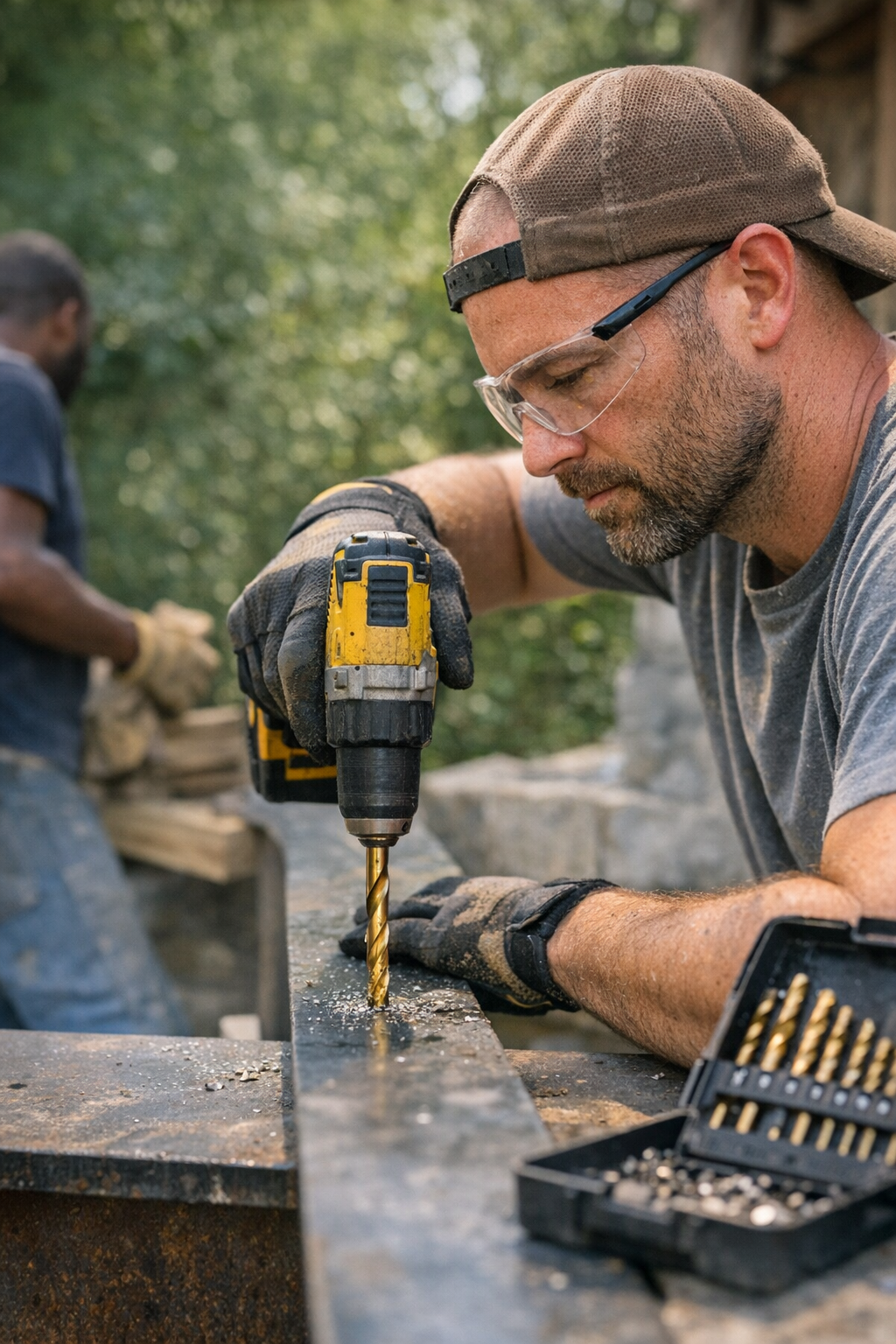
  • How a Simple Bit Coating Transforms Your Tool’s Lifespan

    Understanding the Importance of Drill and Driver Bit Coatings

    If you’ve ever experienced rapid wear on your drill bits or driver bits, you know how frustrating it can be to repeatedly replace them mid-project. Whether you’re a seasoned professional or a weekend DIYer, the lifespan and performance of your bits are often heavily influenced by one overlooked factor: the protective coating applied to the bit.

    At first glance, these coatings might seem like simple surface colors—black, gold, or bronze—but these ultra-thin layers play a vital role in reducing friction, resisting heat, and prolonging cutting edge life. Instead of simply being cosmetic, they provide engineering benefits that translate into smoother drilling and less downtime.

    The Most Common Bit Coatings and Their Benefits

    There is a range of coatings available, each engineered for specific materials and applications. Understanding what each coating offers can help you choose the right bit for your job and achieve better results.

    Black Oxide Coating

    This coating imparts a deep black finish to the bit, enhancing corrosion resistance and reducing surface friction. It is the most affordable upgrade from uncoated steel bits and works well for general-purpose drilling in softer metals and wood.

    Advantages:

    • Improved corrosion resistance compared to bare steel
    • Lower friction helps the bit cut more smoothly
    • Cost-effective for everyday use on wood and mild steel

    Titanium Nitride (TiN) Coating

    Known for its signature golden color, TiN coating significantly enhances wear resistance. It is particularly favored in construction and metalwork because it can offer 2 to 4 times longer bit life than black oxide coated bits.

    Advantages:

    • Greatly extends edge retention in wood and metal
    • Reduces friction and heat buildup during drilling
    • Suitable for high-speed drilling with corded or cordless drills

    Cobalt Bits

    Often alloyed rather than purely coated, cobalt bits feature a silver-blue tint and are designed for tackling tough metals, including stainless steel. These bits are a staple for professionals who frequently drill into high-strength materials.

    Carbide and Diamond-Tipped Bits

    These premium bits are not coatings per se, but rather involve brazing hard inserts onto the bit tip. They are ideal for drilling into masonry, tile, and glass due to their extreme hardness and durability.

    How Coatings Improve Performance and Longevity

    Drilling generates significant heat from friction, which can quickly dull an uncoated steel bit and reduce its lifespan. Quality coatings act as a barrier that reduces friction, lowers operating temperature, and helps maintain a sharp cutting edge for longer periods.

    For example, a titanium nitride coating not only extends the bit’s usable life but also helps maintain stable drilling speeds and decreases the chance of the bit “walking” or slipping across the work surface.

    Optimizing Drill Settings for Coated Bits

    Even with premium coatings, improper drilling techniques can shorten bit life. To get the best performance:

    • Use appropriate speeds—for hardwood and steel, around 1200–1500 strokes per minute (SPM) is ideal with TiN bits.
    • Avoid forcing the bit; let it cut at its own pace to prevent overheating.
    • Periodically withdraw the bit to clear debris and allow cooling between holes—about 5 to 10 seconds can make a significant difference in heat reduction.

    Real-World Example: Jobsite Benefits of Using TiN Bits

    Consider a typical construction scenario involving drilling into steel plates for handrail bracket anchoring. A TiN-coated 5/16″ bit was able to perform ten pilot holes in 1/4″ steel plate before any noticeable dullness. In contrast, a standard black oxide bit began to vibrate and lose grip by the fourth or fifth hole, highlighting the clear advantage of premium coatings for metal work.

    Refresh Tip: Pay Attention to Visual and Tactile Cues

    One practical benefit of high-quality coatings like TiN is that their wear is visually apparent. The golden coating dulls or wears away at the tip over time, signaling that the bit is nearing the end of its effective life. Being mindful of these subtle changes in appearance and sound—such as a change in cutting smoothness or an unusual whirring—allows you to proactively replace bits before poor performance or breakage occurs.

    Considerations for Driver Bits

    Driver bits also benefit from coatings when working with metal studs or dense lumber. Black oxide or titanium coatings extend life and reduce wear when driving numerous screws, especially drywall screws that often challenge bit durability.

    However, even coated driver bits are not immune to wear and should be monitored closely during heavy use to avoid stripping screws or damaging fasteners.

    Maintenance and Bit Care Best Practices

    Here are actionable tips to maximize the lifespan of your coated bits:

    • Avoid grinding or sharpening coated bits: Doing so removes their protective layer and essentially turns them into bare steel bits, which quickly wear out.
    • Use the right bit for the material: Match coatings to the intended application—for example, use cobalt for stainless steel and carbide for masonry.
    • Store bits properly: Prevent corrosion and nicks by keeping them in dedicated cases or holders.

    Final Thoughts

    Choosing the right coating for your drill and driver bits is a smart investment in both time and money. The small upfront cost difference for coatings like titanium nitride translates into significantly longer bit life, smoother drilling, and fewer mid-project interruptions. Paying attention to drill speed, bit condition, and making use of the natural wear cues coatings provide will keep your projects moving efficiently.

    Consider how your current bit care routine stacks up. Are you pushing through dull bits hoping they’ll last just one more hole? Or are you using the right coatings and practices to keep your jobsite downtime minimal? Adopting better bit care and investing in premium coated bits can elevate the quality of your work and lessen tool-related headaches.

  • Solo Airport Mornings: Embrace Freedom, Rhythm, and Your Perfect Bag

    There’s a certain rhythm to airport mornings when you’re on your own. It isn’t exactly excitement, but it’s not anxiety either—just that in-between feeling you get from watching things unfold and not knowing what’s next. I glanced at my boarding pass and let the sounds of the terminal blend together—the steady buzz of lights overhead, bursts of perfume from hurried travelers weaving past. My carry-on sat by my leg, its wheels twitching as my fingers tapped on the handle.

    Traveling solo comes with a kind of freedom, mixed with the quiet of your own company. No group to meet up with or anyone to match steps with this time. The terminal echoed with muffled announcements and distant phone conversations. I could take it all at my own pace. That’s one of the nice parts, especially when everything you need fits in a single bag. No awkward teamwork, just a suitcase sliding over glossy tiles, ready to go whenever I am. I’d picked it up from Carry Supply, and it had already proven to be a solid travel companion.

    Security went by without much fuss. Moving through alone, all you need to think about is your own stuff—passport, bag, maybe a snack. Once you’re through, it all opens up again: magazine stands, the scent of bitter coffee drifting from cafés, airport windows glowing in the morning light. I took my time with my coffee, just watching people filter past. Some strode confidently like they’d done this a hundred times; others looked half-awake; a few clung to their tickets like a lifeline.

    Airports always put you in this odd waiting zone. Sitting alone, you start noticing little things—the pattern on the carpet, the gentle tone in the gate agent’s voice when she’s helping a kid, your own reflection in the glass. I caught myself wondering if I’d packed everything. That quick mental checklist is a habit now. Before the next thing happens, there’s always that small pause.

    Soon enough, a boarding call crackled over the PA. I watched people gather their things, give last instructions, lean in for a quick goodbye. When my turn came, I stood up, guided along by the pull of my bag and the comfort of routine—handle in hand, small steps forward. On solo trips, these habits matter more than you’d think. It’s nice knowing where all your essentials are. Travel is unpredictable, but your bag can be the one steady thing.

    Walking down the jet bridge, I felt the low hum of the plane through the floor. There was no one to share the quiet, but there was no pressure to fill it either. I found my seat, got my bag overhead, buckled in. The little rituals kicked in—seatbelt click, jacket tucked, headphones ready. For a few hours, the world shrank to just this space: background conversation, that silent energy before takeoff.

    Mid-flight, I found myself looking down at the patchwork below, not really thinking about much except how simple things feel up here. Solo travel gives you that space to just be—watching your thoughts go by, the way cities and clouds blur together. Now and then I’d remember a past trip, but this was different. Traveling alone lets you move at your own speed, without expectations.

    Landing always seems to come quicker than expected. The wheels touch down, everyone stands too soon, the search for your bag—still safe above—brings a little relief. The small victories count here: breezing through customs, catching glimpses of the new city outside the window. Sometimes, these little moments end up meaning the most.

    Arriving somewhere new, you always bring along a bit of who you were before you left. The streets, the evening lights, all remind you why you set out. In its own quiet way, solo travel helps you become a little more confident, a bit softer with yourself. On the night I flew home, I noticed how much easier it felt to move through busy terminals alone, just me and my bag.

    Waiting to board by yourself isn’t really about being lonely. It’s more about seeing what you notice—to new places and a bit more of yourself. That’s probably the one constant: with each trip, you learn to trust that you’re carrying what really matters, in your bag and in your own way.

    For me, traveling light and traveling well makes all the difference. I found my way with Carry Supply, and I’ll keep moving, always ready for the next landing.