Category: Uncategorized

  • How Packing Light with Luna Transformed Our Travel Experience

    Packing for a trip with a dog often feels like a balancing act between preparedness and overpacking. It’s easy to get caught in the trap of “just in case” items, which can turn a simple overnight trip into a logistical headache. However, refining your packing strategy can transform travel into a more enjoyable and stress-free experience—for both you and your pet.

    Streamlining Your Packing Process

    One key to reducing travel stress is to start early and be methodical. Instead of last-minute frantic packing, take a few days to assemble essential items and weed out the unnecessary. Begin by laying out everything you think you need, then step back and honestly assess which items are truly essential.

    Essentials for Your Dog

    • Leash and Harness: Choose ones your dog is comfortable and familiar with to avoid adjustments during travel.
    • Collapsible Bowl: Compact and convenient, these allow for easy feeding and hydration stops.
    • Blanket or Favorite Toy: Bringing an item with a familiar scent can comfort your dog in unfamiliar environments.
    • Food Portions and Treats: Pre-measure meals and bring familiar treats to maintain your dog’s routine and happiness.

    Consider the practicality of each item. For example, while bringing multiple sweaters might seem wise, focusing on a single versatile layer can save space and reduce weight.

    The Airport Experience and Travel Day Tips

    Traveling through busy terminals can be overwhelming. To ease the process, familiarize yourself with airport pet policies ahead of time, and try to schedule your travel during less crowded times if possible. When at the airport, keep your dog’s carrier accessible, and create a calm environment by speaking softly and offering reassurance.

    During the Flight

    Once on the plane, make your dog’s space comfortable with their blanket or toy. If your pet tends to be anxious, gently tapping or soft stroking can help soothe them. Observing your dog’s reactions to the hum and vibrations of the plane will help you adjust your comfort measures accordingly.

    Adjusting to a New Environment

    Arriving in a new place with your dog presents a unique mix of familiarity and novelty. Start with short exploratory walks to help your dog acclimate to new scents and sounds. Pay attention to local wildlife or urban features that might intrigue or startle your pet.

    A Simple Routine for Settling In

    • Allow your dog to explore the immediate area slowly.
    • Maintain regular feeding and walking times to establish a sense of normalcy.
    • Use familiar objects like their blanket to mark their new resting spot.

    A Useful Refresh Tip: Simplify to Enhance Connection

    Sometimes the best way to improve your travel experience is to reduce focus on “stuff” and increase time spent simply being present with your dog. After unpacking, consider dedicating uninterrupted time to quiet companionship. This might be a leisurely walk without any distractions or a calm moment by the window watching the world move at its own pace. Silencing the noise of overplanning and excess possessions can foster a deeper connection for both of you during your adventures.

    Returning Home and Reflecting

    Heading back, you might notice the leftover items in your bag are few, a sign your pared-down packing worked. This lean packing approach not only lightens your physical load but lightens mental baggage as well. It’s a step toward traveling more mindfully, with a focus on meaningful experiences over equipment.

    Whether it’s a two-day city visit or a longer journey, traveling with your pet becomes a shared adventure that grows with each trip. By refining what you bring and focusing on the essentials, you and your dog can both find comfort and joy in new places, creating memories with less hassle and more ease.

    For additional tips and insights on traveling with pets, consider exploring related resources and communities dedicated to making pet travel safer and more enjoyable.

  • How Waiting with My Dog Changed the Way I Travel

    The day before a trip often feels like a whirlwind of barely contained chaos. The suitcase lies open, spilling out a layered mess of essentials and nearly forgotten items. Amid this storm of preparations, Charlie—the wiry dog—folds himself into a small circle on the arm of the couch. He sleeps there quietly, his nose pressed against the worn fabric, one ear twitching occasionally at the street’s sounds. Outside, the city hums with early summer life: horns blare, laughter drifts up from the sidewalk, footsteps thud from the apartment above. I watch Charlie exhale calmly, his stillness inviting a peaceful moment in the midst of packing turmoil, though the leash and harness resting nearby remind me that adventure is imminent.

    Preparing to Travel Together: Rituals and Readiness

    Packing for a trip with a pet transforms simple plans into a kind of low-key theater. Sorting through Charlie’s worn travel bowl, finding the rubber carrot toy he loves to chew, and running a careful finger along the seams of the canvas carrier are all part of the ritual. Though the carrier is now a bit snug, it remains his favorite launchpad for adventure. Charlie notices these preparations, standing up to stretch and walking with a purposeful click of his nails on the floor, as if he’s ready to offer help.

    When the harness appears near the door, he makes deliberate loops around the landing before nudging my shin with his head. I brush off the inevitable dog hair that clings to my shirt and acknowledge that these small, somewhat inefficient steps are key. They ensure not only that everything is packed—the extra treats, vaccine documents, half-filled kibble bag—but also that we share a moment of calm together. This bonding, this gradual letting go, actually becomes the start of the travel experience.

    Packing Tips for Traveling With Pets

    • Essentials first: Always prepare a dedicated travel kit for your pet including food, water, toys, medication, and important documents like vaccination records.
    • Comfort items: Bring familiar toys or blankets to soothe your pet in unfamiliar environments.
    • Pre-trip exercise: Giving your pet a good walk or play session before packing helps burn off nervous energy and promotes rest during travel.

    From Apartment to Airport: The Journey Begins

    On the day of travel, the cab arrives early. I carry Charlie down the stairs, feeling his paws tremble slightly against my arm—a mixture of excitement and anticipation. At the curb, there’s a secret rhythm in the city’s sounds, the way the sun catches wet pavement, the faint aroma of fresh bagels from a nearby deli. In these moments, the familiar noise and scents ground us, a shared secret as we step into the unknown.

    Airports, once a source of tension for me, present a softened, almost suspended experience now. Charlie peers out from his carrier calmly, unaffected by the scanner’s beeps or the sounds around us. Travelers often pause to smile or try to catch his gaze, creating small, unexpected connections. Passing through security becomes less a chore and more a procession of small, coordinated movements—a dance shared between us as we navigate the flow with quiet focus.

    Tips for Stress-Free Airport Navigation With Pets

    • Early arrival: Give yourself plenty of time to accommodate unexpected delays and allow your pet to get accustomed to the environment.
    • Keep your pet close: Use carriers or leashes to ensure safety and minimize stress for both your pet and those around you.
    • Stay calm: Your own demeanor impacts your pet’s comfort; try to remain composed and patient throughout the process.

    The Waiting Game: Finding Calm in Transit

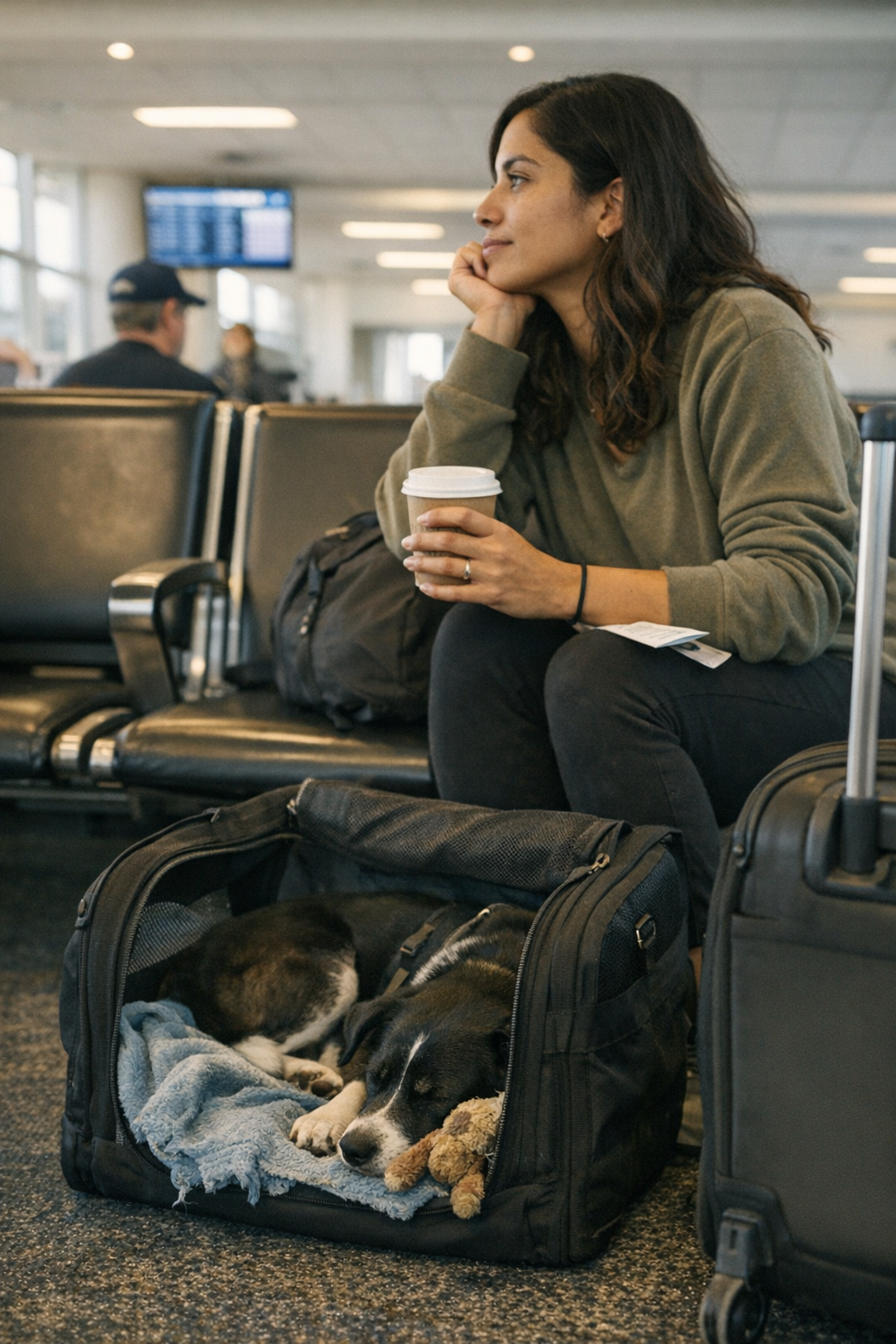
    At the gate, time seems to stretch and slow. Charlie curls in the crook of my knee with his muzzle resting softly in my palm. Around us, the terminal fills with muted sounds—the hum of announcements, the steady shuffle of travelers, small laughter from children playing. This pause is no longer simply a delay; it becomes a quiet, necessary rest between chapters. Charlie nuzzles his squeaky toy carrot, the small sound blending with the ambient hum. This moment of calm resets both of us.

    Many travelers find waiting to be frustrating, but reframing it as a meaningful pause can help manage the journey’s emotional load. The spaces between movement hold their own value and set the tone for what follows.

    Refresh Tip: Embrace the Waiting Spaces as Restful Pauses

    Rather than viewing waiting as lost time, approach it as an opportunity to breathe deeply, reconnect with your pet, and allow anticipation to soften into calm. Stretch gently, sip water, and engage in mindful observation of your surroundings—these moments serve as mini-restorations that support both you and your companion.

    On Board and In Flight: Shared Serenity

    Once we board the plane, everything narrows to shared anticipation. The jet bridge’s metallic buzz gives way to the low hum of engines and the collective settling of passengers. Charlie shifts in his carrier, nose pressed against the mesh to catch new scents. As the plane ascends, I tap the carrier gently with my foot, anchoring myself as the cityscape fades into clouds.

    Charlie nestles quietly beneath the seat, offering no restless whining, only deep, even breaths. That sigh he makes invites me to slow down too, syncing our rhythms in the gentle rocking of the flight. The world outside blurs with shifting light, and for a moment, what’s next feels suspended.

    Arrival: New City, Familiar Rituals

    We arrive to a different city, early morning light softened by recent rain. The terminal floor feels cold and slightly tacky underfoot. Letting Charlie out for a stretch brings immediate joy; he pauses curiously at puddles and the greenery pushing through cracks in the pavement. Nearby, cars idle quietly and the soft clang of a café can be heard. Charlie rolls enthusiastically in a sunlit patch of grass—his own lively welcome to this new place.

    Although everything else is unfamiliar, these small routines—walks, sniffing, resting—anchor us. They help create a sense of home wherever we are. The scent of coffee, damp concrete, and fresh leaves remind me that travel isn’t just about the destination, but the way we adapt and find comfort along the way.

    Settling In: Nighttime and Reflection

    The room around us is cool and tinged with blue shadows. Charlie moves quietly, circling at the foot of the bed before settling down with his toy between his paws. Sitting by the window, I watch the distant headlights and absorb the gentle silence of this new neighborhood. In these quiet moments, I realize that waiting and transition, so often associated with anxiety, have softened into something tender and restorative. Travel’s calm doesn’t arrive at the destination alone—it lives in the pauses and rhythms shared along the journey.

    Returning Home: The Journey Comes Full Circle

    Back home, the familiar sounds greet us immediately: the kick of suitcase wheels across hardwood floors, the hum and rattle of the radiator, city noises weaving through open windows. Charlie settles back onto the couch, eyes bright with familiar comfort but already measuring the nuances of the next adventure. I stand in the center of the space, leash and harness in hand, and hear his steady breathing aligning with mine. It’s a quiet confirmation: travel has shifted from frantic escape to mindful experience, with waiting and movement woven seamlessly together.

    Through these shared travels, I’ve discovered that the calm of the journey is stitched through every pause, every soft moment of waiting—from the silent cab rides to the quiet hum above the clouds. If the urge to explore stirs again, I find that touching our travel essentials—the worn bowl, the cherished toy, even new trinkets—invites the memory of these sacred pauses back into focus, keeping the spirit of calm travel alive.


  • How My Pet’s Calm at the Gate Helped Settle My Travel Nerves

    Preparing for Travel with Your Pet: The First Steps

    Traveling with a pet like Bandit always begins with a familiar ritual—the distinct zip of the duffel bag signaling that it’s time to prepare. This simple sound sets the tone, alerting both pet and owner that a journey is imminent. For Bandit, watching from the hallway as the faded blue blanket is pulled from the basket and draped thoughtfully over his carrier is more than just a routine; it’s a comforting moment that we both recognize as the start of travel.

    This blanket, well-worn and soft, carries the subtle scent of previous trips—trains, rental cars, airports—each thread a patch of calm woven through change. Packing feels like a learned dance, one where Bandit becomes an active participant, circling around and playfully pawing socks, while I gather essentials like his harness, favorite toy, and paperwork. Each step serves as a reminder we’re about to leave familiar ground.

    Night Before the Journey: Managing Pre-Flight Restlessness

    The night before travel often brings a restless energy. While I wrestle with bags and chargers, Bandit alternates between pacing the hallway and quietly settling on the blanket, his steady breathing contrasting my nerves. The low hum of city life filters through the window, a soothing background that I try to focus on in place of the growing anticipation. Unlike me, Bandit finds his peace by simply being present, a reminder that calmness can sometimes be found in mindfulness.

    The Early Morning Departure: Quiet City Walk to the Airport

    Before sunrise, the world is just beginning to stir. Neighbors leave for early shifts, and the quiet street forms a soft backdrop as a cab pulls up under the dim sky. Bandit leans into my leg, sharing warmth as we step out, navigating quiet streets lined with glowing signs and empty bus stops. The pre-dawn city feels intimate, a personal stage set before the day’s bustle arrives.

    At the airport terminal, the atmosphere is slowly waking. Metal shutters roll up, escalators buzz faintly, and the steady clatter of rolling suitcases adds rhythm to the scene. Bandit’s calm demeanor draws smiles from overnight staff, his presence softening the sometimes stark environment of the terminal and easing the tension that often accompanies travel.

    Getting Through Security: The Pet-Friendly Transition

    Security checks can be an awkward hurdle. Removing shoes, presenting boarding passes, unbuckling Bandit’s harness—all require a coordinated effort. Yet Bandit’s patient stillness during these moments steadies the process. Sending his fraying favorite toy through the x-ray scanner feels like a small act of trust, emblematic of the uncertainty animals face in unfamiliar settings. Watching his tail gently tap by my feet reminds me of the shared rhythm between traveler and companion.

    Waiting at the Gate: Finding Comfort in Small Spaces

    Gate wait times develop their own pace. The overhead lighting fights off morning gloom, but the environment remains hushed, almost suspended. Preparing Bandit’s blanket inside his carrier transforms it into a tiny sanctuary. Observing him curl up, ears folding over a paw, I’m reminded how animals instinctively find rest amid chaos. This moment, simple and sincere, calms my own anxious thoughts and highlights a vital lesson: offering consistency and reassurance can help pets and humans alike navigate change.

    On the Plane: Shared Calm Amidst Turbulence

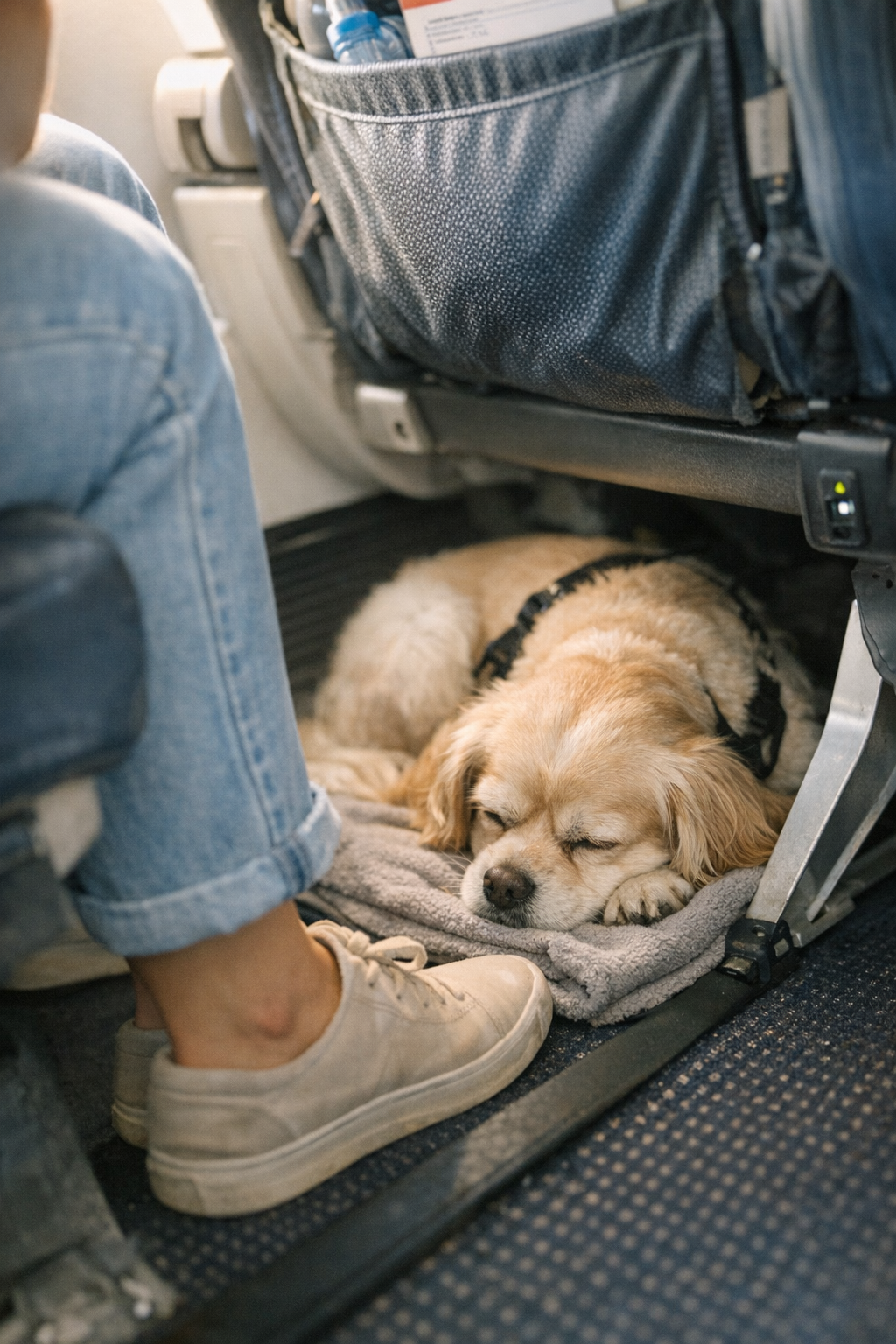
    Boarding brings a final adjustment. Bandit’s quiet compliance on the aircraft, the texture of the plane’s carpet beneath his paws, and the closing of the door create a cocoon of familiarity. He curls close against his worn fleece, seemingly unbothered by the occasional bumps and shifts of turbulence. Feeling his steady breath anchors me when uncertainty strikes, turning an intimidating experience into one buffered by mutual trust and presence.

    Arriving and Settling In: Exploring New Surroundings Together

    Disembarking feels like stepping into fresh air—literally and figuratively. The jet bridge leads to a world scented with unfamiliar smells: pine, car exhaust, and the hum of a new city waking up. Our rental car, though cramped, carries its own newness: the scent of fresh upholstery mingled with city life’s layers. As we drive through early morning streets, Bandit’s curiosity grows with every new sound—the ring of a bike bell, distant sirens, the rattle of buses starting their routes.

    A detour to a nearby park allows a moment of connection with nature. The dew-kissed grass and nearby river echoes offer a grounding pause between transit and settling. Bandit’s fresh paw prints on the soft earth mark this moment of transition before we head to the hotel. Arriving at our temporary room, the unfamiliar mingles with comforting rituals—the familiar blanket unfurling on carpet, a small space made bearable by shared presence.

    Acclimating to the New Environment

    Later, the sounds filtering through the window—the laughter of passersby, splashing tires, a subway rumble—welcome us into the city’s rhythm. Bandit completes his inspection of the room, sniffing corners and revisiting his toy, grounding himself with familiar scents amid strangeness. These small rituals mark the unfolding of a new routine, a slow and steady acclimation after the initial hectic travel.

    Reflection and Renewal: Travel’s Lingering Energy

    The day after arrival, both Bandit and I carry traces of the journey. Unpacking is fluid, absent-minded—clothes and gear scattered as I watch Bandit investigate his blanket, picking up the mingled scents of past and present. He finds a sunlit spot by the window to stretch and rest, while I sense the residual tension travel brings, waiting to unfold into deeper relaxation.

    A Subtle Refresh Tip: Embrace the Pause

    When travel feels overwhelming, try this: pause. Let your pet find their spot—whether it’s a patch of sunlight or their favorite blanket—and join them. Sit quietly and breathe along with them. This simple act of syncing your energy to theirs creates a shared calm, easing the transition from movement to stillness. It’s in these interludes that both pet and owner renew strength and welcome the next moments, refreshed and grounded.

    Conclusion: The Shared Journey Beyond Routine

    Traveling with pets like Bandit is less about the destination and more about the rhythms we create together. From packing through to settling into a new place, it’s the shared experiences of calm, trust, and routine that smooth the edges of unfamiliarity. Every zip of a duffel, every soft sigh in a quiet terminal, and every curious sniff of a city corner contributes to a story—one marked by resilience, companionship, and continual adaptation.

  • How Slowing Down Transformed My Travel with Leo

    Preparing for a Calm Journey with Your Dog

    Traveling with your dog can often feel like navigating a whirlwind of preparation—packing essentials, securing pet carriers, and juggling last-minute details. Yet, over time, there’s a way to turn the chaos of travel mornings into a more peaceful, measured routine that benefits both you and your canine companion.

    Imagine a typical travel day. The suitcase hovers partly packed, piles of gear sprawl across the floor, and your dog paces nearby, tail twitching with unease. The house seems too small for the tension, your mind racing to check off what you might have missed. This familiar scene happens because travel often primes us to rush, to micromanage every detail in hopes of averting mishap. But what if there’s a gentler approach?

    The Shift Toward Mindful, Slow Travel with Pets

    One morning, amidst the soft hum of rain and quiet light, the ritual shifted. Instead of the typical scramble, there was a shared stillness. The dog rested calmly beneath the table, the suitcase lay empty but open, the usually frantic packing took a backseat to a few calm moments of connection. This slower pace wasn’t about neglecting preparation but honoring the journey’s natural rhythm.

    Taking the time to sit with your pet before leaving, to give a gentle ear scratch or share a quiet moment, can ease anxiety for both of you. It grounds the day and helps transition from the rush of preparation to the unfolding adventure.

    Tip: Start Your Travel Morning with a Quiet Check-In

    Set aside 5–10 minutes before you head out to be fully present with your pet. This can be as simple as sitting on the floor together, offering calm words or gentle touch. It builds trust and helps soothe travel jitters more effectively than last-minute rushing.

    Getting to the Airport: Embracing the Noise and Pace

    Travel days involve navigating a range of stimuli—rain-slicked parking lots, bustling crowds, confusing announcements, and security protocols. Keeping your dog close, observing their reactions, and letting them engage with the environment at their own pace fosters confidence and comfort.

    Allow your dog to explore interesting scents and sights while maintaining calm control—notice the small pauses where their attention shifts naturally. These moments are entry points to calmness amid the hustle.

    Practical Strategy: Use a Harness and Leash for Control and Comfort

    Using a comfortable harness rather than just a collar gives your dog secure yet gentle restraint, helping them feel safe transporting through busy spaces. Using a leash that allows a bit of slack to sniff but not enough to overwhelm control supports this balance.

    Security Checkpoints and Air Travel Tips

    Security often heightens anxiety—for both pets and owners. Unzipping the carrier to allow a moment of reassurance, maintaining physical contact through a gentle touch, and breathing calmly yourself can help your pet stay grounded.

    The interactions with TSA agents or fellow travelers might offer little moments of unexpected kindness—compliments on your pet’s name or gentle encouragement—that can ease the atmosphere. Notice and appreciate these small human connections, as they shift energy away from tension.

    Refresh Tip: Breathe and Reset Through Travel Tension

    When anxiety picks up at security lines or during boarding, pause for a few deep breaths. Inhale slowly through your nose, hold, and exhale fully. This simple act helps reset the nervous system, allowing you and your dog to move forward with renewed calm.

    Settling into the Flight and Arrival

    Once aboard, placing your dog’s carrier securely under the seat and establishing a comforting touch helps them relax amidst the unfamiliar sounds and vibrations. Encouraging them to rest, rather than forcing activity, aligns with their natural cues and comfort levels.

    After landing, take time to reorient your dog gently: open the carrier slowly, greet their joyful anticipation without rushing, and allow them to soak in the new environment on their terms.

    First Walks and Acclimating to a New Place

    The initial exploration of a new city or neighborhood sets the tone for your dog’s experience. Slowing down, letting them sniff every patch of grass or investigate the strange new scents, honors their curiosity and eases transitional stress.

    As they take deliberate, almost playful steps—sniffing leaves or greeting local dogs—remember that the travel experience isn’t just about the destination, but the layered, sensory story your dog creates along the way.

    Settling In: Finding Comfort in Unfamiliar Spaces

    Whether it’s a hotel room or a friend’s couch, spaces often feel smaller when shared with a dog who claims their spot proudly. Observing their bedtime rituals and giving space for familiar comfort items—a bandana, a favorite toy—helps both of you feel more at home.

    Listening to the steady rhythm of their breathing can be a meditative moment to quiet your own travel fatigue and set the tone for restful sleep.

    Reflecting on the Journey: Embracing Flexibility Over Control

    Travel, especially with pets, rarely goes perfectly by the clock or checklist. But letting go of rigid schedules and embracing moments of pause—whether a quiet breakfast, a slower walk, or an unhurried moment at the airport—can transform the trip into a shared experience of connection and calm.

    In the days after returning home, keep some travel rhythms alive: a favorite bandana scented with the journey, a gently worn toy, or photos of new places. These small anchors can remind you and your pet that the heart of travel is less about perfect execution and more about presence.

    Final Takeaway for Traveling With Your Dog

    Good travel routines balance preparation with mindfulness. Pack thoughtfully but avoid last-minute frenzy. Allow your pet to lead some moments, honoring their favorite smells, spaces, and rhythms. And most importantly, breathe through the inevitable challenges. These subtle shifts cultivate an ease that makes traveling together a joyful adventure, no matter where your journey leads.

  • How a Carry-On Can Quiet the Chaos of Travel Transitions

    The Night Before: Quiet Rituals and Packing Preparation

    The evening before a trip carries a unique blend of anticipation and calm, as well as a strange sense of time slowing down. Packing becomes a personal ritual—folding favorite shirts just so, selecting a book you hope to read, and double-checking small essentials like socks nestled quietly in the corners of your carry-on. These seemingly small actions hold an important purpose: creating a sense of readiness and control before stepping into the unknown.

    Taking a moment to pause over your suitcase, no matter how simple or compact, offers comfort. It might be a slim carry-on, thoughtfully packed with a pouch of charging cables, a soft shirt reserved for the flight, and even a familiar scent that encapsulates memories of past journeys. These belongings are more than just items—they are an anchor to familiarity as you prepare to leave your everyday world.

    Sleep and the Morning of Departure

    Rest is often elusive the night before travel. Thoughts race with reminders of early alarms, transit logistics, and schedules to keep. At the same time, there is the enticing promise of freedom from daily routines. When morning comes, it arrives quietly and with a gentle grey light that seems to heighten your sense of anticipation.

    The journey to the airport is often filled with moments of peaceful reflection amid chaos. Sitting in the car, you might find yourself closing your eyes briefly to absorb that last bit of familiarity before stepping into a buzzing atmosphere filled with other travelers. Airports, with their mix of busy crowds and quiet corners, teach patience and serve as a crossroads for countless stories.

    Security Checks and Terminal Time

    Security lines can be a test of patience, but carrying only a well-packed carry-on can ease this experience. Being able to keep all belongings with you reduces stress and speeds the process. Removing shoes and sliding your bag through the scanner becomes part of a shared, almost ritualistic dance among travelers.

    Once through security, the terminal becomes a space where time warps. The rich aroma of coffee beckons the adventurous, while the weight of your bag serves as a comforting reminder of the upcoming escape. Finding your gate offers a pause for people-watching—families laughing, nervous travelers scrolling through their phones, and others simply waiting, caught in that transient space between departure and arrival.

    Boarding and the Flight Experience

    Boarding happens quickly, and stepping onto the jet bridge always feels like the true beginning of the journey. The hum of engines, the clink of seat belt buckles, and the shuffle of passengers settling in create a distinctive atmosphere. Overhead bins fill with various bags—from rugged backpacks to shiny hard-shell cases—all containing the private stories and essentials people value most.

    Securing a window seat offers a breath of relief and a chance to watch the world recede as the plane ascends. The patchwork of houses and roads becomes a beautiful abstraction, reminding you to gently let go of the familiar. The collective confinement of the cabin fosters a quiet intimacy, with each person wrapped in their own space through books, headphones, or sleep.

    Your carry-on remains a personal treasure throughout the flight—a small quilt of familiarity woven from routine, wear, and sentiment. Catching glimpses of it tucked beneath the seat reinforces a sense of stability amid the transitory. At times like these, it’s natural to consider how a different bag might enhance future travels, but the one with you holds value beyond its appearance.

    Arrival and Adjusting to a New Place

    Arrival marks a shift from anticipation to engagement. The first breath of new air, scanning unfamiliar signs, and navigating the bustle of a foreign airport awaken the senses. Walking city streets with a modest suitcase trails your life’s essentials behind you in a tangible way.

    Travel teaches you to appreciate the art of packing light. Each time you open your carry-on and find exactly what you need, a quiet confidence builds—a reassurance that comfort and practicality do not require excess. Your old T-shirt worn the first night away, or a notebook filled with thoughts and observations, become treasures that accompany your evolving story.

    Returning Home: A Sense of Completeness

    The return journey often brings a gentle release of tension. Familiar skylines drift back into view, easing you out of travel mode. Arriving home, the once-full carry-on is now somewhat scuffed and nearly empty, ready for its next adventure. This cyclical nature of travel, departure, return, and renewal forms a comforting rhythm.

    Your luggage carries traces of your journey—weathered by rain, touched by airport scents, and infused with memories from new places and friendships. Unpacking is more than putting things away; it’s a moment to reflect, reset, and allow the experiences to settle.

    Refresh Tip: Embrace the Liminal Moments

    One subtle way to enhance your travel experience is to cultivate mindfulness during the transitional phases—the liminal moments when you’re waiting, moving between places, or simply pausing. Instead of rushing or feeling impatient, use these times to breathe deeply, observe your surroundings, or jot down thoughts. This gentle shift encourages presence, transforms waiting from frustration to reflection, and can make journeys feel more enriching and balanced.

    Preparing for Your Next Adventure

    With every trip completed, the cycle of anticipation recommences. Thoughts turn naturally toward future destinations, familiar faces to reconnect with, and destinations yet unknown. Occasionally, the thought of upgrading your luggage or revising your packing strategy crosses your mind, but the true value lies in the mindful choices that let you travel with ease and peace.

    Your carry-on is more than just a bag—it’s a trusted companion on the many quiet journeys, holding your essentials and memories alike, ready to carry you forward.

  • Why an Oscillating Tool Quietly Outperforms Your Saw

    The Surprising Advantage of Oscillating Multitools Over Traditional Saws

    In many workshops, a familiar challenge often arises: the task calls for a cut that seems simple but ends up frustrating due to tight spaces or delicate surroundings. When holding a saw feels like the only option yet doesn’t quite fit the bill, reaching for an oscillating multitool can turn the experience around. These versatile tools offer precision, control, and accessibility that larger saws simply can’t match in certain situations.

    Oscillating multitools might initially appear less powerful or specialized compared to circular or reciprocating saws. However, their unique oscillating blade action combined with a compact form factor allows them to excel where traditional saws struggle—especially in tight corners, flush cuts, or delicate materials.

    Understanding the Oscillating Multitool’s Strengths

    Unlike saws that cut with a continuous rotary or reciprocating motion, oscillating tools move their blades back and forth at a high speed over a very small arc. This means they cut precisely without aggressive movement, lending themselves to detailed work and controlled removal. Instead of forcing cuts, they allow for an approach where finesse is key, reducing damage to surrounding materials and offering cleaner edges.

    Three Workshop Situations Perfect for an Oscillating Multitool

    1. Flush-Cutting Trims and Molding

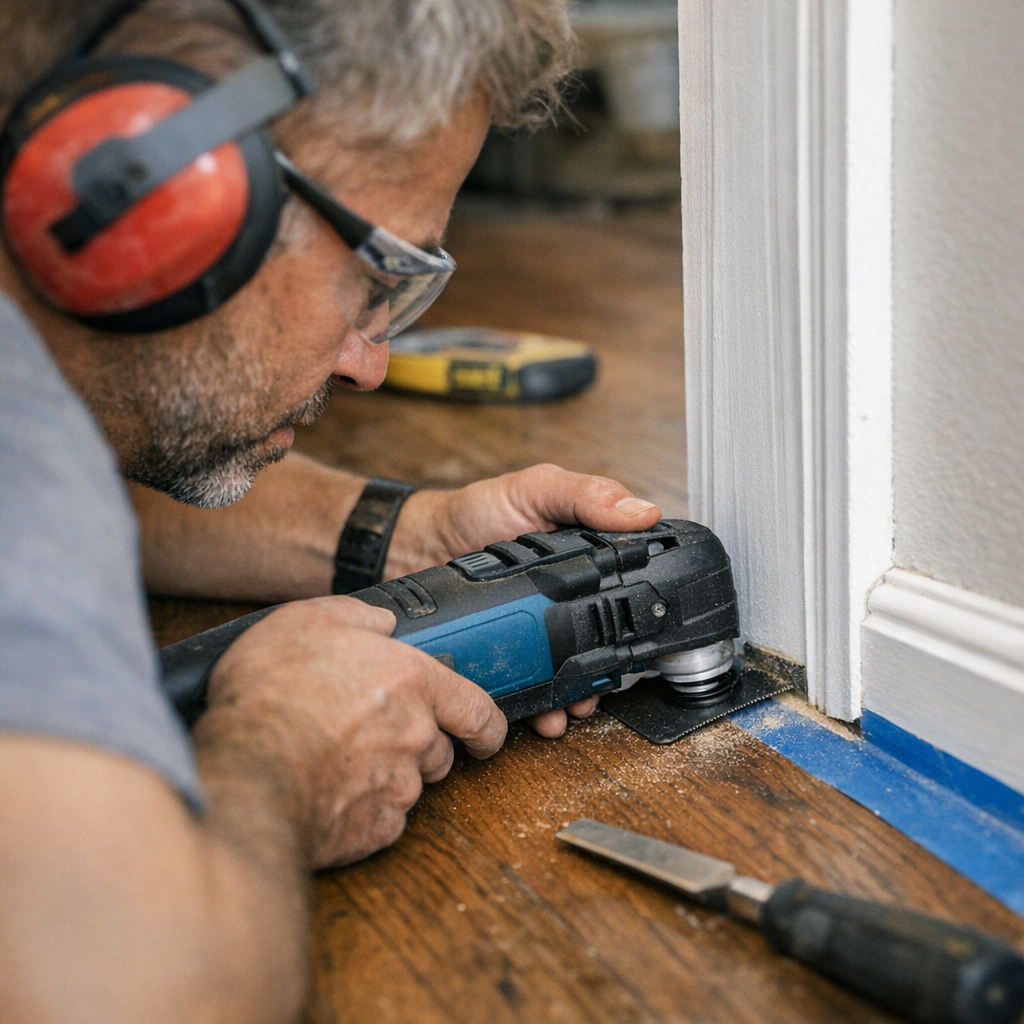
    One of the most common challenges is trimming baseboard or molding flush against floors or uneven surfaces. Traditional saws often cannot fit, and handsaws risk damaging floors or walls. Using an oscillating multitool with a fine-toothed flush cut blade allows you to trim precisely, leaving the paint and adjacent surfaces intact.

    For the best result, select a blade with 16–18 teeth per inch (TPI). Higher TPI blades deliver smoother finishes with less splintering, especially important when working with finished trims. A thin kerf blade (about 1.2mm) ensures you can work close to the surface without gouging it. Operating the tool at 15,000–18,000 strokes per minute (SPM) balances speed with control.

    Pro Tip: Avoid rushing the cut by pressing too hard. Let the tool’s oscillation do the work to minimize heat buildup, blade dulling, and deviation from your line. Protect adjacent surfaces by applying painter’s tape around the cutting area to prevent scratches or marring caused by accidental blade contact.

    2. Drywall and Plaster Cutouts for Electrical Boxes

    Installing or replacing electrical boxes often requires cutting drywall precisely to fit the box snugly. While keyhole saws and utility knives are traditional options, they produce dust, jagged edges, and take longer to clean up. Oscillating multitools equipped with a semicircular bi-metal or carbide blade excel here, making plunge cuts with clean edges and smooth corners.

    Set the orbital action to “off” or low to minimize chipping or fracturing of the drywall’s gypsum surface. The oscillation speed can be safely pushed up to 20,000 SPM without blade wear. For optimal results, first trace the box’s outline carefully and lightly score the perimeter with a utility knife. This scoring acts as a guide, helping the oscillating blade follow the path perfectly and reducing edge damage.

    Pro Tip: Tilt the blade inward at a 5–10 degree angle during cut-in to limit chipping. This small adjustment drastically reduces the time spent smoothing rough edges later, saving effort on joint compound or sanding.

    3. Removing Grout and Caulk Without Damaging Tile

    Cleaning out grout lines or removing caulk is a tedious job that can easily damage surrounding tile surfaces if done with chisels or scrapers. Multitools fitted with carbide or diamond-coated blades make this task far faster and safer. They cut through hardened material cleanly while you maintain fine control.

    A segmented diamond grout blade about 1.7–2mm wide paired with speeds of 18,000–20,000 SPM allows for consistent depth control without the blade stalling or skipping. Regularly clearing debris from the blade and using a damp spray bottle to wet the area reduces dust and prevents the blade from overheating.

    A Shift in Perspective: Mastering the Multitool’s Subtle Movements

    One of the key benefits—and often overlooked advantages—of oscillating multitools is the ability to work deliberately at a slower pace. Unlike larger saws where cutting speed often requires force or heavy pressure, the multitool thrives on finesse. This controlled approach minimizes mistakes and leads to cleaner results, ultimately reducing the need for additional finishing work.

    Here’s a practical tip to boost your multitool effectiveness: when making plunge cuts or entering material away from edges, instead of pushing the blade straight down, gently rock it in a small arc. This rocking motion helps the oscillating blade engage material more steadily and prevents the sudden grabbing or jumping that can cause the blade to veer off course, especially in hard woods or plastics.

    Why the Oscillating Multitool Is Not Just a Backup

    While large saws like circular, mitre, or reciprocating saws will always be essential for broad, heavy-duty cuts, oscillating multitools have carved out an indispensable niche. They make jobs possible or significantly easier that otherwise would be handled with guesswork, time-consuming hand tools, or risk of damage.

    Emerging from years of experience and trial, the multitool is no “nice-to-have” luxury but a problem solver that changes how you approach challenging cuts. If you haven’t yet explored the full versatility of the oscillating multitool, consider testing it on your next precise trim, drywall cut, or grout removal task. You’ll find it’s often the smartest tool for the job.

  • Why Less Power Washing Extends Your Concrete’s Life

    Understanding the Risks of Over-Spraying Concrete

    Anyone who has used a power cleaner on concrete—whether a driveway, patio, or walkway—has likely experienced the urge to keep spraying beyond what seems necessary. It’s tempting to believe that more cleaning power, longer spray time, and higher pressure will produce better results. Unfortunately, over-spraying concrete doesn’t just waste time and water; it can cause real damage to the surface.

    Concrete’s durability often lures us into a false sense of security, making us think it can withstand anything we throw at it. Stubborn stains invite more aggressive cleaning, and each pass seems to temporarily brighten the surface. But prolonged or intense spraying can erode the vital top layer—the cement paste that binds the concrete’s aggregate together—and that erosion leads to long-term problems.

    The Science Behind Concrete Surface Damage

    Concrete surfaces are composed of a dense top layer commonly referred to as the “cream.” This layer is smoother, denser, and more resistant to moisture and stain penetration than the underlying aggregate. Proper cleaning methods preserve the cream, ensuring your surface remains strong and less prone to discoloration.

    Power washers can generate between 2,000 and 3,000 PSI for typical residential concrete cleaning. At these pressures, using appropriate nozzles with wider spray angles (25–40 degrees) and maintaining a steady sweeping motion keeps the surface intact while removing grime. However, focusing the spray on one spot for too long or using narrow, high-impact nozzles like zero-degree tips can effectively chip away that cream layer.

    This erosion exposes the rough aggregate beneath, which is more porous and vulnerable. Over time, it absorbs water and chemicals more readily, contributing to surface pitting, discoloration, and accelerated deterioration due to weather factors such as freeze-thaw cycles. In fact, studies have shown that removing even 0.5–1 mm of the paste layer increases vulnerability significantly—far less than most users realize when aggressively power washing.

    Common Mistakes and Their Consequences

    A widespread error is using turbo nozzles or zero-degree tips to tackle stubborn stains. While effective at removing dirt, these nozzles act like small chisels, gouging out the surface rather than cleaning it gently. Another common oversight is holding the nozzle too close to the surface, which intensifies water impact and results in uneven abrasion.

    Ignoring these warnings often leads to faded patches that look lighter but rougher, attracting dirt and grime faster. These rough spots then become magnet areas requiring frequent cleaning, creating a damaging cycle of abrasion and discomfort. In some climates, this damage progresses to structural issues such as cracking and spalling.

    A Personal Example: The Illusion of a Clean Surface

    A neighbor once asked me to tackle a persistent oil stain on his driveway. I took my power washer and went at the stain methodically, increasing pressure and making multiple passes to erase it. While the oil mark faded, the result was a noticeably lighter, rougher patch that stood out even more. Over time, that patch attracted dirt readily and began to deteriorate. It was a firsthand lesson in how over-cleaning can do more harm than good.

    Best Practices for Cleaning Concrete with a Power Washer

    1. Use the Right Pressure and Flow Rate

    For patios and driveways, 2,000 to 3,000 PSI with a flow rate of 2 to 3.5 gallons per minute (GPM) strikes a good balance between effective cleaning and surface protection. Higher flow rates can sometimes be used, but pressure should be moderated to avoid excessive abrasion.

    2. Choose the Correct Nozzle Type and Spray Angle

    Use wide spray angle nozzles, typically between 25 and 40 degrees. Maintaining a 45-degree nozzle angle relative to the surface and a spray distance of 12 to 18 inches reduces the risk of concentrated pressure that could damage the cream layer.

    3. Apply a Steady, Sweeping Motion

    Avoid lingering on one spot for more than a couple of seconds. A steady sweeping motion (about 2–3 feet per second) maintains even cleaning and prevents surface erosion. When a stubborn stain resists after two passes, consider alternative cleaning methods rather than pressing harder.

    4. Use pH-Neutral Cleaners When Needed

    If a stain doesn’t lift easily, apply a concrete-appropriate, pH-neutral cleaner according to product instructions, allowing it to dwell before rinsing thoroughly. This reduces the need for repeated high-pressure washing, preserving surface integrity.

    Refreshing Your Approach: Less Can Be More

    Think of power washing concrete like washing your hands. Vigorous scrubbing removes dirt, but overdoing it leaves your skin raw and vulnerable. Similarly, resisting the urge to overspray means protecting the surface rather than harming it. Adopting a mindset that prioritizes an even, measured clean with patience gives the best long-term results.

    Additionally, periodically inspect areas cleaned with your palm. If any spots feel rougher or more porous than the rest, it’s a sign that the cream layer might be compromised. Early detection helps you adjust techniques before irreversible damage occurs.

    Practical Tips for Longer-Lasting Concrete

    • Maintain a Consistent Spray Distance: Keeping your nozzle about 12–18 inches from the concrete avoids excessive impact and spray-back.
    • Avoid Zero-Degree or Turbo Nozzles: These concentrate water too intensely and can gouge the surface. Opt for wider fan nozzles.
    • Rotate Cleaning Methods: For tough stains, use chemical cleaners specifically designed for concrete, then rinse gently rather than scrub excessively.
    • Regularly Inspect and Test: Feel your concrete surfaces; rough patches might require more delicate attention or even professional evaluation.

    Understanding the Long-Term Benefits

    Balancing effective cleaning with respect for your concrete’s surface can extend its lifespan, maintain its visual appeal, and reduce costly repairs. Power washers are excellent tools, but skillful use is essential to prevent premature surface wear and damage.

    In the end, the goal is to maintain the protective cream layer intact. This preserves the concrete’s resistance against stains, moisture, and environmental wear. Taking a measured, thoughtful approach to power washing can save you time, money, and frustration down the road.

    For further reading and guidance on selecting and using power washers and accessories, consider resources that specialize in cleaning tools and techniques to complement your upkeep routine.

  • The Quiet Comfort of Travel: How a Carry-On Transforms Journeys

    The Beginning of a Journey: The Thought That Sparks Travel

    Every journey starts with a simple spark—sometimes it’s a conversation in a group chat or a breathtaking photo online that stirs something inside. For me, the urge wasn’t triggered by images or words, but by a deep restlessness—a quiet but persistent itch to escape the familiar and explore somewhere new. That feeling nudged me to pick travel dates, book flights, and prepare for the unknown ahead.

    Travel Light, Travel Right: The Power of Carry-On Luggage

    One of the biggest lessons learned over countless trips is how empowering it is to travel with only a carry-on. Choosing a compact, well-designed piece of luggage transforms the entire experience. By keeping belongings limited to the essentials—perhaps a handful of shirts, electronics chargers, and a comfortable layer for chilly flights—you strip away the excess and the anxiety of losing bags or waiting at baggage claims.

    The night before departure often brings a quiet ritual of packing this carry-on, where each item is carefully folded and placed in its designated spot. The anticipation feels intimate; my familiar bag, with its sturdy shell and familiar shape, stands ready like a trusted travel companion.

    Airport Rhythms: The Rituals That Calm the Mind

    Airports possess their own unique soundscape and energy. Despite the bright fluorescents and the rush of crowds, there’s comfort in the routine: passing through security checks, the familiar beep of boarding passes, the hum of distant conversations alongside the soft rolling of luggage wheels.

    Sitting at the gate, often in a quiet corner, I find moments to reflect before the flight. Watching planes stretch their wings and taxi, as colors peek slowly over the horizon, the gravity of stepping out of routine sets in. These moments ground you, reminding you that while journeys can feel overwhelming, they also offer clarity and pause.

    In-Flight Experience: Finding Space Amid Clouds

    Settling in beside a window seat, the cabin becomes a small world of its own. The plane’s steady rumble creates a cocoon-like environment where thoughts slow down. Watching cloud formations drift below brings a sense of lightness, as if the airplane carries not just my body, but my worries away from the everyday.

    My carry-on fits snugly in the overhead bin, its presence a quiet reassurance. As the ground slips further behind, my thoughts drift from pending emails and meetings to the new experiences awaiting on the other side of the flight.

    Arrival and Immersion: The Freshness of New Places

    Touching down always feels like opening a door to another world. The moment outside the jetway, the air tastes different—sometimes crisp, sometimes warm or salty—and the buzz of the city welcomes you in subtle ways. Skipping the baggage carousel by traveling light offers a hassle-free transition right into the pulse of this fresh environment.

    The carry-on stays close, filled not just with clothes but with readiness—sunscreen for spontaneous afternoons, a book for quiet moments during sudden rain showers. This tiny suitcase becomes more than luggage; it’s a tether that keeps you connected amid thrilling new surroundings.

    Practical Tip: Organize Your Carry-On for Easy Access

    When packing, consider creating designated compartments or packing cubes for items you’ll use frequently—chargers, travel documents, or medications. This simple organizational shift saves precious time when you land or move between accommodations, especially if you’re navigating unfamiliar streets.

    Slow Travel: Savoring Moments and Adjusting Perspectives

    Days unfold with a relaxed rhythm—early coffees by open windows, quiet walks through winding streets, afternoons drawn out by the soft sway of new rhythms. Amid this, it’s easy to get caught up in the enthralling novelty of a place. Here’s a subtle shift I found helpful: intentionally pause during your explorations to notice the small things—the color of light on a building’s facade, the texture of a sidewalk, or the nuances of local sounds. This mindfulness deepens your travel experience beyond typical sightseeing.

    The Journey’s End: Packing Up and Reflecting

    Returning home sneaks up swiftly. The ritual of packing feels more deliberate, incorporating souvenirs of the trip: photos stored, clothes folded with care, the reliable carry-on zipped up with familiar ease. The bittersweet nature of the last morning in a hotel room lingers—the footsteps echo differently, the city hums with a mix of continuity and change.

    At the airport on the way home, amid the crowds and announcements, there’s a calmness. Travel has a way of tuning your senses; colors, sounds, and objects become sharper, more meaningful. The right luggage, the thoughtful packing, and the slow moments between destinations collectively shape the journey.

    Looking Ahead: The Itch That Never Leaves

    The urge to travel is cyclical; it returns with a soft insistence, promising new stories and discoveries. When that itch returns—whether in a month or six—the trusted carry-on will be patiently waiting, ready to accompany the next adventure. And when it’s time, I’ll remember the simple rituals and quiet comforts that make travel not just possible, but profoundly rewarding.

  • The Quiet Magic of Traveling Light with a Carry-On Bag

    The Night Before an Early Flight: The Start of Every Journey

    The night before an early flight often blurs the lines between anticipation and restlessness. There’s a quiet magic in those hours—a calm anticipation that settles alongside a scattered mind still ticking through the to-do list. Bags are packed and zipped closed, boarding passes locked in a phone’s screen, and the familiar flutter of leaving behind the comfort of home begins. Overnight preparations are both practical and emotional, setting the tone for a journey that stretches far beyond the miles ahead.

    Travel Transitions: The Ride to the Airport

    The pre-dawn journey to the airport acts like a transition in a movie scene, where city lights taper off and early risers start their day. Watching the world go by through tinted windows with a carry-on standing guard beside you fosters a sense of both solitude and connection. The horizon slowly lightens, thoughts meander from essentials—passport, headphones, boarding pass—to the calming necessity of letting go of last-minute worries. It’s this simple mental shift that allows travelers to fully embrace whatever the trip holds.

    Airport Rhythm: Moving Through the Crowd

    Airports make us participants in a shared ritual. The shuffle of carry-ons on polished floors, the quiet exchanges at security checkpoints, and the momentary exposure as bags pass through X-ray machines compose a rhythm many have come to know well. There’s a comforting anonymity in this collective experience, a pause from the world we leave behind. Despite the bustle, the environment invites moments of observation and calm between the motion: a child’s laughter, the rustle of newspapers, the hum of announcements filling air conditioned halls.

    Waiting at the Gate: Embracing Stillness Before Motion

    Gate areas offer a unique meeting place for people on different paths. Here, travelers share space and fleeting stories—parents reading picture books, couples absorbed in digital screens, solo adventurers lost in thought. Holding a lukewarm coffee becomes a grounding ritual, and watching the departure board sparks adventures of the imagination, guessing destinations and lives contained in a row of letters and numbers. Time slows, wrapped in gentle expectation.

    Takeoff and the First Taste of Travel

    Boarding signals the transition from planning to doing. Sliding a carry-on securely into the overhead bin feels like a small victory, a nod to preparation and skill. Blicking out the window at the runway, lined with glowing lights, travelers experience a mix of excitement and relief as engines rise into a steady climb. It’s in this moment—above cities and fields—that the mind finds space to breathe and think ahead with openness. Travel offers a freeing paradox: carrying all your essentials while feeling unburdened.

    Packing Essentials: The Small Details That Matter

    Sitting beside a quiet fellow traveler mid-air often inspires reflection about what we bring along. Packing a carry-on with intention means balancing comfort with compactness. Items like soft socks, a favorite pen tucked in a side pocket, or a well-loved travel-sized toiletry can be surprisingly anchoring. These thoughtful comforts create a thread of familiarity across ever-changing locations. Choosing the right luggage—lightweight but durable, organized without excess—supports this gentle continuity and ease.

    Arrival and the Freshness of New Horizons

    Landing in a new city punctuates the travel story with sensory shifts: sharp morning air, bustling taxi lines, unfamiliar voices blending impatience with warmth. Stepping through terminal doors marks the passage from waiting to discovery. Carrying only a well-packed bag heightens awareness, allowing the traveler to immerse fully in the rhythms of place—the opening of a bakery, birds flitting over plazas, coins clinking in pockets, and the hum of daily life. Taking time to observe little moments nourishes the spirit and connects us to the rhythms of new environments.

    Settling In: Making Space in Small Places

    Hotel rooms on the road rarely match the spaciousness of home, but their compact scale often deepens appreciation for simplicity. The ritual of unpacking becomes meditative: clothes folded neatly, luggage half-open as impressions settle like souvenirs. Travel compacts home into portable form, held in fabrics, books, and snacks—a reassurance against the unfamiliar. This trust in one’s belongings and preparation strengthens resilience and comfort, no matter where the journey takes you.

    Refresh Tip: Embrace Mindful Pauses to Reset Energy

    Mid-journey, it can help to intentionally pause and reset your mental focus. Step away from devices, sit quietly in a cafe or park bench, and simply observe your surroundings with curiosity. Notice sounds, scents, and the movement of people without judgment. This brief mindfulness boosts energy and sharpens awareness, transforming travel stress into calm presence. It subtly reshapes the day, encouraging you to engage more deeply with both the destination and your own experience.

    The Gentle Rhythm of Exploration and Return

    Traveling is a dance of wandering and returning. Days pass in a steady cadence of new sights and familiar comforts: hand-drawn maps folded and re-folded, local music swirling through open doors, moments paused on benches to absorb life’s texture. Every journey eventually arcs back homeward. Packing to leave carries nostalgia alongside pragmatism—the softening of clothes worn and stories lived. The paradox is clear: while luggage contains just a fraction of belongings, it holds a whole world of memories.

    Coming Full Circle: The Return Journey

    The ride back to the airport invites reflection. City streets morph into passing memories as the journey winds toward conclusion. The suitcase may feel heavier, but the heart lightens, buoyed by fresh stories and subtle changes. Returning isn’t an end—it’s the start of future travels, each trip layering experience and quiet knowledge. The souvenirs may be intangible—feelings, perspectives, a renewed love of discovery—but they travel with you as reliably as the luggage by your side.

    Whether planning your first trip or your fiftieth, travel begins well before the plane wheels spin and continues long after the final bag is unpacked. It unfolds in moments between destinations— in waiting rooms, layered layers of light, and the care with which we pack what matters most. These small acts and sensations remind us how journeys shape us, making every departure a chance to start anew.

  • The Unexpected Comfort Found in a Trusted Carry-On Bag

    The Quiet Anticipation Before Travel

    There is a unique kind of calm that settles over the house the night before a flight. The suitcase rests near the door, with jacket sleeves hanging from its opening. This quiet moment, filled with anticipation, is familiar regardless of how many times you’ve traveled. Sleep may be elusive, a restless mixture of excitement and worry—perhaps the fear of missing an alarm or simply the unsettled feeling of stepping into the unknown.

    Within easy reach, the carry-on bag sits open beneath the hall light. A quick inventory confirms it holds everything necessary: a few rolled-up clothes, a pair of headphones, a paperback book often destined to remain unread, and a stash of snacks prepared for the long hours ahead. The comforting scent of coffee lingers in the air, mingling with the promise of rain forecasted for the next day.

    Morning Rituals and the Journey to the Airport

    Travel mornings carry a distinctive rhythm—simultaneously dragging and flying by. The routine is reassuring: slipping on shoes, stowing the passport in a jacket pocket, and pouring coffee that barely gets sipped. Outside, the car waits under a pre-dawn sky shaded in deep purples and blues.

    The carry-on remains by your side, preferred over checking a bag. More than convenience, it represents a portable piece of home, something tangible to hold onto amid the change and movement of travel.

    The drive to the airport flows quietly, punctuated only by soft radio tunes and the bleariness of early morning streets. The familiar blend of excitement and nervous energy intensifies as the terminal draws closer.

    Belonging in Transit: Finding Connection Among Strangers

    Airports possess a curious sense of community. At dawn, a subtle camaraderie forms among the strangers clustered in security lines and waiting areas. Boarding passes clutched tightly, heads bowed yet eyes flicking eagerly toward flight boards—a collective readiness pervades the atmosphere.

    The ritual of security checks—laptops removed, shoes off, bags scanned—adds a fleeting rhythm to a sprawling space. Navigating the crowd, rolling luggage gently tapping the floor tiles, you pass by overpriced breakfast stands and large windows dreaming out onto the vast tarmac.

    Sometimes, the best moments emerge in these in-between spaces. Sharing a conversation with a seatmate about broken luggage handles or adventurous airports reminds you of the shared experiences that link travelers everywhere. Stories, advice, and laughter flow naturally, easing the tension before boarding.

    Boarding and Settling In

    Boarding happens in waves: first priority passengers, then families, then the rest of us. There’s a reassuring ease in knowing your carry-on will fit above your seat, secure in its designated space. Settling by the window, you close the door on the world you know and open yourself to the promise of discovery.

    Lift-off brings a moment of introspection, a quiet promise to remain patient through delays, to appreciate small pleasures on the flight, and to embrace the journey in all its unpredictability. Watching the city become a patchwork quilt beneath the clouds, your thoughts turn to the destination ahead.

    Flight: The In-Between Space

    Flying exists in a unique limbo—neither here nor there. The hum of the cabin, the offering of drinks and snacks, and the subtle dance of passengers settling into their temporary homes upstairs create a world apart.

    Rather than dive into a book, the shifting shapes of clouds outside offer a quiet meditation. It’s a humble reminder that travel asks for a gentle surrender—to delays, to limited space, to the kindness of strangers. Each moment spent aboard is a lesson in patience and acceptance.

    Landing and New Beginnings

    The sudden jolt of landing signals arrival. Tires screech as the plane meets the runway, and the unfamiliar city outside gleams with morning light. Despite the newness of the surroundings, the routine of disembarking, following signs, and claiming luggage offers a thread of continuity.

    The relief of finding your carry-on nearby is palpable. Grabbing a public train or shuttle into the city, the real adventure begins. The nervous energy melts away, replaced by curiosity and the open-ended possibilities that every trip holds.

    Experiencing a Destination Fully

    Time away from routine breathes life into every step. Museums, cafés, bustling markets scented with cardamom and fresh oranges—all come together to fill days with sensory richness. Legs may tire, but a sense of fullness grows within the heart.

    Your carry-on remains an ever-present partner, quietly waiting under benches or sliding alongside you in crowded transit. Its dependable presence feels more like a trusted companion than mere luggage, especially when witnessing other travelers struggle with damaged or ill-fitting bags.

    Embracing a Refreshing Travel Perspective

    One way to deepen your travel experience is to occasionally step back from constant planning and checklist ticking. Instead, allow yourself moments of spontaneous exploration—take a wrong turn down a side street, strike up conversation with locals, or sit longer at a café just observing. This shift from efficiency to mindfulness can turn travel into a richer, more meaningful experience.

    Returning Home with a New Sense of Self

    Heading home involves its own kind of weight. Along with physical souvenirs come memories, stories, and small treasures collected along the way, tangible markers of the journey’s impact.

    At the airport lounge before departure, use this pause to reflect quietly. Let go of any lingering travel tension and acknowledge how experiences have shifted your perspective.

    Back through your front door, the journey continues even after unpacking. The subtle, bittersweet afterglow of travel invites thoughts of future adventures and fresh destinations. Your carry-on, worn but reliable, rests patiently—waiting for the next chapter to begin.

    Practical Tips for Effortless Carry-On Travel

    • Pack thoughtfully: Roll clothes to maximize space and reduce wrinkles. Choose versatile garments that can mix and match easily.
    • Prioritize organization: Use packing cubes or compression bags to keep belongings orderly and accessible.
    • Keep essentials handy: Store travel documents, electronics, and necessities in easy-to-reach compartments for quick access through security and during the flight.
    • Check airline policies: Confirm your carry-on’s size and weight limits to avoid surprises at the gate.
    • Choose smart luggage: Lightweight, durable, and with smooth-rolling wheels for ease of maneuverability.