Preparing for Travel with Your Pet: Navigating the Anxiety and Details
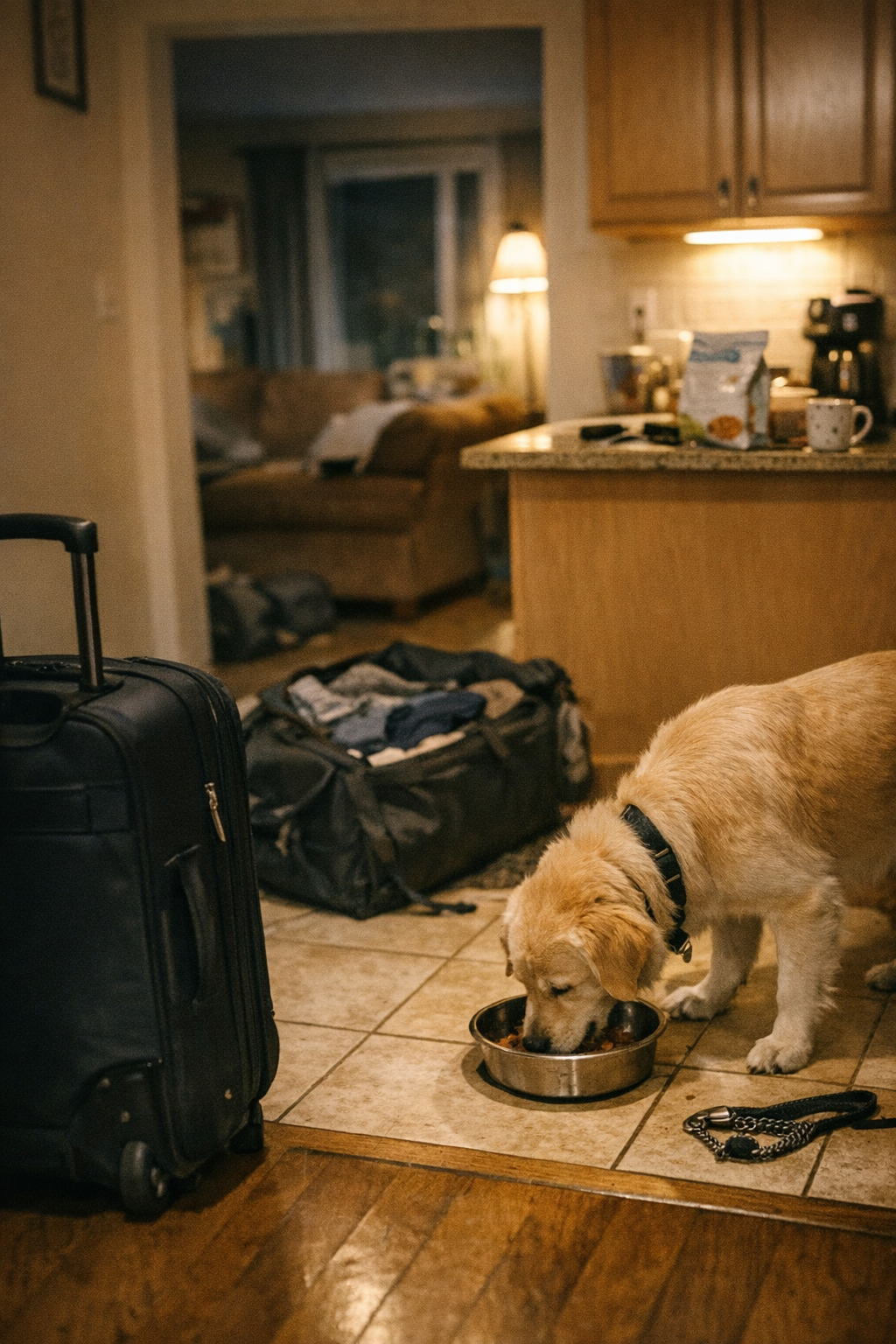
Packing for a trip often stirs up a mix of excitement and anxiety, especially when your companion is a pet. The process is a delicate balance between ensuring you bring all essentials and managing your own nerves about traveling together. The familiar chaos of cables tangled on the dining table, partially packed clothes on the bed, and the trusty tennis ball sticking from the side pocket of the pet carrier all signal that the journey ahead is about to begin. Understanding your pet’s temperament and previous travel experiences will help shape a smoother process. If your pet hasn’t flown before, it’s normal to feel uneasy, but preparation can help both of you feel calm.
The Day of Departure: Setting the Tone for a Calm Journey
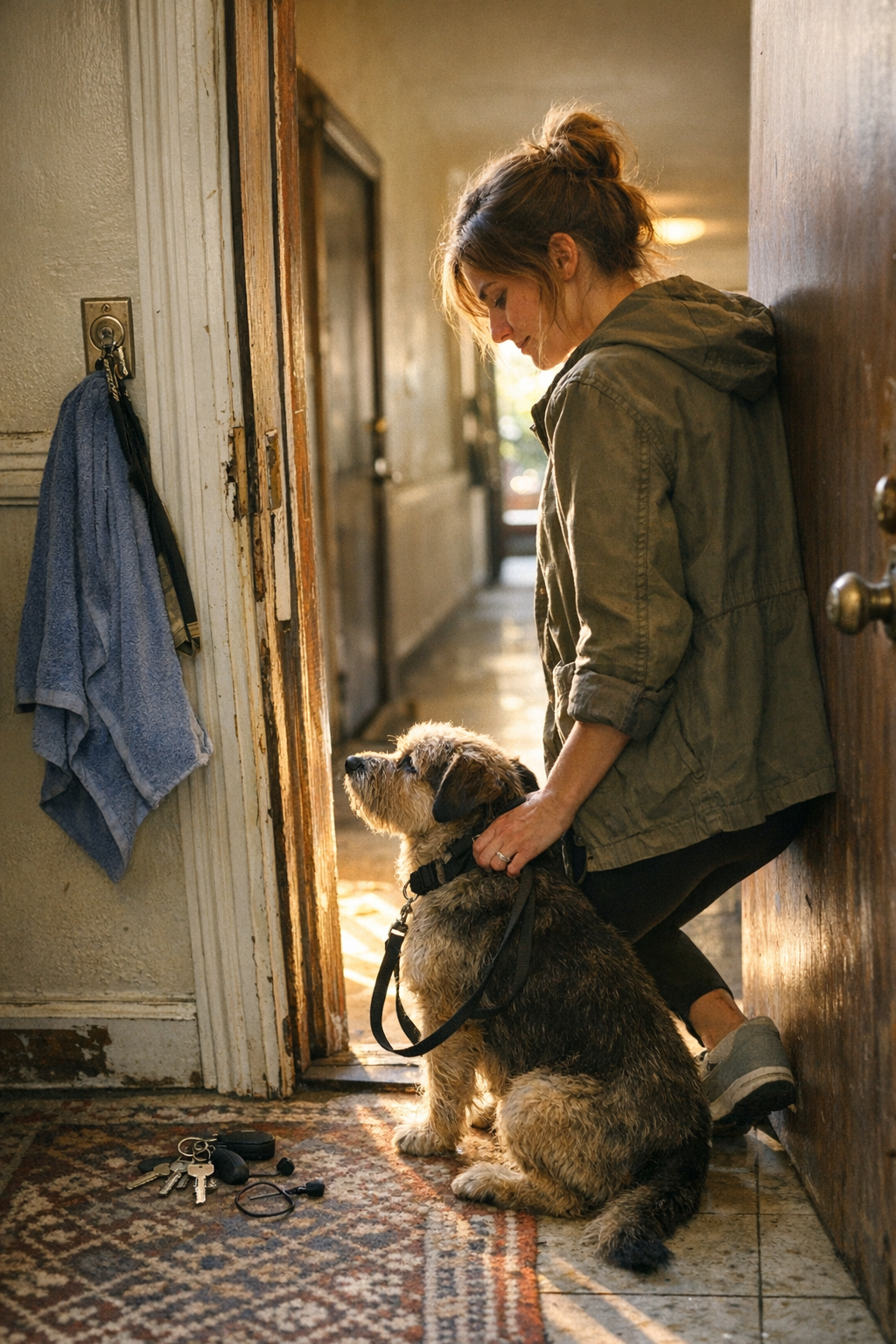
On the morning of your trip, the environment may feel heavy with anticipation. A quiet apartment, the muted sounds of rain or outside activity, and the routine of packing create a serene backdrop that can soothe nerves. Before leaving, spend a few quiet moments with your pet to help ground them—and yourself—in the moment. Bringing along an old blanket or a familiar toy, carrying the scents of home, can offer your animal subtle reassurance in unfamiliar spaces.
Managing Travel Anxiety for Both Owner and Pet
It is common to worry if your pet would rather stay home, especially when they watch the packing or sense shifts in routine. Focus on steady, composed breathing and gentle interaction; animals often pick up on our energy. Reinforcing calm behavior with soft voices and familiar touch can build confidence. Sometimes, the quiet energy you cultivate becomes the strongest anchor during the inevitable stresses of travel.
Airport Experience: Navigating Security and Sensory Overload
The airport is a hub of activity that can overwhelm even the most seasoned traveler, let alone a pet encountering this for the first time. The background noise, the smell of various foods, and the flow of strangers moving quickly around you create a sensory labyrinth. Understand the layout ahead of time—know where pet relief areas and quieter sections are located to reduce stress.
At security checkpoints, be prepared with all pet documents at hand, and practice the maneuver of managing both leash and boarding pass ahead of time. Support your pet by speaking reassuringly and offering calm physical contact when possible. Many airport employees are familiar with traveling animals and can offer helpful tips or understanding gestures.
Settling In at the Gate and on the Plane
Once past security, find a comfortable spot to set up your pet’s carrier and let them acclimate to the surrounding environment. Unzipping the carrier just enough to allow your pet to sniff the air can give them a connection point without overwhelming exposure. Providing favorite toys or chewed plush items can anchor your pet in the here and now.
During the flight, choosing a window seat near the wing can create a quieter cocoon. Expecting barking or whining is natural, but many pets settle quickly once they feel secure. Keep your hand close to your pet to offer physical reassurance through touch. Fellow passengers often understand, and a simple shared nod can be a moment of solidarity.
Arrival and Adjusting to a New Environment
Stepping into a new city or destination brings a mix of excitement and uncertainty. The air quality, smells, and textures all differ from home, and pets are particularly sensitive to these changes. Taking time to walk your pet in slow, familiar patterns—circling a patch of grass, allowing them to explore scents at their own pace—helps them reclaim a sense of belonging.
In your accommodation, maintain familiar routines where possible. Unpacking your pet’s blanket, placing their bowl in the same preferred spot, and offering their familiar toys can make the new space feel more like home. Observing their behavior will guide you in understanding how quickly they adjust and when they might need extra comfort.
Refreshing Your Perspective: Embracing the Slow Moments
Travel is often associated with rushing and hectic schedules, but when traveling with pets, embracing slower, softer rhythms can be transformative. Paying attention to your pet’s pace and needs encourages you to slow down, notice details, and find calm amid unfamiliar surroundings. This subtle shift in focus—from a checklist to a shared experience—can enhance the journey for both of you and foster deeper connection.
Returning Home: Reintegration and Reflection
Coming back from a trip is a time for gentle reintegration. Allow your pet to reacquaint themselves with home at their own speed, revisiting familiar toys, resting spots, and routines. Their adjustment is a mirror for your own unwinding after travel.
Incorporating the calm lessons learned on the road into everyday life can help reduce stress and enrich your relationship. Consider setting aside time to relax with your pet regularly, practicing mindful pauses that echo the quiet moments from your journey.
Practical Tips for Traveling with Pets
- Familiar Items: Bring along your pet’s favorite blanket, toy, or chew to provide comfort and familiarity in new environments.
- Prepare Documentation: Ensure you have all necessary paperwork, health records, and permits well in advance to avoid last-minute stress.
- Scouting Pet-friendly Areas: Identify quiet spots and pet relief areas ahead of time, including at airports, accommodation, and destinations.
- Practice Carrier Time: Before the trip, acclimate your pet to their carrier by allowing familiar play and rest periods inside.
- Stay Calm: Your pet picks up on your emotions, so practicing calm, steady energy is key to easing travel anxiety.