Snow stayed longer than I expected this morning, with stubborn patches clinging to the cold north wall of the garage where sunlight never quite reaches. Setting my coffee mug down on the cold concrete, I noticed a thin golden line of light slipping past a stack of lawn chairs, hinting at the changing seasons in subtle ways. You can feel it in your hands, your breath, even your shins—the transition from winter to spring is more than a date on the calendar; it is a tangible mood shift in the air, a faint scent of wet earth seeping indoors as the door bangs shut behind me, sending sparrows scattering above the hose reel.
Spring doesn’t arrive suddenly with colorful blooms in the garage; instead, it makes its appearance through the redistribution of winter gear. Boots crusted with salt, those mismatched gloves that survived the last storm, and sleds once stored away begin their slow migration from shelves back toward the front door, leaving a trail of damp footprints marking the shifting territory. Heavy bags of sand, remnants of winter’s battles, settle in corners beside modular shelves that always seem a little small for the season’s overflow. My coat, a reliable companion through chilly mornings, hangs carelessly on a cabinet door—a gentle reminder that sometimes it’s easier to let go and not hang onto habits tightly in this transitional moment.
Embracing the Seasonal Shuffle
By midday, the drizzle lightened to a gentle murmur on the roof. Through the open garage door, the cacophony of footsteps echoed as family members rotated through coats, gloves swapped for lighter mittens, and gear was remembered and then discarded again in a cycle of adjustment. A wall rack that proudly held winter hats bowed under their weight, and a rogue hockey stick without its blade leaned weary by the corner. Nearby, ski bibs hung loosely from a shelf, surrendering to the informal chaos. Even the drip tray on the floor collected not only runoff but stray gravel, as if silently testifying to the rough-and-tumble nature of everyday comings and goings. Amid the disorder, I found the dustpan tucked behind a watering can—a small victory against clutter or perhaps just the way these objects settle naturally, as if by their own secret accord.
Each item tells a story: a ride cut short by snow, a surprise snow day remembered in an abandoned glove. The slow warm-up period between seasons — when slush and mud dominate — forces routines to adapt or collapse entirely. There’s no quick fix, only a gradual negotiation with entropy, where victory is measured in small clear spaces rather than perfection.
The Art of Managing Transitional Clutter
One of the most curious things about this messy interim is how certain objects resist order. A stray sock surfaces behind the modular organizer. A bag of salt tears open as you lift it. Pruners that should live in the garden shed keep finding their way into coat pockets. This ongoing game calls for practical solutions.
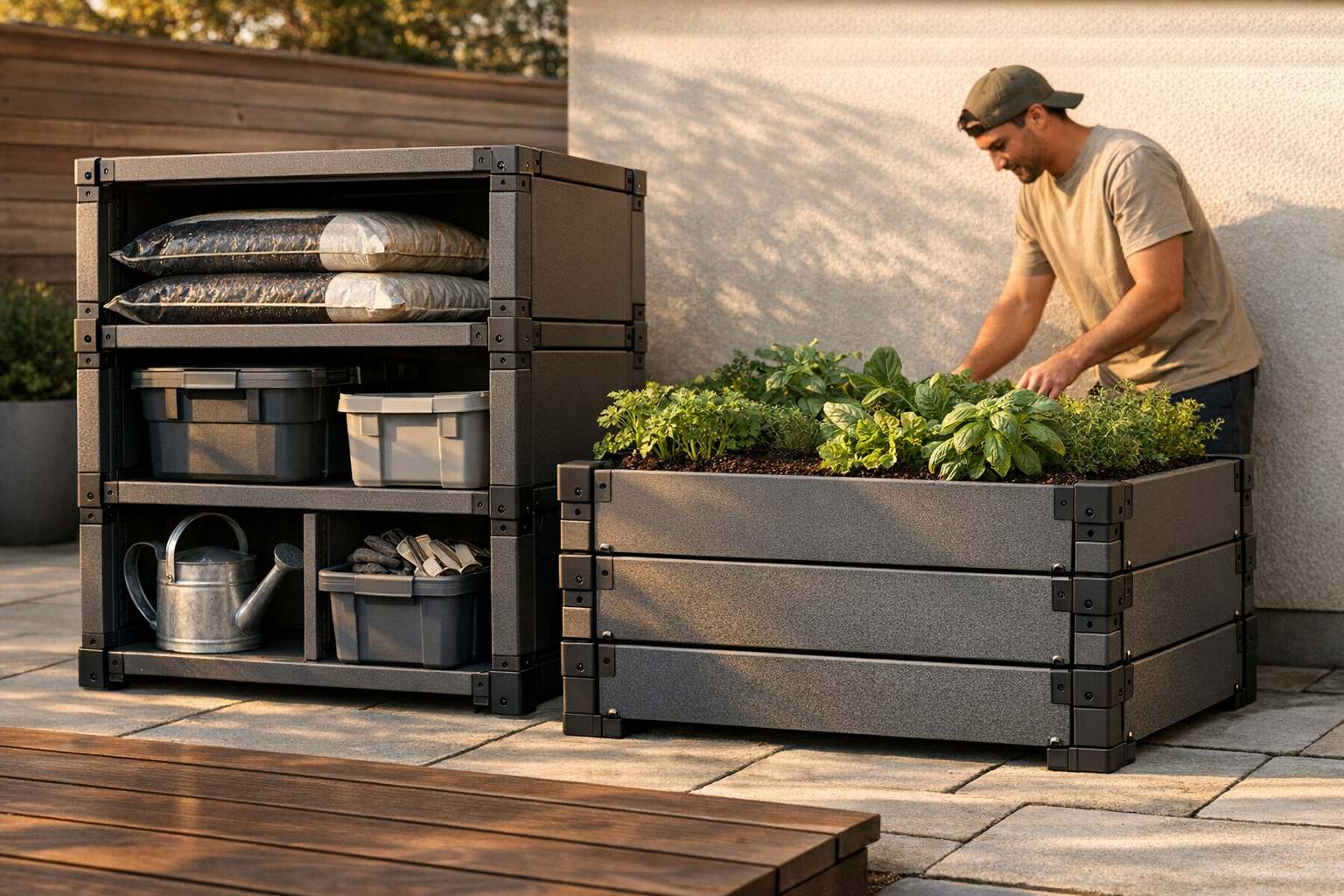
Creating designated home bases for frequently used gear can make a huge difference. For example, placing boots and gloves on the lowest shelves near the door keeps them dry when the snow melts but still readily accessible. Heavier items, placed to the sides of shelving units, stabilize the sometimes wobbly modular shelves. These simple positional shifts help the whole system feel sturdier — like learning to settle in rather than resist. It’s a subtle lesson in patience and acceptance.
Small Adjustments, Big Impact
Throughout the day, the sounds around the house change — the rain’s persistent tap gives way to the neighbor’s leaf blower, the soft thud of a garden tool drawer closing breaks the quiet. With each task, I find myself rearranging: sliding carts away from busy pathways, lining up tools to reduce tripping hazards, realigning hats on their hooks, coaxing the garden hose back into place despite its natural stubbornness. Small efforts like these keep the space functioning smoothly and build momentum for deeper tidying later.
As the afternoon warms, the feel of the garage softens — puddles begin to shrink, and light spills through the open door, casting a glow on the wet floor. There’s a quiet satisfaction in brushing leaves off a drip tray, tucking boots back into their spots even if a few remain out as a deliberate concession. The floor clears just enough to walk through comfortably, to end the day with a sense of calm rather than chaos.
Refresh Tip: Shift Your Perspective to Renew Energy
During seasonal transitions, it’s helpful to pause and shift your mindset from trying to achieve instant order toward appreciating progress in small increments. Instead of seeing half-packed shelves or lingering puddles as failures, view them as part of a living system adapting naturally. This mental refresh encourages patience, reduces fatigue, and inspires a gentler, more sustainable approach to organization — one that celebrates moments of calm amidst seasonal flux rather than fighting them.
Living with Seasonal Change: A Balanced Approach
Perfect organization is an elusive goal, especially during periods when the seasons collide. In my experience, creating a space that feels “lived-in” and forgiving of imperfection leads to greater ease and enjoyment. Modular shelving units become more than storage — they become reliable partners adapting across months. Hook rails hold hats and scarves not because everything fits perfectly, but because their presence signals readiness for shifts in weather and routine.
By day’s end, the garage feels transformed: cluttered less by chaos and more by thoughtful placement. There are still traces of winter’s presence — a pair of boots left purposely out, a coat draped rather than hung — but these additions give character and warmth. Clearing literal pathways frees mental space and invites a slower pace. Life, after all, happens in the mess as much as in the order.
If your household faces the same ebb and flow of gear, mud, and weather’s whimsy, remember that every footprint and glove tale reflects a season well lived — a quiet story of adaptation and resilience as the calendar turns.