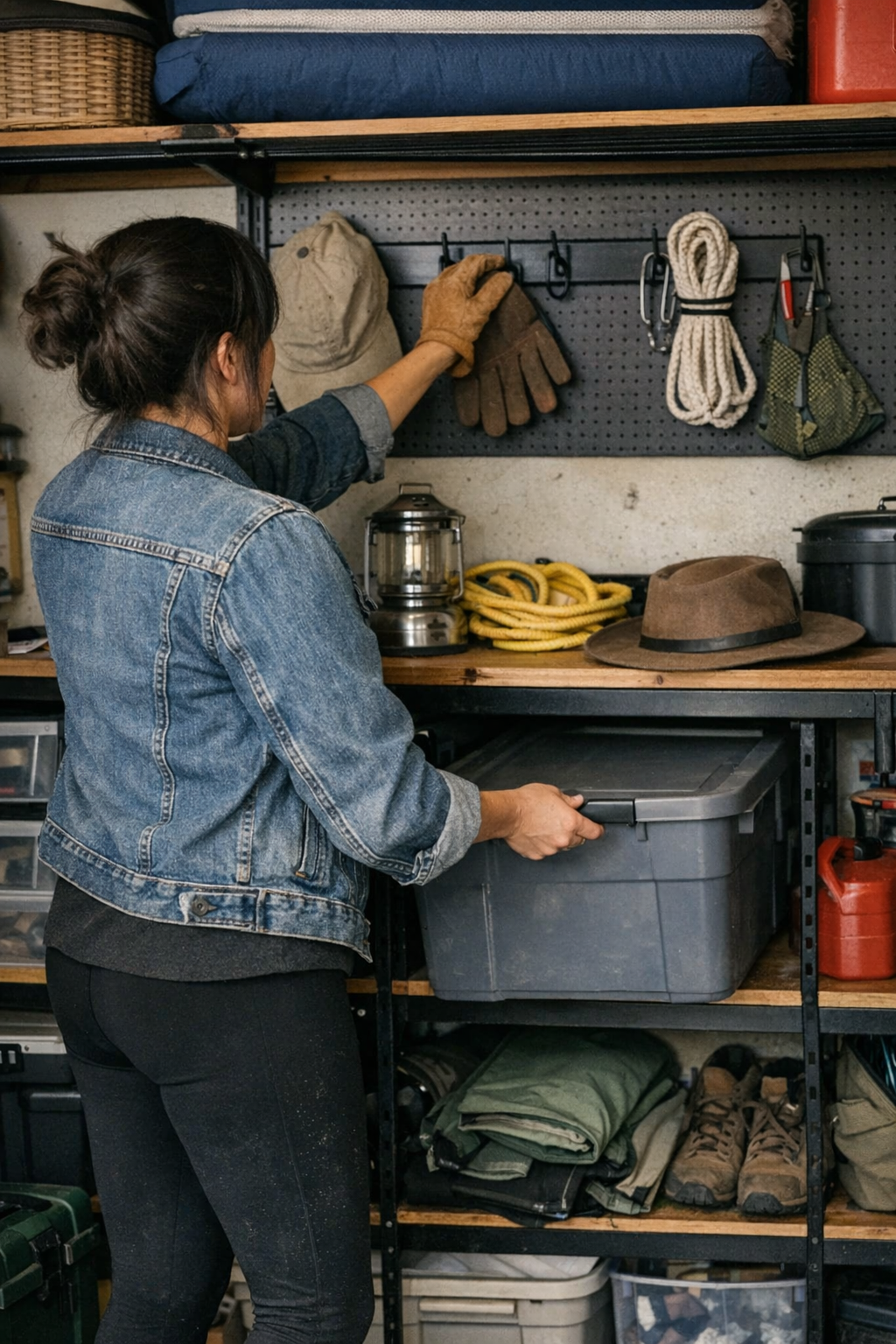
Morning often begins in the quiet threshold of home—the entryway where daybreak meets routine. That subtle moment when a hallway light flicks on, chasing off the shadows, slippers sliding onto cold floorboards, and the familiar clink of mail and keys settling into place sets the stage for the hours ahead. It’s a space both transitional and intimate, where the simple act of hanging a coat or placing a package is part choreography, part negotiation.
Understanding the Entryway Dynamics
The entryway is deceptively simple but vital. It’s a hub of activity—a crossroads for shoes, coats, bags, and the small paraphernalia of daily life such as umbrellas, keys, gloves, and more. As the day progresses, the space breathes with the household’s rhythm—items arrive, shift, and depart.
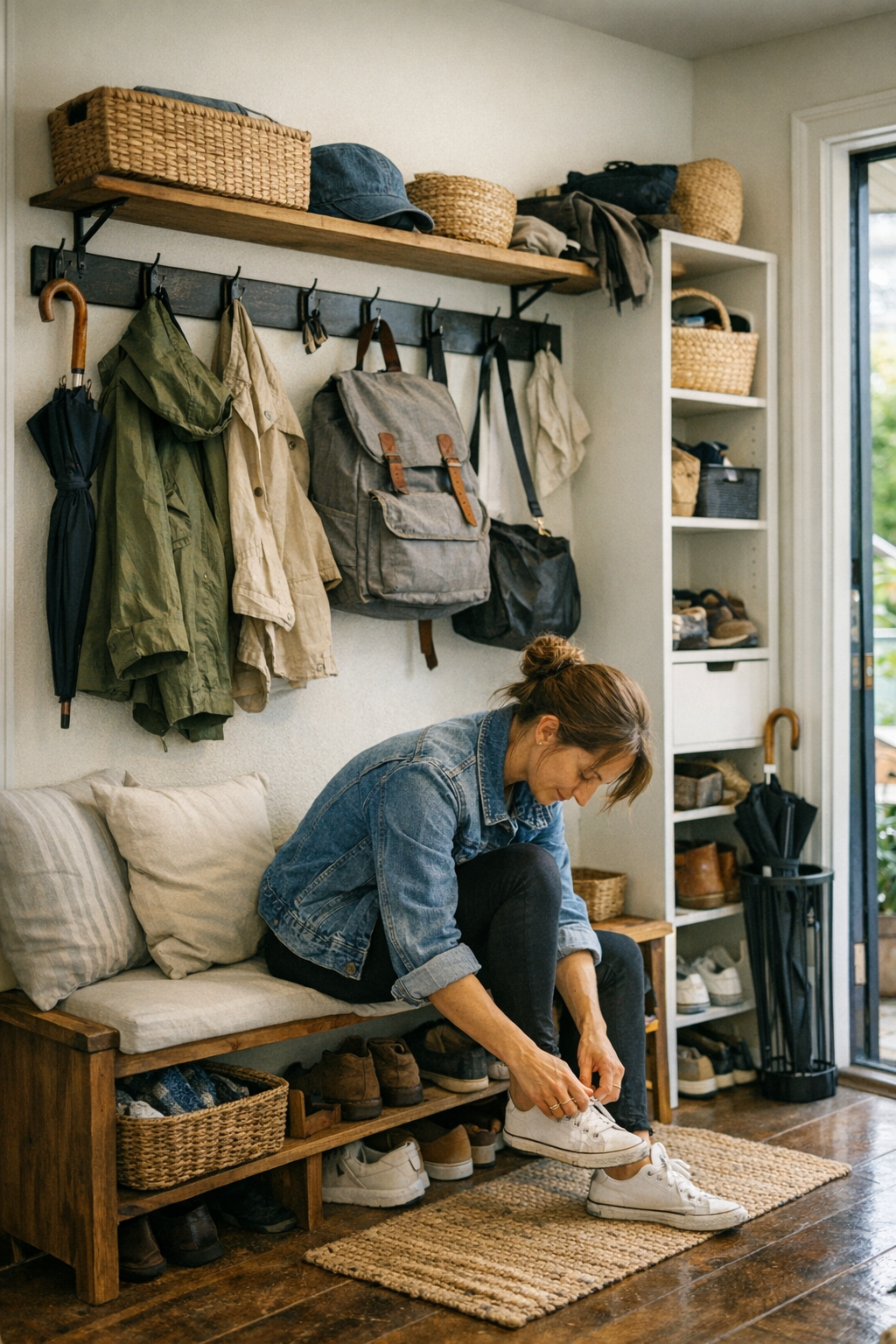
By midday, the entryway carries the day’s story. Boots dampened by rain sit patiently on trays, packages lean against walls marked with sneaker scuffs, and that favorite hoodie hangs in limbo between the coat rack and the floor. Scarves, lanyards, and dog leashes gather in a quiet truce on sturdy rails crafted to hold this very mix of fabric and function.
This dance includes the fluid shuffle between wall hooks, benches, and shoe trays—each area adjusting as arms full of errands navigate the space. Gloves may be plopped on a shelf, towels bunched on radiators, and keys nudged to make way for an envelope. The small clinks and shuffles might seem trivial, but together they create a rhythm that quietly manages clutter rather than letting it overwhelm.
The Evening Shift: Flow and Friction
As afternoon wanes, the entryway transitions again. Coats migrate from hook to hook while raincoats sigh as they join their companions. Lighting softens, casting gentle shadows across the wall pegs. Sometimes, there’s tension—a tote too full tests the integrity of the rail, the zipper snags, the hooks creak—but the entry holds firm.
This micro-negotiation reflects something essential: the balance between order and the natural entropy of a lived-in home. We might notice a half-eaten pack of mints or a roll of tape tucked away in a cabinet, items that quietly accumulate near the door not out of neglect but because life unfolds without perfect timing.
The ongoing pace sees five hooks hosting six lives. Who claims which hook, whose jacket stays the longest, and which bag inevitably falls to the floor become small but meaningful rhythms. There is relief in these quiet wins—mail piles remain standing, keys find their place, umbrellas hang dry and ready.
Why Entryway Clutter Persists
Old photographs often omit the mess of entryways—no trace of the worn “yardwork only” jacket, the sand-shedding raincoat, or the canvas bag past its prime. In truth, clutter is rarely about disorder itself but the friction between what enters and what leaves.
One solution lies in intentional spacing and systems. For example, evenly spaced hooks mean even a bulky backpack has a place without sparking dispute. It’s about understanding the flow of parts—knowing that the entryway is living space, not just storage.
Refresh Tip: Embrace the Daily Reset
After a full day, the best way to maintain harmony is a mindful reset. Take five minutes each evening to clear the entryway, redistributing items thoughtfully. Shake out damp umbrellas outdoors, line shoes parallel to ease passage, and return stray gloves and scarves to their hooks. This small practice isn’t about reaching perfection but creating breathing space that refreshes the environment—for you and your home.
By viewing the entryway as a flexible, ever-adjusting space rather than a static place demanding order, you can reduce stress and make arrivals and departures smoother.
Practical Tips for an Effective Entryway Setup
- Designate Zones: Separate areas for shoes, coats, bags, and frequently used items. This reduces overlap and confusion.
- Use a Sturdy Rail: Choose a coat rail with enough hooks spaced evenly. This prevents overcrowding and accidental falls.
- Keep Trays and Baskets: Provide a dedicated spot for keys, mail, and small items to avoid spills and lost objects.
- Regular Decluttering: Schedule brief routines to remove items that don’t belong or haven’t been used recently.
- Adjust Seasonally: Rotate outerwear and accessories based on the time of year to streamline what’s on hand.
Living in the Flow of the Entryway
The evening entryway hints at a subtle transformation as shadows stretch and objects settle into their niches. It’s neither perfect order nor unchecked disorder but a state of poised harmony. Shoes align without strict discipline; backpacks hang where they belong; umbrellas dry properly. This balance supports more than organization—it fosters peace and transitions between the inner world of home and the outside.
With each new day comes a fresh choreography: bags testing hooks, shoes gathering again, envelopes to sort. The right balance of hooks and space acts as a silent referee, preserving calm without fanfare.
When you engage with your own household entryway, look beyond the chaos. Notice the patterns, the ongoing negotiations, and the small victories. Finding what truly works means creating a space that fits naturally with your family’s rhythm—one that offers just enough room to start and finish each day in stride.
For inspiration on design solutions that meet real-life needs, explore thoughtfully crafted options that balance form and function.