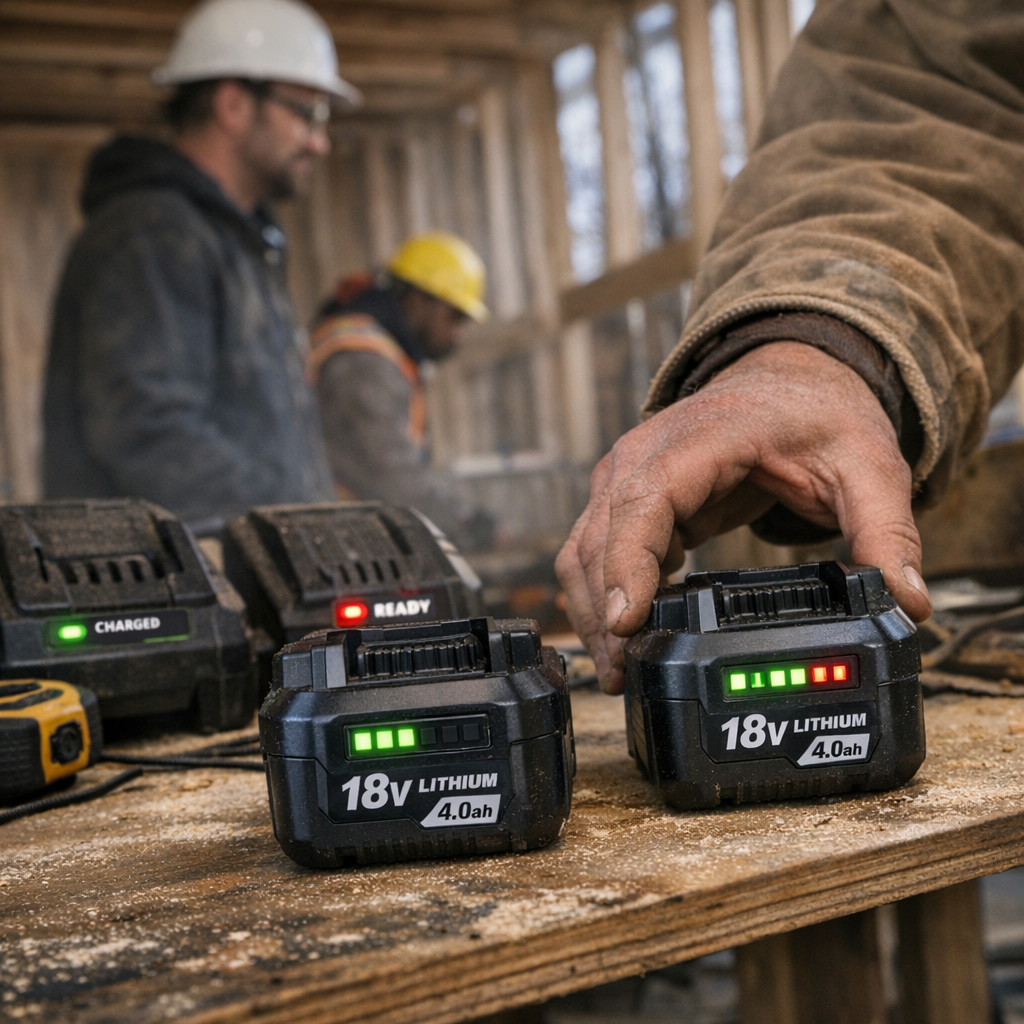
Understanding the Importance of Proper Lithium Battery Storage
Lithium-ion battery packs power many of the tools and devices we rely on daily. Yet, their performance and lifespan often depend on how they’re stored when not in use. A subtle misstep—like leaving a battery in a cold, damp toolbox overnight—can quietly erode its capacity and lead to frustrating mid-task failures. Proper storage practices not only preserve battery strength but also reduce surprise downtime and unexpected costs.
Ideal Storage Conditions: Temperature and Charge Levels
The longevity of lithium-ion batteries is maximized when stored at a state of charge (SOC) between 40% and 60%. This charge window helps slow chemical aging by avoiding the extremes of deep discharge, which stresses the cells, and full charge, which can promote cell deterioration over time.
Equally critical is storage temperature. Keeping batteries in an environment between 50°F and 77°F (10°C to 25°C) is optimal. Temperatures outside this range introduce risks: cold leads to temporary capacity loss and sluggish performance, while excessive heat accelerates chemical degradation.
Why 40%-60% Charge?
Storing batteries fully charged places continuous pressure on the cells, especially when combined with heat, causing increased wear. Conversely, storing them too low in charge levels can cause deep discharge, which lithium cells dislike and can render them unusable. Maintaining a mid-level SOC is a balanced approach that reduces stress and prolongs battery life.
Temperature Impact on Battery Health
Cold storage, especially in damp or unheated environments, can cause voltage drops and internal moisture buildup. Batteries stored at freezing temperatures may show reduced charge bars and respond sluggishly until warmed. Charging a cold battery immediately can result in permanent damage, so it’s crucial to warm them to room temperature prior to any recharge.
Practical Storage Tips for Lithium Battery Packs
Beyond ideal charge and temperature ranges, practical habits help maintain battery health and reliability:
- Store packs separately from tools and chargers: Avoid leaving batteries inside tools or on chargers when not in use to prevent unnecessary trickle charging or overheating.
- Choose a dry, temperature-controlled storage space: Even brief exposures to condensation can lead to internal corrosion. A dedicated shelf in a climate-controlled room is ideal.
- Regularly monitor state of charge with accurate testers: Using a digital battery tester that shows SOC increments lets you keep every pack at the optimal charge range, avoiding unnoticed overcharge or deep discharge.
Common Mistakes That Reduce Battery Lifespan
Many issues arise not from the batteries themselves but from storage oversights. Here are typical pitfalls to avoid:
Leaving Batteries in Cold, Damp Toolboxes or Vans
Cold overnight temperatures combined with humidity can cause unseen internal moisture and voltage drops. Over time, the battery’s runtime diminishes, and it may hesitate or shut off during use. The problem isn’t always visible upon first inspection, making it a subtle but costly error.
Excessive Top-Off Charging
Some chargers run periodic top-off cycles after reaching 100% charge, causing mild but chronic overheating. Removing batteries promptly after full charging reduces thermal stress and helps maintain cell integrity.
Ignoring Partial Discharging and Recharge Needs
Allowing batteries to sit fully depleted leads to irreversible capacity loss. Conversely, storing at full charge for long periods also ages cells faster. Scheduling mid-range SOC checks and partial recharges helps keep packs healthy.
A Refresh Tip: Integrate Battery Care Into Your Routine
To shift energy from reactive fixes to proactive care, incorporate a simple daily or weekly “battery check” routine. For example, at the end of each shift or workday, take 5 minutes to remove batteries, measure SOC with a tester, and return them to a warm, dry storage spot at the recommended charge level. This intentional pause transforms battery care from a forgotten chore to a manageable habit, helping prevent surprises mid-project.
Case Study: How Thoughtful Storage Reduced Battery Failures
In real-world jobsite conditions, unintentional exposure to moisture and inconsistent charging can cause stubborn, unpredictable battery failures. One technician found that routinely measuring battery SOC and relocating packs from cold van corners to heated storage shelves brought annual capacity loss down to less than 5%. The effort prevented “gritty” mid-task stalls and minimized guesswork, making tool readiness more reliable.
Summary: Best Practices for Lithium Battery Storage
- Store lithium packs at 40%–60% state of charge to minimize chemical stress.
- Keep batteries in dry, temperature-controlled areas between 50°F and 77°F (10°C–25°C).
- Remove batteries from tools and chargers when not in use to prevent thermal and electrical strain.
- Warm cold batteries to room temperature before charging to avoid permanent damage.
- Regularly check state of charge using digital testers to maintain optimal levels.
- Avoid repeated top-off charging cycles and remove packs promptly after full charge.
- Adopt routine battery care habits to reduce failure risks and extend pack lifespan.
By respecting the delicate balance of temperature and charge, and integrating simple storage rituals, lithium battery packs become more dependable companions in daily work — sparing frustration, boosting productivity, and protecting your investment.