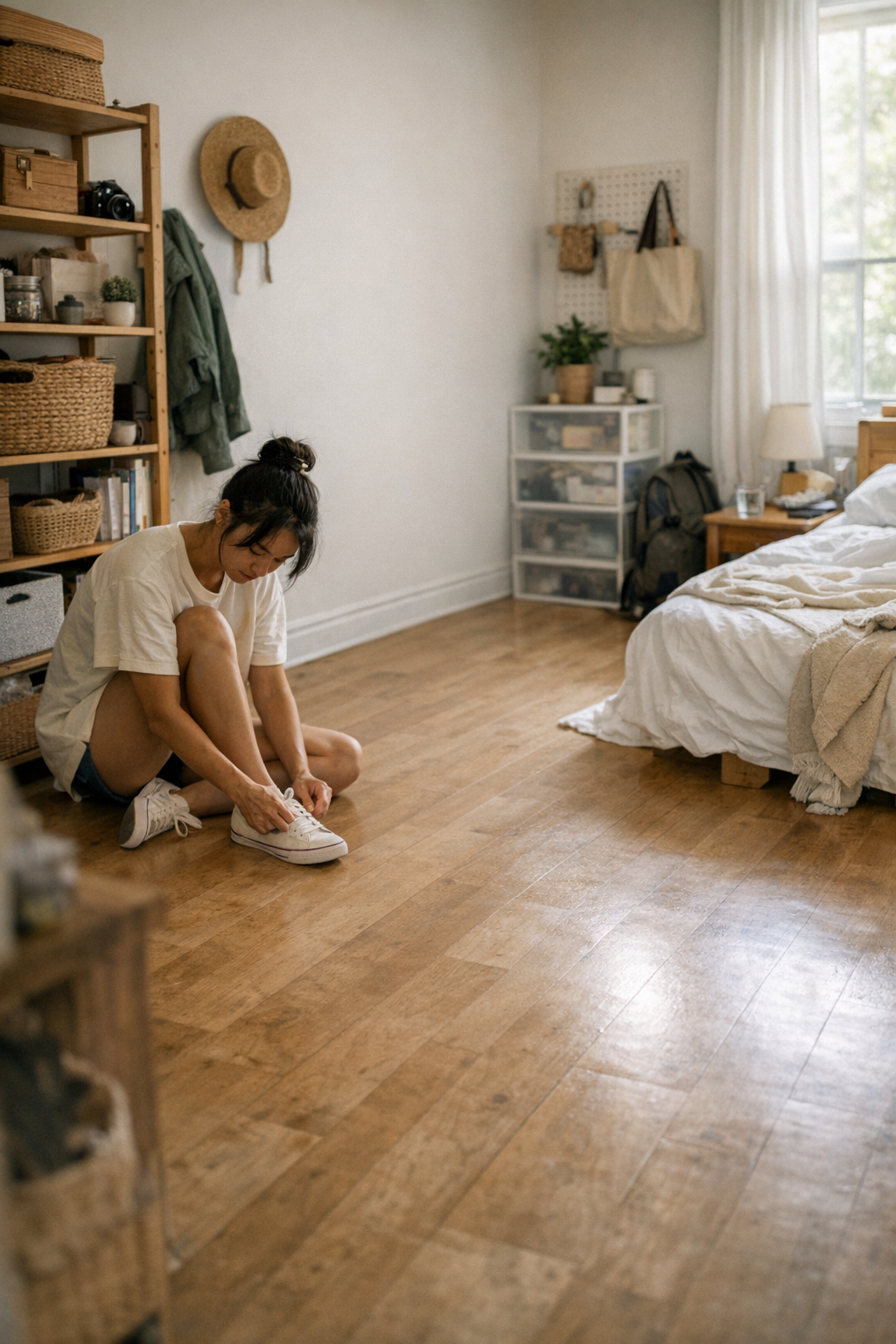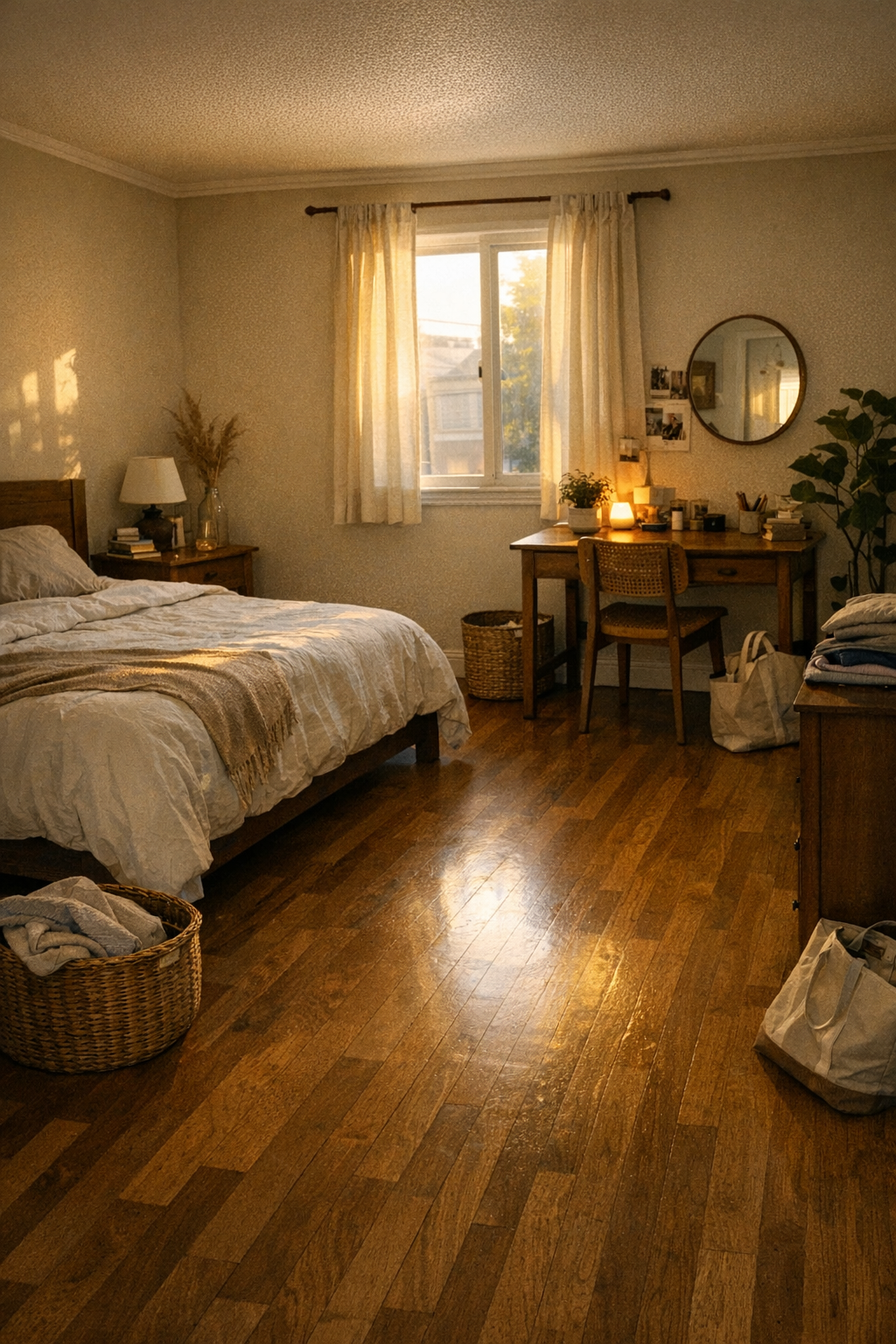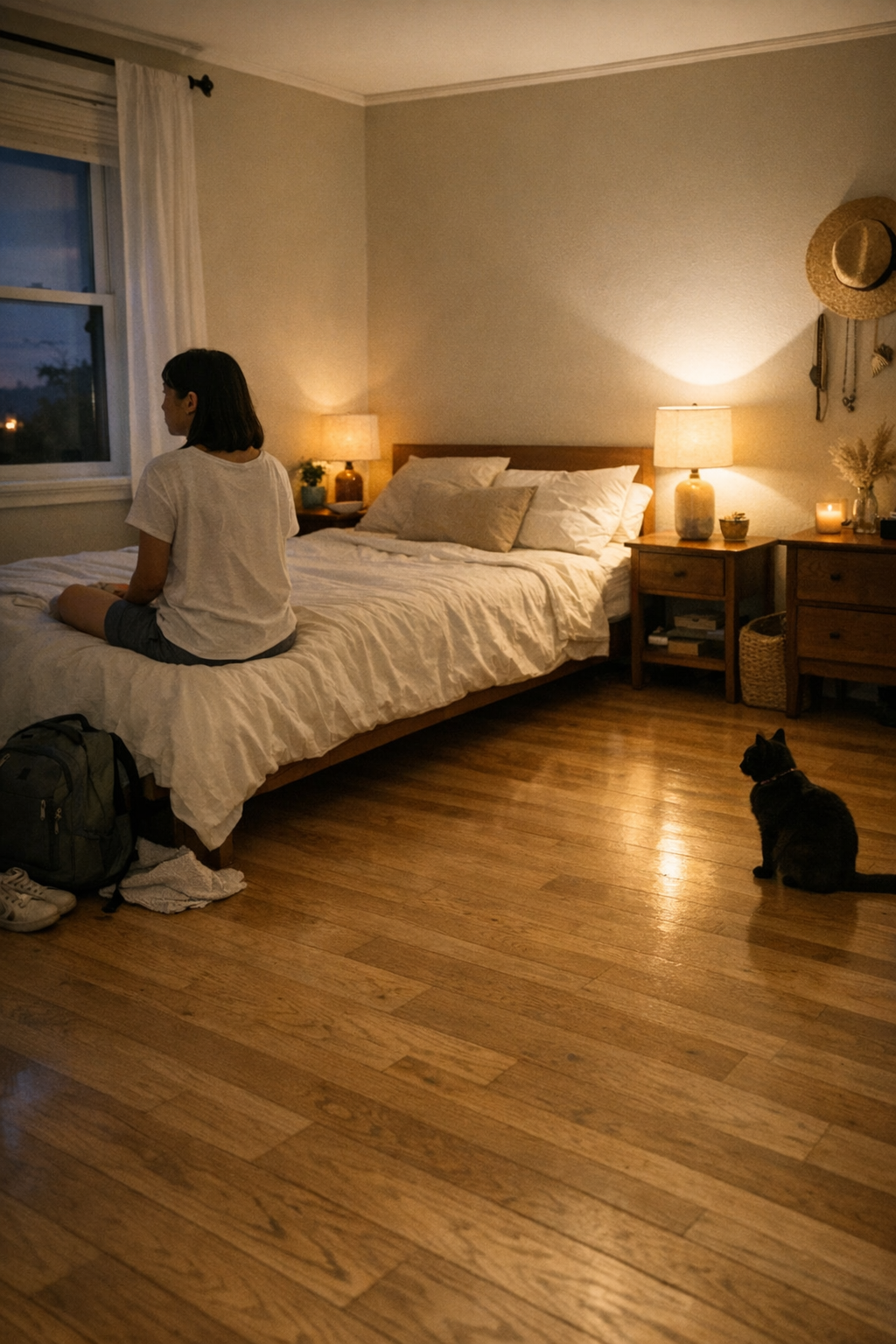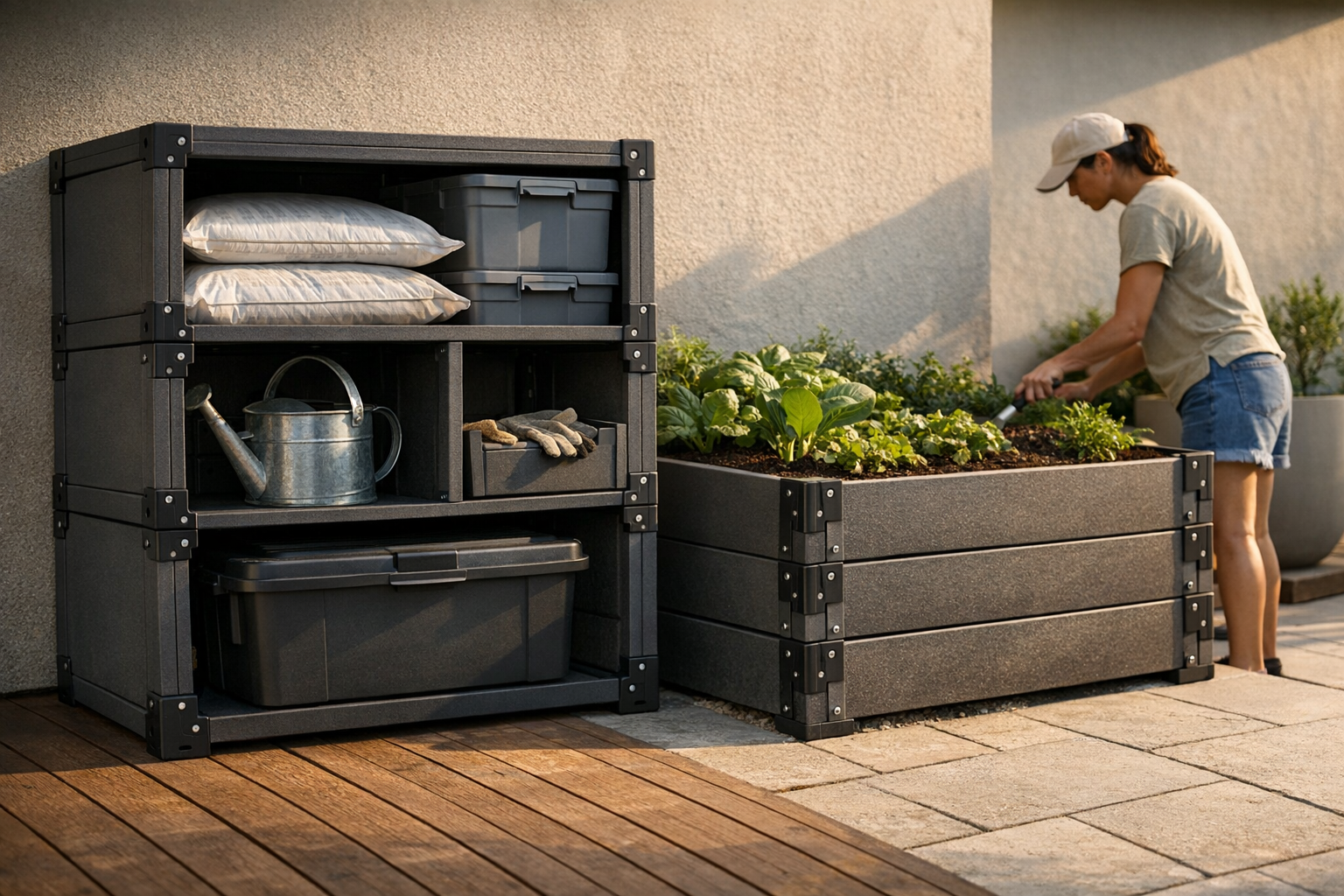
There’s a unique kind of calm that surfaces in the quiet moments of a home just before the day begins. It’s in the subtle silence under the bed where a storage bin stays put, the faint morning light slipping beneath the door, and the soft hums that hint at a house waking slowly but steadily.
Embracing the Morning Rhythm
As the dawn light sneaks in, there’s an unspoken hope that fills the room—an opportunity to start fresh without the clutter of yesterday’s chaos. Noticing that everything beneath the bed is where it should be, with no loose items or dust gathering unexpectedly, sets a peaceful tone. Simple observations like this highlight how small, seemingly inconsequential details can help anchor us mentally as well as physically.
In the kitchen and bathroom, the quiet rituals of preparing for the day—the soft clack of cabinet doors, the rush of water, the warmth of a towel—lend an understated rhythm to the space. These moments are more than chores; they connect us to the pulse of our home.
Finding the House’s Natural Order
Throughout the day, the home moves with its own cadence and personality. Breakfast, often a hurried affair, leaves subtle traces—crumbs near a book, mugs left in a casual cluster, and a tea towel tossed near the sink. These details are not signs of neglect but markers of life lived within the walls.
Chores such as laundry and gardening tools’ arrangement reflect a flow that is never rigid but guided by ease. Allowing the spaces to find their balance naturally, rather than enforcing spotless order, can reduce stress and create a more inviting atmosphere. When a cabinet door swings open unexpectedly or a drawer holds onto its mismatched socks a little longer, it’s a reminder that our homes are living spaces—fluid, imperfect, and forgiving.
Practical Tip: Embrace Gentle Reordering
Instead of striving for perfection, try gently rearranging areas that feel off without forcing dramatic change. Moving a tool rack slightly or nudging a furniture piece a few inches can refresh the room’s energy. This subtle movement can rekindle your sense of control without the exhaustion of deep cleaning or reorganization.
Midday Moments and Small Victories
Lunchtime amidst daily tasks is rarely leisurely but full of small victories: a rolling cart quietly squeaks across the floor, the dust telling its own story of use. These sounds ground us in the reality of a home practiced over time. Letting go of the urge to immediately correct every minor imperfection can open the door to appreciating the lived experience within these walls.
While tidying up during afternoon light, simple acts like hanging gloves, stowing a watering can, or rescuing a stray book demonstrate ongoing care. These actions stitch together the space, offering visual cues of order that coexist peacefully with life in progress.
Refresh Tip: Shift from Task Focus to Experience
Try reframing cleaning tasks as moments of mindfulness rather than chores. Appreciate the tactile qualities—the smoothness of a drawer handle, the weight of a gardening can, the pattern of sunlight stretched across the floor—as you move through your home. This perspective shift can transform repetitive tasks into calming rituals.
Evening: A Subtle Redrafting of Space
As the day winds down, the home doesn’t simply turn off but subtly rearranges itself. Fingerprints wiped gently off shelves, furniture shifted just enough to feel fresh, and doors quietly closing are all part of settling the space for rest. Clearing walkways and grouping items ensures the next morning begins with fewer obstacles and more peace.
Nighttime brings a soft quiet, where the familiar background sounds—the refrigerator’s hum, a dripping faucet—become companions in the stillness. No longer a space for exertion, the home becomes a sanctuary for restoration. It’s here, in the overlap of lived-in disorder and intentional calm, that true comfort is found.
Living with Calmer Imperfection
This balance of order and life-generated clutter shows us that calm doesn’t mean pristine. It means allowing things to be “good enough,” creating space for moments of rest amidst activity. Returning items to their places—whether it’s a glove on the hook or a bin slid under the bed—can cut through the low-level noise of daily life.
Recognizing that every day introduces new messes but also new opportunities for gentle restoration helps ease the pressure toward constant tidiness. Instead, the home becomes a story: its pages written in footprints, tool marks, and drifts of dust.
Sometimes the most effective organizing systems are those that quietly support life rather than fight against it. Those systems tolerate a little imperfection and welcome a little disarray, knowing that real calm is found in the ebb and flow rather than the stasis of perfect order.