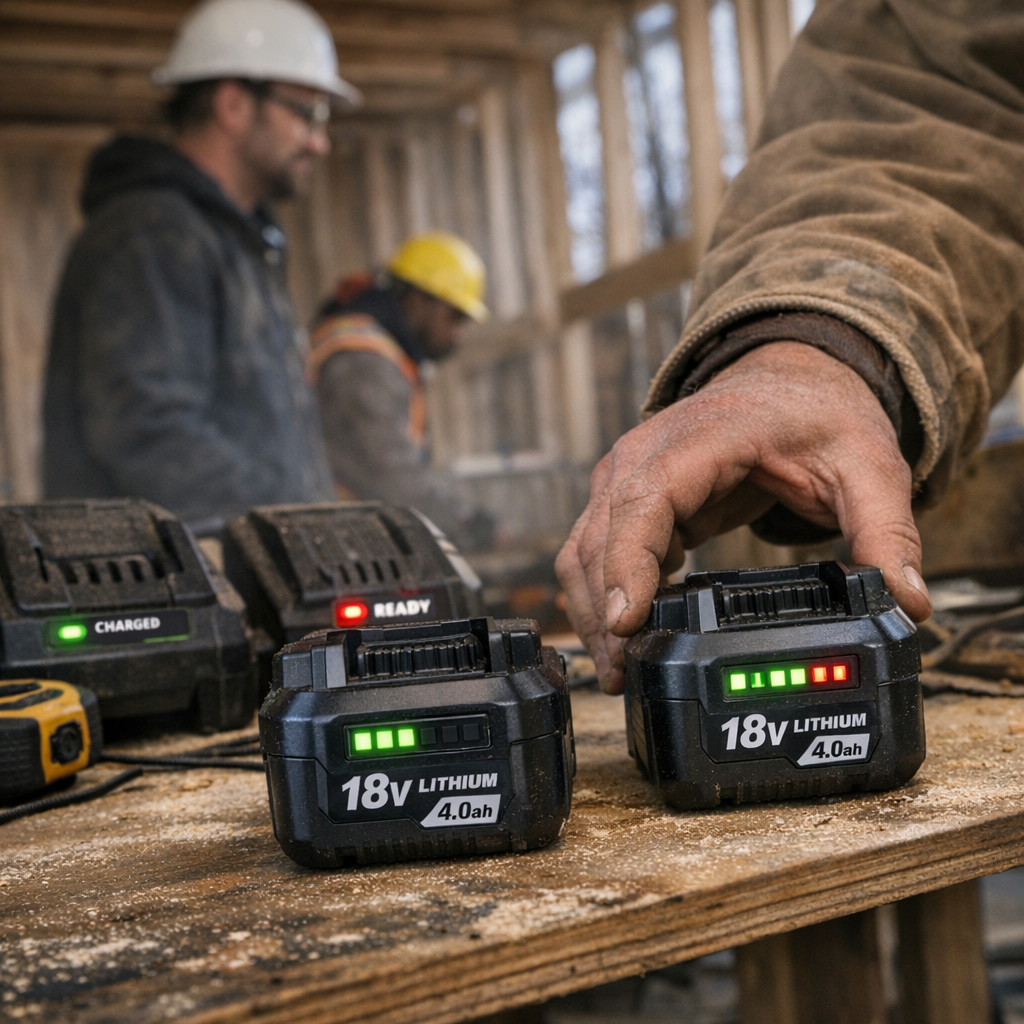
The Hidden Cost of Fast Charging Your 18V Battery Packs
When you grab an 18V battery pack off the charger and notice it’s slightly warm to the touch, it’s tempting to shrug it off and keep working. But for those who rely on lithium-ion battery packs daily—whether on job sites, workshops, or at home—this warmth is a subtle warning. Fast charging might get your tools ready quickly, but it comes with a downside: it shortens your battery’s lifespan over time.
What Happens Inside a Lithium-Ion Battery During Fast Charging?
Fast charging works by pushing higher electrical current into the battery cells at a quicker rate. While this might sound ideal for getting powered tools back online faster, it causes an increase in internal heat. This elevated temperature accelerates the chemical wear inside the battery cells. Over repeated cycles, the battery’s capacity declines faster compared to charging at a slower, standard rate.
What does that mean practically? If you fast-charge your battery pack every time, you’ll likely begin to notice shorter runtimes sooner than expected. Your pack may also reach a lower voltage under heavy tool loads mid-shift, forcing frequent recharges or pack swaps.
Real-World Experience: Comparing Fast vs. Normal Charging
Consider two identical 4Ah lithium-ion battery packs, one charged using the fast mode at around 4 amps, the other with a slower, normal mode at about 2 amps. Though both packs might display a “fully charged” light after their cycles, the pack fast-charged will typically feel warmer and provide noticeably less runtime during intensive use.
On a busy framing job, for example, relying exclusively on fast charging to keep up with tool rotation initially feels like a time-saver. However, within several weeks, those fast-charged batteries may only hold about half their original run-time capacity, forcing earlier recharge cycles and sometimes leaving tools powerless during critical moments.
Why Heat and High Current Are Battery Enemies
Lithium-ion batteries are sensitive to temperature and electrical stress. The combination of high current and heat during fast charging strains the delicate chemical balance inside the cells. This accelerates degradation mechanisms such as electrolyte breakdown and electrode wear.
Compared to older nickel-cadmium batteries, lithium-ion cells lack the same tolerance for rapid charging. They demand gentler treatment for long-lasting performance.
Practical Tips to Extend Your Battery’s Lifespan
- Opt for Normal Charging When Possible: Whenever your schedule allows, choose the charger’s standard or “normal” rate setting. For most 18V 4Ah packs, this doubles the charge time—from about 45 minutes on fast charge to nearly 2 hours—but keeps the battery cooler and healthier.
- Rotate Your Battery Packs: Avoid constantly fast charging the same pack. Instead, alternate between several packs to spread out the wear.
- Monitor Heat and Runtime: Pay attention to how warm your batteries get after charging and notice if runtime drops. Warm batteries or early drop-offs are signs to reduce fast charging usage.
- Store Batteries Properly: Keep your battery packs in a cool, dry place away from direct sunlight or heat, which can compound degradation effects.
Refreshing Your Perspective: Reconsidering Speed vs. Longevity
In high-pressure job environments, the instinct is to grab the fastest option available to keep tools running and the day on track. But this “quick fix” mentality often overlooks the cumulative cost of wear and early battery failure. Taking a moment to balance immediate readiness with longer-term battery health can save headaches down the road.
Try adopting a charging routine where fast charging is reserved strictly for when you’re truly in a pinch. Otherwise, treat your packs to the gentler standard charge cycle. This subtle shift not only preserves your investment in battery packs but also reduces the stress of managing tool downtime and frequent pack replacements.
Understanding When Fast Charging Makes Sense
Of course, there are times when fast charging is necessary—tight deadlines, unexpected extra work, or when you only have one or two packs available. The key is to use it thoughtfully and avoid making it a default habit for all your batteries.
Signs You Should Adjust Your Charging Habits
Look out for these real-world signals that your battery life is suffering from too much fast charging:
- Noticeably warmer battery pack immediately after charging.
- Shorter runtime than usual—even right after a full charge.
- Frequent mid-day recharging or swapping out packs before the shift ends.
- Increased voltage drops or tool performance sagging during heavy usage.
Recognizing these signs early allows you to adjust your charging approach and prolong your battery’s productivity.