Author: jaesoon_admin

  • What Your Cat’s Morning Bowl Checks Really Mean to You Both

    The Quiet Rituals of Indoor Cats: Understanding Their Routine Around the Food Bowl

    In many homes, cats bring a quiet rhythm to the day—an ebb and flow of presence, movement, and subtle communication. One overlooked but surprisingly telling indicator of this rhythm is the way indoor cats interact with their food and water bowls. Is it hunger calling? Or simply a habitual gesture that anchors them to their surroundings and to you? Understanding these subtle behaviors not only enriches our relationship with these companions but also helps ensure their welfare.

    What Does It Mean When Cats ‘Check’ Their Food Bowl?

    Early in the morning, just as sunlight begins to filter through the windows, many cat owners notice their pets making a deliberate walk or circle around the feeding area. This ritual might involve sniffing, nudging, or gently pawing at the bowl. While it’s easy to interpret these actions simply as a request for more food, it often goes deeper—these behaviors serve as sensory checks that validate the environment and reaffirm routines.

    Some cats are compelled to inspect their bowls out of sheer habit, as part of a daily inventory only they seem to understand. At times, the behavior is a subtle signal: a phone call by whiskers to say, “Hey, this needs topping up.” At others, it might be an expression of comfort, a pause between other activities like birdwatching from the window or strategic naps.

    For cat parents, becoming attuned to these nuances reveals much about their feline’s mood and health. Is a bowl ignored where there once was enthusiasm? It might indicate health issues or a change in diet preference. Conversely, a bowl checked repeatedly without eating could reflect anxiety or boredom.

    The Importance of a Consistent Feeding Routine for Indoor Cats

    Cats thrive on routine, especially indoor felines whose world is confined compared to outdoor counterparts. Mealtimes form the backbone of their daily schedule—providing a framework of predictability that reduces stress and promotes well-being.

    Establishing regular feeding times and maintaining an appropriate amount and type of food caters to both nutritional needs and emotional stability. Observing your cat’s bowl-checking habits inside this routine helps you anticipate their needs, recognize deviations promptly, and deepen your mutual trust.

    Balancing the Water Bowl: Why Hydration Rituals Matter

    Beyond food, water plays a crucial role in a cat’s health. Many cats prefer fresh, moving water, which is why devices like cat fountains are popular. Interestingly, cats often engage with their water bowl or fountain in a ritual manner similar to their food bowl checks.

    Some cats develop a pattern of swirling around the water station at specific times, validating that their vital resources are in place. This behavior can also reflect preferences or discomfort with water freshness and temperature, signaling owners to pay attention.

    Ensuring a clean, fresh water supply at all times and observing how your cat interacts with it can prevent dehydration-related issues and contribute to your pet’s peace of mind.

    How Cat Hair and Litter Maintenance Fit into the Daily Routine

    Indoor cats shed, and their fur inevitably collects on furniture, floors, and clothing. Managing this shedding is another component of daily care linked closely to their routine behaviors. Many cats seem to time their shedding to coincide with specific times of day, often when you’re most likely to notice it—perhaps a subtle invitation for grooming or attention.

    Using a quality grooming brush daily helps keep fur manageable and reduces allergen buildup at home. It also serves as a bonding moment and a cue for your cat’s comfort needs.

    Similarly, litter box cleaning becomes part of a shared rhythm. Cats are clean creatures, and regular maintenance promotes their well-being and reduces odors that can affect household harmony.

    Practical Tip: Create a Dedicated, Quiet Feeding Station

    A calm, consistent location for food and water bowls encourages your cat’s positive interaction with these essentials. Choose a low-traffic, quiet area where your cat feels safe. Avoid placing bowls near noisy appliances or litter boxes to prevent stress. Observe your cat’s preferred spots and arrange accordingly to honor their preferences.

    Understanding Zoomies and Evening Energy Bursts

    Late afternoon or early evening often brings a burst of feline energy—the zoomies. This playful sprinting around the house is a natural release of pent-up energy, especially in indoor cats who have fewer opportunities to roam and hunt.

    During these times, their pace may bring them near the food or water bowls, where a spill or playful nudge could happen. Rather than reacting with frustration to small messes like splashed water, consider these moments a valuable expression of your cat’s natural instincts. Providing ample play opportunities earlier in the day may help moderate these evening zoomies.

    Refresh Tip: Introduce Environmental Enrichment for Enhanced Routine

    To support your cat’s well-being and positively influence their routine behaviors, consider adding environmental enrichment to their daily life. This could include window perches for birdwatching, puzzle feeders that make meal times stimulating, or interactive toys to keep them active.

    These enrichments not only keep your indoor cat mentally and physically engaged but also provide alternative outlets for behaviors that might otherwise show up as repeated bowl checks or restlessness.

    Closing Thoughts: Embracing the Language of Your Cat’s Routine

    What begins as a simple act—checking a food bowl—unfolds into a complex, comforting ritual that anchors your indoor cat’s day. These small behaviors are invitations into their internal world, opportunities to deepen your connection and responsiveness.

    Recognizing that a bowl visit is not always about hunger but about reassurance and habit allows us to meet our cats where they are. Through attentive observation and thoughtful care, we share a home that respects their rhythms and enhances their quality of life. And in that shared space, comfort and calm living become everyday realities for both sides of the feline-human partnership.

  • The Quiet Joy Hidden in a Day of Dog Walks and Messes

    Embracing the Rhythm of Mornings with Your Dog

    Morning routines with a dog tend to unfold with a certain predictable chaos. Before you’re fully awake, your dog is already buzzing with energy, leash in hand, ready to start the day. There’s a special rhythm to these moments: the quick click of the leash, the tap-tap of enthusiastic paws on tile, and the subtle dance around your legs as your furry companion waits impatiently for the door to open. It’s a daily performance of eagerness and affection that sets the tone for the rest of the day.

    Having a dedicated space for your dog’s essentials can make these mornings more manageable. A well-stocked treat pouch attached to your belt, backpacks with leash hooks, towels for quick clean-ups, and a convenient shooting place for collars and harnesses all contribute to reducing friction during those early-morning preparations. Simple organizational habits like these save valuable seconds and reduce stress—helping you channel your energy toward making the walk enjoyable instead of frantic.

    Maintaining Calm and Comfort During Off-Walk Hours

    Once the morning excitement settles, the middle part of the day offers an opportunity to recharge—for both you and your dog. Listening to the quiet scoot of claws across the floor as your dog finds the perfect napping spot is a reminder of the calm that exists between energetic bursts. This downtime is critical—not just for rest, but for establishing a peaceful environment that renews your dog’s energy and sets the stage for evening activity.

    The strategic use of crate space, open for choice rather than confinement, and the presence of comforting toys or chews encourages relaxation. Replenishing fresh water and gently tidying up paw prints or stray crumbs help maintain a clean, inviting home without interrupting the restful mood.

    Actionable Tip: Setting Up for Rest

    Designate a quiet corner with your dog’s bed, crate, or a cozy blanket and keep it consistent. Including favorite toys or scent-infused items (like a worn piece of your clothing) can increase their sense of security and comfort during these resting periods.

    Acknowledge the Small Messes and Let Some Clutter Be

    No dog owner is surprised by the little messes—torn leaves, muddy paw prints, or kibble crumbs. One of the most important lessons in living with a dog is learning not to rush the cleaning process during downtime. Letting a few spots linger while your dog relaxes helps maintain a sense of calm in the home for everyone involved.

    Rushing to erase every trace of activity immediately can add unnecessary pressure and disrupt the peaceful atmosphere. Mindfulness here means accepting these small imperfections as part of the joy and warmth of sharing your life with a pet.

    Afternoon Walks: Balancing Stimulation and Safety

    Afternoon walks can be a refreshing break for dog and owner alike—but they come with their own set of challenges and opportunities. Dogs often have bursts of enthusiasm—you’ll notice sudden lunges at squirrels or unpredictable excitement at passing neighbors. Managing these moments with patience and preparation is key.

    Always carry an ample supply of poop bags, treats, a travel water bowl, and a towel for quick cleanup on walks. These essentials empower you to respond calmly to your dog’s sudden energy without frustration. Rewarding calm responses with a treat reinforces positive behavior and helps keep your dog engaged with you rather than distractions.

    Practical Walk-Time Tip

    Regularly rotate the treats in your pouch to maintain your dog’s interest and reward responsiveness effectively during walks. Introducing new scents or flavors can make your reward system feel fresh and motivating.

    A Gentle Refresh: Letting Go for Mutual Relaxation

    One subtle but impactful way to enhance your daily routine is to consciously pause and allow for some imperfection in the environment—especially after high-energy activities. Instead of immediately tidying every sign of play or outdoor adventure, take a moment to breathe, absorb the peace, and let your dog settle naturally.

    This shift in perspective can refresh your approach, helping both owner and dog relax together more deeply and strengthening your bond. A well-timed pause can turn the focus away from “fixing” to simply “being,” which has lasting positive effects on your household atmosphere.

    Evening Wind-Down: Creating a Calm End to the Day

    As the day closes, rituals surrounding grooming, hydration, and organization anchor your dog’s transition into night. Brushing away dirt, refilling water bowls, and carefully storing gear signal that active periods are concluding. The mellow colors of dusk and the quiet settling of the house reinforce this natural slowdown.

    Your dog’s favorite resting spot, whether inside a crate or nestling near your sofa, becomes a haven of peace. Taking time to sit alongside your dog during this quiet time can be deeply rewarding—building comfort, security, and an unspoken understanding between you.

    Evening Routine Recommendation

    Establish a consistent nighttime ritual that includes gentle grooming, water replenishment, and calming auditory or scent cues (such as soft music or lavender sprays) to reinforce relaxation cues and support high-quality sleep for your dog.

    Final Thoughts: Finding Joy in the Everyday Flow

    Living with a dog is a beautiful balancing act between managing the practical realities—messes, chores, and leash tangles—and savoring the quiet, joyful moments that truly make the experience worthwhile. A nurturing routine, flexibility to embrace imperfection, and mindfulness toward your dog’s needs can transform daily challenges into a steady rhythm of joy and companionship.

    Remember: it’s not about a perfect, spotless home, but a shared life filled with mutual care and understanding. These everyday routines offer a framework within which your dog feels safe and loved, and you find peace amid the unpredictability.

  • How Daily Rituals with My Dog Bring Unexpected Joy

    Each morning begins not with the shrill beep of an alarm clock but with the gentle clink of dog collar tags against a well-worn bowl, accompanied by the rhythmic wagging of a tail beneath the sideboard. This familiar sound signals the start of another day filled with shared routines and quiet companionship between a dog and their human.

    Starting the Day: Rituals of Preparation and Connection

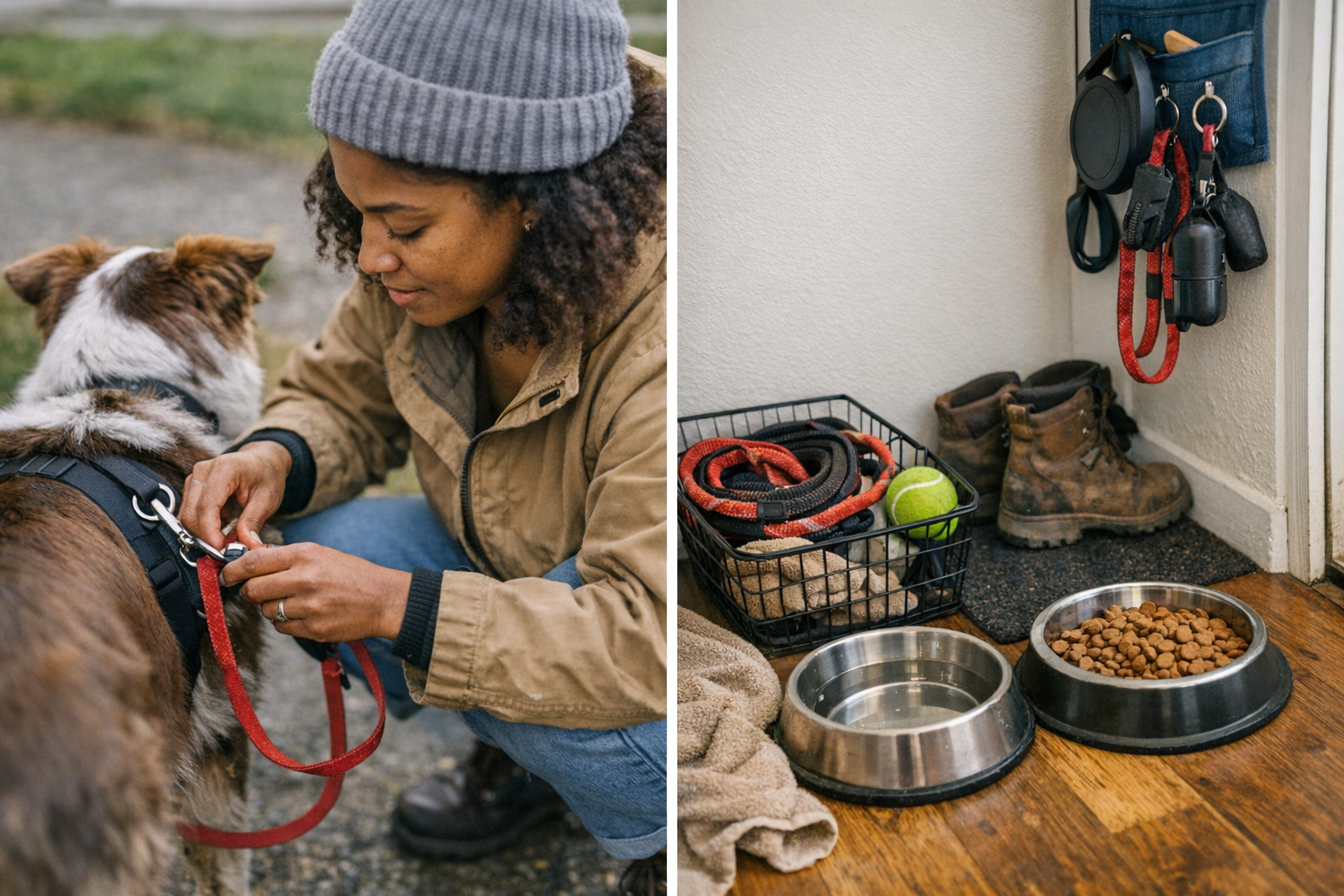
    The morning unfolds with a series of small, practiced movements: unclipping the leash hung neatly by the door, slipping the harness over a wriggling body eager to begin, and securing a treat pouch to one’s hip in preparation for outside adventures. These repeated actions not only prepare the dog and owner physically but also provide a comforting structure that fosters calm and anticipation.

    Living alongside a dog transforms daily life into a choreography of interaction and negotiation. From balancing a warm cup of coffee while fastening the leash to calling out “wait!” moments before the dog bursts with enthusiasm, these small challenges are softened by having essential supplies organized and easily accessible. Keeping clean harnesses, leashes, and treats in dedicated spaces helps the routine become seamless and less stressful.

    After the Walk: Transition Back Into Home Life

    Upon returning indoors, the dog anticipates the familiar post-walk process — standing patiently with paws lifted for inspection, waiting for the drying towel to chase away traces of mud and morning dew. These habitual interactions deepen the bond and provide gentle care that dogs appreciate.

    As the harness and leash are neatly stored away, the human refills the dog’s bowl and reheats their coffee, while the dog waits expectantly for mealtime cues. The quiet moments that follow, whether spent organizing workspaces or enjoying a brief rest, underscore the harmony of daily life shared with a canine companion.

    The Afternoon Pause: Refreshing Body and Mind

    As the day progresses, restlessness often signals the need for another outing. A second walk, with its own ritual of harnessing, leash searching, and pocketing water and treats, offers a chance to break free from stagnation. Outdoor excursions provide sensory stimulation through city sidewalks, puddle splashes, and the ever-changing scentscape that keeps a dog curious and engaged.

    During these walks, it’s helpful to carry a portable water bowl and offer hydration regularly. This simple practice supports your dog’s comfort, especially on warmer days or during longer strolls. The ritual of checking in with a treat serves as positive reinforcement and maintains focus throughout the walk.

    Refresh Tip: Vary the Walking Route to Renew Interest

    Changing the route or timing of walks can transform an ordinary stroll into a stimulating adventure. Explore new parks, sidestreet paths, or quiet trails to renew enthusiasm, both for you and your dog. This shift in scenery can alleviate behavioral boredom and deepen the bond formed during shared exploration.

    Evening Wind-Down: Grooming and Organization

    As dusk falls, grooming offers a comforting way to close the day. Running a brush gently through fur removes loose hair and provides a calming tactile connection. Paying attention to the details — like folding a doormat, shaking out leaves, and wiping down water bowls — maintains a tidy environment conducive to relaxation.

    A dog’s crate or designated bed becomes a sanctuary for rest, often accompanied by a favorite plush toy. This routine not only supports good behavior but also offers a clear signal that the day is winding down.

    Maintaining Order: The Key to a Smooth Routine

    Having a consistent place for every item — leash hooks, treat pouches, brushes — reduces stress and speeds transitions throughout the day. In smaller living spaces, clutter can quickly become overwhelming, so investing a few moments in daily organization pays dividends in ease and peace of mind.

    Finding Comfort in Consistency—and Embracing Small Surprises

    While these rituals bring a comforting rhythm to everyday life, no two days are ever the same. A dog shaking off a stray puff of dust, the sudden prance after a stray leaf, or a well-timed glance of affection break the routine’s predictability and keep moments fresh and engaging.

    Ultimately, embracing these shared routines with patience and attentiveness enriches the companionable partnership between dog and owner. The familiar sounds, sights, and sequences ground both in the present, creating a stable and loving environment where each day is a new chapter in a shared journey.

    For further insights into nurturing daily routines that support dog comfort and behavior, exploring trusted resources on dog walking, training, and care can be invaluable.

  • The Quiet Struggles Behind Every Carry-On’s Journey

    Travel often begins with small anxieties—the unknown availability of overhead bin space, the possibility of having to gate-check your carry-on, the crowded aisles, and the persistent worry about keeping your essential items within reach. Even before boarding, the routine of double-checking your essentials and ensuring your bag is ready introduces a weight, making familiar habits feel less certain. You are prepared, your bag is packed, and you hope for a smooth experience, but the mild tension never fully disappears.

    The Quiet Moods Before Takeoff

    Excitement can be elusive. Sometimes it is absent the night before a trip or even in the moments after your alarm wakes you. Morning light creeps through the window, and the usual buzz of preparation feels subdued. Checked in digitally and with travel documents neatly stacked, your carry-on sits packed and waiting. The itinerary is clear, yet the emotional anticipation feels postponed, overshadowed by the logistics.

    Travel becomes a series of purposeful actions rather than spontaneous joy. The possibility of gate-checking your bag or competing for bin space lingers quietly with every move. You strategically place your most needed items for easy access, balancing readiness against the uncertainty clouding your journey’s start.

    Preparing and Departing: Navigating the Airport Ritual

    Eventually, packing concludes. Your boarding pass, phone, headache medicine—all tucked away thoughtfully. Stepping outside, the sky is ordinary, unremarkable. The ride arrives, and you catch your own reflection for a moment—a traveler, perhaps hopeful, perhaps simply dutiful, bearing the familiar weight of your carry-on. The wheels click over pavement as the cab moves forward, corners of the bag grazing your ankles uncomfortably but acceptably.

    The carry-on’s condition occupies your mind momentarily—Is it too full? Will it cause problems at the gate? Experience and routine dominate; you trust your packing methods. The faint memory of that distinctive rolling sound through distant airport corridors rises—a strangely comforting reminder of progress and movement.

    The Airport Experience

    Airports carry a signature scent: polish mixed with strong coffee and a murmur of voices. You navigate almost on autopilot, your thoughts flickering over scenarios. Is your bag just below weight limits? Will staff at the gate tag your carry-on for check-in, forcing you to part with your essentials? Settling near the gate windows, you watch others—the silent, shared tension among all carry-on travelers waiting for the chance to board and secure a coveted overhead spot.

    Everyone waits with quiet patience. Your bag gently nudges your calves but anchors you in this moment. Familiar grips and smooth wheels offer steadiness amid the subtle unease. When another traveler’s bag is tagged for gate-checking, a small wave of relief washes over you, grateful that your bag remains in your control. You notice colorful tags on others’ bags, imagining if they feel more at home in this environment—somehow more at ease with the unpredictability.

    Boarding: The Moment of Gratitude

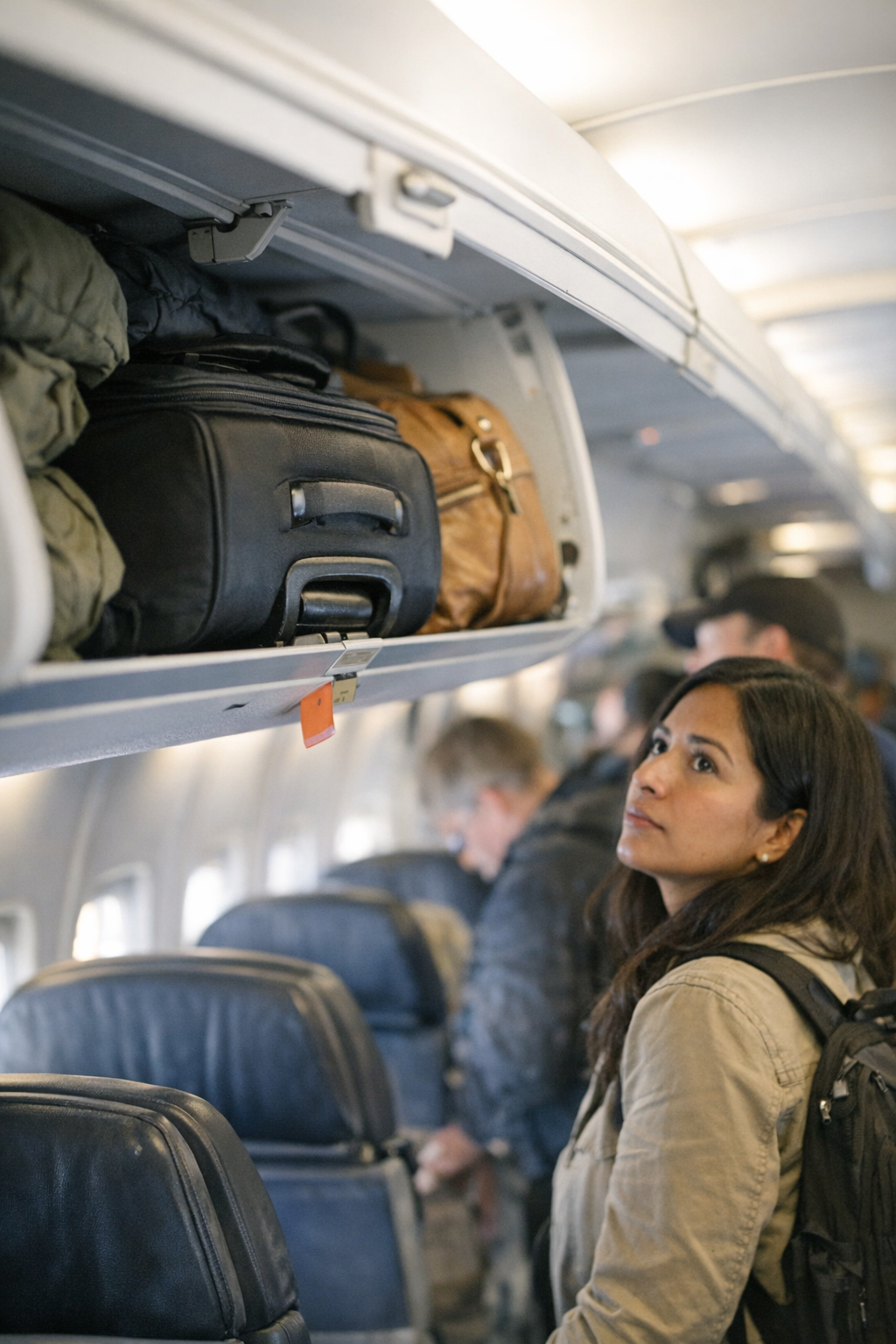
    When your boarding zone is called, you join the mild rush, moving with deliberate steps down narrow aisles. Polite apologies, quick shuffles, and hopeful glances fill the air. Your moment arrives: the overhead bin swings open, and you slide your bag in effortlessly. A sharper, more tangible feeling of gratitude surfaces—so unexpected and genuine.

    With belongings stowed and seats settled, you release a breath you hadn’t realized you held. As the plane pushes back, soft cabin light spills in, illuminating the space. You reach into the mesh pocket of your bag and find your headphones exactly where you placed them. Confidence and excitement may still be quiet, but these small affirmations anchor you.

    Maintaining Calm and Focus During the Flight

    No dramatic surge of adrenaline today, just habits: chewing gum, opening your notebook, stretching gently. Your carry-on becomes a sanctuary within the confined space of your seat. Every flight attendant passing sparks a brief tension—you wonder if your bag will be shuffled or disturbed—but this time, peace remains undisturbed.

    Refresh Tip: Embrace the Small Moments

    When travel feels more routine than thrilling, shift your energy by focusing on small, grounding practices during the flight. Try deep, slow breaths and mindful observation of your surroundings—the muted conversations, the pattern of airplane lights, or the subtle hum of the engines. This simple calm can transform restless or uncertain moments into space for quiet reflection, helping you reconnect with the experience.

    Arrival: Grounding in a New Place

    The plane lands quietly. Seatbelts unfasten with a soft click, a shared readiness among passengers. Retrieving your carry-on is smooth and familiar, offering a moment of regained control. The jet bridge air feels sharp and revitalizing, carrying the distinct scents of the city—diesel, fresh coffee, cologne, damp pavement. Each breath marks an entry into this different world. If anticipation waits anywhere, it’s tucked into these first breaths after touching down.

    Outside, streets look subtly altered, perhaps only because your attention has shifted. Your bag wears a new scuff—a quiet testament to travel accomplished. Upstairs, you unpack—clothes sorted methodically, pieces destined for the laundry heap. In these small actions, the transition completes.

    Finding Meaning in the Everyday Journey

    In the quiet aftermath, you recognize a changing perspective. That relief over securing space above grows into an internal memory of competence, a small but vital victory. Travel may not always deliver excitement, but enduring its frictions reveals resilience and adaptability. Each journey affirms you can navigate uncertainty and emerge steady, ready to begin again.

    The familiar roll of your suitcase wheels serves as a reminder: no matter the weight, the hassle, or the fleeting nerves, you carry within you the ability to move forward—one step, one click, one flight at a time.

  • How Thoughtful Packing Turns Travel Stress into Quiet Comfort

    Mastering the Art of Carry-On Packing for Stress-Free Travel

    The night before a flight always brings a unique mixture of excitement and a subtle tension that even the most seasoned travelers come to know well. Preparing your carry-on isn’t just about fitting everything into a small bag; it’s a mindful ritual that sets the tone for your entire journey. As you sift through your essentials, there’s an unspoken balance between anticipation and organization, between what you’ll need in-flight and what can wait for after you land.

    Why Thoughtful Carry-On Packing Matters

    Every seasoned traveler recognizes the chaos that can unfold around the overhead bins. The scramble for space, the frustration of gate-checking a bag last minute, and the scramble to retrieve items mid-flight can all detract from the joy of traveling. Smart packing is your first line of defense against such hassles.

    When you pack with intention, focusing on only those items essential for the flight and immediate arrival, you reduce stress significantly. This strategy allows you to keep your carry-on close, stored under the seat or securely overhead without overpacking or forcing others to maneuver around you.

    Essentials to Include in Your Carry-On

    • Travel documents: Passport, ID, boarding pass, and any necessary visas should be easily accessible yet secure.
    • Comfort items: A neck pillow, eye mask, and noise-canceling headphones can enhance your in-flight experience.
    • Health necessities: Lip balm, hand sanitizer, medications, and a small first aid kit.
    • Entertainment: Books, tablets, chargers, and a pen for any forms you might need to fill.
    • Snacks: Non-perishable, mess-free snacks can stave off hunger during delays or long flights.
    • Weather preparedness: Lightweight sweater or jacket, which can double as a blanket or cushion.

    Navigating Airport Chaos with an Efficient Carry-On

    Once you reach the gate, the airport’s hustle intensifies. Boarding lines lengthen, gates become crowded, and the overhead bin space becomes a strategic battlefield. When your luggage is compact, organized, and contains only what you need, you remain calm and collected.

    Observe your fellow travelers and their interactions with their baggage—it’s often a lesson in what not to do. For example, a passenger struggling to find headphones within a messy bag often causes delays and frustration for those behind them in the aisles. In contrast, a tidy bag with essentials easy to locate ensures you can settle quickly and comfortably.

    Tip: Organize Your Carry-On by Use Frequency

    Arrange items so that the things you’ll need during the flight—like your book, snacks, headphone, or lip balm—are in easily reachable outer pockets or at the top of your bag. Less-used items like extra clothing or souvenirs can reside deeper inside. This method reduces mid-flight fumbling and helps you remain relaxed throughout your journey.

    Refreshing Your Travel Routine Mid-Journey

    Travel itineraries can be unpredictable—delays, gate changes, or extended layovers can test your patience. In these moments, take a brief refresh approach: instead of focusing on disruptions, re-center your mindset by stretching, deep breathing, or transferring your attention to a calming activity such as reading or listening to music. This mental reset will improve your travel experience and reduce stress.

    Arrival: The Reward of Smart Packing

    After touchdown, the efficiency of your packing routine reveals itself. While many scramble to retrieve gate-checked luggage or sift through crowded carousel bags, you glide through the jet bridge with ease, your carry-on tucked safely at your side. Each travel moment, from security lines to baggage claim, feels lighter when your essentials are accessible and your pack is manageable.

    Packing for the Return Trip

    Coming home is a different challenge. Your carry-on will now contain souvenirs, receipts, and items gathered on your trip. Even so, the principles of order and intention still apply. Keep your bag organized to ease your return and prevent last-minute chaos, allowing you to transition smoothly from travel mode to home life.

    The Practical Benefits of Carry-On Mastery

    Traveling with an efficiently packed carry-on helps you breeze through airport security, avoid spills, and maintain access to what you need—even in low light or cramped seating. It’s an investment in your own comfort that pays off repeatedly, trip after trip.

    Ultimately, the art of thoughtful packing turns the unpredictable nature of air travel into a sequence of manageable, even enjoyable, moments. By preparing well before departure, you allow yourself the joy of focus—the quiet relief that comes from knowing you’ve already handled what you can control.

    Each journey becomes not just about the destination but the care taken along the way. The worn wheels, the neatly packed contents, and the purposeful selection of items all tell the story of a traveler who values ease, calm, and readiness.

    Actionable Tip: Create a Personalized Packing Checklist

    Maintain a constantly refined packing checklist tailored to your travel habits and destinations. Before each trip, review and adjust the checklist to prevent overpacking and to ensure essentials aren’t forgotten. This living document streamlines the packing process, reduces anxiety, and increases your odds of a smooth journey.

    With thoughtful packing and a carefully chosen carry-on, you’re not just carrying luggage—you’re carrying peace of mind.

  • Why Does Your Carry-On Feel Lighter Once You’re in the Air?

    The Journey Begins with Packing

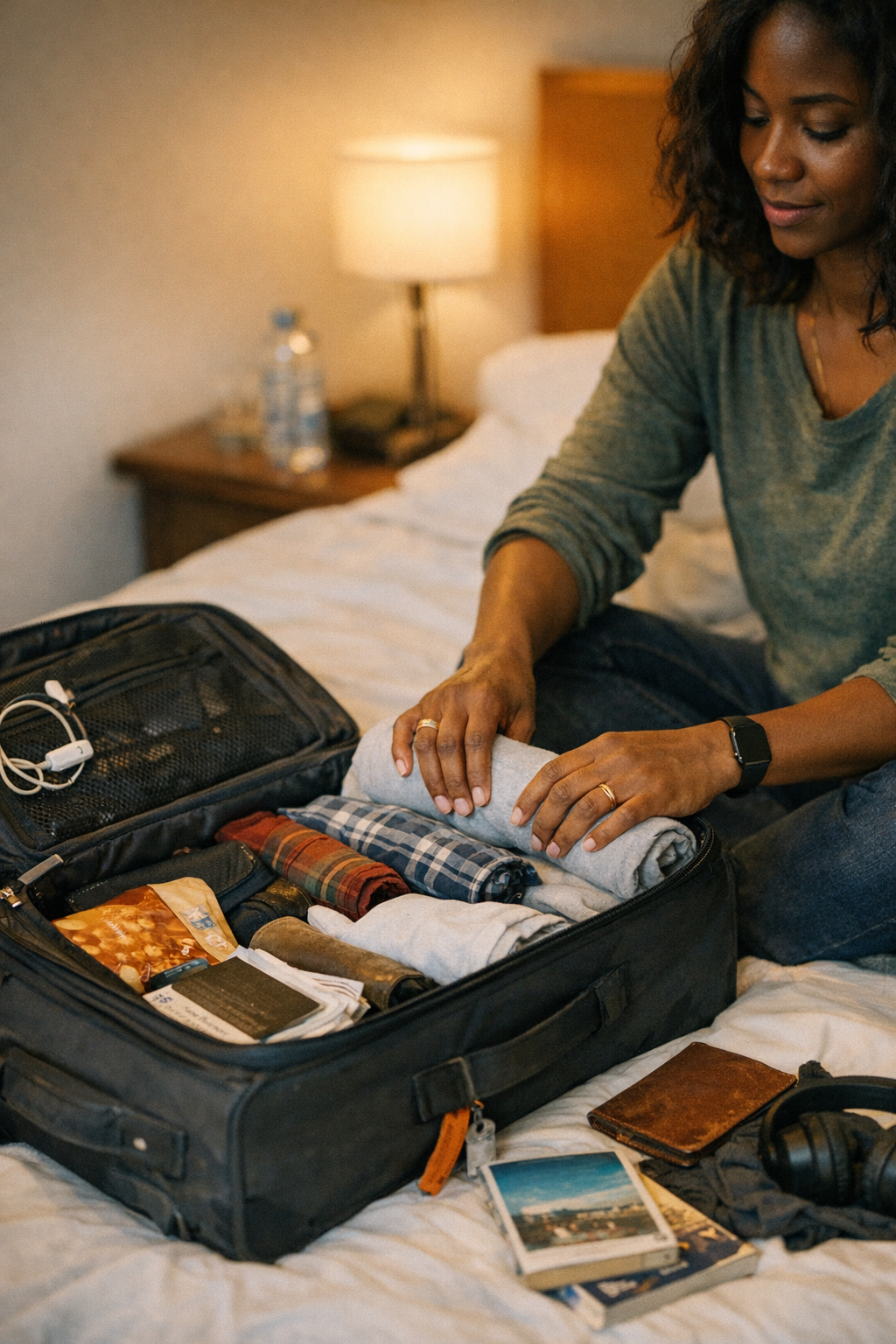
    Packing is more than just a chore—it’s the true start of any journey. That moment when you pick up your carry-on, testing its weight in your hands, is a mix of excitement and practical worry. You hope it’s lighter than last trip, even though it often feels just as heavy. Despite this, there’s comfort in the ritual: chargers neatly coiled in mesh pockets, a well-thumbed paperback ready to entertain, and favorite snacks tucked away for a taste of home.

    Your bag isn’t just a container for clothes and essentials; it becomes personal through every trip it’s been on. Over time, the scuffs on its surface and the worn zippers mark countless adventures, transforming your luggage into a trusted companion.

    Perception vs. Reality: Weight in Transit

    An interesting phenomenon travelers notice is how their bag feels lighter mid-flight, especially when lifting it into the overhead bin. This is not just a trick of the mind—it’s science. At cruising altitude, the slightly reduced gravity makes lifting feel less strenuous, turning a once laborious task into something much easier.

    However, weight is not purely a physical measure in travel—it’s also a mental one. Rolling clothes into tight, space-saving bundles, carefully choosing each item, and packing little mementos are all part of a psychological preparation. Each extra ounce carried reflects the balance between caution and longing, between readiness and desire.

    Pre-Departure Rituals and Reflections

    The night before departure often involves a final inventory check. Placing the bag by the door acts as a physical reminder of what’s to come. It’s tempting to reconsider every item, wanting to shed unnecessary weight but reluctant to leave behind anything useful or comforting.

    This mix of practicality and sentimentality defines packing as a ritual—one that creates anticipation while also marking a boundary between familiar routine and unknown adventure.

    The Airport Experience: Movement and Moments

    Walking into the airport transforms your relationship with your luggage. The bright, busy terminal fills with movement and sound as you navigate check-in lines and security. Your bag’s wheels click rhythmically on the floor, creating a subtle soundtrack to your voyage.

    Security procedures become a practiced dance: shoes off, laptop out, bag lifted onto the conveyor. Your grip tightens briefly on the handle—you’re both guarding a load and signalling readiness. The brief eye contact with other travelers passing their bags down the line creates a silent community bound by shared purpose.

    Boarding and the Magic of Flight

    At the gate, the bag rests near your feet, almost like a faithful sidekick. When boarding starts, the familiar sense of heaviness resurfaces, but once on the plane and lifting the bag into place, the effort fades. The overhead bin becomes a temporary home for your carry-on, and you sense the science behind the ease—the plane’s altitude and speed reduce apparent weight, making it easier to manage.

    This physical lightness corresponds to an emotional one. As the plane ascends, you shed some of the stress and gravity that accompanied your departure. That click as your bag slides into place is like stowing away worries, ready for the new experiences ahead.

    Landing, Return, and Reacclimation

    Descent brings a shift in feeling. The bag’s weight seems to regain its full presence, but adrenaline and shared rhythms of arrival ease the transition. The clatter of luggage wheels through arrivals halls signals an end and a beginning—the return to home and the start of post-trip reflection.

    Unzipping your bag after a trip reveals more than clothes and souvenirs; it unfolds stories of where you’ve been and what you’ve seen. The weight of your belongings becomes emotional as well as physical, layered with memories.

    Practical Packing Tips for a Smoother Journey

    • Prioritize Versatility: Opt for clothing that can be mixed, matched, and layered, reducing the volume and weight of your pack.
    • Use Packing Cubes: These help organize contents efficiently, maximize space, and make unpacking easier at your destination.
    • Carry Essentials in Your Personal Item: Keep valuables, chargers, medications, and a change of clothes in an accessible bag in case of delays or lost luggage.

    A Refresh Tip for the Traveling Mindset

    During travel, pause to reframe your experience. Instead of focusing on the bag’s weight or schedule stress, take a moment to appreciate the journey’s small rhythms—the rolling click of wheels, friendly nods to fellow travelers, or the soft glow of airport lighting. This subtle shift in perspective transforms burdens into part of the adventure, making each step lighter and more meaningful.

    Conclusion: More Than Just a Bag

    Your luggage accompanies every new city, airport, and hotel. It holds not only your belongings but also your routines, memories, and hopes. The physical weight of your bag may fluctuate in your hands or overhead compartments, but its true significance is the emotional journey it shares with you.

    Every zip and tuck, every lift in the terminal, is a thread in the fabric of travel—marking not just where you’re going, but who you are as a traveler. Embracing both the load and the lightness of your bag can deepen your appreciation for each trip, turning practical moments into lasting stories.

  • The Carry-On Shape That Makes Travel Feel Effortless and Light

    Starting Your Journey with Ease

    Travel mornings often begin in a quiet haze—the soft gray light of early dawn, the calm hush of a town not yet awake. Coffee cools on the kitchen counter as you pull your bag tight and prepare to step out the door. For many, the travel experience starts with a familiar tension: wrestling heavy, bulky luggage through crowded sidewalks and narrow airport aisles—zippers stuck, handles awkwardly angled, shoulders tense. But what if there were a simpler way? Where your luggage works with you, not against you?

    The Power of Practical Design

    Years of packing and repacking have taught me the value of smart, streamlined luggage that fits naturally into the flow of travel. Gone are the days of struggling with oversized bags that squeak and snag on every corner. When I first replaced my old suitcase, bulky and unwieldy, with a sleeker, more thoughtfully designed piece, the difference was immediate. The handle fit comfortably in my hand, the wheels glided silently along pavement, and the shape was just right—slim enough to navigate narrow spaces, yet spacious enough for essentials.

    This is more than just aesthetics; it’s a subtle change that transforms your entire travel experience. Instead of bracing for battles with your bags, you move with ease, turning a practical item into a quiet companion.

    Mastering the Airport Dance

    The airport can be a high-pressure zone where luggage either facilitates smooth movement or becomes a bottleneck. At security, travelers clutch their bags, weary from the ordeal of fitting into bins that are often too small. With compact, well-fitted carry-ons, that anxiety dissolves. Your bag rolls gently alongside you, slipping easily through scanners and into overhead compartments without the need for strategic angling or maneuvering.

    Boarding often feels crowded and chaotic, but a streamlined bag lets you blend in seamlessly. There’s no need for extravagant juggling or awkward standoffs with other travelers over space. Instead, you can stroll on board, relaxed, your belongings settling quietly overhead. The weight of uncertainty lifts—you’re not the one causing hold-ups or frayed nerves.

    Efficiency on Arrival

    Upon landing, the ritual of baggage claim can be a test of patience and luck. While others gather around carousels, eyes trained to spot their scattered possessions, you glide through the airport, light and unencumbered. Your carry-on isn’t lost or delayed; it’s right with you, ready to step out into the new city at your pace. This easy transition is a small victory with a big impact—a freedom that invites exploration rather than fatigued retreat.

    Pro Tip: Prioritize Carry-On Friendly Packing

    Adopting a carry-on-focused packing approach elevates every stage of your journey. Prioritize versatile clothing, layer for variable climates, and minimize extras. Creating a packing list that emphasizes essentials over abundance not only lightens your load but also streamlines security checks, boarding, and unloading. It’s a strategic choice that pays off in calm, controlled travel.

    The Subtle Art of a Well-Packed Bag

    Back in your hotel room or at home, the act of packing becomes a quieter ritual. A soft scarf nestles beside neatly folded garments, receipts are carefully tucked away, and every item finds its place without bulging the bag’s form. Well-constructed luggage absorbs shape changes smoothly, people often underestimate this important feature. The bag’s resilience means it maintains a tidy profile, preventing the frustration of zippers stuck or contents spilling unexpectedly.

    Refresh Your Mindset: Travel as a Series of Small Joys

    When travel stress creeps in, a subtle mental shift can help reset your perspective. Rather than viewing your journey as a series of obstacles—crowded airports, tight spaces, endless queues—try framing it as a collection of moment-to-moment choices and small successes. Appreciate the soft click of your bag’s latch, the gentle roll of wheels on foreign pavement, the quiet efficiency of your packing strategy. This calm focus allows travel’s inevitable challenges to recede and leaves space for the unexpected pleasures of new places and experiences.

    Conclusion: When Luggage Simply Works

    At its core, travel is about movement—through space, culture, and time. The less resistance you encounter, the more fully you can inhabit those moments. Choosing luggage that moves with you, fits where you need it to, and eases transitions isn’t just about convenience; it’s about reclaiming the joy of travel. When your bag becomes an invisible helper rather than a burdensome taskmaster, every arrival and departure feels a little like coming home.

    Remember, the best luggage isn’t always the largest or flashiest—it’s the one you forget you’re managing. This simplicity opens the door to richer experiences and a smoother path through whatever adventure lies ahead.

  • The Quiet Anxiety and Unexpected Comfort of Carry-On Battles

    Setting Off: The Quiet Ritual Before Departure

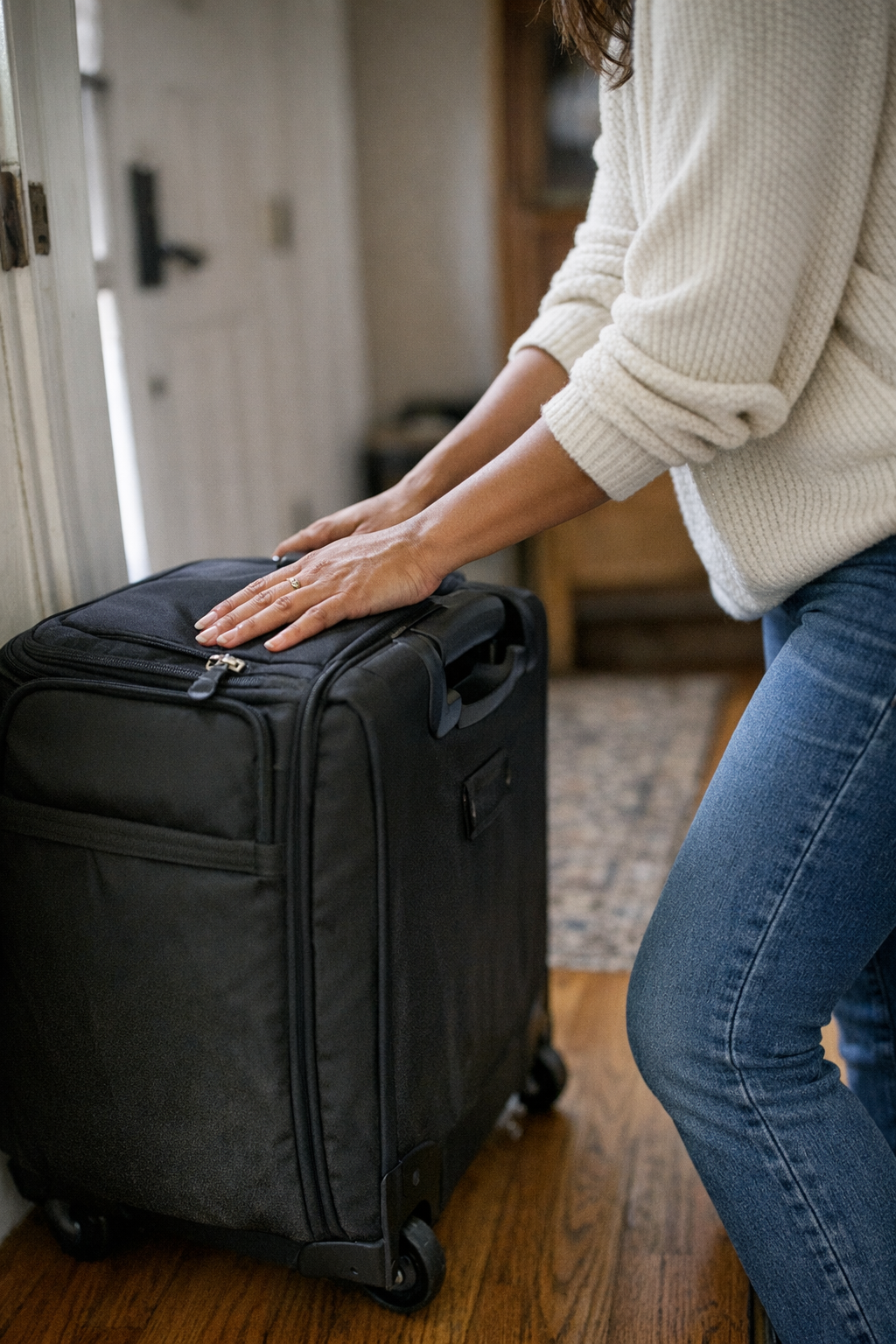
    There’s a familiar tension in those moments before leaving for the airport. It starts small, like the knuckle brushing a zipper on the carry-on bag resting near the door. Pressure builds as you press down hard to seal it, listening for the comforting snap that confirms it’s secure. Then comes the deliberate act of rolling the bag toward the threshold, each turn of the wheels a measured preparation for what lies ahead.

    Travel often feels like a balance between hope and readiness. Will the city, the airport, the timing align smoothly? Most importantly, will the overhead bins be kind and spacious enough to accommodate your carry-on? This moment, filled with quiet anticipation, sets the tone for the journey.

    The Overhead Bin Challenge: Why It Matters So Much

    Boarding a flight transforms the simple act of stowing a bag into a delicate dance of timing, space, and etiquette. The comfort of your trip largely depends on that brief window when you fight for space in the overhead bin — moments that are unpredictable and often fraught with silent tension.

    Every flight brings the same question: Will I secure a spot close enough to my seat? Will my bag fit alongside others without being crushed or wedged awkwardly? These fleeting instances influence not only physical comfort but also emotional ease during flight.

    Morning Preparations: Packing with Purpose

    Before the first light, the journey begins quietly. Clothes are carefully chosen—functional, minimal, with no pockets to regret later. The bag gets wheeled down stairs with gentle thumps, each movement deliberate and mindful. Outside, the early fog blurs headlights as the carry-on is carefully placed upright in the trunk, not sideways, to ensure it settles perfectly.

    At the airport, the elegant quiet persists. The suitcase’s handle feels like an anchor as it rolls across polished floors, sometimes skittering at unexpected tile joints. Inside the bag, a hidden snack or small comfort item offers reassurance—simple gestures that ground anxious travelers.

    Security and Gate: The Calm Before Boarding

    Security checks provide another test. The suitcase slides onto trays smoothly, a contrast to the rattling bins nearby. At the gate, travelers settle into their territories, with carry-ons positioned like silent sentinels by their feet. Devices peek from half-zipped compartments, and weary eyes scan weather updates, rearranging layers for the unknown. The carry-on becomes a personal space, a small domain protected by careful zipping and minimal disturbance.

    Boarding: The Art of Positioning Your Carry-On

    As boarding begins, digital displays flicker and lines form. Carry-ons trail like loyal companions. Across the jet bridge, the wheels tap out an uneven rhythm on the floor, matching the growing suspense.

    Inside the plane, bins fill rapidly. Hands wrestle bags into place, some with frustration, others with practiced ease. You maneuver around awkwardly jammed backpacks, negotiating space through eye contact and a shared understanding of the challenge. Often the only available spot is just beyond reach, requiring a careful lift and careful placement.

    In these moments, patience and respect govern interactions—small nods acknowledge the unspoken rules and tensions. The victory of stowing your bag first can make or break the flight’s comfort.

    Carry-On Care: A Subtle Habit to Ease Travel Stress

    Some travel habits quietly save the day. For example, carrying a small roll of brown tape nestled between shirts near the bag’s top might seem odd but is surprisingly practical. A torn seam or zipper failure mid-flight can be stressful; tape fixes these quickly and discreetly. It’s a simple trick that instills confidence and quiets the undercurrent of worry about gear failure at 30,000 feet.

    In Flight: Comfort Beyond the Seat

    Once seated, the sense of relief grows, but the carry-on still plays a role. There’s reassurance in glancing up and knowing your belongings are safely tucked above. The real comfort isn’t just about leg room or seat pitch—it’s rooted in that overhead space, intact and reliable.

    Nearby passengers may sigh about the limited space or tight conditions, but with your bag secure, a small wave of calm washes over you. That quiet presence overhead shapes the experience more than most realize.

    Arrival and Beyond: The Journey’s End and New Starts

    Landing flips the process as bags emerge under harsh airport lights. Hands reach up eagerly, retrieving familiar shapes scuffed but whole. The carry-on’s marks tell stories—stickers faded from past travels, ribbons tied before a tense flight—all part of the journey’s narrative.

    Outside, the familiar scraping sound of wheels over terminal tile accompanies the final steps. Whether rolling to a waiting car or a hotel lobby, the bag remains a compact companion. Even late-night hotel room rummages or quiet rearrangements keep the bag close and ready.

    Returning home softens the pace. Opening the front pocket for a new souvenir shifts the bag’s balance slightly, a subtle nod to both departure and return. Smooth zippers and intact compartments become symbols of resilience, reminders that you remain the one steering this journey.

    Reflection and Refresh: Shifting Perspective on Travel

    Travel is often seen through grand gestures—upgraded seats, exotic locales, or itinerary highlights. Yet the true measure lies in simple, persistent elements: the overhead bin, the timing, the carry-on’s constant presence. Recognizing this can recalibrate how you approach each trip.

    Try this refresh tip for your next journey: Instead of focusing solely on destination excitement, give attention to your travel tools—the reliability of your luggage, the ease of packing, and how you manage these moments of uncertainty. This mindfulness not only reduces stress but also reclaims control amidst the uncontrollable aspects of travel.

    Practical Tips for Smoother Carry-On Travel

    • Choose the right size: Ensure your carry-on meets airline guidelines but also fits comfortably in overhead bins. Compact, lightweight, and easy-to-maneuver bags increase success.
    • Pack strategically: Use exterior compartments for items you’ll need quickly, and consider small repair items like tape for unexpected fixes.
    • Board early when possible: Priority boarding can mean easier access to bin space, reducing boarding stress.
    • Practice courteous bin placement: Allow space for other passengers, and if bins fill up early, look for designated spaces down the aisle before settling on distant spots.

    In the end, the weight of travel isn’t just in miles or time but in the gentle presence of a carry-on moving steadily alongside you. It shapes how you experience airports, flights, and arrivals, weaving reliability into even the most uncertain journeys.

  • Why Harness Fit Fails Midshift—and How to Stop It

    It’s that moment on site when your back feels drenched in sweat, scaffolding glints in the harsh light, and even the harness straps feel abrasive against your skin. As you twist at your waist, your hand instinctively checks the leg strap buckle—something feels pinched again. It’s a quick pause, but an important one. This hesitation comes from experience; remembering a close call years ago keeps you vigilant. This is often where fall arrest failures begin during long construction days: when discomfort turns into routine neglect and subtle changes in harness fit and tension go unnoticed amid fatigue and repetitive motion.

    Why Fall Arrest Failures Happen Over Time

    Most fall arrest failures do not result from faulty equipment or a neglected morning inspection. Instead, they start with gradual stretching of the webbing, shifts in anchor points, and a slow loss of tension compounded by hours of movement and sweat. A harness that feels tight and reassuring early in the day can loosen without you realizing it, increasing risk dramatically. When fatigue sets in, and tasks pile up, small changes in fit and equipment setup fade into the background. This buildup creates dangerous conditions that often emerge only during a slip or fall.

    Consider this: you adjust your harness at 7 a.m. so it fits snugly. By midday, continuous movement—crawling under beams, climbing ladders, shuffling across platforms—causes straps to loosen, buckles to shift, and the dorsal D-ring to ride lower than intended. If unnoticed, these subtle changes compromise the harness’s ability to arrest a fall safely. Many workers feel the discomfort of a tight harness early on, but few recognize how that comfort deteriorates as hours pass.

    The Real-World Impact of a Loose Harness

    Imagine two carpenters side-by-side: both wear similar high-visibility harnesses, both have completed initial equipment checks. One has the D-ring properly aligned between the shoulder blades; the other’s D-ring has slipped half an inch lower after repeatedly ducking under scaffolding. Their lanyards are connected to anchor points, but the first has clipped onto a certified anchor rated for fall arrest, while the second uses a sturdy but non-rated pipe.

    When a slip happens, the outcomes differ significantly. The properly adjusted harness safely absorbs the shock, arresting the fall with controlled force. The misaligned harness combined with an uncertified anchor results in webbing sliding upward dangerously during the fall, increasing the risk of injury. I’ve witnessed incidents where these small differences—imperceptible to the eye but critical in safety—determined whether a worker safely caught themselves or suffered a serious injury.

    Case Study: A Real Spring Shift Incident

    During an intense spring session on east-line truss assembly, our crew was hauling heavy, awkward beams. The afternoon heat made everyone sluggish, movement was slower, sweat leaked under helmets. Suddenly, a loud snap and a shout broke the rhythm. Two carpenters fell simultaneously, wearing nearly identical harnesses and lanyards, yet their falls had very different outcomes.

    One’s lanyard, left slightly slack and hooked onto a makeshift bracket, almost let him fall over the edge. His feet dropped below floor level before he managed to grab the truss beams, thanks largely to his quick reflexes. The other, who regularly adjusted the lifeline tension as he moved, remained upright and stable, his harness absorbing the sudden load. Both started the day with proper gear and checks, but their choices to maintain tension and manage slack mid-shift made all the difference.

    The Importance of Rechecking Harness Fit Every Few Hours

    From that day forward, I adopted a personal rule: carry out a “three-hour recheck” on my harness. At least every three hours, especially during long, strenuous shifts, stop and evaluate fit and tension. This quick pause focuses on key areas:

    • Checking the dorsal D-ring position—centered between shoulder blades, no lower than mid-scapula, and aligned within an inch
    • Feeling for thigh strap tension—there should be no more than a flat hand’s width of gap; straps should never sag or twist
    • Ensuring lanyards remain properly connected to certified anchors, without excess slack

    This proactive approach prevents unnoticed fit drift caused by sweat, friction loss, and repetitive movements. Even during noisy, distracting afternoon shifts, these frequent hands-on checks catch rotated D-rings, loosened straps, or improperly secured lanyards before they become hazards.

    Practical Tip: Use Visual and Tactile Cues

    Make a habit of using both visual checks and tactile feedback during your rechecks. Look for the D-ring’s position using a mirror or a coworker’s help. Run your hands along the webbing to detect slack or twists. Muscle memory will develop, allowing faster and more accurate corrections throughout your shift.

    Common Mistakes That Lead to Failures

    Many workers assume that a harness approved in the morning inspection is safe all day long. However, this complacency overlooks how the workplace environment affects fit:

    • Webbing shifts: Movement causes the harness to slide, and sweat decreases friction that normally holds straps in place.
    • Anchor point errors: Connecting lanyards to handrails, non-rated brackets, or pipes that lack proper certification dramatically increases failure risk during a fall.
    • Off-center D-ring: A D-ring positioned too low or off alignment exposes the body to harmful forces when stopping a fall, risking injury to the torso and spine.

    Awareness of these pitfalls is crucial. I’ve seen experienced workers rely on substandard anchor points simply because they appeared sturdy, only for equipment to fail during a momentary slip.

    Understanding Harness and Equipment Ratings

    Modern fall arrest harnesses conform to standards like ANSI Z359.13, which specify maximum arrest forces of 1,800 pounds. This means a properly fitted and connected harness system will limit impact forces within a survivable range. But even the best equipment can’t perform as intended if slack develops, connectors are poorly secured, or the harness shifts during the day.

    Think of it this way: an inch of slack in webbing or a slightly off-center D-ring doesn’t just reduce comfort; it fundamentally changes how the force is distributed. What should be a controlled stop can quickly become a jarring impact, increasing risk of injury and downtime.

    Refreshing Your Workflow: A Small Shift that Makes a Big Impact

    Try this simple refresh tip during your workday: use your scheduled breaks or transition moments as natural reminders to check your harness. Whether it’s a mid-morning coffee or the pause before a new task, take 60 seconds to perform a quick harness fit inspection and lanyard tension check. This shifts your perspective from “set it and forget it” to continuous safety vigilance without interrupting workflow significantly.

    This small habit not only revitalizes your focus but reinforces safety as an active process, not a one-time task. Over time, these frequent checkpoints build muscle memory and keep you alert to subtle changes in equipment fit—often before discomfort or risk even registers.

    Final Thoughts on Harness Safety in Long Shifts

    Long, demanding days on construction sites rarely predict when equipment will need to perform in a fall. Straps loosen slowly, anchors flex slightly, and lines grow marginally longer as you move through noise and dust. Because these changes are gradual and often invisible, harness safety requires more than a morning inspection—it demands routine vigilance.

    Always recheck your harness fit and anchorage points throughout your shift. Don’t let discomfort be the only signal you get. Even small corrections can prevent serious consequences.

    Safety gear is your last line of defense—treat it with the same respect and diligence as you do your most critical tools. Your life depends on it.

  • How Small Storage Choices Extend Lithium Battery Life Naturally

    Understanding the Importance of Proper Lithium Battery Storage

    Lithium-ion battery packs power many of the tools and devices we rely on daily. Yet, their performance and lifespan often depend on how they’re stored when not in use. A subtle misstep—like leaving a battery in a cold, damp toolbox overnight—can quietly erode its capacity and lead to frustrating mid-task failures. Proper storage practices not only preserve battery strength but also reduce surprise downtime and unexpected costs.

    Ideal Storage Conditions: Temperature and Charge Levels

    The longevity of lithium-ion batteries is maximized when stored at a state of charge (SOC) between 40% and 60%. This charge window helps slow chemical aging by avoiding the extremes of deep discharge, which stresses the cells, and full charge, which can promote cell deterioration over time.

    Equally critical is storage temperature. Keeping batteries in an environment between 50°F and 77°F (10°C to 25°C) is optimal. Temperatures outside this range introduce risks: cold leads to temporary capacity loss and sluggish performance, while excessive heat accelerates chemical degradation.

    Why 40%-60% Charge?

    Storing batteries fully charged places continuous pressure on the cells, especially when combined with heat, causing increased wear. Conversely, storing them too low in charge levels can cause deep discharge, which lithium cells dislike and can render them unusable. Maintaining a mid-level SOC is a balanced approach that reduces stress and prolongs battery life.

    Temperature Impact on Battery Health

    Cold storage, especially in damp or unheated environments, can cause voltage drops and internal moisture buildup. Batteries stored at freezing temperatures may show reduced charge bars and respond sluggishly until warmed. Charging a cold battery immediately can result in permanent damage, so it’s crucial to warm them to room temperature prior to any recharge.

    Practical Storage Tips for Lithium Battery Packs

    Beyond ideal charge and temperature ranges, practical habits help maintain battery health and reliability:

    • Store packs separately from tools and chargers: Avoid leaving batteries inside tools or on chargers when not in use to prevent unnecessary trickle charging or overheating.
    • Choose a dry, temperature-controlled storage space: Even brief exposures to condensation can lead to internal corrosion. A dedicated shelf in a climate-controlled room is ideal.
    • Regularly monitor state of charge with accurate testers: Using a digital battery tester that shows SOC increments lets you keep every pack at the optimal charge range, avoiding unnoticed overcharge or deep discharge.

    Common Mistakes That Reduce Battery Lifespan

    Many issues arise not from the batteries themselves but from storage oversights. Here are typical pitfalls to avoid:

    Leaving Batteries in Cold, Damp Toolboxes or Vans

    Cold overnight temperatures combined with humidity can cause unseen internal moisture and voltage drops. Over time, the battery’s runtime diminishes, and it may hesitate or shut off during use. The problem isn’t always visible upon first inspection, making it a subtle but costly error.

    Excessive Top-Off Charging

    Some chargers run periodic top-off cycles after reaching 100% charge, causing mild but chronic overheating. Removing batteries promptly after full charging reduces thermal stress and helps maintain cell integrity.

    Ignoring Partial Discharging and Recharge Needs

    Allowing batteries to sit fully depleted leads to irreversible capacity loss. Conversely, storing at full charge for long periods also ages cells faster. Scheduling mid-range SOC checks and partial recharges helps keep packs healthy.

    A Refresh Tip: Integrate Battery Care Into Your Routine

    To shift energy from reactive fixes to proactive care, incorporate a simple daily or weekly “battery check” routine. For example, at the end of each shift or workday, take 5 minutes to remove batteries, measure SOC with a tester, and return them to a warm, dry storage spot at the recommended charge level. This intentional pause transforms battery care from a forgotten chore to a manageable habit, helping prevent surprises mid-project.

    Case Study: How Thoughtful Storage Reduced Battery Failures

    In real-world jobsite conditions, unintentional exposure to moisture and inconsistent charging can cause stubborn, unpredictable battery failures. One technician found that routinely measuring battery SOC and relocating packs from cold van corners to heated storage shelves brought annual capacity loss down to less than 5%. The effort prevented “gritty” mid-task stalls and minimized guesswork, making tool readiness more reliable.

    Summary: Best Practices for Lithium Battery Storage

    • Store lithium packs at 40%–60% state of charge to minimize chemical stress.
    • Keep batteries in dry, temperature-controlled areas between 50°F and 77°F (10°C–25°C).
    • Remove batteries from tools and chargers when not in use to prevent thermal and electrical strain.
    • Warm cold batteries to room temperature before charging to avoid permanent damage.
    • Regularly check state of charge using digital testers to maintain optimal levels.
    • Avoid repeated top-off charging cycles and remove packs promptly after full charge.
    • Adopt routine battery care habits to reduce failure risks and extend pack lifespan.

    By respecting the delicate balance of temperature and charge, and integrating simple storage rituals, lithium battery packs become more dependable companions in daily work — sparing frustration, boosting productivity, and protecting your investment.