Author: jaesoon_admin

  • How a Simple Shoe Solution Transformed My Everyday Entryway

    There’s a particular kind of clutter that often gathers right at the threshold of your home—the small square of floor just behind the front door where outdoor life meets indoor comfort. For many, this transitional space becomes a catch-all for shoes, bags, and keys, quickly transforming from a simple entryway into a source of daily friction.

    The Common Clutter Challenge: Shoes and Stuff at the Door

    In many homes, shoes are the biggest culprits. Left unchecked, they spread like a slow, sprawling mosaic of laces and soles across the doorway floor. What starts as a few pairs soon grows into a tangle that blocks the path, making it hard to open or close the door without nudging someone’s sneaker out of the way.

    Besides shoes, other everyday items tend to accumulate here—bags dropped after a long day, mail that hasn’t yet found its place, hats and scarves tossed aside. Because this is the first space people cross when entering or leaving, any disorganization becomes a constant small barrier, turning a simple routine like taking off your shoes into a juggling act.

    Why Addressing Entryway Clutter Matters

    This clutter isn’t just an aesthetic issue—it impacts the flow of daily life. When shoes and accessories crowd the entry, the rhythm of moving in and out is disrupted. Picking out keys becomes a mini scavenger hunt. Damp boots left on the floor can create slip hazards or damage flooring, and a crowded bench becomes unusable for sitting or organizing.

    These small hassle moments pile up, affecting your overall comfort and welcoming atmosphere. A well-organized entryway, by contrast, sets a positive tone, offering a smooth transition between outdoor chaos and indoor calm.

    Introducing Vertical Storage Solutions

    One effective way to reclaim this vital space is to think vertically. Instead of trying to fit everything along the floor where movement happens, dedicated wall-mounted or slim storage units make use of often overlooked vertical surfaces.

    Consider a narrow, upright shoe cabinet placed conveniently along the wall near the door. Such a cabinet can store multiple pairs out of sight, freeing up floor space and clearing your walkway. This simple swap can transform the bench below into a genuine sitting spot—perfect for tying laces or pausing after your commute.

    Above the shoe cabinet or nearby, installing a small wall rack for keys, hats, mail, and other daily essentials creates a designated landing spot. This keeps important items visible and accessible, reducing the chances of misplacing things.

    Actionable Tip: Organize for Accessibility

    Design your vertical storage so the most frequently used items are within easy reach. For example, position your everyday shoes in the middle racks of the cabinet, and reserve higher shelves for seasonal pairs. Use labeled baskets or hooks on the wall rack to separate keys, sunglasses, and mail for quick grab-and-go access.

    Maintaining the Momentum: A Refresh Tip for Renewed Energy

    Periodically refreshing your entryway organization can keep the space feeling intentional and less prone to creeping clutter. For example, once a month, take a few minutes to tally what’s accumulated—shoes that no longer fit, stray items belonging in other rooms, or expired mail.

    This simple habit not only clears clutter but also resets your mindset around the space. Viewing your entryway as a functional hub rather than just a place to drop things invites mindful habits and elevates the ease of coming and going.

    The Benefits of a Clear Threshold

    Once the clutter near the door is managed, the difference is subtle but impactful. Doors swing open with ease, the floor feels spacious underfoot, and your daily transitions become more fluid. You’re greeted by a calm spot that supports your routines—sitting to put on shoes, grabbing your keys on the way out, and welcoming guests without distraction.

    At its best, the entryway forms a gentle rhythm, a bridge between outside activity and the sanctuary inside. By consciously organizing this small but significant space, you not only improve functionality but also add a quiet layer of comfort to every day’s start and finish.

    For further inspiration on smart storage solutions, explore initiatives focused on pantry and utility shelving, where vertical organization similarly maximizes space in transitional home zones.


  • When Car Clutter Starts Talking: Quieting the Hidden Mess

    At first glance, the inside of a car might seem perfectly reasonable: a few scattered receipts here, a snack wrapper there, perhaps a forgotten tissue wedged between seats. It looks manageable, almost normal. Yet, behind this sense of order lies a slow build-up — small everyday clutter that barely registers until, suddenly, it disrupts more than just your view.

    When Clutter Stops Being Invisible

    It’s often not the sight alone that signals a problem but the sounds and distractions triggered by clutter. I remember the moment clearly — after a routine grocery run, as I drove over a small pothole, a sudden rattle echoed from the back seat. Not just noise, but a noticeable clatter, like loose objects tumbling and crashing below the cushions.

    This unexpected soundtrack transformed what I had seen as minor mess into a tangible distraction. What had felt innocent suddenly demanded attention. Every sharp turn or gentle stop became a test to see what would roll, slide, or knock against the upholstery.

    Whether it’s a lost bottle, a runaway pen, or a stray snack container, once clutter starts making noise, it’s no longer background. It shifts from a visual nuisance to a driving hazard — a constant temptation to look away from the road.

    The Real Impact on Driving and Peace of Mind

    Aside from safety, this kind of distraction chips away at the calm we expect when behind the wheel. Instead of focusing on the drive or the road ahead, your mind is hijacked by a rogue item somewhere under or behind the seats. Suddenly, the car feels smaller, more chaotic.

    This hidden friction can slowly erode the enjoyment of even short trips. What should be seamless becomes punctuated by stops to reassure yourself that nothing is shifting or about to spill. It’s a constant nagging presence — and often, the only way to fully solve it is to pull over and dig out whatever loose items have gone missing under seats and between cracks.

    Practical Tip: Regular ‘Under-the-Seat’ Inspection

    Once a week or so, take a few minutes to check beneath and behind all seats. Gathering loose items early prevents the gradual accumulation that leads to noise and distraction. A flashlight helps spot smaller objects that might be impossible to see otherwise.

    Simple Organizational Solutions to Quiet the Chaos

    The turning point for me came when I introduced modest storage solutions to catch clutter before it scattered. Adding a small trash bag to the side pocket and using a sturdy bin for random gear made a noticeable difference. Things stopped rolling around and piling up in easy-to-miss spots.

    This kind of organization doesn’t require a complete change in routine. Instead, it reinforces good habits — putting away receipts in a visor folder, securing water bottles upright, or stashing loose items in designated containers. Little measures like this can keep everyday essentials accessible without allowing them to become frustrating distractions.

    Refresh Tip: View Car Organization as Self-Care

    Try shifting how you view car maintenance — see cleaning and organizing not as chores but as moments of mindfulness that help reset your day. Taking the time to create order inside your vehicle can be a quiet, grounding ritual, especially after a busy or hectic day. This perspective can change how you approach upkeep, making it a source of calm instead of annoyance.

    How Organized Spaces Make Driving Safer and More Enjoyable

    When everything has its place, driving feels smoother. There’s no need to brace for unexpected noises or stop abruptly to collect runaway items. Passengers appreciate stepping into a tidy, restful environment. And for drivers, the difference is subtle but meaningful: enhanced focus, less stress, and a greater sense of control.

    Storage solutions designed for cars aren’t complicated or intrusive. Often, just a couple of well-placed organizers can tame the clutter without interfering with your day-to-day activities or trips.

    Practical Tip: Choose Portable and Flexible Organizers

    Opt for organizers that can easily move with you. A small tub or bin that fits on the floor or back seat can adapt as your needs change — whether it’s carrying sports gear one day or holding groceries the next. Versatile storage keeps clutter contained and adapts to your lifestyle.

    Key Takeaways for Everyday Car Clutter

    • Clutter often goes unnoticed until it becomes noisy or obstructive, affecting driving concentration.
    • Regular checks under the seats and fastidious habits like storing loose items properly can prevent frustration.
    • Simple storage additions—trash bags, bins, folders—make organizing effortless and sustainable.
    • Viewing car upkeep as a self-care moment can make maintenance more satisfying and less burdensome.

    Today, the car feels quieter, steadier, and more like a reliable space again. Loose items no longer announce themselves at every bump. It’s a small win, but one that has a surprisingly big impact on comfort and calm. Tomorrow might bring a stray bag or two, but for now, the clutter is contained and the ride is peaceful.

  • How a Tidy Trunk Quietly Transforms Your Errand Routine

    Transforming Your Trunk: From Chaos to Calm

    Whether you’re navigating the bustle of daily errands or squeezing in a quick stop on the way home, the state of your car’s trunk plays a surprisingly big role in your overall experience. The trunk often becomes a catch-all zone, where groceries, sports gear, umbrellas, and all sorts of miscellanea collide in a disorganized mess. That chaotic pile doesn’t just clutter your vehicle – it adds stress every time you open it. Suddenly, what should be a simple errand turns into a frustrating scramble just to find a water bottle or prevent a spilled juice box.

    Imagine instead opening your trunk and knowing exactly where everything is. No frenzied searching, no sliding groceries, no mystery stains waiting to surprise you later. This is the subtle but powerful impact of utilizing a trunk organizer — a practical solution that shapes how smoothly your errands roll out.

    Why a Trunk Organizer Makes a Difference

    The essence of a trunk organizer is straightforward: defined compartments and secure storage spots transform a free-for-all space into a reliable cargo zone. When containers and bins hold your items steady, sharp turns and sudden stops no longer scatter your things all over the place. This means groceries won’t crush delicate items, sports gear stays contained, and all those everyday essentials are easy to reach when you need them.

    One of the most appreciated benefits is the mental shift. You’re no longer anticipating the mess as you open the trunk. Instead, you experience relief, a small but meaningful change that improves your patience and mood through a busy errand route. The frustration of shifting bags around mid-trip diminishes, which lets you focus on what really matters—getting things done efficiently.

    Practical Benefits for Everyday Life

    • Preserves fragile groceries: You can designate a section just for food, which safeguards delicate items like bread, eggs, milk, and fresh produce from getting crushed under heavier sport equipment or tools.
    • Organizes kids’ gear: Team snacks, uniforms, balls, and umbrellas each find their own place, preventing bag explosions and the scattered chaos that slows progress on game day.
    • Prevents spills and messes: No more cans rolling under seats or fruits squeezing out juice onto your trunk lining, cutting down the need for frequent cleaning.

    Handling Life’s Little Surprises

    Of course, no system is perfect. Unexpected occurrences still happen—a toppled bouquet, a forgotten takeout container, or a sudden jolt tossing a lighter item aside. But with an organizer in place, these moments are tiny blips, not full-blown messes. The trunk organizer contains mishaps, making spills smaller and easier to manage rather than big annoyances that derail your entire day.

    One helpful tip is to use washable, removable containers within your organizer. This makes cleaning quick when a spill inevitably occurs. Set a recurring reminder—perhaps once a week—to tidy and check on your trunk’s contents. This not only keeps your trunk fresh but also supports good habits for clutter management in other parts of your vehicle and home.

    What Happens When You Skip It

    I once experienced firsthand the difference falling out of routine can make. After a big bulk shopping trip, I let the trunk mess build. What followed was telling: errands that usually zipped by slowed to frustrating stops as I juggled tumbling bags, shifted items around to free crushed snacks, and lost a few small things into hard-to-reach spots. The extra time and stress underscored just how helpful a steady system can be. A bit of order isn’t just about neatness—it delivers real, measurable ease in daily life.

    Refreshing Your Approach: Take a Moment for Inventory

    At some point, it’s useful to refresh your mindset and the physical space. Try a simple trunk inventory check before a typical busy day—take five minutes to clear out any excess, realign your organizer compartments based on that week’s needs, and remove anything expired or no longer needed. This practice reframes your relationship with your trunk from “just another spot to stuff things” to a functional extension of your daily rhythm. It also highlights what you really carry regularly, opening opportunities to tweak storage for better efficiency.

    Greater Freedom and Flexibility on the Go

    With your trunk organized, unexpected changes to your day become easier to handle. Whether it’s adding a last-minute stop, helping a neighbor by holding a package, or layering in extra gear for an outdoor outing, a well-structured trunk provides the space and flexibility to respond without stress or worry about damage or mess. This adaptability turns your trunk from a liability into an asset.

    The neat, orderly back of your car gradually creates a greater sense of calm that can influence more than just your errands. It’s a small but meaningful way to reclaim control amidst the pace of daily life.

    Final Thoughts

    It’s not about achieving a perfect, showroom-level trunk but about creating a practical system that reduces daily frustrations and supports your routine. The next time you open your trunk and everything is right where you left it, you’ll notice the difference—it’s a small win that stacks up, giving you a smoother, less stressful day on the road.

  • How a Simple Cable Box Transformed My Workday Desk Space

    Every morning, as I settled into my workspace, my eyes would instantly catch the cluttered power strip tangled beneath my desk. Before even glancing at my monitor, I found myself mentally navigating through a maze of cables and plugs, wary that a stray foot or a quick move might disrupt my setup. This daily distraction pulled my focus moments after sitting down and lingered as a subtle annoyance throughout the workday.

    The routine was almost ritualistic: dropping my bag beside my chair, bending down to untangle wires or shuffle charging cables into a manageable order, and carefully positioning my feet to avoid accidental unplugging. The power strip itself wasn’t the problem—it was the invisible rules it imposed on my movement and space. My feet stayed cautiously tucked in; stretching or shifting meant risking an accidental disconnect.

    The Hidden Cost of Cable Clutter

    Repeated over days and weeks, these small frictions accumulated into a persistent source of irritation. Even when I attempted quick fixes—like stuffing the cables behind a tote bag or carefully tucking cords away—the mess seemed to resurface, stubborn as ever. Once, in the middle of an important video call, my foot snagged a cable, and half my chargers cut out instantly. The abrupt interruption was a stark reminder that the issue wasn’t just aesthetic; it actively disrupted productivity and focus.

    How Cable Clutter Limits Movement and Workflow

    Beyond the occasional unplugging incident, the cable chaos restricted my natural movements. Rolling my chair back required caution, standing up had to be slow and deliberate, and shifting posture came with the constant worry of what might be caught or pulled loose. Essentially, my workspace became governed by the hidden, restrictive presence of the power strip and its tangled cords.

    Transforming the Workspace with a Cable Box

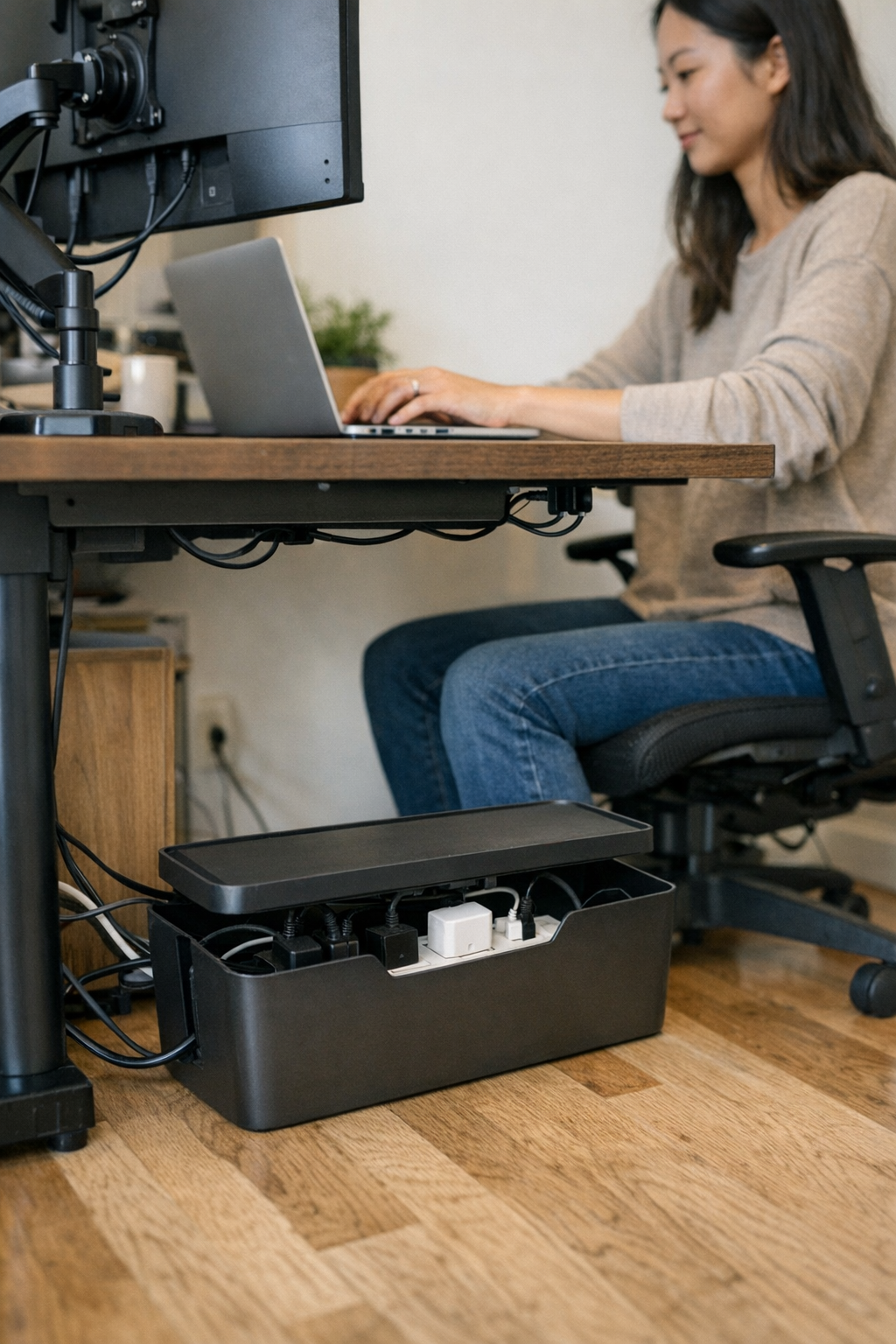
    The turning point came when I introduced a cable box to contain the power strip and the cables. This simple addition transformed my workspace. Instead of wires sprawling on the floor or draping awkwardly from the desk, everything was collected within one neat container. The cables and plugs receded from view and, more importantly, from my feet.

    With the cables contained, the area under my desk opened up. The risk of accidental unplugging diminished to nearly zero. The infamous tangle was gone, replaced with order and simplicity that subtly reshaped how I interacted with my desk space.

    Benefits Beyond Cleanliness

    By midday, I noticed a remarkable difference. I could stretch my legs casually, roll my chair back freely, and move without checking my under-desk space for hazards. The chargers ran quietly in the background, powering my devices with no fuss or interference. This freedom made my workday smoother and less mentally cluttered—the cables were no longer a constant, low-level distraction.

    My lunch break underscored this improvement. Sliding my chair back to stand was effortless, without the usual snag or jolt. The peacefulness was subtle but profound. It was as if a weight had lifted, allowing my workspace to feel more dynamic and less confined. I realized that this simple change supported a more natural and relaxed way of working.

    Refreshing Your Workspace Perspective

    This experience highlights an important shift that many overlooked workspaces can benefit from—rethinking how the invisible elements of our desks affect us physically and mentally. The cable mess was more than just an eyesore; it was a silent barrier dictating how I moved and worked.

    A fresh tip for maintaining this kind of clarity is to periodically reassess the “hidden” parts of your workspace—the areas under the desk, behind screens, and any spaces where cables or accessories reside. By routinely organizing or containing these elements, you allow your work environment to support natural movement and focus, rather than hinder it.

    Visual and Practical Impact

    Visually, the absence of scattered cables immediately lends a tidier and more intentional look to the desk. It sends a message that this space is dedicated to work, not just a catchall for electronics and charging devices. This not only affects how others perceive your workspace but also influences your psychological readiness to work efficiently.

    Practically, the cable box restored valuable under-desk space that was previously unusable or risky for leg movement. No longer having to make mental calculations about how to sit or move reduced fatigue and improved comfort throughout the day.

    Ending the Day with Ease

    When the workday drew to a close, packing up my workstation became quicker and less of a chore. Unlike before, I didn’t need to double-check every cord, disentangle wires before leaving, or awkwardly rearrange cables to make room for my chair. The workspace looked calm and ordered, setting a peaceful tone as the room transitioned from work mode to downtime.

    At night, this contained setup facilitated a seamless transition. I could prepare for the next day without the subconscious dread of dealing with cable chaos. The desk was ready to support—not disrupt—my workflow the following morning.

    Practical Tips for Cable Management Success

    • Invest in a good cable management box: Choose one that fits your power strip and has adequate ventilation for safety.
    • Label your cables: Use simple tags or color codes for easier identification when unplugging or troubleshooting.
    • Routine checks: Make a habit of tidying and adjusting cables once a week to prevent knots and maintain order.
    • Keep excess cable length manageable: Wind extra cable length neatly with cable ties or wraps to prevent tangling.

    Shifting Mindsets Toward Workspace Wellness

    Ultimately, organizing cables isn’t just about aesthetics; it’s about creating a physical environment that enhances productivity and wellbeing. Our workspaces should support movement and focus without constant interruptions from the little things. By paying attention to these underlying factors, like cable clutter, you set the stage for better workdays and healthier habits.

  • When Your Desk Upgrade Quietly Upsets Your Neck and Focus

    Why Monitor Height Matters More Than You Think

    Setting up a workspace often feels like solving a puzzle, especially when trying to find the perfect height for your monitor. When I first placed my monitor on a desk riser, it seemed like the ideal solution to a screen that was too low and a cluttered workspace. The monitor finally aligned with my eye level, tidying up the desk surface by freeing up space underneath. Initially, the cleaner look felt like a win—cables tucked away and a clearer view. But after a few days, it became clear that ergonomic comfort hadn’t improved as much as expected.

    The problem? Even though the screen was physically higher, my posture suffered subtle but important consequences. Raising the monitor without considering how it works with your chair height, keyboard placement, and daily movements can easily backfire. Instead of better posture, I found myself tipping my chin up unnaturally, hiking my shoulders, and leaning forward to access items that now felt awkwardly positioned. The simple act of looking back and forth between my objects of work became a neck strain I hadn’t noticed before.

    How Small Adjustments Add Up in Ergonomics

    It doesn’t take much to turn a desk riser from a support into an obstacle. When your monitor is too high, your neck gets that constant, subtle squeeze as you tilt your head upward for extended periods. You might not realize it immediately, but over an hour or two, discomfort can escalate without you consciously noticing.

    For example, reaching for a notepad or a pen beneath the riser suddenly feels less fluid. Instead of a natural workflow, it becomes a tiny battle of angles—your neck and shoulders must compensate for the distance. This extra effort builds tension, often showing up as stiffness or the urge to stretch or fidget. Even small repeated tensions have the power to sap concentration and sap energy.

    The Real-Life Consequences of Incorrect Monitor Height

    • Neck discomfort: An elevated screen might force your head into a backward tilt, leading to neck tightness and fatigue.
    • Shoulder tension: Adjusting your posture to see the screen often raises your shoulders without you realizing it.
    • Disrupted workflow: Constantly reaching around the riser or repositioning items interrupts your focus and slows productivity.
    • Cable and clutter hassles: Higher monitor placement can make cables vulnerable to being tugged or clutter harder to access.

    Finding the Right Setup: Practical Tips for Healthy Workspace Ergonomics

    When adjusting your monitor height, remember to consider the whole ecosystem: your chair height, keyboard position, desk surface, and how you naturally use your workspace. Here are some practical tips that helped me realign my setup for better comfort and efficiency:

    Tip 1: Align Your Monitor With Your Natural Eye Level

    Instead of simply raising the monitor to a fixed height, try this method: sit in your normal working posture and look straight ahead. The top third of your screen should meet your eye level. This positioning minimizes the need for your neck to tilt excessively upward or downward.

    Tip 2: Adjust Your Chair and Keyboard Position Together

    A common mistake is fixing one element without adjusting the others. If your monitor gets higher, make sure your chair height and keyboard placement match up so your elbows rest comfortably close to your body, avoiding strain. Your shoulders should stay relaxed, not hunched.

    Refresh Tip: Take a Midday Posture Check-In

    One subtle shift that really helped me was adopting a simple midday posture check. Set a reminder or associate it with a regular break—when you normally stand or get coffee—to reset your seating position. Assess how you’re sitting: Are your shoulders tense? Is your head tilted awkwardly? Realigning periodically helps avoid the slow buildup of neck and shoulder discomfort and keeps your posture fresh throughout the day.

    Why Less Is More: Minimal Adjustments Can Make the Biggest Difference

    Lowering the monitor just a few centimeters after noticing discomfort made a huge difference. This wasn’t a rejection of the desk riser but rather a fine-tuning in how it interacted with my body. The difference between a setup that looks good and a setup that feels good can be measured in tiny, sometimes invisible, adjustments.

    Creating a balanced workspace means paying attention to how your body naturally moves and reacts during daily tasks—not just how clean or organized the desk surface appears at a glance. In my case, placing the monitor slightly lower, aligning the screen with my line of sight, and centering it with my chair rather than with the desk middle put everything back into harmony.

    Conclusion: Designing Your Workspace for Long-Term Comfort

    Workspace ergonomics are a continuous process of listening and adjusting. A monitor riser is a useful tool but only if it suits your unique body mechanics and work habits. The key takeaway is that every element—monitor height, chair position, keyboard placement, and even cable management—needs to work in concert. This alignment greatly reduces physical resistance and discomfort during lengthy work sessions.

    If you’re in the process of reconfiguring your workspace, invest time in experimenting with height and position adjustments. Don’t settle for what looks neat initially—focus on what feels sustainable hour after hour. Small ergonomic investments like these pay off in improved comfort, better focus, and less fatigue.

    Remember, the perfect setup for someone else might not be perfect for you. It’s about finding your personalized balance so each move is intentional, natural, and supportive of your workflow.

  • How One Monitor Arm Softened My Workday Without Fuss

    Most mornings, my desk would appear neat enough: a closed laptop from the night before, a notepad placed slightly to the side, and a monitor positioned directly in front of me. That monitor was almost impossible to overlook—it dictated the placement of my keyboard and influenced which hand I reached for my coffee mug with. It even pushed aside small items like a pen that had slipped beneath its edge. Over time, I began to notice an everyday resistance stemming from the monitor’s rigidity; it refused to move, occupying precious desk space and subtly shaping how I worked and how clutter accumulated.

    The Subtle Strain of Fixed Desk Setups

    My home workspace had gradually started to push back against me, mainly because the monitor’s fixed stand kept it anchored right between me and everything else I needed. This positioning locked my arms in place, forced me into a single viewing angle of the screen, and allowed harsh glare from the window to wash over important emails as the sun shifted throughout the day. Adjusting the monitor meant a cumbersome two-handed maneuver, often snagging cables and precariously dangling the power brick over the desk’s edge. That feeling of an uncomfortably close screen each morning made my workspace feel confined—something I had to work around rather than with.

    Introducing Movement: The Impact of a Monitor Arm

    At first, adding a monitor arm seemed unnecessary. However, the moment I set one up, the difference was immediate and remarkable. Elevating the screen freed up fundamental desk space: suddenly, there was room to move the keyboard, align my notebook more naturally, or just breathe without the monitor looming over me. Instead of a static, “one-size-fits-all” placement, I could angle the screen away from unwelcome glare or tilt it upward until reflections faded. The entire desk felt less boxed in and more welcoming.

    This flexibility replaced the habitual desk shuffles I had become accustomed to—no more pushing sticky notes aside or engaging in a tug-of-war with my coffee mug to find a free spot. Most importantly, I could shift the monitor rather than awkwardly adjusting everything else around it. Some mornings, a simple pivot would let me catch softer light or nudge the screen so my wrist aligned better over the keyboard. On video calls, the ability to lift the monitor an inch or two meant I no longer needed to cringe at awkward camera angles that showed a disproportionate amount of ceiling or the top of my head.

    Practical Tips for Optimizing Your Monitor Placement

    • Adjust for glare: Position your monitor so that windows’ glare doesn’t hit the screen directly, reducing eye strain and improving visibility.
    • Align with your line of sight: Ensure the top of the screen is at or just below eye level to promote good posture and reduce neck strain.
    • Use a monitor arm or riser: Adding a monitor arm or riser can free up desk space and offer easier adjustment without disassembling cables.

    Midday Reflections: The Small Changes that Add Up

    By midday, those slight adjustments continued to pay off. The usual office sounds—keyboard clicking, calendar reminders, the whirring laptop fan—grew familiar, but reaching for my notebook was easier than ever. Shifting the monitor aside to clear space for handwriting notes or pulling it forward to focus on a detailed spreadsheet didn’t disrupt the flow, nor did it cause cables to dangle dangerously close to the desk edge.

    Of course, there was the occasional moment when a cable snagged as I swiveled the monitor too far, serving as a reminder that some minor desk frustrations are inevitable. But these small inconveniences felt far less significant than the benefits gained. Overall, the desk’s adaptability reduced tension and made it feel as if it was working with me rather than against me.

    Refreshing Your Workspace Perspective

    One realization that came later in the day was that much of my daily desk clutter stemmed less from disorganization and more from challenges related to movement and reach. When your workspace adapts fluidly to your needs throughout the day, tension naturally eases. Sharpening this perspective can be revitalizing—declutter not just by removing objects, but by improving how the space accommodates your actions.

    Refresh tip: Try changing your monitor’s position at least once during your workday to create a subtle shift in energy and focus. Small adjustments—even a slight tilt or shift to catch different lighting—can reinvigorate your work rhythm and prevent physical fatigue. Integrate movement into your routine by consciously repositioning your workspace every few hours to keep a fresh sense of engagement.

    The Calm of Evening: Wrapping Up the Day

    As evening descends, the changes in lighting and temperature shift the atmosphere around the desk. The sunlight angles differently, warming the edges of the desk mat while part of the screen catches a soft glow. Adjusting the monitor tilt is quick and almost automatic now, making the day’s close more seamless.

    With the monitor raised on an arm, I find it easier to swing it out of the way to clear space for a notebook or even a cooling cup of tea. No longer do I have to clear the entire setup just to reclaim desk space. Instead, a gentle nudge of the monitor arm reveals items that once seemed lost beneath the fixed base and opens up the surface just when the pace slows.

    By the time I finish up for the day—closing down tabs with a few keyboard taps—I swing the screen aside to create open space for tomorrow’s notes or personal projects. This simple routine makes transitioning from work to rest smoother, reinforcing the idea that a flexible workspace supports not just productivity but wellbeing.

    Conclusion: Designing a Workspace that Works with You

    The journey from a rigid, cluttered desk to an adaptive, spacious workspace doesn’t require a complete overhaul. Often, a small but thoughtful shift—like installing a monitor arm—can transform more than just your desk’s layout. It impacts how you sit, how you reach, when you take breaks, and even how you wind down after a long day.

    Investing time in creating a desk setup that flexes with your needs encourages a healthier rhythm and eases the subtle friction everyday desk life frequently causes. By allowing movement rather than imposing fixed positions, your workspace becomes a partner that supports focus, comfort, and creativity throughout the workday and beyond.

  • How Subtle Ceiling Lighting Quietly Transformed Our Living Room Mood

    Transforming Your Living Room with Ceiling Lighting

    Every morning, many of us encounter living spaces that feel static—equipped yet lacking a certain vitality. It’s common to have rooms filled with clean surfaces and neutral light without an inviting or energizing atmosphere. This is usually not due to clutter or poor design but often results from how natural and artificial lighting interact with the room’s architecture.

    Take for example a living room that, despite being neat and orderly, feels paused under old ceiling lights. Light pools in isolated sections while other areas remain dim and uninspired. The ceiling, low and unvaried, limits how light moves around the space, leading to uneven illumination and a sensation that the room isn’t quite awake.

    Why Ceiling Lighting Matters More Than You Think

    Swapping outdated ceiling lights for linear and panel fixtures can dramatically redefine the quality of light and the room’s energy. Unlike a single overhead bulb, these fixtures distribute light evenly across the entire ceiling plane. This eliminates harsh bright spots and continues to provide clear, diffuse light that follows the room’s flow and activities throughout the day.

    One of the immediate practical advantages is removing the intense glare hotspot that can be uncomfortable during activities like reading or working on a laptop. With more uniform lighting, glare reduces substantially, making it easier to interact with devices or read materials without straining your eyes or constantly adjusting your position. This smoother light distribution also softens shadows, helping make the room feel more open and spacious regardless of the sun’s progress across the sky.

    The Psychological Impact of Even Lighting

    Lighting directly influences mood and comfort. Uneven, glaring, or dim lighting can create tension or fatigue without us even realizing it. Well-balanced ceiling lighting provides a stable and gentle environment that allows occupants to move freely without discomfort or distractions caused by poor visibility. It reduces the need for additional lamps or multiple sources, simplifying the room’s layout and giving it a lighter visual footprint.

    Making the Most of Your Lighting Upgrade

    Here are some practical tips to maximize the benefits of improved ceiling lighting in your living area:

    • Integrate dimmer switches: Adjusting light intensity according to the time of day and activity enhances comfort. Bright light supports work or detailed tasks, while softer lighting suits relaxation or watching television.
    • Consider fixture placement: Arrange linear or panel lights to follow the longest axis of the room. This helps the light cover more surface evenly and supports the natural flow through the space.
    • Balance natural and artificial light: Use window treatments like sheers or adjustable blinds to moderate sunlight, preventing harsh contrast between daylight and ceiling light.

    Freshen Your Space: A Subtle Lighting Perspective Shift

    When redesigning your lighting, consider shifting the focus from how bright the light is to where and how it lands. Instead of aiming for maximum illumination, think about the mood you want to foster and how the light interacts with surfaces, colors, and daily routines. For example, a uniform ambient layer paired with targeted task lighting balances function and atmosphere without overwhelming the senses.

    Try moving houseplants or artwork into areas where the new lighting creates gentle highlights rather than spotlight glare. This subtle refresh can change your perception of the room and encourage a renewed appreciation for everyday surroundings.

    Lighting and Everyday Life: Enhancing Functionality and Comfort

    Beyond aesthetics, thoughtful ceiling lighting improves safety and utility. Well-lit staircases and hallways prevent trips, while glare-free kitchens make food prep less tiring. Even small details like clearly visible keys, shoes, or mail on a table become easier to manage, contributing to a sense of control and calm in your home environment.

    In the evening, diffuse lighting prevents eye strain when shifting from screen use to conversation or reading. Instead of harsh brilliance or fluctuating shadows, the room transitions smoothly into night mode. The whole space supports relaxation and winding down, rather than demanding attention or adjustment.

    Conclusion: Lighting as the Foundation of a Living Space

    In sum, upgrading your ceiling lighting is about more than brightness or style—it’s a change that quietly supports every moment spent in the room. From the first morning light to late-night routines, the right fixtures can enhance the flow, comfort, and safety of your living environment.

    Over time, these improvements become so natural they fade into the background, letting you focus on the people and activities that truly matter. The living room becomes not just a room to occupy, but a dynamic part of your daily rhythm.

  • How Two Minutes in Your Closet Quietly Shape Your Day

    On chilly mornings, standing barefoot on cold hardwood floors, the simple act of choosing an outfit can spark a subtle hesitation. It’s rarely about the availability of clothes but more about that fleeting doubt—wondering if the right item is just out of sight, or if getting to it will cost precious time. Even within an orderly modular closet system, this daily ritual can feel slightly off-kilter as you search, reach, and sometimes double back.

    These moments underscore the importance of well-designed modular shelving systems, which have the potential to transform frantic morning routines into fluid, efficient actions. When organized thoughtfully, a modular closet can be more than just storage; it becomes a trusted partner in your daily rhythm.

    The Morning Closet Experience: Invitation vs. Tollbooth

    One of the first things you notice upon opening your closet in the early morning is whether it feels inviting or obstructive. The quiet of a well-organized space can provide calm before the day begins, while a cluttered or cramped closet can act as a barrier. Key to this is the physical setup—smoothly sliding hangers on a neatly spaced rod invite you in, while overcrowded hangers force finger wrestling over your favorite shirt.

    Modular shelving offers incredible flexibility here. Being able to adjust the position of shelves or swap out storage cubes means you can customize your closet layout over time, adapting it as your wardrobe or habits change. For example, having dedicated open cubbies for frequently used items—like scarves or shoes—while using closed drawers for less urgent belongings can create a clear mental and physical map within your closet. This makes decision-making faster and reduces that morning hesitation.

    How Flexible Shelf Arrangement Enhances Flow

    Imagine pulling out a drawer to find your favorite belt but suddenly feeling the entire unit wobble. Even tiny frustrations like this break your seamless routine, forcing you to pause and fix the problem. On the flip side, adjustable shelf heights mean you can fit shoes without squashing them or slide in a tidy basket for chargers and keys.

    When shelves or modules are spaced thoughtfully, each action feels natural: reaching, grabbing, closing. This invisibility of motion is the hallmark of effective design. You can reduce time spent rifling through clutter and instead focus on selecting your outfit and stepping confidently into the day.

    Practical Tips for Optimizing Your Modular Closet

    1. Prioritize Accessibility by Frequency

    Keep items you use daily—shirts, shoes, charging cables—in the easiest-to-reach spots. Consider placing open shelves or cubbies at eye level or lower where you can see everything at a glance without extra effort. Store seasonal or rarely used garments in higher or less accessible places.

    2. Regularly Adjust and Reassess

    Your needs evolve, so should your closet. Use modular shelving’s flexibility to rearrange compartments every few months. It’s worth loosening brackets, moving shelves, or relocating drawers to maintain a layout that reflects your current routine.

    3. Create Visual Contrast Between Open and Closed Storage

    Open shelves highlight essentials and invite use, while closed drawers conceal clutter. Balancing these helps you to maintain order and focus on what is needed most immediately.

    A Refresh Tip: Step Back and Reimagine

    When morning routines feel sluggish despite a modular system, try this subtle but powerful shift: take a few minutes one weekend morning to inventory your closet items. Remove anything that no longer fits your current lifestyle or style, and rearrange the shelves not just for convenience but to inspire. Sometimes, a fresh layout fosters renewed energy, helping your closet become not just functional but a motivating space.

    How a Well-Organized Closet Impacts Your Day

    The benefits of a thoughtfully arranged modular closet extend beyond the door’s edge. When your morning rituals flow smoothly, you gain a few extra relaxed moments—maybe for coffee or quiet reflection—which can ripple across your entire day. Conversely, stumbling over a disorganized unit or misplacing a belt drawer introduces tension early on.

    By managing your closet environment purposefully, you transform it from a static storage area into an active participant in your daily life. The difference between a stressful start and an inviting beginning often comes down to these small, deliberate design choices.

    Ultimately, an organized closet is less about perfection and more about harmony—between your belongings, your space, and your routines. Modular shelving systems are a valuable tool toward achieving that balance, offering adaptability that grows with you.

  • How Modular Storage Quietly Eases Your Evening Routine

    After a long day, walking into my living room often meant confronting familiar piles—a half-read book left open, a tangled phone charger draped over the side table, neatly folded towels resting awkwardly on the armrest. These small clusters of items seemed harmless but added up to a subtle clutter that weighed on my mind more than I realized.

    The Subtle Stress of Everyday Clutter

    Clutter isn’t always about overwhelming messes. It often takes the form of everyday objects scattered in places they don’t quite belong. Those tiny moments of searching for the remote under a cushion or rerouting a charger cord create small mental frictions that compound at day’s end.

    To address this, I turned to modular storage solutions designed for flexibility—adjustable shelving units, stackable drawers, and bins that could be moved or reconfigured with ease. The goal was not only to tidy the visible space but also to reduce the mental load of constant tidying and searching. It was about creating a living room environment that supports calm and order, rather than stirring a constant background noise of unattended tasks.

    What Modular Storage Brings to the Table

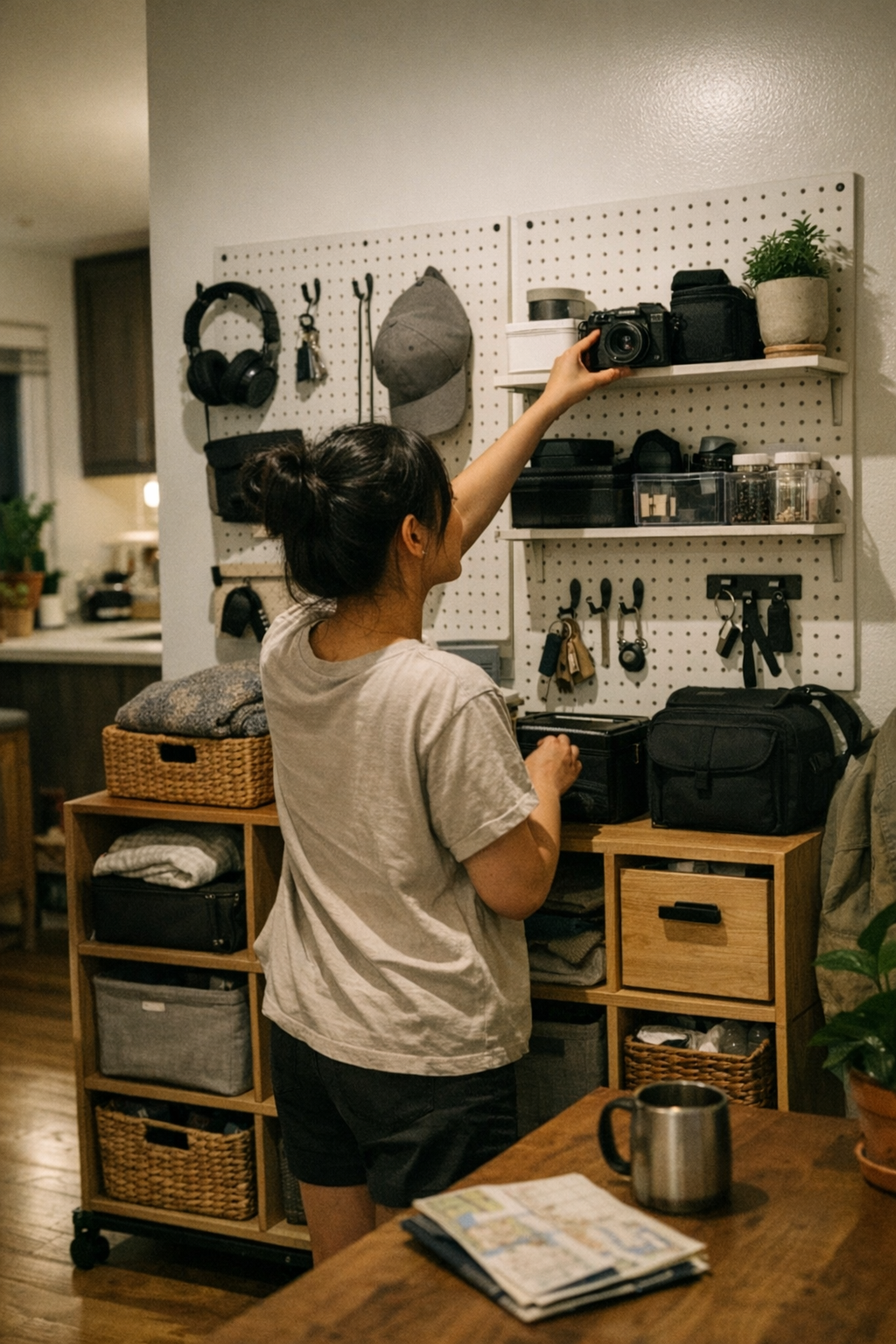
    Modular units let you assign specific spots for frequently used items—blankets, remotes, hand towels, chargers—and adjust each section as your needs evolve. Adjustable shelves can be raised or lowered, drawers can slide out smoothly, and baskets can be swapped between compartments. This adaptiveness provides a tangible, tactile way to manage clutter.

    When everything fits just right—the blanket basket at arm’s reach, the chargers tucked away but accessible—the room feels intentionally organized. This subtle harmony between form and function reduces the friction of daily activities. Yet it is not a perfect system. Overloading shelves can cause sagging, drawers sometimes stick, and open compartments can invite more clutter rather than tame it.

    The Balance Between Open and Closed Storage

    One challenge with modular shelving is deciding how much to keep open versus concealed. Open shelves showcase baskets and bins, making it easy to see what’s inside, which encourages regular use and easier reorganization. However, they can also become visual dumping grounds where out-of-place items accumulate.

    Closed drawers or bins quiet the space visually but risk hiding things away until they’re forgotten—out of sight, out of mind. The trick is to find a balance that suits your rhythm. Too many open modules may invite clutter; too many closed bins may foster neglect.

    Small Setbacks and Practical Maintenance

    In practice, modular furniture demands some upkeep. For instance, I noticed the center shelf on my unit began to sag slightly after prolonged use, causing game controllers and other small gadgets to slide into a tangle. The fix wasn’t complicated—I tightened the shelf supports and readjusted the trays. These minor maintenance tasks are reminders that modular setups are living systems, requiring periodic attention rather than static fixtures.

    Similarly, drawers sometimes require a gentle nudge or a light clean to keep sliding smoothly. These minute frictions are more apparent on busier days or when heavier items are stored. Keeping load limits in mind is important for preserving the integrity and functionality of the system.

    Habit and Flow: The Human Factor

    Storage solutions are only as effective as the habits they support. Over time, I found that even with good storage options, visual clutter creeps back if modules become catch-alls for miscellaneous items I haven’t yet sorted. The key was making small but consistent effort to return items to their proper spots—not necessarily a one-time purge but an ongoing gentle reset.

    Before dinner, the habitual glint of bins and organized stacks cues my attention to the places clutter tends to settle. This makes me more mindful about which items truly belong or need relocating.

    Refresh Tip: Create a “Reset Moment” Each Evening

    Try setting aside just five minutes each evening to perform a quick ‘reset’ of your living space. Use this time to slide baskets back in, fold any stray blankets, charge devices in designated spots, and ensure towels or other textiles are placed neatly. This short ritual can reduce the mental load before bedtime and make waking up to a calm space more achievable.

    This simple practice helps transform storage from a passive feature to an active, supportive part of daily living.

    Living With Flexibility

    What stands out most is how modular furniture embodies flexibility—not only physically but mentally. You can move bins around, reconfigure shelves, and adapt the system as your lifestyle shifts. This flexibility means the storage grows with you, accommodating seasonal changes, evolving routines, and shifting priorities.

    Though modular units require a bit more care than fixed cabinetry, they provide a satisfying sense of control and involvement in your space. As the room resets night after night, the cumulative effect is an environment that invites calm, reduces decision fatigue, and reflects intentional living.

    Practical Tips for Maximizing Modular Storage in Your Living Room

    • Keep loads reasonable: Avoid overfilling shelves or drawers to prevent sagging and sticking. Rotate heavier items to sturdier furniture if possible.
    • Categorize items: Group similar objects together with well-labeled bins or baskets to ease retrieval and putting away.
    • Mix open and closed storage: Use open modules for items you use daily and closed drawers for those that aren’t visually pleasing or frequently accessed.
    • Regularly reassess: Schedule weekly or monthly check-ins to reorganize or declutter to prevent catch-all surfaces from growing.
    • Create a reset ritual: Build a short daily habit of tidying shared living spaces to maintain calm and order as the baseline.

    With just a little attention and the right storage approach, your living room can become a place where both the physical space and your mind feel lighter at the end of each day.

  • How Giving Up Control Helped My Room Find Its Calm

    Embracing the Subtle Art of Modular Storage

    The gentle click of a shelf snapping into place often goes unnoticed, but it marks a small victory in the constant battle against household clutter. Living with a modular storage cabinet means engaging daily with the ebb and flow of objects—from tangled cords and scattered mail to sweaters that claim the armchair as their own. These storage systems offer a promise: adaptability and quiet order amid the chaos.

    Modular storage is designed to be flexible. You can snap in shelves, reposition dividers, and rearrange drawers to accommodate what you actually have, rather than forcing items into fixed spaces. This flexibility can greatly reduce visual noise, helping towels, gadgets, and other everyday items finally find “homes” where they are hidden from sight but remain easily accessible. However, the success of this organization hinges on thoughtful arrangement and regular adjustment.

    The Daily Life of a Modular Storage System

    In the calm of morning, a well-organized cabinet looks pristine. Drawers glide smoothly, shelves hold their weight, and clutter seems contained. But as the day progresses, small shifts happen: bottles tip just enough to nudge each other, papers slip sideways, and bins start to overflow. By evening, the system that promised neatness can feel fragile and crowded.

    It’s not uncommon to find that despite your best intentions, storage compartments become jammed with items that don’t quite fit, or a hastily snapped-in divider fails to stay put. These moments are subtle but important: when a shelf wobbles under too much weight or a drawer gets stuck, it’s a sign that the system’s design no longer matches your daily use.

    Finding Balance Between Function and Form

    One of the keys to making modular storage truly effective is listening to how your routine interacts with the space. It’s easy to set up shelves and bins according to category or size, but the real test comes in actual use. Do you frequently grab the same items? Are there things that never seem to find their place and get shuffled somewhere else?

    Adjusting the system might involve raising a shelf to fit taller bottles, sliding out a bin for commonly misplaced remotes, or redistributing heavier items to lower compartments to prevent sagging. This simple alignment between storage design and everyday habits ensures the system supports your lifestyle instead of fighting it.

    Actionable Tip: Regularly Reassess and Adjust

    Set a recurring reminder—monthly or bi-monthly—to review your modular storage layout. During this quick session, check for any shelves that feel overloaded, drawers that stick, or items that have accumulated in spots they shouldn’t be. Move or remove components as needed. This habitual recalibration keeps your storage working smoothly and prevents fatigue from creeping in.

    When Clutter Creeps Back: Spotting and Fixing Weak Points

    There’s a quiet moment that every modular storage user knows: reaching for an item and feeling the shelf wobble precariously or a drawer resist as you try to open it. These signs indicate an imbalance—often from overstuffing or parts not clicked in properly.

    Recognizing these vulnerabilities early prevents a mess cascading onto the floor and protects the built-in harmony of your space. It’s also a reminder that the goal isn’t perfect containment but rather a system that flexes and adapts without failing under daily use.

    Actionable Tip: Redistribute Weight Smartly

    Identify the heaviest items in your storage and place them in the lowest, sturdiest compartments. Keep lighter or more fragile materials in higher sections. This weight distribution reduces strain on shelves and dividers and maintains structural integrity over time.

    Refresh Your Perspective: Letting Storage Reflect Actual Use

    When a storage system feels at odds with your life, it’s tempting to try to force things back into place, hiding mess behind closed doors or behind meticulously aligned bins. A crucial refresh tip is to shift from imposing order to reflecting your actual habits. This subtle change of perspective involves accommodating the natural flow of your belongings rather than enforcing arbitrary tidiness.

    For instance, instead of cramming a seldom-used item into an awkward spot, give it a dedicated, albeit less visible, space. Make frequently used things easy to grab, even if it means a slightly less perfect visual alignment. This approach allows your storage to breathe with the rhythm of your day, transforming it from a static container into a dynamic, supportive element of your home.

    Lasting Calm Comes With Open Space

    Ultimately, the sense of calm that modular storage brings comes not just from what’s inside the cabinets but also from the space around them—the open floor, unobstructed surfaces, and uncluttered sightlines. A few visible elements, like a cozy rug or a clean countertop, signal that the room is balanced and lived in, not overrun.

    Creating and maintaining this environment is an ongoing process of thoughtful tweaking. Each click of a shelf or drawer being repositioned is a step toward that quiet, easy atmosphere where the household feels organized yet unforced, tidy yet welcoming.