
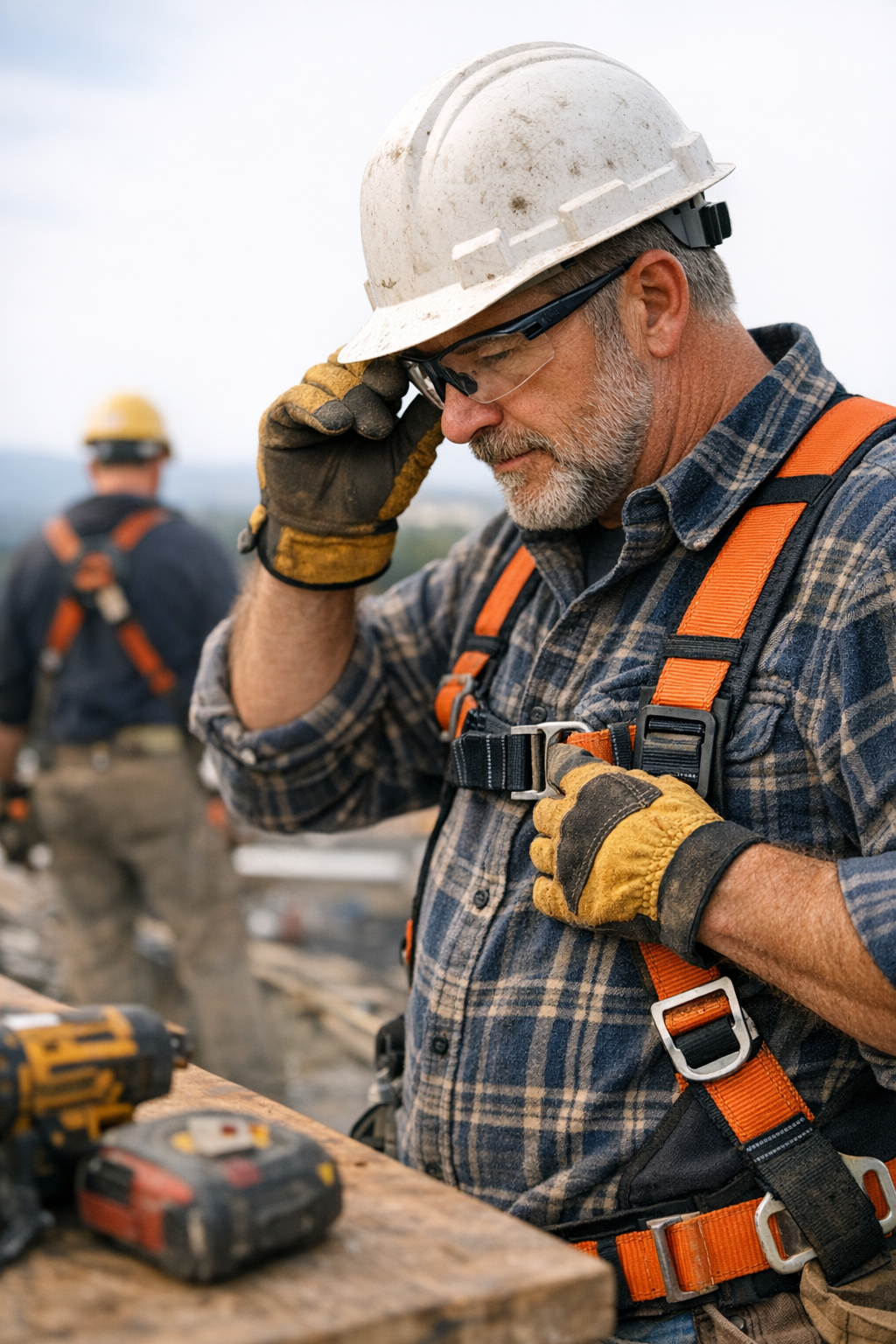
Why Every Seasoned Professional Double-Checks Their Safety Gear
Walk onto any construction site or into a busy workshop, and you’ll quickly notice the difference between the seasoned professionals and those less experienced. The pros maintain a calm confidence that comes not just from skill but from cultivating the right mindset around safety—especially the habit of diligently checking their safety gear before every task.
At first glance, wearing safety gear might seem straightforward: put on your glasses, gloves, harness, or mask, and get to work. But safety professionals know the difference lies not just in wearing the gear but in taking the few extra moments to ensure it’s fitted correctly, intact, and ready to perform exactly as designed.
The Cost of Complacency on Job Sites
It’s easy to slip into a false sense of security after years on the job, especially when performing familiar tasks. However, many accidents happen during those brief moments when safety checks are skipped, often because the task feels “quick” or “routine.” These small lapses can have big consequences.
Safety equipment isn’t just a legal formality—it’s a vital line of defense against unpredictable risks. Without thorough checks, gear that appears functional may fail when you need it most.
The Mindset That Sets Pros Apart
What truly distinguishes experienced workers is their mindset towards safety. They acknowledge that protective equipment can degrade over time or be misapplied. Straps may loosen, lenses can crack, and seals on respiratory masks might fail. Early disregard for these details invites serious injuries.
Understanding the Technical Standards and What They Mean for You
Professional safety equipment complies with rigorous standards, such as ANSI Z87.1 for safety glasses and EN 361 for full-body harnesses. For example, ANSI Z87.1 glasses must withstand the impact of a 6.35mm steel ball dropped from 1.27 meters—think of a heavy metal chip ricocheting unexpectedly.
However, a certification only ensures protection if the equipment is in good condition and worn properly. A tiny crack in a lens or a loose buckle on a harness can completely negate certified protection, turning standard gear into a liability.
Practical Gear-Checking Tips Every Worker Should Know
Harnesses: Fit Is Everything
A properly adjusted harness distributes the forces during a fall primarily through the thigh and sub-pelvic straps, reducing strain on shoulders. If it’s slack, these straps can shift dangerously, causing serious injury. A simple test is to check whether you can fit a flat hand between the strap and your leg—if you can, it’s probably too loose. Tighten until snug but comfortable.
Gloves: Check for Tears and Wear
Regularly examine your gloves for small tears, thinning material, or worn seams. Any compromise can allow splinters, shards, or hot materials to penetrate, putting your hands at risk.
Safety Glasses: Look and Feel
Run your finger along the edges of your glasses to detect cracks or chips. Even tiny imperfections can fail under impact, allowing debris to reach your eyes.
Hearing Protection: Effective Seals Matter
Ensure earplugs or earmuffs seal properly. An incomplete seal dramatically reduces noise reduction, leaving your hearing exposed to harmful levels during long shifts.
Respiratory Masks: The Proper Fit Test
A simple fit test involves covering the mask with your hands and exhaling. No air should leak out around the edges. Only then can a mask filter at the specified levels, such as N95’s 95% particle filtration efficiency.
A Real-Life Lesson: Why Rushing Safety Checks Can Cost You
Consider the story of a welder with over 20 years of incident-free experience who once skipped a goggle inspection during a quick repair. He missed a hairline crack in the lens, which shattered when a hot spark impacted it, causing a minor burn beside his eye. The incident was a stark reminder: every rush, every skipped check, invites risk.
An Actionable Habit: The Top-to-Toes Physical Check
Before picking up any tool, establish a routine to physically engage with each piece of your protective gear. Don’t just glance at your safety glasses—slide your finger over them. Don’t just look at your gloves—give them a tug. Snap your harness buckles firmly into place. Fit your mask and confirm its seal. This tactile check only takes seconds but reinforces safety as a physical habit rather than a mental afterthought.
Refresh Tip: Reboot Your Routine with a Safety Buddy System
Sometimes, routines become automatic to the point of mindlessness. To keep your safety checks sharp and avoid complacency, team up with a coworker for cross-inspections. Having someone else confirm your gear’s condition reinvigorates the process and helps catch oversights you might miss. This small adjustment boosts accountability and keeps safety front and center.
The Consequences of Improper Gear Use: A Roofing Crew Story
In one roofing scenario, a worker hurriedly secured his harness too loosely before climbing. When he slipped and fell, the loose harness caused dangerous pressure to concentrate on his thighs and lower abdomen. He was suspended for several minutes, suffering numbness that required medical attention and kept him off work for days. The incident transformed what could have been a minor accident into a serious injury—all because of improper fit.
Discipline—Not Luck—Keeps You Safe
Ultimately, the difference between a learner and a master is discipline. Double-checking your safety gear may seem basic, but it’s the solid foundation upon which advanced skills and site safety rest. Developing it into a non-negotiable habit reduces the chance of preventable accidents.
Adopt a mindset where your gear gets as much respect as your tools and craft. The minute you start rushing or skipping checks is the moment danger creeps in. Staying consistent ensures you’ll almost never have regrets about overlooked protection.