
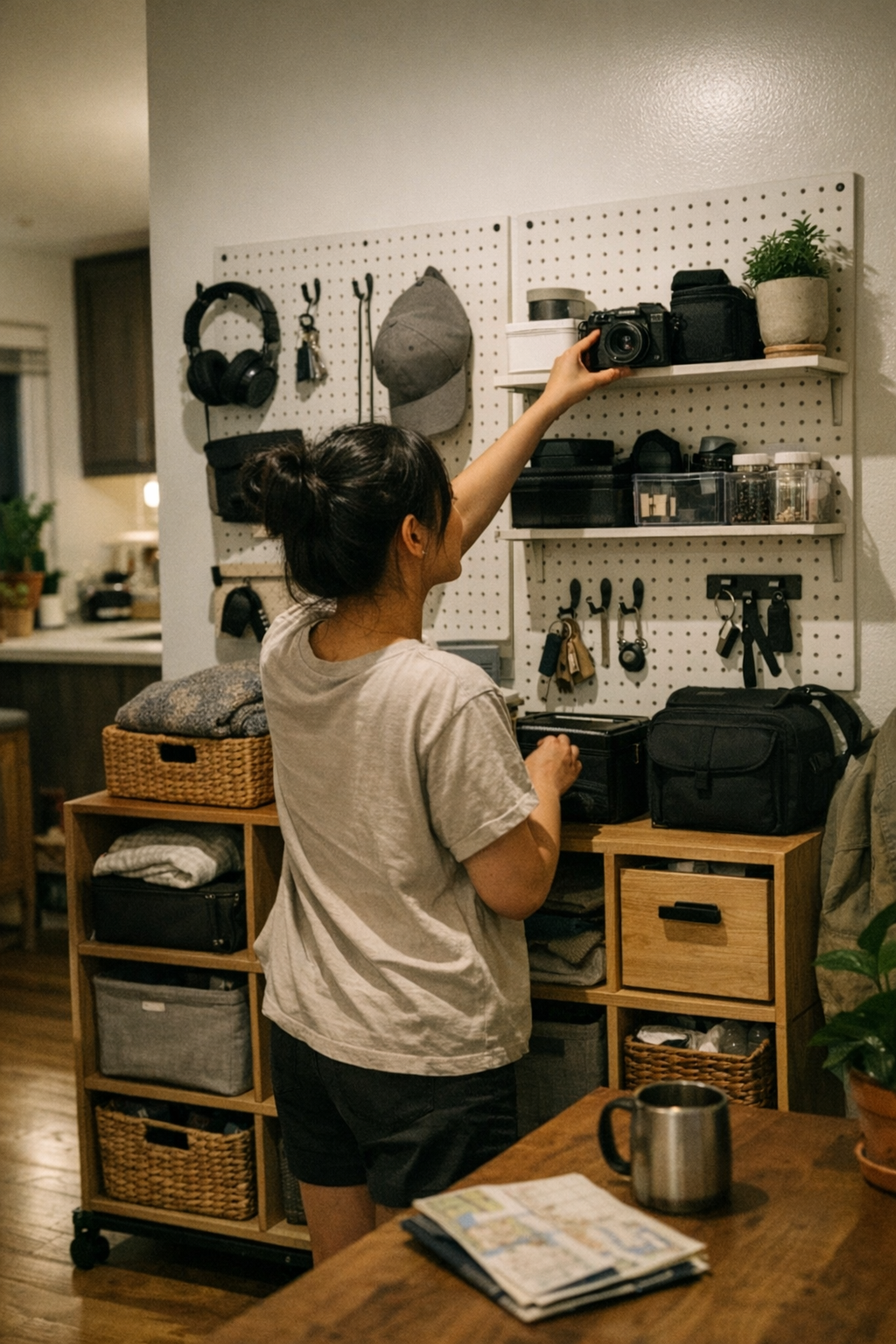
After a long day, walking into my living room often meant confronting familiar piles—a half-read book left open, a tangled phone charger draped over the side table, neatly folded towels resting awkwardly on the armrest. These small clusters of items seemed harmless but added up to a subtle clutter that weighed on my mind more than I realized.
The Subtle Stress of Everyday Clutter
Clutter isn’t always about overwhelming messes. It often takes the form of everyday objects scattered in places they don’t quite belong. Those tiny moments of searching for the remote under a cushion or rerouting a charger cord create small mental frictions that compound at day’s end.
To address this, I turned to modular storage solutions designed for flexibility—adjustable shelving units, stackable drawers, and bins that could be moved or reconfigured with ease. The goal was not only to tidy the visible space but also to reduce the mental load of constant tidying and searching. It was about creating a living room environment that supports calm and order, rather than stirring a constant background noise of unattended tasks.
What Modular Storage Brings to the Table
Modular units let you assign specific spots for frequently used items—blankets, remotes, hand towels, chargers—and adjust each section as your needs evolve. Adjustable shelves can be raised or lowered, drawers can slide out smoothly, and baskets can be swapped between compartments. This adaptiveness provides a tangible, tactile way to manage clutter.
When everything fits just right—the blanket basket at arm’s reach, the chargers tucked away but accessible—the room feels intentionally organized. This subtle harmony between form and function reduces the friction of daily activities. Yet it is not a perfect system. Overloading shelves can cause sagging, drawers sometimes stick, and open compartments can invite more clutter rather than tame it.
The Balance Between Open and Closed Storage
One challenge with modular shelving is deciding how much to keep open versus concealed. Open shelves showcase baskets and bins, making it easy to see what’s inside, which encourages regular use and easier reorganization. However, they can also become visual dumping grounds where out-of-place items accumulate.
Closed drawers or bins quiet the space visually but risk hiding things away until they’re forgotten—out of sight, out of mind. The trick is to find a balance that suits your rhythm. Too many open modules may invite clutter; too many closed bins may foster neglect.
Small Setbacks and Practical Maintenance
In practice, modular furniture demands some upkeep. For instance, I noticed the center shelf on my unit began to sag slightly after prolonged use, causing game controllers and other small gadgets to slide into a tangle. The fix wasn’t complicated—I tightened the shelf supports and readjusted the trays. These minor maintenance tasks are reminders that modular setups are living systems, requiring periodic attention rather than static fixtures.
Similarly, drawers sometimes require a gentle nudge or a light clean to keep sliding smoothly. These minute frictions are more apparent on busier days or when heavier items are stored. Keeping load limits in mind is important for preserving the integrity and functionality of the system.
Habit and Flow: The Human Factor
Storage solutions are only as effective as the habits they support. Over time, I found that even with good storage options, visual clutter creeps back if modules become catch-alls for miscellaneous items I haven’t yet sorted. The key was making small but consistent effort to return items to their proper spots—not necessarily a one-time purge but an ongoing gentle reset.
Before dinner, the habitual glint of bins and organized stacks cues my attention to the places clutter tends to settle. This makes me more mindful about which items truly belong or need relocating.
Refresh Tip: Create a “Reset Moment” Each Evening
Try setting aside just five minutes each evening to perform a quick ‘reset’ of your living space. Use this time to slide baskets back in, fold any stray blankets, charge devices in designated spots, and ensure towels or other textiles are placed neatly. This short ritual can reduce the mental load before bedtime and make waking up to a calm space more achievable.
This simple practice helps transform storage from a passive feature to an active, supportive part of daily living.
Living With Flexibility
What stands out most is how modular furniture embodies flexibility—not only physically but mentally. You can move bins around, reconfigure shelves, and adapt the system as your lifestyle shifts. This flexibility means the storage grows with you, accommodating seasonal changes, evolving routines, and shifting priorities.
Though modular units require a bit more care than fixed cabinetry, they provide a satisfying sense of control and involvement in your space. As the room resets night after night, the cumulative effect is an environment that invites calm, reduces decision fatigue, and reflects intentional living.
Practical Tips for Maximizing Modular Storage in Your Living Room
- Keep loads reasonable: Avoid overfilling shelves or drawers to prevent sagging and sticking. Rotate heavier items to sturdier furniture if possible.
- Categorize items: Group similar objects together with well-labeled bins or baskets to ease retrieval and putting away.
- Mix open and closed storage: Use open modules for items you use daily and closed drawers for those that aren’t visually pleasing or frequently accessed.
- Regularly reassess: Schedule weekly or monthly check-ins to reorganize or declutter to prevent catch-all surfaces from growing.
- Create a reset ritual: Build a short daily habit of tidying shared living spaces to maintain calm and order as the baseline.
With just a little attention and the right storage approach, your living room can become a place where both the physical space and your mind feel lighter at the end of each day.