
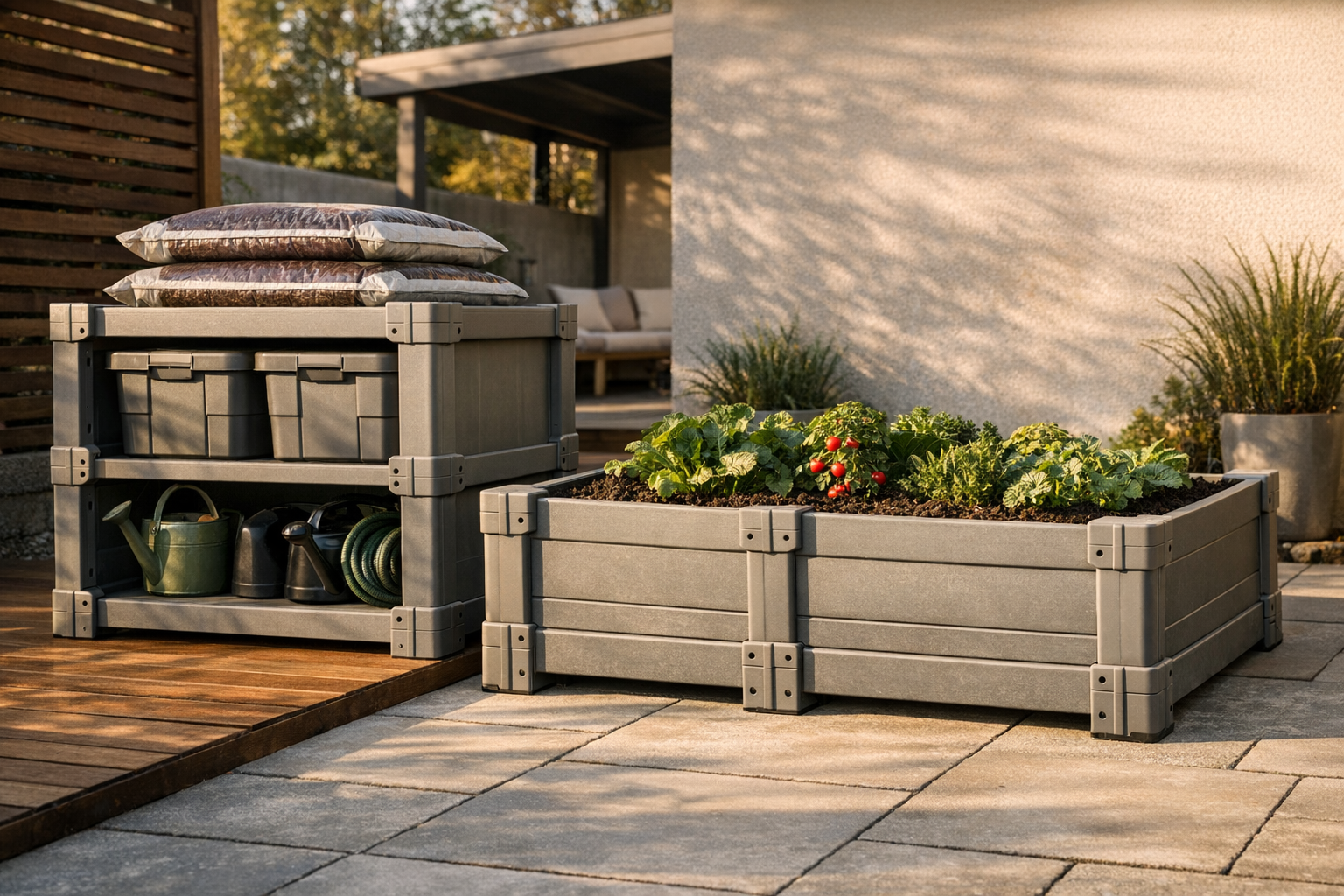
Some days, no matter how diligently you sweep your porch or neatly stack firewood, the air feels heavy and tense—like an invisible resistance that clings to the space around you. I remember one chilly March morning when, before even stepping fully into the shed, I stubbed my toe on a bin that had slipped into the walkway. It was a stubborn reminder that the things blocking your path often weigh more than what they contain.
Why Keeping a Clear Walkway Matters in Yard and Shed Storage
In any yard or shed storage system, ease of movement is paramount. The ability to shift and access items without obstruction ensures day-to-day tasks feel manageable rather than frustrating. When bins or storage units intrude into walkways, they create bottlenecks that slow down your rhythm and add unnecessary tension to simple routines.
Most storage pieces offer modularity—adjustable shelves, movable bins, adaptable sizing—that can accommodate changing seasons and shifting priorities. However, this flexibility means little if the walkway remains blocked. Clear aisles and open paths invite smooth, uninterrupted access to tools, soil, and miscellanea essential to yard work.
Recognizing the Barriers: Common Causes of Shed Clutter
On a recent weekday, I noticed how a bulging bin wedged near the shed door disrupted everything. Its presence nudged a hose reel out of alignment, forced a leaning broom to precariously lean further into the path, and cramped the space so tightly that reaching for the garden kneeler or gloves became awkward. Week after week, small inefficiencies and shifts accumulate to jam that darling little workspace.
Often, the root cause is seasonal overflow—fertilizer bags ballooning at seams, soggy gloves draped over container edges, or tools that don’t quite fit the allocated cubes. Even when you think you’ve solved the puzzle by repositioning shelves or snapping modules together more securely, the balance can feel off before you even open the door.
Addressing Imbalances Before They Grow
The key to managing shed dynamics is vigilance and proactive rearrangement. When a bin starts to push into the walkway, it sends a warning sign: the current layout no longer fits your usage patterns. It might be time to drop shelves down a notch, move bins deeper toward the back wall, or swap bulky items into more appropriate containers.
Practical Tips for Optimizing Your Shed Storage
1. Prioritize Frequently Used Items
Ensure that your go-to tools are easily accessible at knee height or just below. Avoid placing them on high shelves or crammed under less-used items. This strategy saves time and encourages tidiness because you’re more likely to put things back correctly when you can reach them comfortably.
2. Modular Configurations Are Your Friend
Use modular storage units that allow for quick adjustment without tools. Being able to lower or raise shelves, or reposition bins, tailors the shed’s layout to the current season’s demands. Seasonal items, such as winter gloves or summer sprayers, can be rotated in and out to avoid clutter accumulation.
3. Create Clear, Wide Aisles
Though it might mean sacrificing some storage density, a clear path reduces frustration and physical strain. When bins roll smoothly on their wheels and fit snugly within their slots, you preserve not only functionality but also a sense of order and calm.
Refreshing Your Perspective: The Power of a Deep Declutter
Sometimes the energy within a shed or storage area doesn’t just come from the objects themselves but from how you perceive and interact with the space. Taking a fresh look—removing everything from the bined corners, sorting through tools, discarding unusable items, and wiping down shelves—can shift your mindset dramatically.
This “reset” not only frees space but reorients your habits toward maintenance and appreciation rather than avoidance. After a thorough reconfiguration, sliding a bin into place with a clean, satisfying click feels like restoring harmony to the heart of your yard.
Final Thoughts: Your Shed as a Dynamic, Liveable Workspace
Your yard’s storage system is never truly finished; it’s a living arrangement that reflects changing needs, weather conditions, and personal routines. The moment your walkway is clear and storage units slide open and closed without resistance, a weight lifts from daily tasks.
Even as clutter waits patiently in the wings, the cleared and efficient shed invites you to step inside with confidence—boots lined up under racks, tools within easy reach, and the door closing with quiet contentment.
By accepting that organization is ongoing and embracing flexible, practical solutions, you transform your outdoor storage into a space that supports rather than frustrates your gardening and yard care rituals.