
When Temporary Clutter Becomes a Quiet Habit
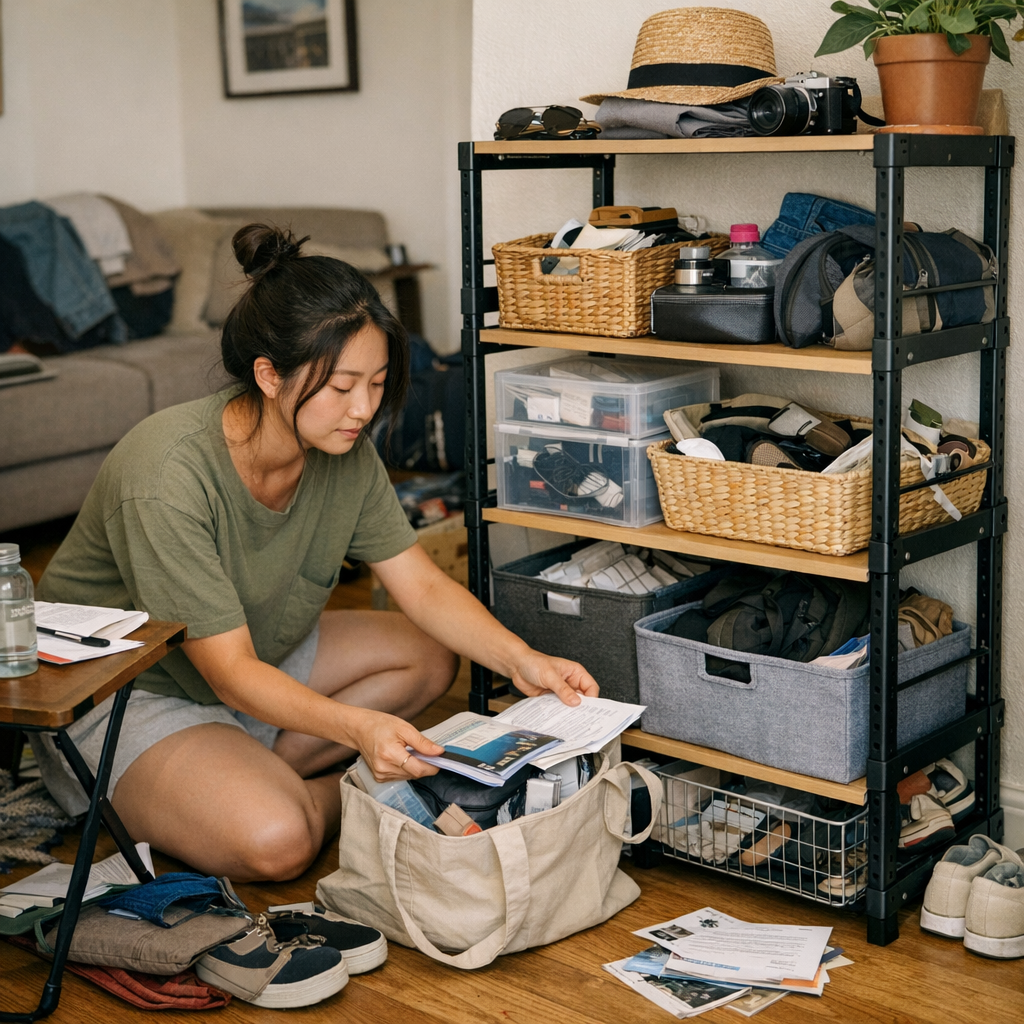
Clutter has a way of creeping in, often disguised as “temporary.” Maybe it’s a tote bag set down for a moment, the rain jacket hung just inside the door, or a storage bin meant for donations but quickly repurposed. What starts as a brief pause frequently settles into a pattern: the “just for now” becomes a habitual resting place for everyday things.
This phenomenon is all too familiar. You start the day intending to tidy quickly, but the sheer momentum of busyness shifts those plans. Items land wherever there’s space—not because it’s ideal, but because it’s easier than moving them immediately to their true home. Over time, those “temporary” zones expand unnoticed, morphing into semi-permanent clutter hotspots around the house.
The Quiet Build-Up in Everyday Spaces
The front closet often becomes a perfect example of this slow takeover. Coats overlap with fabric cubes that gobble up scarves and gloves, while rain boots engage in a constant rivalry with running shoes for floor space. Drawers groan under the weight of miscellany, occasionally sticking when opened—small warning signs of the creeping disorder.
Clear bins intended for seasonal donations quickly morph into catchalls for mail, reusable bags, or unfinished projects. Baskets once reserved for winter accessories become overstuffed with receipts and cards, blurring the line between organization and clutter. A jammed umbrella, a bag of dry cleaning, and piles of everyday essentials reveal the invisible gravity pulling “temporary” things toward permanence.
Action Tip: Designate Single-Purpose Drop Zones
To prevent this accumulation, create dedicated—and clearly defined—drop zones for frequently used items. Instead of letting items migrate to multiple spots, assign one reachable basket or shelf for each category: mail, bags, or outerwear. This focused approach helps keep “temporary” from spreading, encourages consistent habits, and makes it easier to know where everything belongs.
Midday Insights and Small Interruptions
Even the best intentions can get derailed during the day. Whether it’s a text message, a timer beep, or just the demands of daily living, interruptions mean shelving or only partially completing organizing tasks. For example, raising a shelf to fit cereal boxes might get paused midway, leaving the whole setup slightly unstable and visually off balance.
Moments like these highlight a subtle truth: often, we’re not asking where things should go but testing how far we can stretch our energy until we stop. This threshold determines how clutter settles, how order yields to convenience, and how today’s quick fix can become tomorrow’s hassle.
Refresh Tip: Shift Perspective with Micro-Tidying
Rather than aiming for perfect organization in a single session, consider micro-tidying bursts throughout the day. Even 5-minute resets—like realigning a shelf, tightening a loose screw, or straightening a basket—can ease the tension in your spaces. These small adjustments refresh your environment without overwhelming your schedule or motivation.
Living with a System That Evolves
Modular and expandable storage solutions bring valuable flexibility. An expandable shoe rack or adjustable shelves can be recalibrated as needs change, helping prevent frustration and the inertia that makes clutter stick around. Fixing loose connectors or repositioning hooks means less hassle and keeps your system responsive and user-friendly.
Yet even with flexible systems, perfection isn’t the goal. Drawers might still jam occasionally, piles may form, and shoes can stil stray. What matters is creating a rhythm that invites order most of the time, while accepting natural moments of disorder without panic.
Small Shifts, Big Impact
Simple moves can open up surprisingly generous space. Adding a wire basket to a utility rack to catch stray scarves, consolidating cleaning supplies into one stackable container, or lowering a shelf by a few inches to fit bins more comfortably often makes the difference between chaos and calm.
Equally important are accessible hooks for daily bags, low racks for shoes, or designated areas for umbrellas and hats. These accessible, inviting spots encourage items to return to their place. Though not every single thing finds its home immediately, the pull of these little landing zones keeps the rhythm moving.
Embracing the Flow of “Just Enough” Order
The lived-in home isn’t sterile or perfectly polished; it’s familiar, warm, and functional. Pet hair drifts in the soft lamp glow, books await attention, and the gentle hum of daily life carries on. Systems that balance flexibility with intention allow space for tomorrow’s mess while keeping enough order to find the door unblocked.
In the end, clutter isn’t always about what we own, but how we relate to it day to day. Making space for small habits, tweakable systems, and gentle resets fosters a home that supports life’s ebb and flow without feeling like a battleground.
For more ideas on organizing with modular convenience and adaptable storage solutions, explore categories focused on these practical systems.