
There’s a unique sense of stillness and anticipation that comes with stepping outside first thing in the morning, especially when dew clings to the back step. Bare feet brushing over concrete paths that you poured yourself days ago, imperfect yet persistent, set the tone for a day of working with the earth and the light. That central path, though slightly bowed, stands firm as a guiding line through the overgrown edges and modular beds—an anchor amidst organic chaos.
Establishing a Functional Garden Space
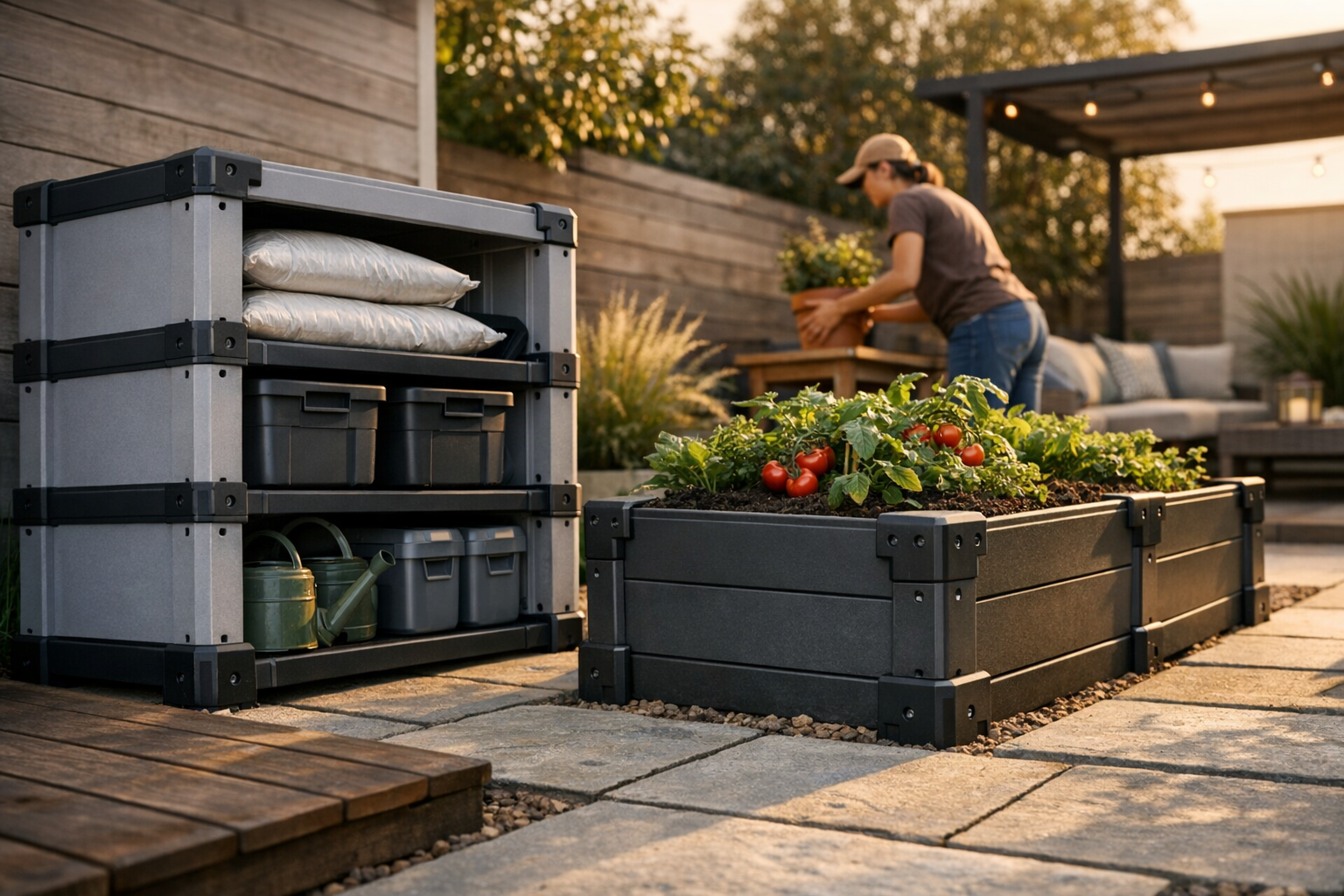
What starts as a simple concrete walkway evolves into much more than just a place to step. It’s the backbone of your outdoor workspace. It keeps your boots dry and your movements purposeful. Around it, the modular garden beds rise with their soil also touched by your hands, while name tags, tools, and watering cans find homes in thoughtfully arranged bins and shelves.
One of the keystones of creating a functional garden space is finding a place for everything. That narrow cabinet with a crisp click, a hook sturdy enough for hoses and shears, and bins that catch gloves and loose plant tags all contribute more than just neatness. They enable a rhythm, a flow where tools return to their spots naturally and the morning starts without awkward scrambles or soggy surprises.
The Importance of Anchored Order
Tidiness in the yard isn’t about sterile perfection; it’s about adjustments that respect daily realities. For example, the garden hose might look like it’s seen better days, but adding a simple hook to keep it coiled off the ground transforms it from tripping hazard to reliable tool. The difference is subtle but profound—no more cold, damp socks from unnoticed puddles, and fewer moments lost to frustration.
Consistency in maintenance is key. Schedules blur outdoors; tasks overlap like natural threads in a fabric that’s lived-in but cared for. Whether it’s refilling the birdbath, chasing the neighbor’s cat from the kale, or answering the occasional phone call, having a dedicated space for tools and supplies makes every chore less chaotic and more manageable.
Practical Tips for Daily Garden Maintenance
- Keep tools visible and accessible: Store frequently used garden shears, gloves, and watering cans where you can easily see them to encourage prompt return after use.
- Use modular storage systems: Modular beds and rolling carts keep planting organized and mobile, letting you adapt to seasonal needs and weather conditions.
- Designate a “catchall” station: Reserve a cool metal shelf or a corner bin for items you’re carrying but cannot put away instantly—this prevents clutter from spreading.
- Manage hoses wisely: Employ strong hooks or reels to keep hoses off the ground, reducing wear and preventing accidents.
Refresh Tip: Embrace the Daily Reset
One change that can shift your gardening experience is to treat the end of each session as a gentle reset rather than a chore. Before heading indoors, take a moment to walk the path, pick up stray tools, coil hoses neatly, and sweep away debris. This small act primes the space for the next visit, smoothing transition and preserving a low-stress flow. It can also turn the pause into a meditative practice, connecting you more deeply with the rhythms of your garden.
Observing the Yard’s Quiet Rhythm
As the afternoon settles, the yard softens under a mellow sun. Tomato plants lean heavily on their supports, bees and butterflies flit with undeniable entitlement, and familiar animal visitors patrol with unhurried grace. Amid this, the soundscape transforms—the faint rustle of drying leaves, tools softly clinking on the bench, and distant everyday noises blend into comforting company.
Wrapping up your work by sliding garden clippers into their designated bin or arranging rolling carts under the porch’s overhang cultivates a meaningful end to the day’s labor. It’s neither grand nor rushed, but it sustains the system you’ve built: one based on habit, respect for the tools, and attention to the space’s evolving needs.
The Unsung Joy of Repetition and Rhythm
Organizing your yard isn’t about creating a museum of perfection; it’s about forming a living, breathing environment that reflects your daily presence and care. When you return time and again—repeating routines and noticing small adjustments—the space unfolds into a partner rather than a problem. Hooks, bins, garden beds, and carts aren’t just objects; they’re signposts, companions, and echoes of past days’ work.
Every evening, as the porch light casts a warm glow over the tidy path and tools rest in their corners, there’s a quiet reassurance. The next morning, the kettle will boil without delay, and the day will begin on steady ground. That’s the real win: a space prepared to meet you when you’re ready, steady and welcoming.