
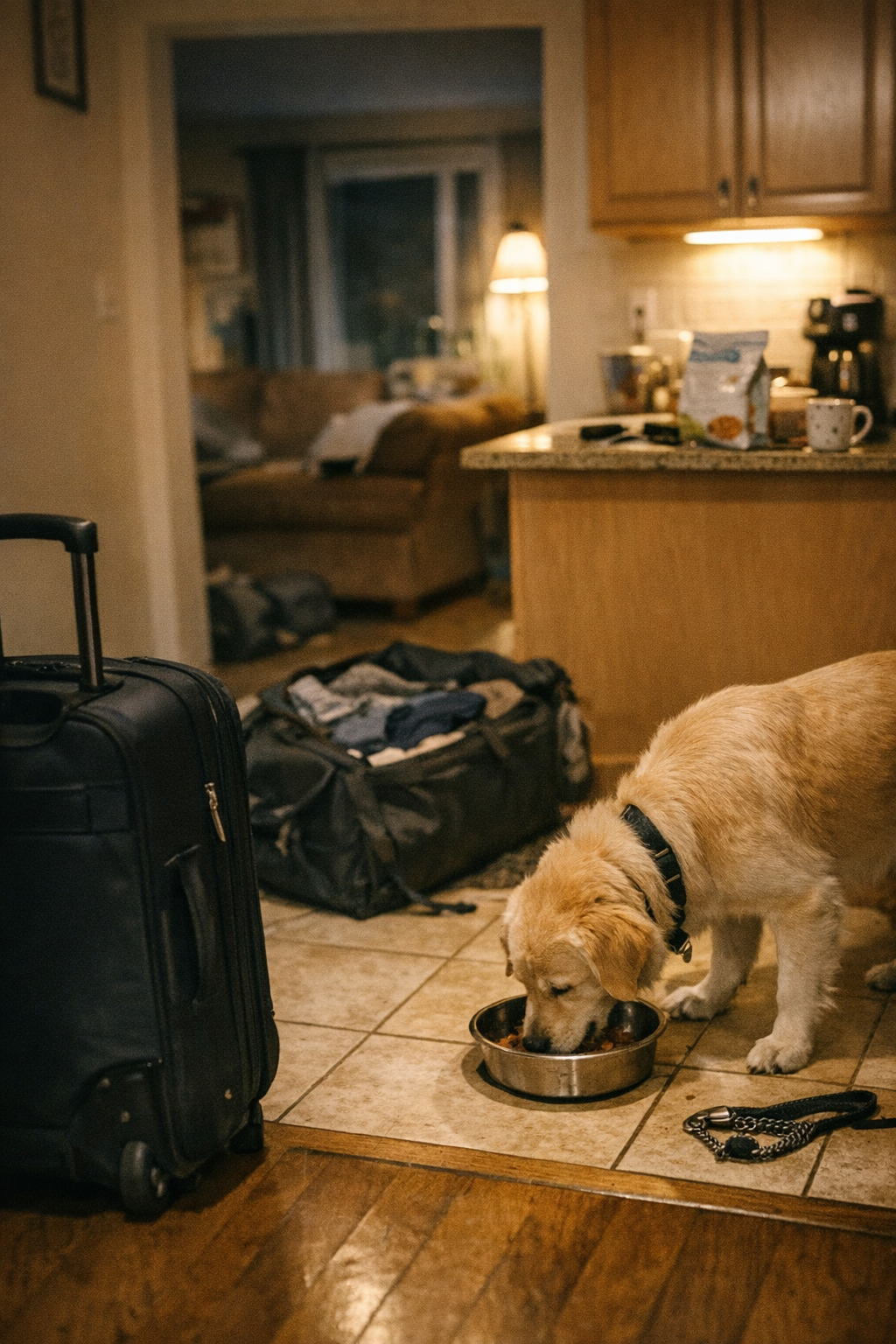
Traveling often begins long before stepping onto a plane or hitting the road; it starts in the quiet routines and little rituals we create to prepare. When traveling with a dog, these rituals take on a special significance, forming a bridge of comfort and familiarity amidst the uncertainty of new places.
Preparing for the Journey Together
The moments before leaving are marked by familiar, almost subconscious gestures. For many, those last checks—locking doors, plugging in devices, repacking a forgotten charger—are paired with preparing your pet’s necessities. Measuring out food, refilling the water bowl, or giving your dog a few affectionate pats can become calming, grounding activities. Dogs are keen observers of routine, and this predictability helps ease their anxieties as well as your own.
When traveling with pets, packing should include not only the essentials but also items that carry familiar scents—an old shirt, a favorite blanket, or a toy can bring comfort to your dog in unfamiliar surroundings. These small touches can transform a carrier or hotel room into a haven, providing respite from the newness and unpredictability of travel.
Essential Packing Tips for Pet Owners
- Documentation: Ensure you have the necessary health certificates, vaccination records, and identification for your pet readily accessible.
- Comfort Items: Bring favorite toys, blankets, and any calming aids recommended by your vet.
- Food and Water: Pack enough pet food for the entire trip plus extra, and carry a water bottle and bowl to keep your pet hydrated on the go.
- Cleaning Supplies: Prepare for accidents with waste bags, paper towels, and cleaning wipes.
- Travel Carrier: Choose one suitable for your pet’s size and comfort, and help them practice using it before travel.
Maintaining Calm Routines During the Trip
At the heart of traveling peacefully with a pet is establishing a calm, stable environment. Airports and other transit points can often feel hectic and overwhelming, but sticking to familiar rhythms helps ground your dog and reduces stress. Whether it’s sitting quietly under your seat during a flight or taking a few minutes at a rest stop to share calm strokes or reassurance, these pauses create moments of connection in the midst of bustle.
During delays or long waits, try to maintain your pet’s regular feeding and walking schedule as much as possible. Even brief walks, stretches, or quiet playtime can offer physical release and mental distraction from the unfamiliar. Additionally, observing and matching your dog’s energy—remaining calm and composed—can subtly reassure your pet that all is well.
Tip: Creating a Restful Travel Space
When at the gate or waiting area, make your pet’s space as inviting as possible. Placing a familiar blanket or a piece of your clothing in their carrier or resting area envelops them with reassuring scents of home. If your dog is prone to anxiety, consider using non-intrusive calming products like pheromone sprays or pressure wraps, but consult your vet beforehand.
Embracing the Journey and the Arrival
Travel inevitably brings change—new environments, smells, sounds, and rhythms. Instead of resisting these shifts, embracing them through gentle exploration can ease both your and your pet’s adjustment. After settling into your arrival destination, taking a slow walk around the neighborhood or nearby park helps your dog reacquaint with new scents and sounds, diffusing tension and sparking curiosity.
Pay attention to your dog’s response; a relaxed body and wagging tail signal comfort, while restlessness or avoidance may mean more time or gentle encouragement is needed. Sharing these quiet discoveries strengthens your bond and enriches the travel experience beyond mere transit.
Tip: Refresh Your Perspective Amidst Transitions
Travel can be mentally and physically exhausting. When feeling overwhelmed, try shifting your focus from the logistics to the small moments of connection with your pet—watching them settle contentedly or trail their nose through fresh grass. A mindful breath, a soft voice, and acknowledging these moments can refresh your energy and soften the stress that accompanies change.
Settling Back In: Returning Home with New Stories
Returning home after travel can sometimes feel oddly unfamiliar. Your pet may explore the space anew, sniffing corners and assessing what’s changed. This re-acclimation phase is as important as the journey itself. Give your dog time and space to reacquaint with their territory, reaffirming a sense of safety and routine.
Maintaining simple routines—regular walks, mealtimes, and play—helps restore normalcy. Also, consider incorporating any positive discoveries from the trip into your routines, such as new walking routes or calming techniques you found effective. Each trip enriches your shared experience and adds a layer of resilience, reinforcing that even in unfamiliar places, you and your pet navigate challenges together.
Final Thoughts
Traveling with pets can be a transformative experience filled with moments of calm, curiosity, and close companionship. It requires attention to detail, patience, and a willingness to adapt routines without losing the steady anchors that provide comfort. Through preparation, maintaining calm, thoughtful exploration, and reentry rituals, both you and your pet can turn travel into a rich, rewarding adventure rather than a source of stress.