
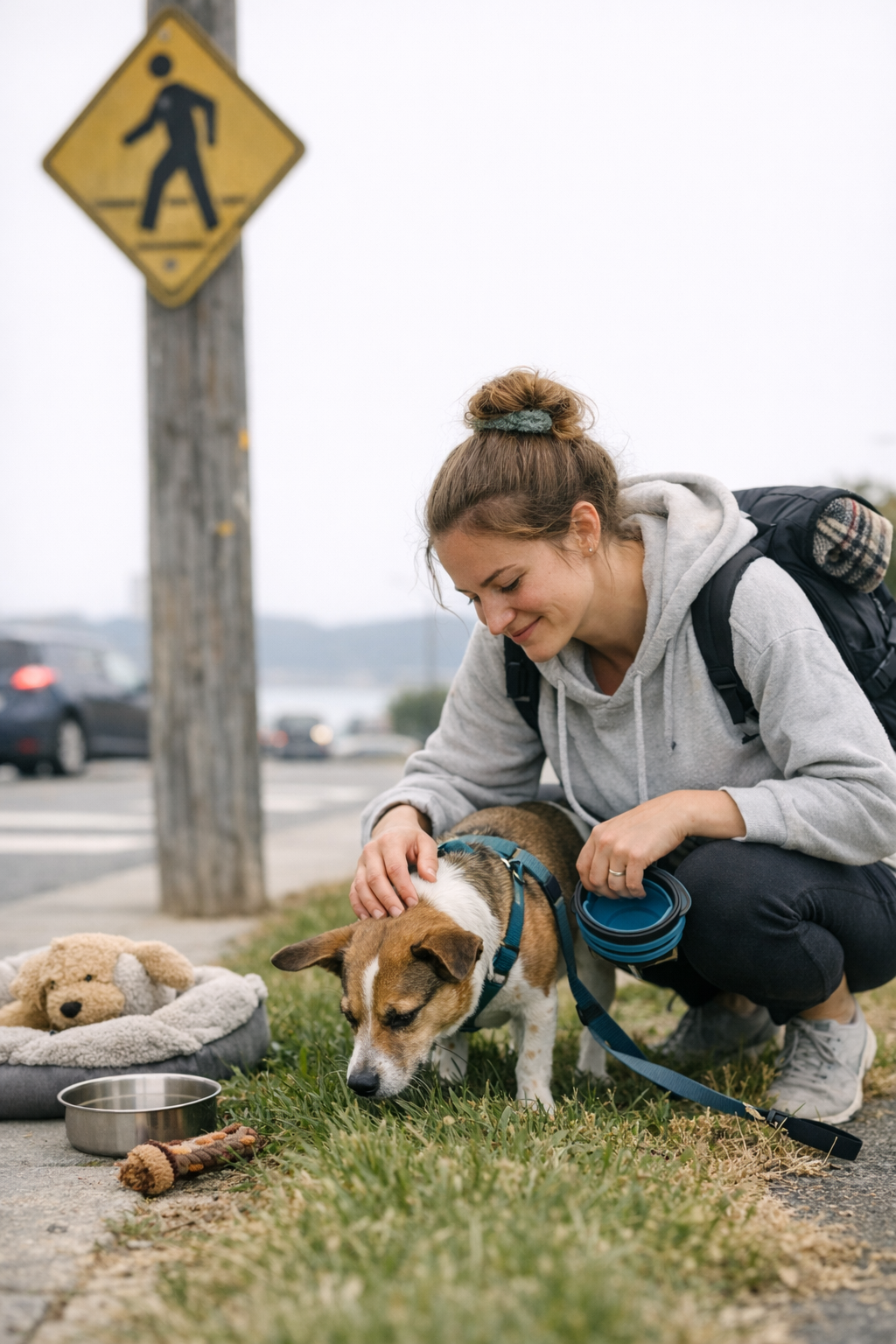
Traveling with your dog often rewrites our usual rhythms. Take the night before a trip, for example. The ritual of packing shifts as you gather not only clothes and essentials but also the familiar comforts that anchor your pet. You find yourself folding shirts again and again, your dog watching intently, sensing the change, a little anxious but curious about what comes next. It’s remarkable how pets can perceive the subtle signals of travel—how the sight of a carrier or the feel of a leash can stir in them an intricate mix of anticipation and patience.
When you finally tuck their cherished blanket, favorite toy, and leash together into the carrier, your dog often settles quickly, nestling into this space like a cozy island amid upheaval. This small pocket of stability can calm both pet and owner, weaving a thread of home into the unknown. The smells and textures within that carrier become familiar ground amid the unfamiliar noises and spaces they will soon encounter.
Preparing for the Journey: Practical Tips
The morning of departure brings a unique sort of buzz—the quiet tension of checklists and last-minute preparations paired with the comforting routine of breakfast and morning coffee. At this stage, double-check essentials like your pet’s water supply, food, and medication, as well as important documents such as vaccination records or health certificates required for travel. Keep these items in an easily accessible place to avoid scrambling at the airport or train station.
Remember to include familiar comforts: a favorite blanket or pillow, a beloved toy, or a piece of clothing with your scent to soothe your pet during travel. These items provide a sense of security and can reduce anxiety significantly.
Amid the Airport Hustle
Airports are sensory overload—not just for humans but for dogs as well. The metallic scent near security lines, the cacophony of rolling luggage, and distant announcements can be overwhelming. Here, it pays to be prepared with a comfortable, well-ventilated carrier and an understanding of airport pet policies to streamline the process. Offering your dog quiet moments—like a water break near a calm fountain or a moment by a window—helps manage stress and keeps them grounded.
Finding quiet spaces to pause can transform your dog’s perceptions of travel from bewildering to tolerable, if not pleasant. Take advantage of pet relief areas often located beyond security, or seek out less crowded seating sections where your dog can observe the world without being swept up in its hectic pace.
Traveling Slowly: Letting Your Dog Set the Pace
With your pet along, travel transcends a simple point-to-point movement. Your furry companion’s natural curiosity encourages you to slow down, to stop frequently, and to pay closer attention to small details—patches of grass, new smells, the way the light falls on city streets. These pauses aren’t delays but valuable moments that deepen the experience of travel, offering an opportunity to connect, reflect, and recalibrate.
This slower rhythm can be a refreshing shift from the usual hustle: instead of rushing between landmarks or jam-packed schedules, you move in tune with your dog’s pace, noticing the subtle changes in environment and ambiance. This mindful travel approach allows you to soak in the present with greater awareness and ease.
Refresh Tip: Embrace Micro-Adventures
Try spotting “micro-adventures” during your journey—small explorations that aren’t found on the typical itinerary but arise naturally from your dog’s curiosity. It might be a quiet park bench overlooked by tourists, a shady patch beneath a tree perfect for a break, or an intriguing scent trail that leads you down an unscheduled path. These moments often become the most memorable parts of a trip and restore your energy by breaking monotony.
Settling In: Creating Comfort Away from Home
Arriving at your destination brings new challenges and opportunities. After the noise of transit, your dog’s first steps on unfamiliar ground may be tentative; their sniffing a way to map the territory and establish safety. Allow time for these exploratory pauses and refrain from rushing the familiar routines of feeding, walking, and resting.
In your hotel or accommodation, recreate a little home environment by unpacking your dog’s blanket and toys in a quiet corner. Maintaining consistency in mealtime and bedtime routines helps your pet feel secure and supports better rest after active days.
Maintaining Calm Routines
Sticking to calm, familiar rituals while traveling reduces stress for pets and owners alike. Whether it’s a pre-walk stretch, a favorite bedtime ritual, or a particular way you arrange your pet’s gear, these comforting habits anchor your dog’s sense of normalcy amid change.
For longer stays, exploring your surroundings alongside your dog at a gentle pace often reveals hidden gems and creates enjoyable shared memories. Keep mindful of your dog’s cues for rest or play to optimize both your experiences.
Returning Home: Closing the Loop
The journey doesn’t end on arrival back home. The process of re-establishing routines is as important as the trip itself. Your dog may need time to decompress from the sensory input of travel. Maintain familiar feeding schedules and playtime to ease the transition. Sometimes a walk in the backyard or a familiar park can help ground both pet and owner after the whirlwind of new environments.
Ultimately, traveling with your dog invites a richer, more textured experience—a shared exploration shaped by mutual trust and attention to pace. By thoughtfully preparing and embracing the natural rhythm your pet sets, you transform travel from a logistical challenge into a meaningful journey.
For more insights on traveling with pets, including packing advice and tips for managing calm routines, check out additional resources that explore how to make every trip smooth and enjoyable for you and your furry companions.