
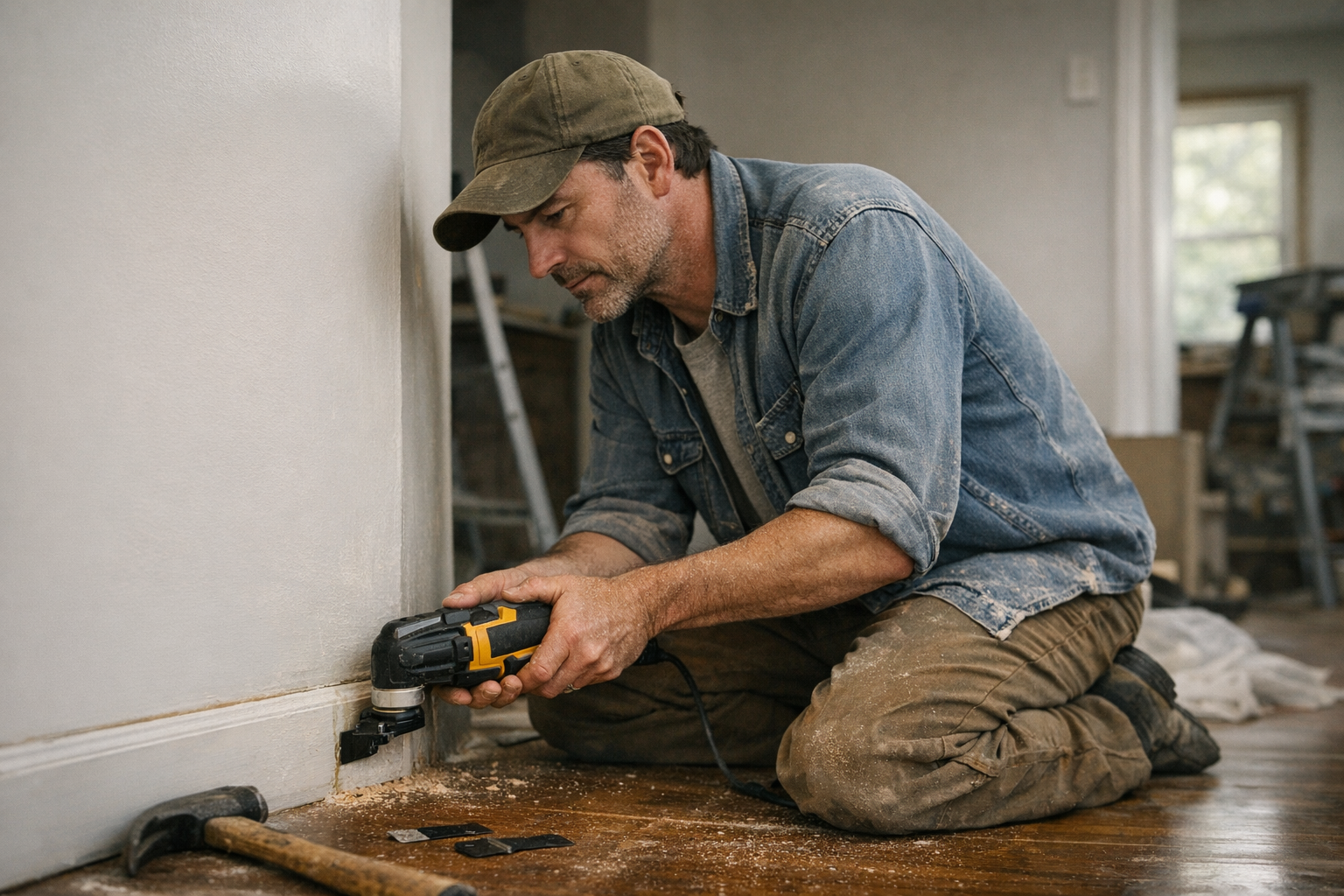
There’s something uniquely satisfying about slicing through stubborn trim or making a precise plunge cut with an oscillating multi-tool. Its versatility and precision make it a favorite in any renovation or repair arsenal. Yet, a common frustration many users face is the rapid dulling of their blades—often after just a few cuts. This not only interrupts workflow but also adds unexpected costs and aggravation.
Understanding why your oscillating blades wear out quickly is the first step toward smarter usage and longer-lasting performance. Let’s dive into the causes and explore practical ways to extend blade life without sacrificing efficiency.
Why Do Oscillating Blades Wear Out So Fast?
It’s rarely a single cause. More often, several factors combine to shorten a blade’s lifespan.
1. Using the Wrong Blade for the Material
Each oscillating blade is designed with a specific material in mind. Wood blades typically have 6–8 teeth per inch (TPI) and are made from high-carbon steel (HCS), optimized for clean cuts in wood and soft materials. However, using these on metal trim or embedded nails accelerates dulling.
For metal—especially nails, screws, or non-ferrous metals—bi-metal blades with finer teeth (10–14 TPI) are ideal. Tile and grout require blades with carbide or diamond grit edges. Mismatching blades and materials causes rapid wear and poor cutting performance.
2. Heat Build-Up from Excessive Friction
Oscillating tools operate at high oscillations per minute (OPM), often between 18,000 and 22,000. Pushing too hard, pausing too long, or plowing through a cut without adequate movement generates heat due to friction. This heat softens the blade’s cutting edge (especially HCS blades) and quickly reduces sharpness.
3. Improper Technique and Excessive Force
It’s common to want to muscle through cuts as if using a reciprocating saw. However, pushing hard doesn’t speed things up; it bends or chips the blade’s teeth and generates damaging heat. The key is to let the oscillation and blade design do the work rather than forcing progress.
4. Blade Quality and Thickness
Not all blades are manufactured to the same standard. Inexpensive blades often use inferior materials, imperfect welds for tooth sections, or are too thick (a large kerf), resulting in rough cuts and faster dulling. Investing in better-quality blades pays off, but even premium blades dull without proper care.
Adapting Your Approach: Technique Matters
One of the most overlooked factors in blade longevity is how the tool is handled during cuts. I once thought blade wear was just inevitable until I observed a tradesperson working more deliberately. Instead of aggressive force, they applied gentle, consistent pressure and allowed the tool to oscillate freely. As a result, their blades lasted well beyond expectations.
Practical Tip: Reduce pressure and focus on controlled, steady movements. Let your arm act as a flexible guide instead of a rigid lever. Resist gripping the handle too tightly or forcing the blade through the material.
For plunge cuts, starting at a 10–20° angle rather than plunging straight in helps the cutting teeth engage progressively. This reduces friction spikes and heat buildup, ultimately preserving the blade edge.
Refresh Tip: Shift Your Mindset to Precision over Power
It’s natural to associate power tools with brute force. But oscillating tools thrive when you give them a measured, purposeful touch. Instead of thinking, “How fast can I push through?” try asking, “How can I maintain control and consistency?” This subtle change in mindset often leads to better results and longer blade life.
Key Practices to Extend Blade Life
Building on technique, here are practical adjustments that consistently yield longer-lasting blades:
- Match Blade and Material: Always choose the appropriate blade type and TPI. Bi-metal blades for metal, carbide for tile and grout, and HCS for wood.
- Control Speed: Use lower oscillation speeds for tough materials (10,000–15,000 OPM). High speeds can overheat and dull blades faster.
- Cut in Short Bursts: Instead of continuous cuts over 30–60 seconds, alternate cutting and resting. This cools the blade and prevents heat damage.
- Angle Your Cuts: Start cuts at an angle to engage teeth progressively, reducing surface contact and friction.
- Keep Blades Clean: Adhesives, paint, and dust build up on blades, increasing friction and heat. Periodically wipe blades clean with a rag or tap off debris between cuts.
- Rotate Blades for Different Tasks: Mark blades for specific uses like demolition or fine finish work to preserve them longer.
Understanding Blade Quality and Specifications
Quality matters, but it’s not just about price. Look for blades with consistent manufacturing standards: good welds, proper thickness, and materials suited for your key projects.
For detailed work, thinner blades (less than 1mm kerf) provide better control and clean cuts. For demolition or aggressive cutting, thicker blades tolerate rough use but may heat up faster.
Reading reviews and user experiences can save money and frustration. Many users report blades losing teeth rapidly after hitting nails on cheap blades despite manufacturer claims.
A Case Study in Efficiency
During a recent window renovation, I faced trimming out old window moldings filled with nails. My first blade became dull within minutes. Instead of swapping repeatedly, I switched to a bi-metal blade, dialed down the tool speed to roughly 12,000 OPM, and cut in short bursts under 20 seconds each, cleaning debris regularly. That approach allowed me to finish three windows with a single blade, a clear win in time and money saved.
Final Thoughts: Small Changes, Big Impact
Prolonging oscillating blade life boils down to combining smart blade selection, appropriate speed, and gentle, controlled handling. Instead of forcing cuts, be deliberate—allow the blade to work at its own pace. Regular cleaning and rotation between blades based on task further stretch their usefulness.
Blade-Life Extension Tip: When possible, let blades cool between cutting sessions. On site, a quick dip in water or a blast of compressed air removes debris and dissipates heat, helping blades last longer during intense workflow.
Next time you prepare for a project, consider these tweaks. Not only will your blades stay sharper longer, but you’ll likely find your work smoother and more satisfying.