
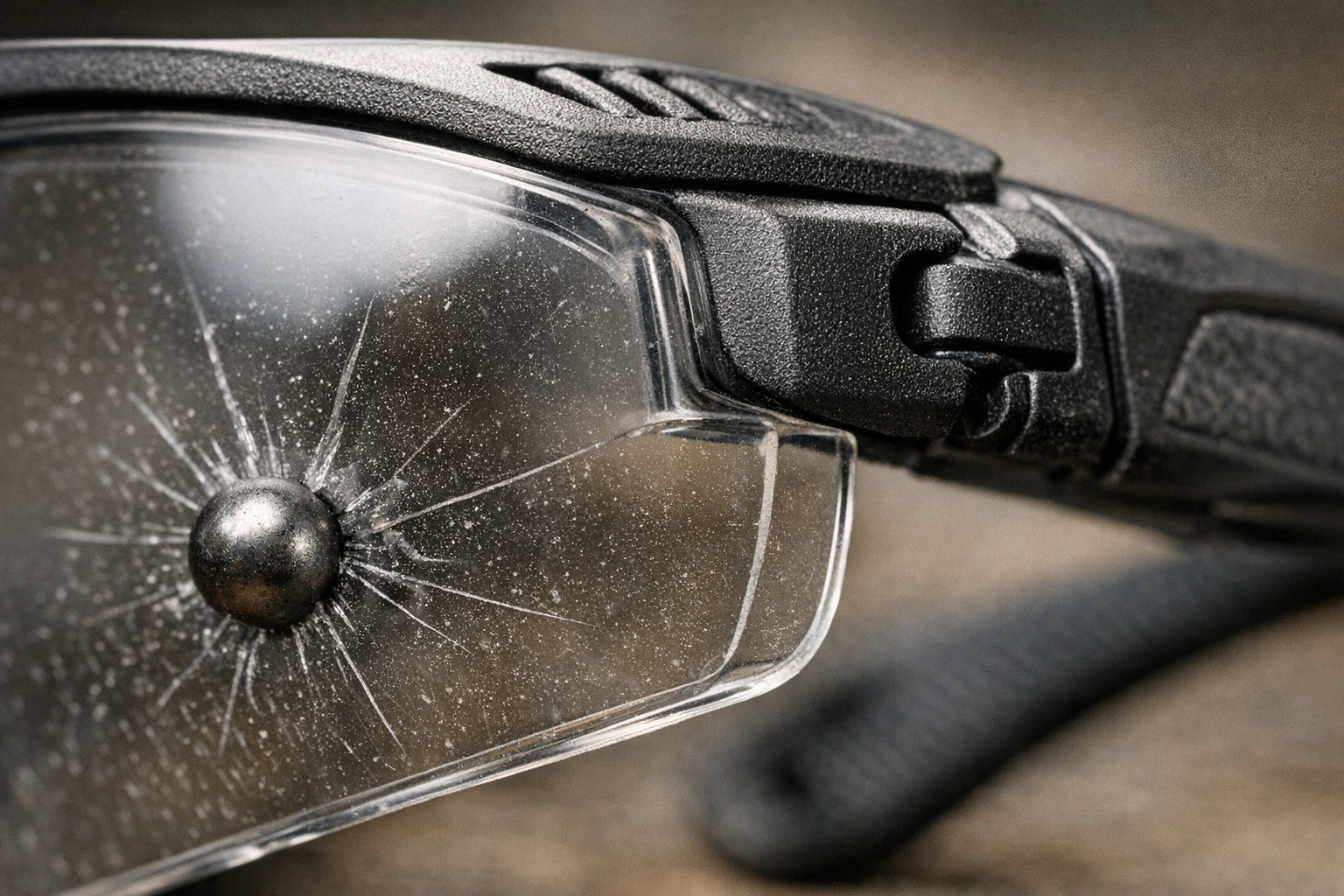
Stepping onto a busy workshop floor for the first time, one of the first things you might notice is how different safety glasses really are. Some feel light and flimsy—almost just clear plastic—while others have robust frames and lenses that suggest real durability. But what truly distinguishes effective eye protection isn’t just how they look or feel; it’s their impact rating.
Impact ratings are technical standards that specify exactly how much force safety glasses can endure without breaking or failing to protect your eyes. Unlike guesswork or assumptions, these ratings come from rigorous testing procedures designed to simulate real hazards workers face every day.
Why Impact Ratings Matter
When working in construction, manufacturing, or even home improvement, flying debris can go from an unnoticed risk to a serious eye injury in seconds. A small metal fragment, wood chip, or splinter can travel at high speeds and cause permanent damage if your eye protection isn’t up to the task.
That’s where impact ratings come in. They tell you that the glasses you’re wearing have passed stringent tests where objects are propelled at the lenses at defined speeds and sizes, confirming whether the eyewear can absorb or deflect the impact without breaking or ejecting the lens.
Common Eye Protection Standards Explained
ANSI Z87.1 (United States)
The American National Standards Institute (ANSI) sets one of the most widely recognized standards for safety eyewear in the U.S., called ANSI Z87.1. Within this standard, you’ll find two key levels:
- Basic Impact (Z87): Glasses must survive a 1-inch (25.4 mm) steel ball weighing roughly 2.4 ounces, dropped from a height of 50 inches (about 1.27 meters). This simulates medium-speed debris you might encounter during light tasks.
- High Impact (Z87+): The “plus” designation indicates higher protection. Glasses must withstand a 1/4-inch (6.35 mm) steel ball shot at 150 feet per second (about 45.7 meters per second) without the lenses breaking or coming loose. This rating is crucial for heavy-duty jobs like grinding, cutting, or any task generating high-speed particles.
EN 166 (Europe)
Over in Europe, safety glasses follow the EN 166 standard, which prioritizes impact resistance as well. Markings on eyewear indicate the level:
- F (Low Energy Impact): Tested against particles traveling at 45 meters per second.
- B (Medium Energy Impact): Tested against higher speed projectiles at 120 meters per second.
Choosing glasses with the right EN 166 rating gives you confidence that your protection will hold up under similar real-world conditions.
Matching Impact Ratings to Your Task
Using the right eyewear for the specific hazards you face is critical. Here’s a practical snapshot:
- Grinding, Cutting, or Using Rotary Tools: Opt for glasses labeled with ANSI Z87+ or EN 166 B. These higher impact ratings provide the durability to withstand faster, harder strikes.
- Painting, Dusty Environments, or Light Debris: Basic ANSI Z87 rated glasses may suffice, but it’s essential to stay alert to the possibility of accidental slips or higher-impact incidents.
One common mistake I encountered was colleagues using just regular prescription or sunglasses during quick jobs — a risky practice since those lenses usually lack any impact certification and can shatter on impact.
The Real-Life Difference Impact Ratings Make
Personal experience is the best teacher. Once, while working on a renovation, a coworker accidentally tossed me a crowbar. It missed my face but struck my glasses squarely. Thanks to their ANSI Z87+ rating, the lenses absorbed the impact and got scratched but didn’t break or come loose. Had I been wearing anything less protective—or nothing at all—the result could have been a serious eye injury.
That close call reshaped my approach to eye safety: I started keeping my high-impact safety glasses right next to my frequently used tools instead of tucked away in a drawer. That simple placement helped remind me—and others on site—to put them on consistently. Because in fast-paced environments, convenience often wins over good intentions.
Choosing and Maintaining Protective Eyewear
What to Look For
- Certification Marks: Flip your glasses over and look for clear markings such as “Z87” or “Z87+” (ANSI) or “EN 166 F” / “EN 166 B” (Europe). These are assurances that your glasses have undergone rigorous testing.
- Lens Quality: Avoid lenses with distortion, cracks, or pitting. Even micro-cracks can weaken protective properties and cause failure during an impact.
- Proper Fit: Glasses should fit snugly but comfortably against your brow and cheeks, with no large gaps around the edges that can let debris in. Temples should hold the frames firmly without causing headaches or pressure points.
Why Fit Matters
Safety glasses that don’t fit well are more likely to be removed mid-task or slip out of place, exposing your eyes exactly when protection is needed the most. Loose glasses can slide down your nose, allowing particles to sneak inside, while overly tight ones cause discomfort that wears you down over time.
Refresh Your Perspective: The Small Habit That Makes a Big Difference
Wearing eye protection is often about habit as much as it is about equipment quality. Here’s a simple mindset tweak I recommend:
Instead of thinking of safety glasses as an extra step or an inconvenience, make them the first tool you reach for before starting any task.
Try mentally marking the glasses as an extension of your hand—a tool you wouldn’t work without. By placing them in a visible, easy-to-grab spot near your main workbench or tool box, you create a visual cue to put them on each time.
This adjustment often overcomes that stubborn temptation to “skip them for a minute” and keeps you consistently protected, especially during quick jobs or jobs with changing risks.
Final Thoughts on Eye Safety and Impact Ratings
Understanding and respecting impact ratings turns guesswork into smart, informed decisions that protect your eyesight. Whether you’re cleaning up drywall dust or grinding metal, the right rated glasses can be the difference between a close call and a life-altering injury.
Next time you gear up, spend an extra moment checking those etched markings and adjusting your glasses for comfort and fit. It’s a small effort with a big payoff that helps you keep working safely and confidently—day after day.