
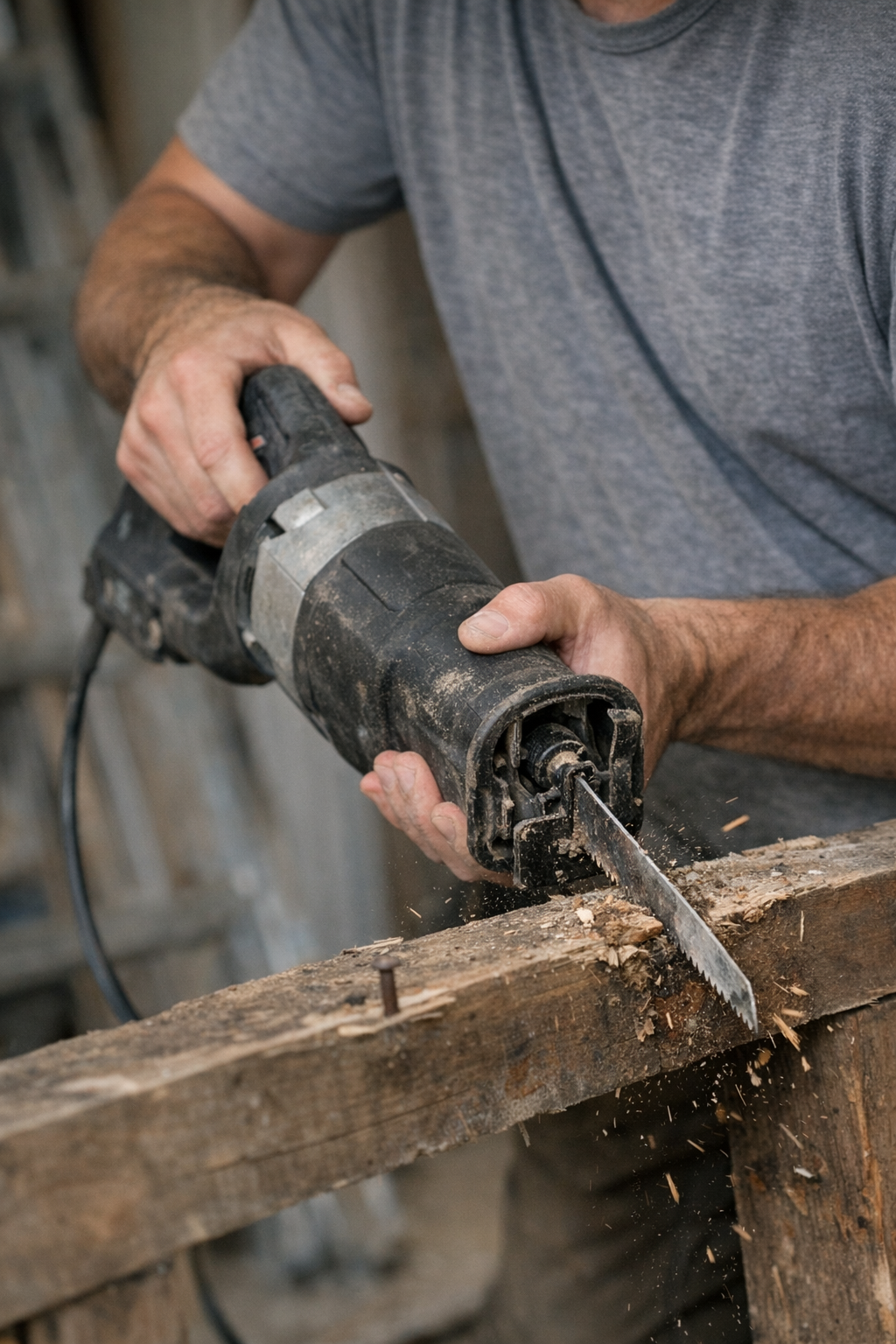
Understanding the Importance of Saw Blade Maintenance
Your reciprocating saw blade may seem like a simple component—just a thin strip of metal fastened to your tool. However, it plays a pivotal role in every cut you make. Using a dull or damaged blade doesn’t just hurt the quality of your work; it can stall your progress, overwork your tool’s motor, and even create safety hazards.
Experienced professionals and dedicated hobbyists alike know that recognizing when to replace a blade is essential for maintaining productive, safe, and efficient cutting. Let’s dive into the telltale signs your blade needs replacing, why ignoring these will cost you more in the long run, and how proactively swapping blades leads to better results.
Key Signs It’s Time to Replace Your Reciprocating Saw Blade
1. Sparks and Smoke Indicate Excessive Friction
If you see sparks while cutting metal or notice smoke rising from the blade, you’re dealing with a dull blade producing too much friction. This often occurs with fine-tooth blades (18–24 teeth per inch, or TPI) on steel or coarse-tooth blades (6–10 TPI) on wood. When overheating happens, it’s a clear warning that the blade’s cutting efficiency has sharply declined.
2. Jagged, Sloppy, or Burned Cuts
New or well-maintained blades cut cleanly, producing precise, smooth edges. Conversely, a dull blade will yield uneven or splintered cuts, leaving the material frayed or burned. If you notice the kerf (cut width) widens, or edges darken with scorch marks, your blade is past its prime.
3. Noticeable Drop in Cutting Speed
Is each cut taking significantly longer than before? Since typical reciprocating saws operate around 2,500–3,000 strokes per minute (SPM), a slowdown suggests resistance caused by blade wear. Rather than blaming your technique, it’s usually a sign to refresh the blade.
4. Increased Vibration and Tool Chatter
All reciprocating saws have some vibration, but excessive shaking or erratic movement during cuts often signals a blade that no longer tracks straight. Not only does this affect cut accuracy, but it also accelerates wear on your saw’s motor and internal components.
Common Pitfalls of Using a Worn Blade
A frequent mistake is applying extra pressure or raising the orbital action setting to push a dull blade through the material. This only generates more heat, wears out both motor and blade faster, and increases the risk of losing control or damaging your workpiece.
Additionally, using the wrong blade type or quality for your material expedites blade wear. For example, blades designed for wood won’t last in demolition work involving nails or metal pipes. Selecting high-quality bi-metal or carbide-tipped blades specifically rated for your task will save you time and frustration.
Blade Life Varies by Material and Blade Type
The lifespan of a reciprocating saw blade depends largely on what you’re cutting and the blade’s design:
- Wood Cutting: Straight wood blades can remain sharp for dozens of cuts on softwood like pine.
- Mixed Demolition: Blades with variable pitch teeth (e.g., alternating 10/14 TPI) are built for durability across wood, metal, and composite materials but will dull quicker with intense use.
- Metal Cutting: Fine-tooth blades specialized for thin sheet metal may only last for a few cuts during heavy use.
- Heavy-Duty Demolition: Cutting through cast iron, conduit, or thick composites can wear blades down fast—sometimes within a single workday.
Real-World Example: The Cost of Pushing Blades Too Far
Consider this scenario: while demolishing old deck railings, the blade began to struggle halfway through. Cuts became jagged, the saw bucked unpredictably, and the blade’s shoe started gouging the surrounding wood. Simply switching to a fresh 14 TPI bi-metal blade transformed the experience—progress resumed smoothly, with cleaner cuts and less effort. This swap reduced total cutting time by over 50%, illustrating how blade maintenance directly affects efficiency and safety.
How to Develop a Blade Replacement Routine
Rather than waiting for failure, embedding blade inspection and replacement into your workflow ensures reliable performance. Here’s a practical approach:
Pre-Job Inspection Steps
- Visual Check: Look for rounded, missing, bent, or discolored teeth. Blue or black tints indicate overheating and compromise blade integrity.
- Feel the Teeth: Gently run a finger along the blade’s edge (carefully to avoid injury). Sharp teeth should feel rough and grabby. Smooth or dull-feeling teeth need replacement.
- Check Straightness: Lay the blade flat to detect warping or kinks. A blade that bends out of alignment affects cut precision and risks tool damage.
Replace blades that fail any of these tests before starting your cuts.
Refresh Tip: Take Short Breaks to Extend Blade Life
When working on tough materials, try cutting in shorter bursts—about 20 to 30 seconds per pass for metals—then pause to let the blade cool. This simple habit reduces overheating and prolongs sharpness, especially during extended demolition work.
Benefits of Timely Blade Replacement
Regularly swapping out your saw blade preserves all aspects of your work: cleaner cuts, reduced material waste, less chance of injury, and longer saw life. It also makes your workdays smoother, minimizes frustration, and helps maintain a professional standard of quality.
By setting aside a moment each day or before major projects to inspect and replace blades, you ensure your reciprocating saw is always ready to perform at its best. This habit builds discipline into your tool care routine, saving you time and money in the long run.
Final Thoughts: Make Blade Checks Part of Your Prep
The difference between struggling through a project and finishing efficiently can often come down to the condition of your blade. Rather than ignoring warning signs or “getting your money’s worth” by pushing a dull blade, consider the cost of lost productivity and damaged materials.
Next time you gear up for a big cut, take a moment to inspect your blade. A simple swap out before you start keeps you cutting clean, working safely, and maintaining momentum.
When did you last change your reciprocating saw blade?