
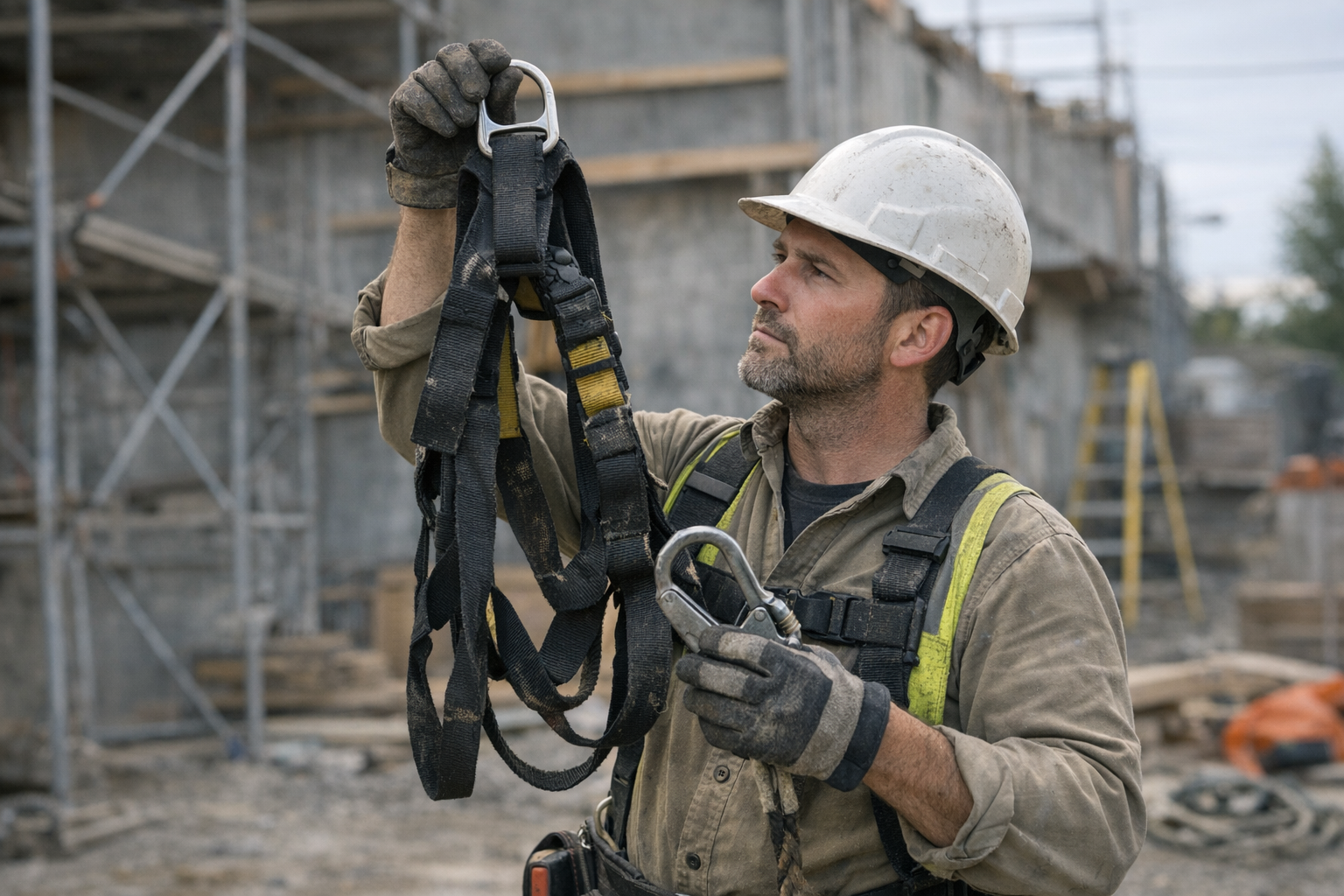
Why a Quick Harness Check Matters Every Time
Every day on the job, just before you climb up a scaffold or secure yourself to a harness, there’s a brief but critical moment. You might glance at your gear and ask yourself, “Did I really check this thoroughly?” It’s tempting to rush, especially if you’ve worn that harness dozens of times with no issues. But that small pause for a quick inspection can literally mean the difference between a routine workday and a catastrophic fall.
Safety gear is designed to protect, but it wears down with use. Harnesses endure rough conditions—exposure to weather, dirt, chemical spills, and accidental damage during transport and storage. Overlooking minor wear and tear can lead to serious failures when you least expect them. That’s why developing a consistent 5-second harness check routine is a vital habit for anyone working at height.
Common Hazards That Wear Out Your Harness
People often assume, “If it looked fine yesterday, it’s fine today.” However, harness webbing and hardware can degrade quickly depending on usage and environment. Some typical issues include:
- Frayed or cut webbing: Even a small nick or thin spot can reduce the strength dramatically. The synthetic fibers used in harnesses carry high loads—but damage weakens their integrity.
- Dirt and chemicals: Mud, grit, and especially solvents can embrittle or corrode materials, hidden from casual sight.
- Bent or corroded metal buckles: These are critical for secure fit and connection. Rust or damage compromises locking mechanisms and load-bearing capability.
- Twisted or misrouted straps: Webbing must lie flat to distribute force evenly in a fall. Twists can cause localized pressure points and increase injury risk.
Regulatory standards like EN 361 in Europe or ANSI Z359 in the U.S. mandate minimum strength requirements (often 15kN or more in static tests) for harness components. Any visible damage puts your harness out of compliance, regardless of how minor it looks.
How to Perform a 5-Second Harness Check
Taking just a few seconds before each use to inspect your harness can prevent a lifetime of regret. Here’s a straightforward routine anyone can apply:
- Hang the harness by the dorsal D-ring: Grab the back D-ring and let the harness dangle freely. This simple step straightens out all straps, making it easier to spot twists, misalignment, or tangling.
- Run your hands along every strap: Feel for rough patches, thinning, or cuts. Use your fingers to detect any raised threads or irregularities invisible to your eyes. Even a small catch can indicate hidden damage.
- Inspect buckles and connection points: Open and close all buckles to check for smooth movement and full closure. Any grit, stiffness, or deformation can affect locking ability during a fall.
- Check the lanyard connectors and carabiners: Make sure gates close fully and locks engage properly. A jammed gate or partial closure is a frequent cause of tie-off failures, especially if environmental elements like sand or ice are present.
- Verify fit and adjustment: Ensure straps are flat, untwisted, and adjusted properly. Thigh straps should be snug but not too tight (allow 2–4 finger widths). Poor fit increases suspension trauma risk if a fall occurs.
Understanding Suspension Trauma and Proper Fit
Incorrect harness fit isn’t just uncomfortable; it can be dangerous. Suspension trauma occurs when blood circulation is restricted during prolonged hanging, potentially leading to unconsciousness within minutes. Properly adjusted sub-pelvic straps distribute forces evenly across the pelvis and thighs, reducing pressure points and improving blood flow.
When a fall is arrested, the dorsal D-ring channels most shock loads through the harness: roughly 60% through the thigh straps and the rest via shoulders. Ensuring straps aren’t twisted or loose helps keep these forces balanced and lowers injury risk.
A Real-World Example: The Power of Hesitation
A colleague once spilled his harness onto a gritty, damp surface right before a climb. Without his usual check, he almost strapped in. But a brief 5-second review caused his hand to catch on some frayed webbing near a buckle. Taking an extra moment to examine detected a hidden cut beneath the stitching. Replacing the harness that day likely saved him from a horrific accident.
In contrast, a coworker who skipped proper adjustment one day ended up suffering a classic suspension trauma event after just ten minutes working suspended off a roof edge. His thigh straps were too loose and twisted, restricting circulation. He required prompt medical attention due to numbness and swelling.
Refresh Tip: Make Your Checks Automatic and Stress-Free
Check routines can feel like just another chore, especially early mornings or during busy shifts. But a simple mindset shift can help — view the 5-second harness check as an act of respect toward yourself and your team. It’s less about compliance and more about ensuring you return home whole.
Try combining the check with another morning ritual, like tying your boots or pulling on gloves. Linking actions turns the check into instant habit—no extra time, no mental clutter.
Benefits Beyond Safety: Confidence and Awareness
Consistent quick checks do more than catch gear issues. Over time, you develop a tactile familiarity with your equipment. You’ll notice subtle changes—how the buckles feel when they’re slightly loose, or how webbing ages and handles stress.
This heightened field awareness builds confidence. Instead of second-guessing your setup mid-shift, you get that reassuring sense, “My gear is solid, and I’m ready.” That calm certainty can improve focus and reduce accident risk overall.
Final Thoughts: Is Your Routine Enough?
Ultimately, safety on heights demands more than rules or regulations—it requires steady habits and disciplined awareness. Taking just five seconds to inspect your harness before every climb isn’t an inconvenience; it’s a crucial step that protects your life.
Ask yourself honestly: does your daily routine leave room to detect small problems before they escalate? Building that extra moment into your workflow can turn a simple habit into a lifesaving reflex.
Remember: Your harness is your lifeline—not just another piece of equipment. Treat every check with respect, and you’ll climb with greater confidence, every time.