
Understanding Overheating in Masonry Drilling
Drilling into masonry such as concrete, brick, or cinder blocks is a common task, yet it presents unique challenges compared to softer materials like wood or drywall. One frequent issue is the rapid overheating of drill bits during these jobs, which can lead to dulling, damage, and slower progress.
But why exactly do drill bits heat up so quickly when working with masonry? Unlike softer surfaces, masonry is dense and abrasive. The drill bit is subjected to intense friction as it grinds through stone or mortar particles, and if this friction isn’t managed properly, it generates heat almost immediately.
The Role of Friction and Debris in Bit Overheating
Friction occurs when two surfaces rub against each other—in this case, the drill bit’s cutting edges and the gritty masonry material. The spiral flutes of a masonry bit are designed to help remove dust and debris from the hole as you drill. However, masonry dust is fine and tends to compact quickly inside the drilled hole, especially if the bit doesn’t clear it frequently.
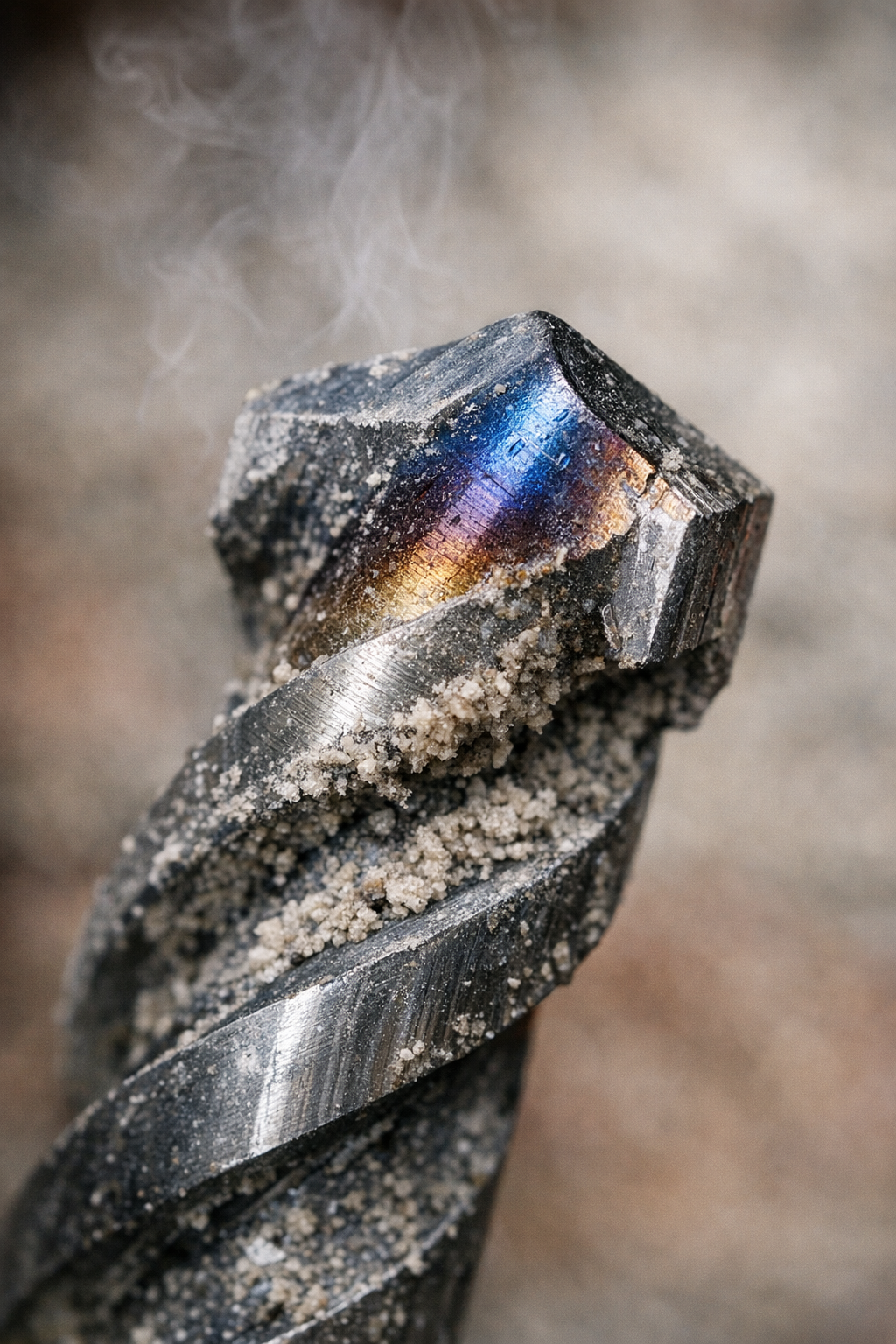
When dust accumulates near the drill tip, it increases friction even further and traps heat. Without the ability to dissipate that heat efficiently, the bit’s temperature spikes rapidly. This can cause discoloration of the steel (blue or brown hues), dull the cutting edges, and send burning odors into the air.
Speed and Feed Rate Impact
Another critical factor is the drill’s speed (typically measured in RPM or strokes per minute) and the pressure applied. Masonry drilling generally performs best at low to moderate speeds—commonly between 500 and 1,500 strokes per minute when using a hammer drill mode. Running the drill at excessively high speeds can multiply friction and cause heat to build too fast for the bit to handle.
Similarly, applying too much force throws the bit into overdrive, pressing the flutes tightly against the wall and increasing contact friction. The ideal approach is a steady, moderate feed combined with controlled speed to balance efficient cutting with heat management.
Real-World Experience: A Lesson in Drilling Technique
In practice, I’ve witnessed firsthand how drilling technique determines bit longevity. On one renovation project, two brand-new masonry bits were ruined by overheating in stubborn basement concrete. Initially, I drilled continuously with firm pressure and high speed, causing the bit tips to discolor and the drill to stall.
Switching strategies to a “pecking” technique—drilling for a couple of seconds, then pulling the bit out to clear debris and let the tool cool down —produced dramatically better results. The bits stayed cooler, we drilled faster overall, and the holes were cleaner and more accurate.
Key Reasons Bits Overheat So Fast in Masonry
- Compaction of Dust: Fine masonry dust clogs the hole quickly and trapped dust raises friction and heat.
- Inappropriate Speed: High RPMs increase heat production exponentially during cutting.
- Excessive Pressure: Overloading the bit presses it tightly against the surface, increasing friction beyond optimal levels.
Choosing the Right Bit
The type of bit matters too. Carbide-tipped masonry bits provide better heat resistance than standard High Carbon Steel (HCS) bits. However, no bit can withstand sustained overheating if speed, pressure, and dust removal are neglected.
Practical Tips to Prevent Overheating
1. Use the Pecking Drilling Method
Drill for 2–4 seconds, then pause and pull the bit out to clear accumulated dust. This continuous clearing ensures the tip doesn’t get buried in compacted debris, reducing friction and heat buildup.
2. Regulate Speed and Pressure
Keep your drill speed moderate (around 500–1,500 SPM in hammer mode). Adjust the pressure so the bit advances steadily but does not stall or bind. Aim for a comfortable force roughly between 12–18 kilograms, enough to bite smoothly without loading excessively.
3. Select the Correct Drill Setting for Material
Soft bricks and mortar respond well at lower orbital settings (1–2 on a 4-level scale), while plain concrete requires higher power but still controlled application (levels 3–4). Adapting settings prevents overexertion of the bit.
Mid-Project Refresh: Change Your Perspective on Drilling
Drilling masonry is a dance of technique rather than sheer force. Resist the urge to power through in one continuous motion, even when time is tight. Instead, think of it as a measured rhythm—bite, pause, clear. Recognizing overheating signs early (like color changes, odors, or stalling) allows you to adjust instantly and protect your bits before damage becomes permanent.
Taking time to monitor your bit temperature and drilling cadence can feel slower initially but leads to faster, cleaner holes and longer bit life overall. This mindset shift can refresh your approach and turn frustrating masonry drilling into a smoother, more predictable process.
Recognizing Signs of Bit Overheating
- Discoloration: A blue, brown, or purple tint at the bit tip is a classic heat signature.
- Burning Smell: A faint metallic or burning odor often accompanies excess heat.
- Sluggish Drilling: The tool feels like it’s stalling or binding unexpectedly.
- Visible Dust Smoke: Occasionally, dust may smolder slightly due to heat.
If you notice any of these signs, stop drilling immediately, back the bit out, and allow it to cool. Then dial back your drill speed, lighten pressure, and resume using the pecking technique.
Long-Term Benefits of Proper Technique
By adjusting how you approach masonry drilling, you not only protect your bits but also improve job quality. Holes are cleaner, anchors fit better, and you spend less time swapping broken bits mid-project. A good rhythm reduces tool wear and even lowers the risk of operator fatigue.
Consider rotating bits during large jobs or employing a cool-down pass for deep holes. Keeping a keen eye on drill performance and bit condition pays dividends in efficiency and durability.
Conclusion
Overheating drill bits in masonry drilling are a common yet avoidable problem rooted primarily in friction and poor dust management. Employing a thoughtful drilling technique—moderate speed, controlled pressure, and frequent dust clearing—dramatically reduces heat buildup and prolongs bit life.
Mastering this rhythm requires patience but rewards you with smoother drilling, better-quality anchor holes, and less downtime caused by bit failure. Next time you pick up your hammer drill for masonry work, remember: a little technique goes a long way.