
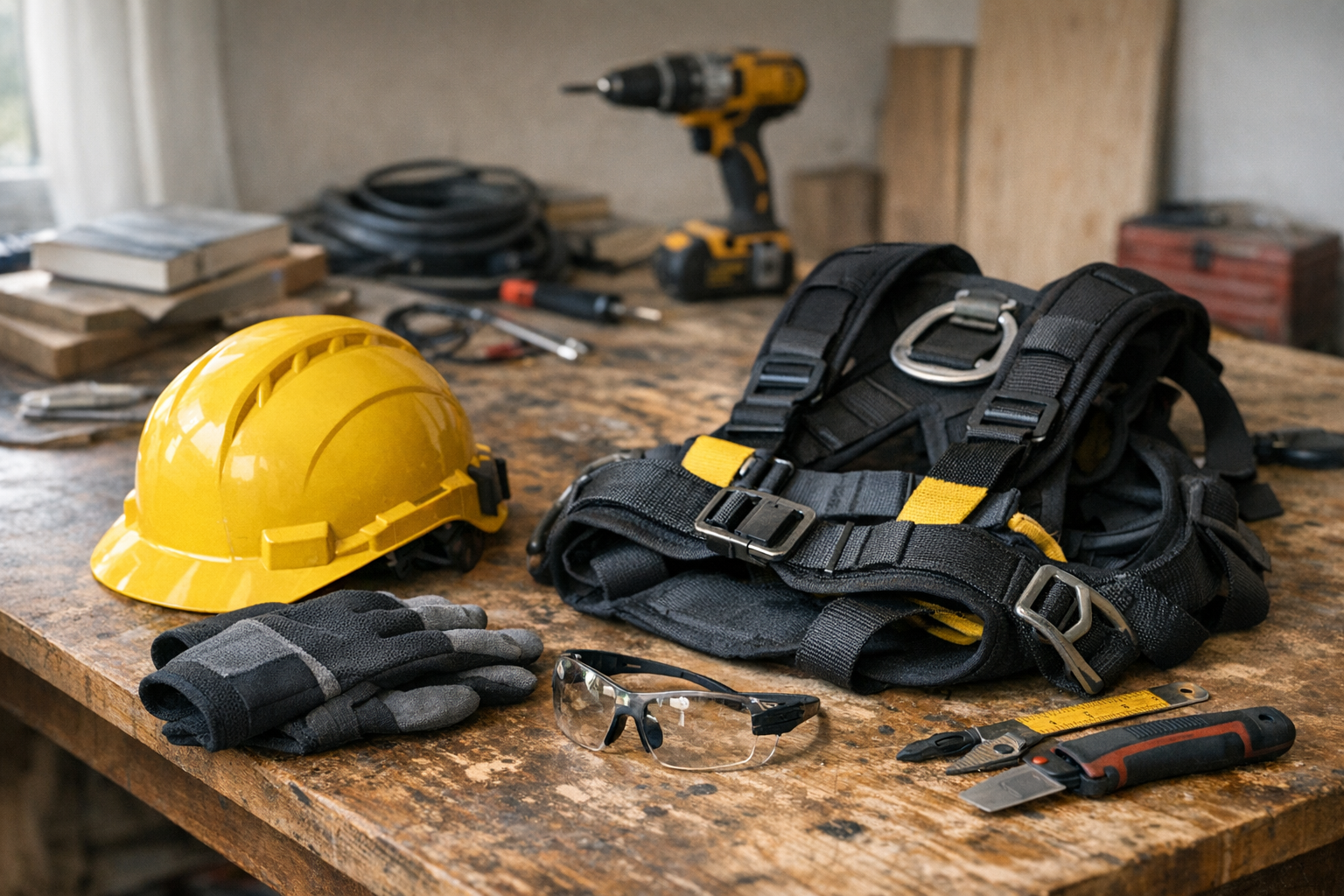
Understanding the Hidden Impact of Fatigue on Job Sites
Anyone who has spent long hours on a job site or in a busy workshop knows the creeping exhaustion that can set in well before lunch. You may feel dull headaches, persistent aches in your back and shoulders, and a slow but relentless drain on your energy. This fatigue isn’t simply a discomfort; it’s a risk factor that can compromise your safety and performance.
While personal protective equipment (PPE) is often viewed strictly as compliance gear—something to wear so you don’t break safety protocols—the reality is that PPE plays a vital role in how your body copes with the physical demands of your workday. Properly chosen and correctly fitted gear supports your body and helps prevent the gradual energy drain that leads to fatigue and accident risk.
Why Fatigue Matters: More Than Just Feeling Tired
Fatigue affects more than just your mood—it has serious implications for your safety and efficiency. A tired worker has slower reaction times, impaired coordination, and reduced concentration. These factors contribute to a higher likelihood of mistakes and accidents. Over time, fatigue can lead to chronic issues such as repetitive strain injuries, muscle disorders, and slower recovery after shifts.
Even if your workload or shift hours aren’t flexible, you can influence the way your body interacts with your work environment through your protective equipment.
Choosing and Adjusting PPE to Combat Fatigue
It’s common to underestimate how much poorly fitted or low-quality PPE adds to physical strain. For example, gloves that are too stiff or bulky reduce hand dexterity, making routine tasks feel harder and increasing muscle fatigue. Safety glasses that slip down force constant adjustments, leading to neck stiffness and distraction. Harnesses that don’t fit properly shift weight unevenly, causing muscle tension and cutting circulation—ultimately exhausting you faster.
Gloves: Protect Without Sacrificing Dexterity
Selecting gloves for specific tasks like flooring installation should balance protection and flexibility. Opt for gloves that offer mechanical protection at abrasion level 3 or higher, such as those compliant with EN388 standards. Lightweight nitrile-coated gloves that meet ISO 13997 cut levels A2–A3 provide excellent grip and cut resistance while allowing natural hand movements.
Safety Glasses: A Clear View Without the Fuss
Choosing safety glasses that meet ANSI Z87.1 standards ensures they provide durable impact resistance without sacrificing comfort. Quality glasses stay put without frequent repositioning, keeping your focus on the task—not on adjusting slipping frames.
Harnesses: Fit Is More Than Comfort
When it comes to harnesses, proper adjustment is critical not only for your safety but for reducing fatigue. Leg and shoulder straps that are too loose or positioned incorrectly can cause the harness to ride up during movement or a fall, transferring load unevenly. This can result in over 60% of the weight pressing on your shoulders instead of distributing evenly across your pelvis and thighs.
Properly fitted harnesses designed to meet EN 361 or ANSI Z359.11 standards distribute arrest forces safely through the dorsal D-ring between the shoulder blades and support straps. This minimizes muscle strain and reduces risks such as circulation problems or nerve compression.
Practical Tips for Daily Gear Adjustments
To get the most out of your protective equipment, incorporate regular gear checks into your routine. Stand tall and gently adjust your harness straps so they rest on strong points like the top of your shoulders and the upper thighs—not too tight to restrict blood flow, but snug enough to prevent shifting.
Check that the harness D-ring sits centered between your shoulder blades. This optimal position ensures fall forces are directed down your spine, reducing the chance of injury and unnecessary fatigue.
For gloves and glasses, test mobility and comfort by performing typical work movements—bend, reach, grip—and note any resistance or slipping. If your gear causes you to compensate your movements, consider switching to better-fitting or more ergonomic options.
Recharge Your Energy Through Smart PPE Choices
Modern safety equipment offers innovations designed to reduce fatigue, such as lightweight helmets with improved ventilation and moisture-wicking liners. For example, switching from a 400-gram helmet to a 280-gram ventilated model can significantly reduce neck strain and headaches over a long shift.
Breathable fabrics in gloves and harness straps help regulate temperature and reduce sweat build-up that can quickly sap your energy. Keeping cool and dry enhances endurance on demanding days.
Mid-Shift Refresh Tip: Brief Movement Breaks and Gear Checks
During breaks, take a moment to reassess your equipment fit. Stand, stretch, and check if straps have loosened or shifted. Small micro-adjustments can restore comfort and help maintain circulation, reducing the accumulation of fatigue. Pair this with simple stretching exercises for your neck, shoulders, and legs to refresh circulation and ease muscle tension.
The Long-Term Benefits of Proper PPE
Fatigue doesn’t just impact immediate safety; it also influences long-term health and job satisfaction. Equipment that supports your body effectively decreases the wear-and-tear on muscles and joints. Over time, this reduces chronic pain, improves recovery, and helps you stay consistent in your performance.
Small changes like switching to ergonomic work boots with proper arch support or choosing gloves that fit your hand shape can prevent everyday aches from becoming debilitating conditions.
Final Thoughts: PPE as a Vital Element of Work Wellness
Accidents and fatigue often result from overlooked factors—hidden strain, ineffective equipment, or bad habits—not from a lack of effort or skill. Viewing your protective gear as an extension of your health investment is a powerful shift in mindset.
Spend time each season evaluating and adjusting your PPE. Prioritize fit, material quality, and task-specific features with measurable standards in mind. This helps you work smarter, stay safer, and feel better day after day.
Remember: the right protective equipment isn’t just a job site requirement—it’s a key part of preserving your energy, focus, and wellbeing throughout every workday.