
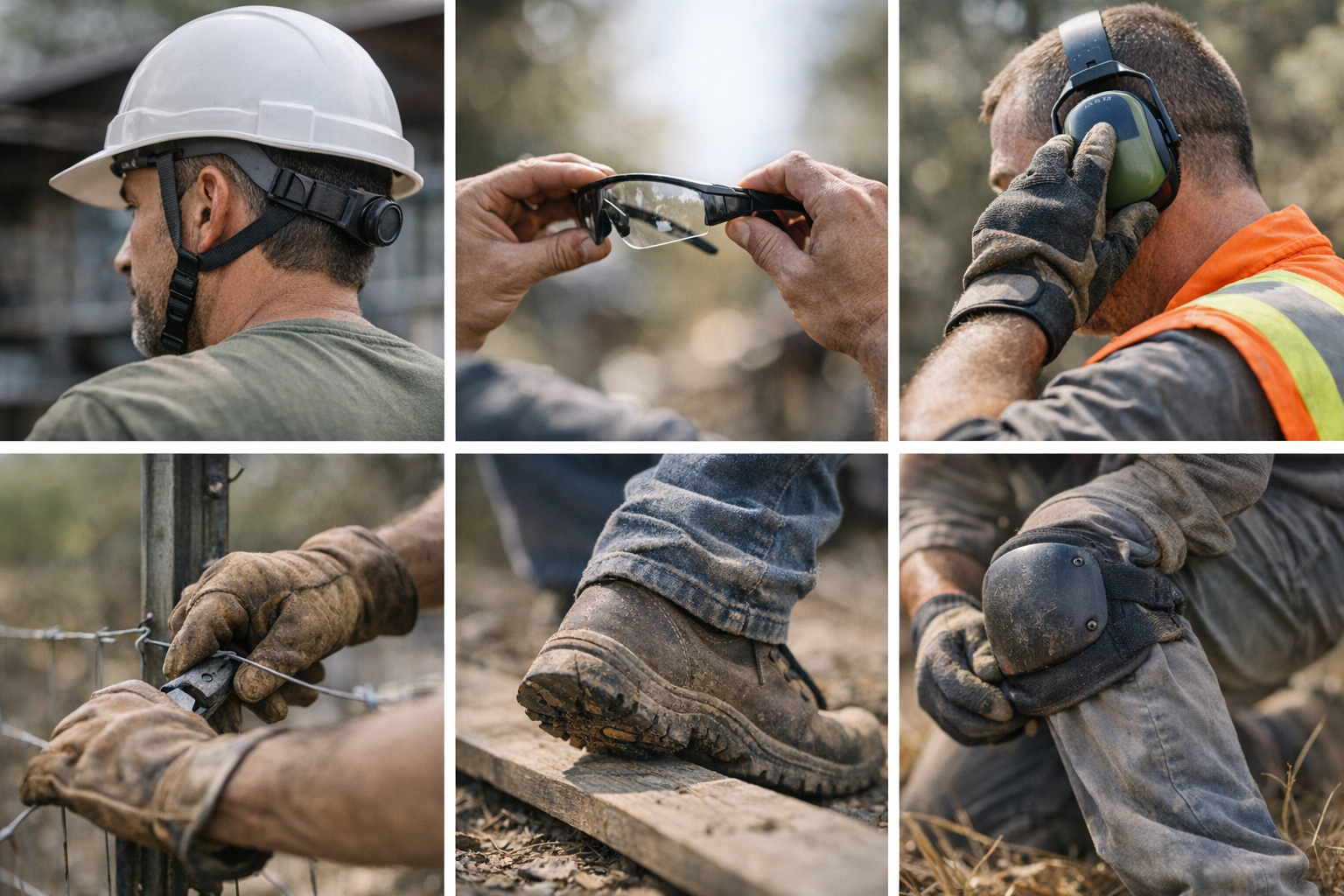
Understanding the True Importance of Safety Gear for Outdoor Work
Spending long hours working outdoors under the sun or sky can silently drain your energy and focus. Whether you’re repairing a fence on a lazy afternoon or enduring a scorching day replacing a roof, safety gear becomes more than just compliance—it acts as your essential line of defense when fatigue creeps in and concentration fades.
What qualifies as “essential” safety equipment can vary widely among experienced workers. Some swear by their boots, others by their gloves. But a handful of pieces consistently prove their worth across many jobsites, helping professionals complete their work safely and intact.
1. Reliable Head Protection: Comfort Meets Critical Safety
Wearing a hard hat might feel excessive, especially on slow or less chaotic days, but it is a crucial safeguard. A hard hat’s protective benefit is only as good as the comfort level allows you to wear it consistently throughout the day. An uncomfortable hat is often discarded after a break, increasing risk.
Choosing one with a built-in sweatband and ratchet-adjustable suspension makes a big difference. These features promote comfort by providing a snug fit without pressure points, making you less inclined to remove it.
Look for helmets certified to standards such as EN397 or ANSI Z89.1. These certifications guarantee impact and penetration resistance, with the shell and suspension tested to withstand drops of weights about 5 kg from 1 meter. Proper adjustment is key: maintain a 1-2 finger gap above the eyebrows and use a secure chinstrap to prevent rocking or pinching, especially on windy or active job sites.
In my experience removing old ridge caps on metal roofs, a glancing blow to the head was absorbed effectively by a well-fitted hard hat with an appropriate chinstrap. Such incidents highlight how crucial the fit and retention system is—not just the shell itself.
2. Eye Protection Designed for All-Day Wear
Safety glasses must not only meet standards but be comfortable enough to remain on through fogging, sweat, and glare. Anti-fog coatings, UV protection, and adjustable nose pads can greatly improve wearability.
Certifications like EN166 or ANSI Z87.1 ensure lenses will endure impacts such as gravel thrown up by brush cutters or flying debris from grinding tasks. Side shields add valuable peripheral coverage, protecting the side vision from stray particles.
Always keep a spare pair handy. Nothing derails productivity faster than a cracked lens when the workload is high and the deadline urgent. Avoid the common pitfall of propping glasses on your cap—this routine almost always ends in scratched or broken lenses.
For regular cutting or grinding work outdoors, opt for lenses that block at least 99% of UV rays to protect your eyes from cumulative sun damage.
3. Gloves That Work As Hard As You Do
Cheap or ill-fitting gloves rarely last beyond an hour of heavy outdoor work. The right gloves enable grip and dexterity while managing breathability and protection throughout long shifts.
Leather-palmed work gloves often strike a balance, providing abrasion resistance and comfort. If you find your fingers turning numb when gloves are too tight, sizing up or breaking in a new pair before a big job prevents discomfort and loss of feeling.
For tougher jobs involving heavy lifting or fence repairs, look for gloves rated EN 388: 2122X. This standard signifies reliable protection against abrasion, blade cuts, tears, and punctures, significantly reducing injury risk without sacrificing flexibility.
However, avoid insulated gloves on hot days. Excess insulation causes sweat accumulation, reducing grip and increasing the chance of blisters during repetitive hammering or wire tensioning tasks.
4. High-Visibility Clothing Is Essential Beyond Roadwork
Hi-vis gear may feel unnecessary on a quiet lot, but diminished visibility due to weather changes, dust, or fading daylight puts you at risk. Lightweight reflective vests are a simple addition that enhances your presence not just to passing vehicles but also to machinery operators, colleagues, and even pets roaming the property.
ANSI/ISEA 107 Type R, Class 2 vests meet practical requirements for outdoor visibility, with a minimum of about 775 square inches of background material and 201 square inches of reflective striping. These specifications ensure you remain visible in variable environments. Worn or faded vests can become nearly invisible under low light, negating their safety benefits.
5. Hearing Protection: An Often Overlooked Must-Have
Prolonged exposure to chainsaws, mowers, and circular saws can lead to ear ringing or long-term hearing damage. Earmuffs with pivoting cups allow easy on/off during breaks, promoting consistent use. Breathable cushions minimize sweat build-up, which encourages wearing them for extended periods.
Keep your hearing protectors within easy reach—resting them around your neck rather than tossing them in a tool bag helps you remember to put them back on quickly. Look for ear defenders rated with a Noise Reduction Rating (NRR) of at least 25-30 dB to effectively reduce harmful noise levels.
Check regularly that ear cushions remain intact and well-shaped. Pads that are split or compressed drastically reduce sound attenuation, so replace them seasonally or when damaged.
6. Durable Boots That Support You Through Long Days
Protecting feet requires more than a steel toe—it demands comfort and support across hours of terrain and activity. Wide toe boxes, moisture-wicking liners, and rugged treads all contribute to sustained comfort and safety.
Look for ASTM F2413-rated boots, which provide minimum impact and compression resistance—typically around 75 foot-pounds—ensuring protection from sharp objects like nails or heavy materials.
Slip-resistant soles certified to SRC or ASTM F3445 standards help prevent falls on inclined or uneven surfaces, an important factor when fatigue sets in and footing becomes less certain.
Consider rotating two pairs of boots each season—alternating wet and dry use extends midsole life and delays leather cracking, which commonly signals the end of boot durability.
Small But Impactful Gear You Shouldn’t Overlook
Beyond the main protective gear, smaller items dramatically improve comfort and safety. Sweatbands and sun-blocking neck gaiters protect your skin and help regulate temperature. Slip-on arm sleeves shield against cuts and sunburn, while ventilated knee pads with no less than 15 mm of closed-cell foam cushion repetitive kneeling tasks and reduce discomfort.
A Fresh Perspective: The “Set-and-Review” Safety Routine
One practical habit that transforms long outdoor workdays is performing a quick self-inspection at regular breaks—like when you pause for water. Scan yourself from head to toe:
- Is your helmet properly seated and adjusted?
- Have your glasses slipped or fogged?
- Are your gloves sweaty or torn?
- Is your vest still visible and intact?
- Are your boots or ear defenders fitting correctly?
Addressing a single equipment issue each break prevents small problems from escalating into injuries or lost time. This routine resets your awareness through the day, making safety an integral part of your workflow rather than an interruption.
For example, keeping gloves snug and sweat-free can prevent painful blisters, one of the most common complaints on manual jobs. By taking two minutes to adjust gear regularly, you maintain better control and comfort.
How Fatigue Influences Safety and How Gear Counters It
Fatigue rarely hits suddenly; it creeps up, causing distraction and risk-taking tendencies. Well-selected safety gear doesn’t just provide physical protection—it supports your ability to notice and respond as your focus wanes.
When your helmet is comfortable enough to stay on, your boots reliably support tired feet, and gloves protect without squeezing, you’re more likely to spot uneven footing or a tool slipping from your grip. The right equipment acts as both armor and an extension of your senses.
Choosing Gear That Fits Your Unique Work Style
Every jobsite has unique demands and every worker has preferences. No checklist can cover every nuance. The one universal truth is that safety equipment works best when it fits well and gets worn consistently.
Before your next long outdoor shift, take stock not only of what’s available but what you actually wear. If something feels uncomfortable or you catch yourself removing it frequently, invest time in finding alternatives that suit you better. Comfort and usability trump brand or price every time.
This practical approach transforms personal protective equipment from a neglected burden into your trusted companion—your silent advantage from first light through the last punch-out.
Practical Resources
For an overview of protective gear that meets safety standards and real-world needs, explore comprehensive collections tailored for long outdoor hours and various job environments.